






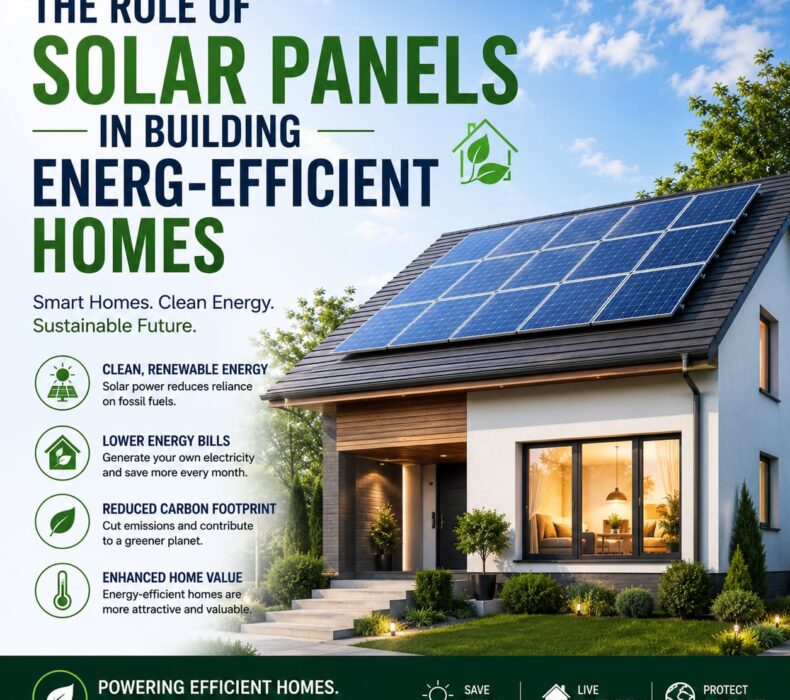
Modern homeowners are increasingly looking for ways to reduce energy consumption while maintaining comfort and convenience. The Role of Solar Panels in Building Energy-Efficient Homes has become more important than ever because solar technology helps households lower electricity costs, reduce environmental impact, and improve energy independence. Furthermore, advancements in solar systems have made renewable energy more accessible and effective for residential properties.
What Is an Energy-Efficient Home?
An energy-efficient home uses less energy to perform the same functions as a conventional home.
These homes are designed to:
- Reduce electricity consumption
- Lower utility bills
- Improve indoor comfort
- Minimize environmental impact
- Maximize energy savings
In addition, energy-efficient homes often incorporate advanced technologies that help optimize power usage throughout the property.
Why Energy Efficiency Matters
Energy efficiency benefits both homeowners and the environment.
First, reducing energy consumption lowers monthly electricity expenses. Second, efficient homes place less demand on power grids. Finally, lower energy use helps decrease greenhouse gas emissions.
Because of these advantages, many homeowners are now prioritizing energy-efficient upgrades when building or renovating properties.
How Solar Panels Improve Home Energy Efficiency
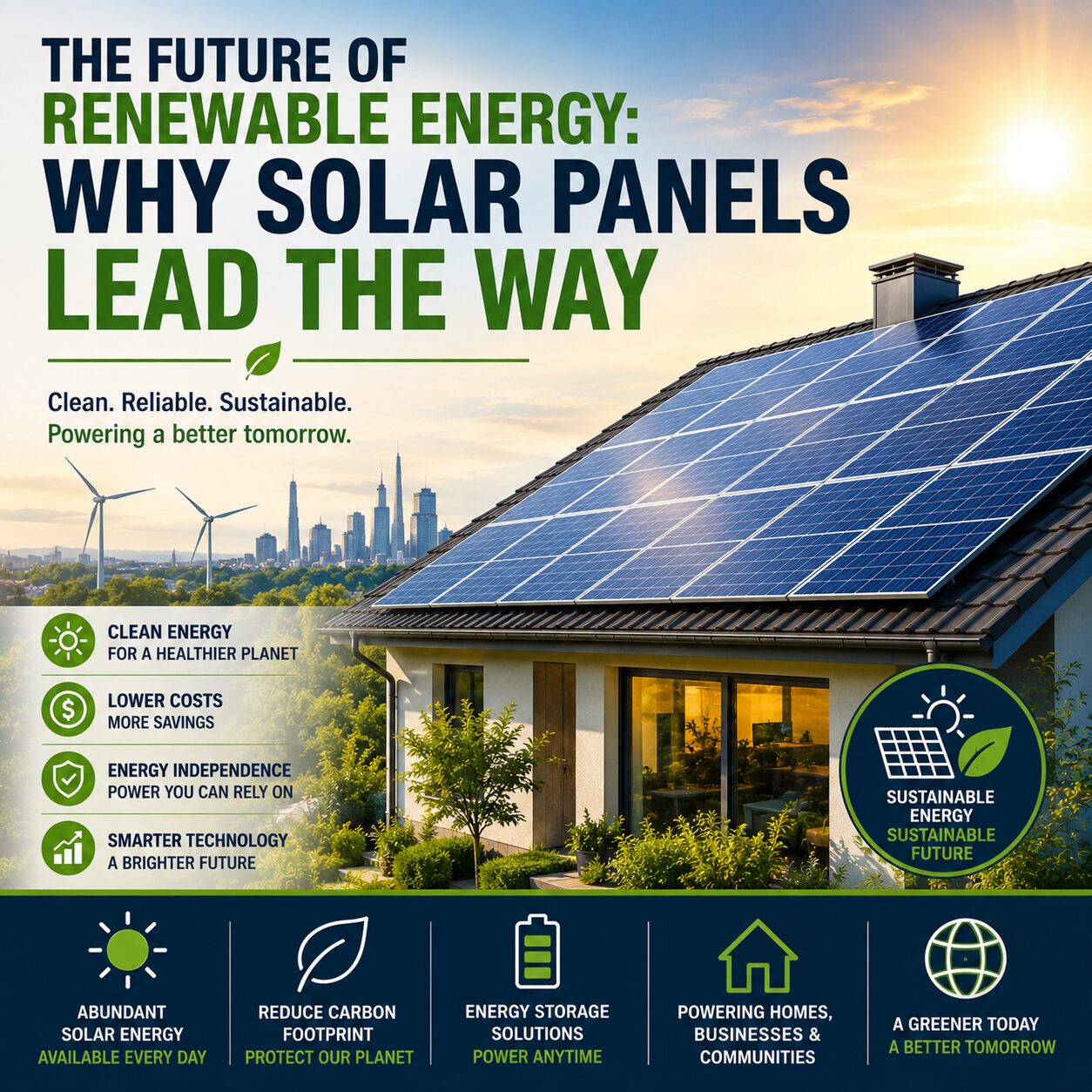
Solar panels generate electricity directly from sunlight. As a result, homeowners can produce a significant portion of their energy needs without relying entirely on utility providers.
Unlike traditional electricity sources, solar energy is renewable and sustainable. Therefore, it supports long-term energy efficiency goals while reducing dependence on fossil fuels.
Moreover, solar systems work alongside other energy-saving features to create highly efficient homes.
Reducing Electricity Bills
One of the biggest benefits of solar panels is lower energy costs.
When solar panels generate electricity during daylight hours, homeowners purchase less power from the grid. Consequently, monthly utility bills decrease.
Over time, these savings can offset the initial installation costs. For many households, this makes solar energy a smart long-term investment.
Supporting Sustainable Living
Sustainability is a major objective of energy-efficient homes.
Solar panels help achieve this goal by generating clean electricity without producing harmful emissions. Furthermore, sunlight is a renewable resource that is available every day.
By using solar energy, homeowners can significantly reduce their environmental footprint while supporting a cleaner future.
Enhancing Energy Independence
Many regions experience fluctuating electricity prices and occasional power outages.
Solar panels help reduce reliance on external energy providers. In addition, systems equipped with battery storage can continue supplying electricity during grid interruptions.
As a result, homeowners gain greater control over their energy supply and improve overall reliability.
Combining Solar Panels with Smart Home Technology
Modern energy-efficient homes often include smart technologies.
Examples include:
- Smart thermostats
- Energy monitoring systems
- Smart lighting controls
- Automated appliances
When combined with solar panels, these technologies help optimize energy consumption. Consequently, homeowners can maximize efficiency while minimizing waste.
Solar Panels and Battery Storage
Battery storage systems have transformed residential solar energy.
During sunny periods, excess electricity can be stored for later use. Then, homeowners can access that stored energy during the evening or on cloudy days.
This capability improves energy efficiency because less electricity is required from the grid. Additionally, battery storage enhances energy security.
Increasing Property Value
Energy-efficient homes are becoming more attractive to buyers.
Properties equipped with solar panels often stand out in the real estate market because they offer lower operating costs and modern energy solutions.
Therefore, installing solar panels can increase a home’s appeal and potentially boost its resale value.
Improving Environmental Performance
Traditional electricity generation often depends on fossil fuels.
These fuels release carbon dioxide and other pollutants into the atmosphere. Solar panels, however, generate clean electricity without harmful emissions.
Consequently, homeowners who install solar systems contribute to cleaner air and reduced environmental impact.
Long-Term Financial Benefits
Although solar panel installation requires an upfront investment, the long-term financial benefits are substantial.
Homeowners may benefit from:
- Lower electricity bills
- Reduced generator fuel costs
- Minimal maintenance expenses
- Increased property value
Furthermore, modern solar panels often last 25 years or more, providing decades of energy savings.
The Future of Energy-Efficient Homes
The demand for sustainable housing continues to grow worldwide.
New technologies are making solar panels more efficient, affordable, and accessible. At the same time, battery storage systems and smart home devices are becoming increasingly sophisticated.
Because of these developments, solar energy will continue to play a major role in future residential construction and renovation projects.
Conclusion
The Role of Solar Panels in Building Energy-Efficient Homes extends far beyond generating electricity. Solar systems reduce energy costs, support sustainable living, improve energy independence, and enhance property value.
In addition, solar panels work effectively with smart technologies and battery storage systems to maximize efficiency. As homeowners seek cleaner and more affordable energy solutions, solar power remains one of the most effective ways to create energy-efficient homes for the future.




 Get it on
  Download on the