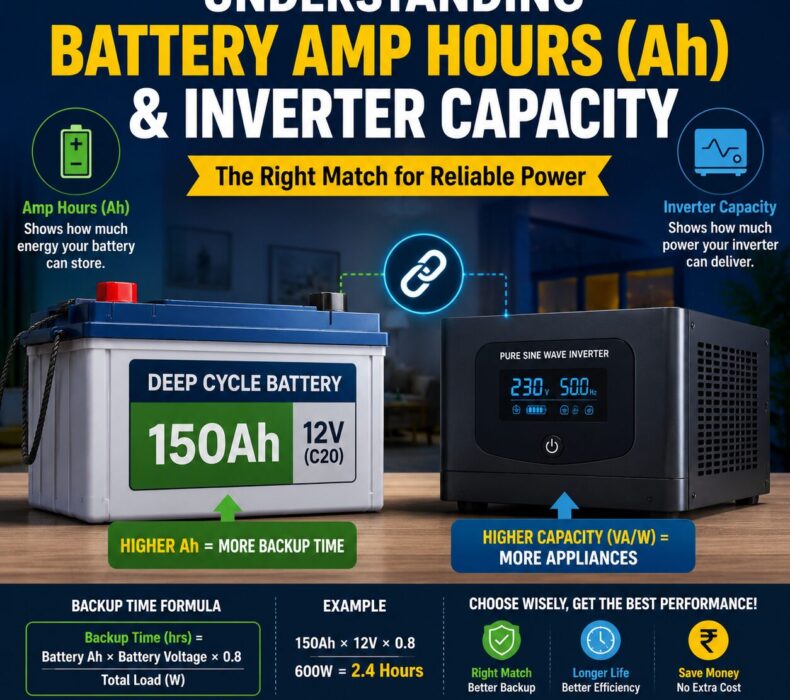
Understanding Battery Amp Hours (Ah) & Inverter Capacity is essential when selecting a reliable backup power solution for your home or business. Many inverter buyers focus only on inverter size, while others pay attention solely to battery capacity. However, both components work together to determine how long your appliances will run during a power outage. Therefore, understanding how battery amp hours and inverter capacity relate to each other can help you make informed decisions, maximize performance, and avoid costly mistakes.
What Are Battery Amp Hours (Ah)?
Battery Amp Hours (Ah) measure the amount of electrical charge a battery can store and deliver over time.
Simply put, the Ah rating indicates how much current a battery can supply for a specific period.
For example:
A 100Ah battery can theoretically supply 100 amps for one hour.
It can also supply 10 amps for 10 hours.
Likewise, it can provide 5 amps for 20 hours.
However, actual performance may vary depending on battery condition, temperature, and load requirements.
Therefore, the Ah rating serves as an important indicator of battery storage capacity.
\text{Backup Time (hours)}=\frac{\text{Battery Voltage} \times \text{Ah}}{\text{Load (Watts)}}
For example:
A 12V 200Ah battery stores approximately:
12 × 200 = 2400 watt-hours
If connected appliances consume 300 watts:
2400 ÷ 300 = 8 hours
However, actual backup time may be lower due to efficiency losses.
Therefore, calculations should be treated as estimates.
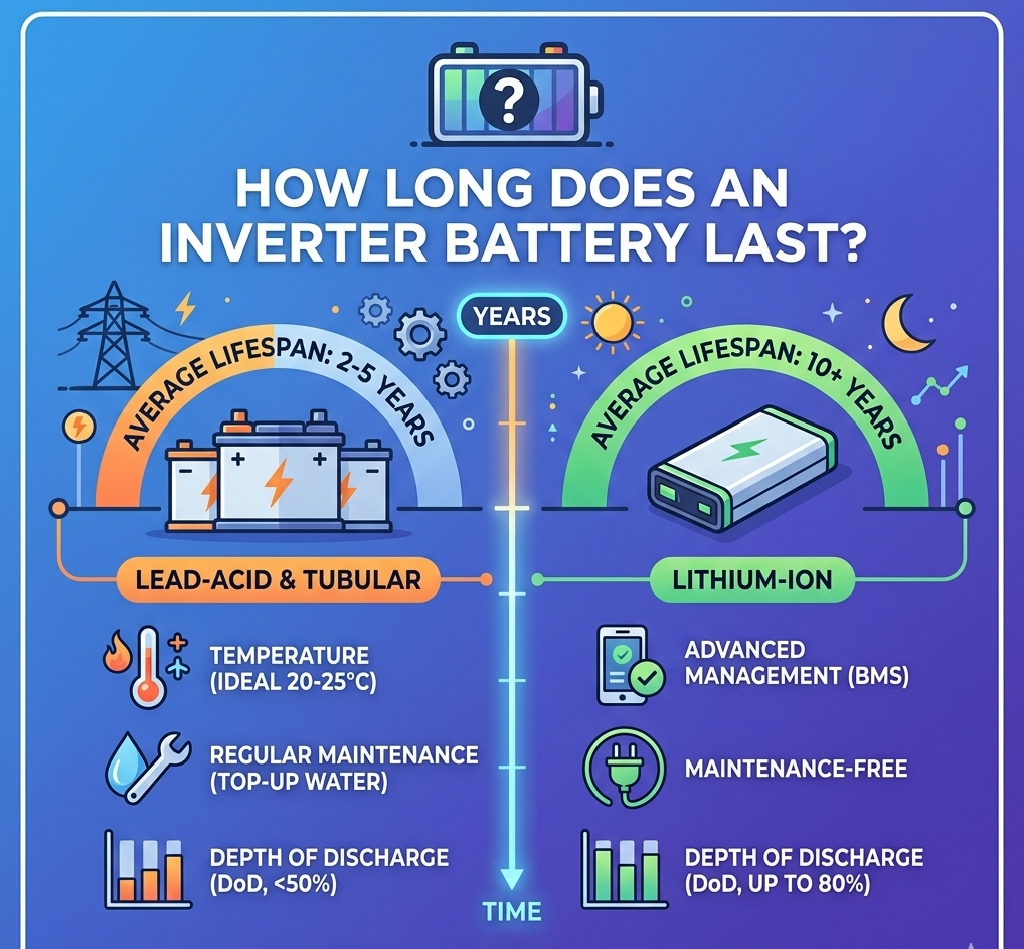
Factors That Affect Backup Duration
Several factors influence real-world battery performance.
Appliance Load
Higher loads consume stored energy faster.
Consequently, backup duration decreases.
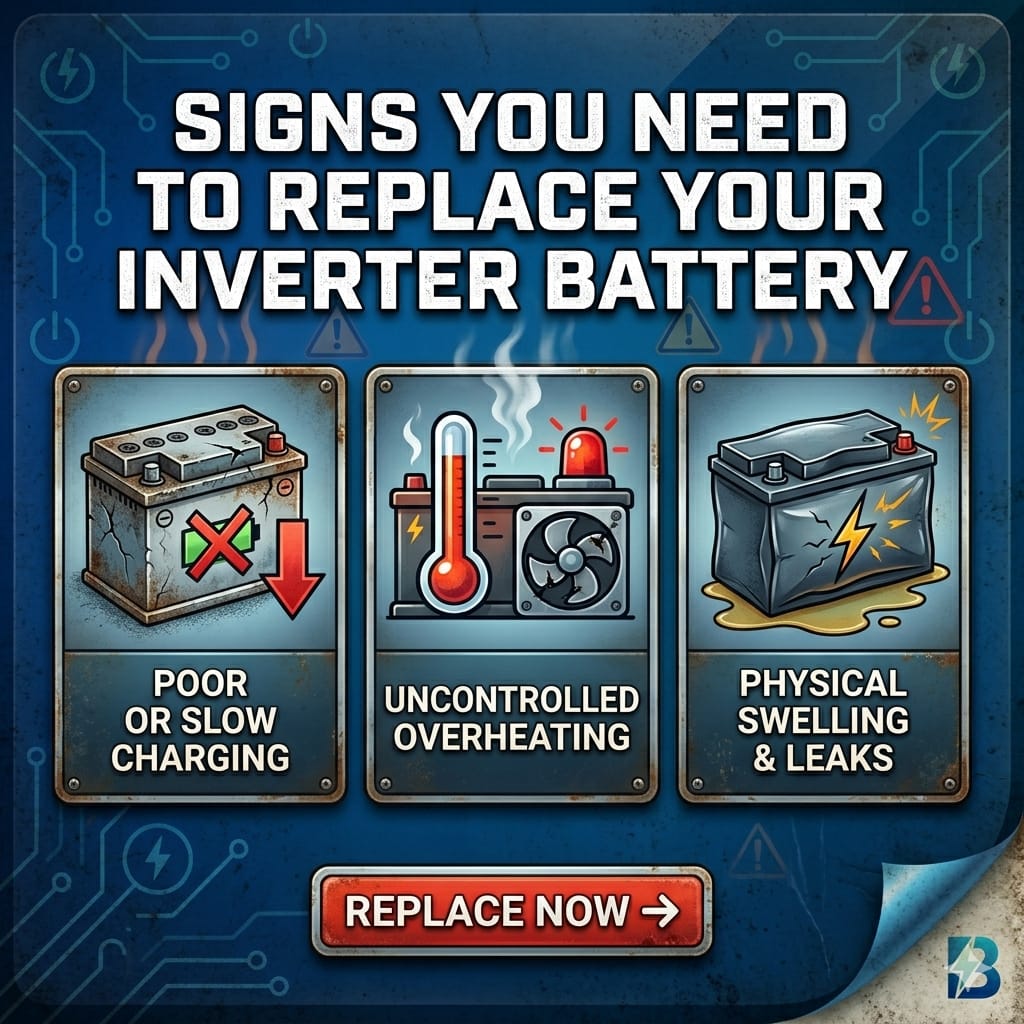
Battery Age
Older batteries typically store less energy.
As a result, runtime may shorten over time.
Temperature
Extreme temperatures can affect battery efficiency.
Therefore, batteries should be installed in well-ventilated environments.
Battery Maintenance
Proper maintenance improves performance and lifespan.
Furthermore, routine inspections help identify potential issues early.
Choosing the Right Battery for Your Inverter
Before purchasing a battery, consider:
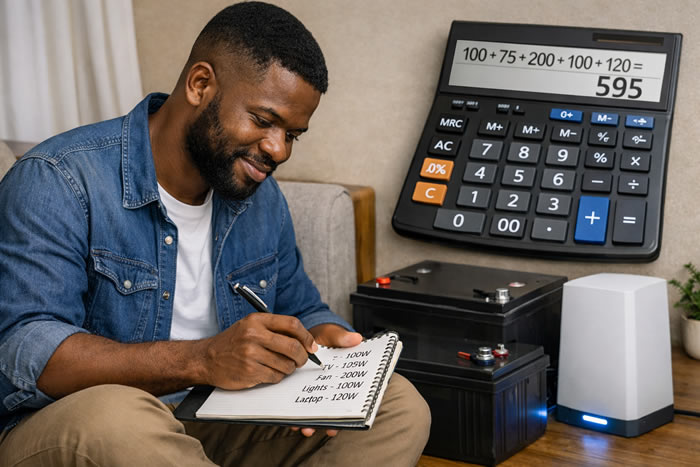
Daily Power Requirements
Calculate the appliances you plan to run during outages.
These may include:
Lights
Fans
Refrigerators
Televisions
Computers
Routers
Consequently, you can estimate the required battery capacity more accurately.
Desired Backup Duration
Some users require only a few hours of backup power.
Others, however, may need overnight operation.
Therefore, battery size should match your expectations.
Future Expansion
Energy demands often increase over time.
As a result, selecting a scalable system can provide greater flexibility.
Benefits of Properly Matched Battery and Inverter Systems
When batteries and inverters are correctly matched, users enjoy:
Longer backup duration
Better energy efficiency
Reduced maintenance costs
Improved appliance protection
Greater system reliability
Furthermore, balanced systems often deliver better long-term value.
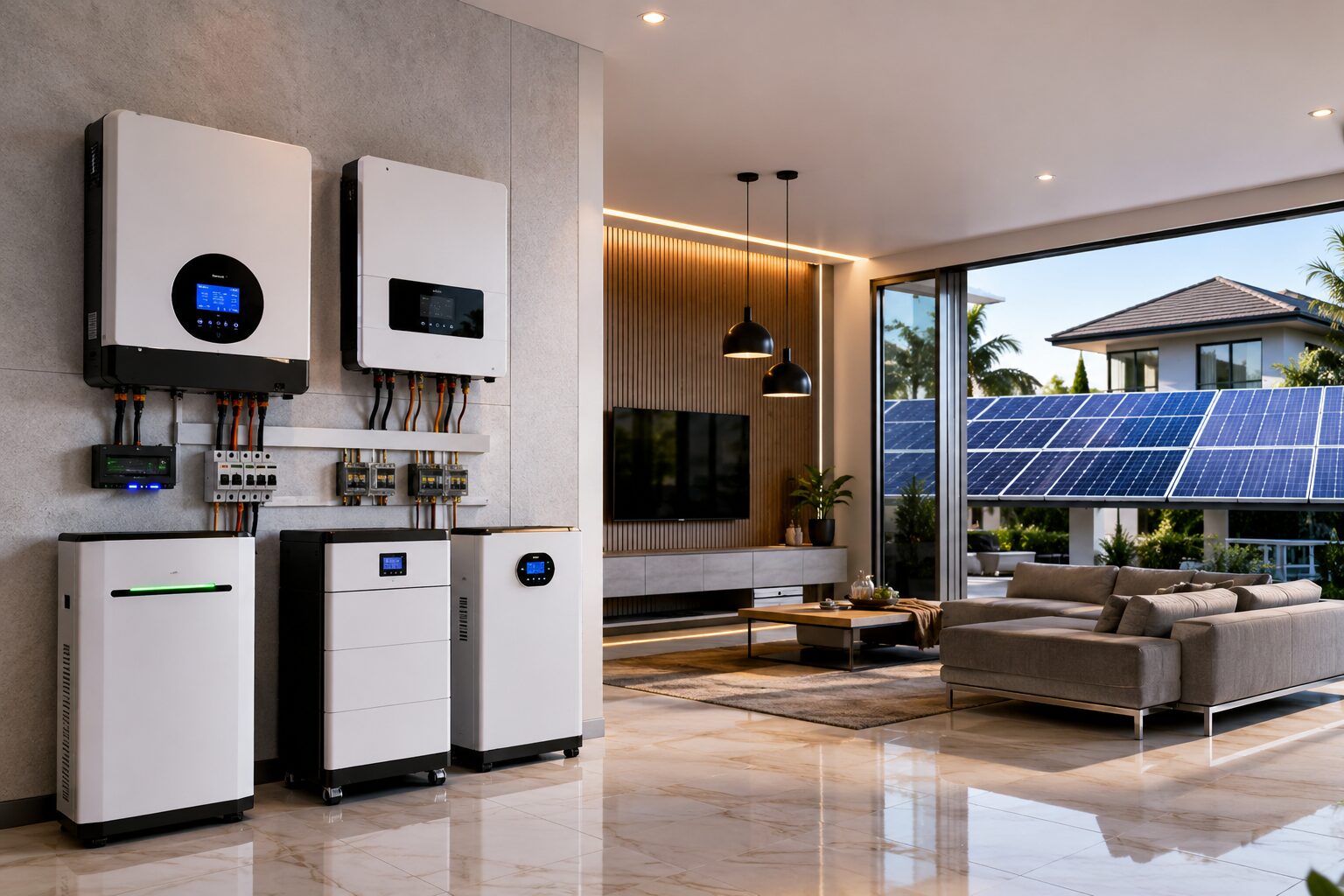
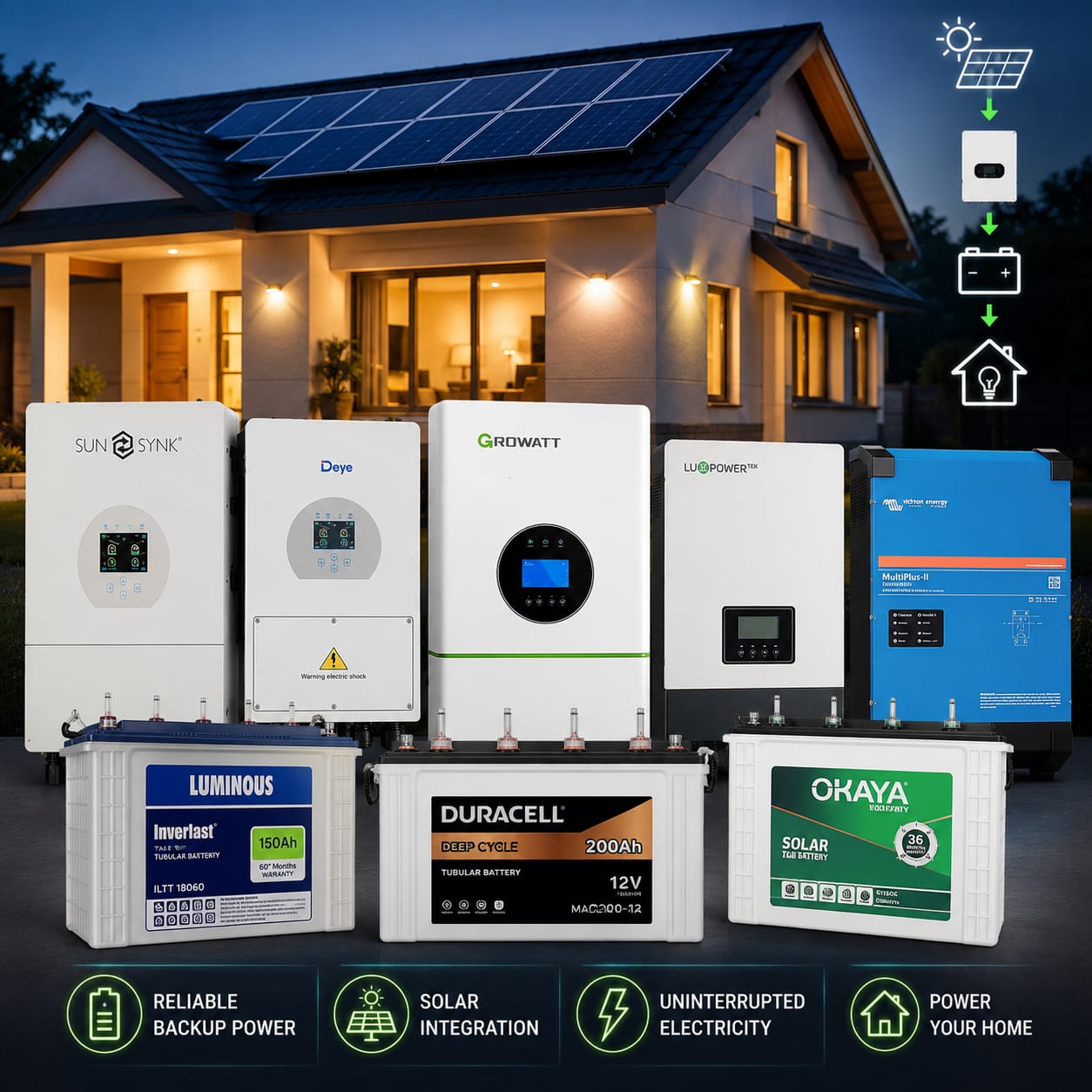
How Solar Systems Use Battery Capacity and Inverter Size
Solar-powered homes also rely on proper battery and inverter sizing.
Solar panels generate electricity during the day.
Meanwhile:
Batteries store excess energy.
Inverters convert stored DC power into usable AC electricity.
Consequently, a well-designed solar system can provide reliable electricity day and night.
Conclusion
Understanding Battery Amp Hours (Ah) & Inverter Capacity is crucial for anyone planning to install an inverter system. While battery amp hours determine how long backup power will last, inverter capacity determines how much power can be supplied at one time. Therefore, both factors must be carefully balanced to achieve the best results.









 Get it on
  Download on the