






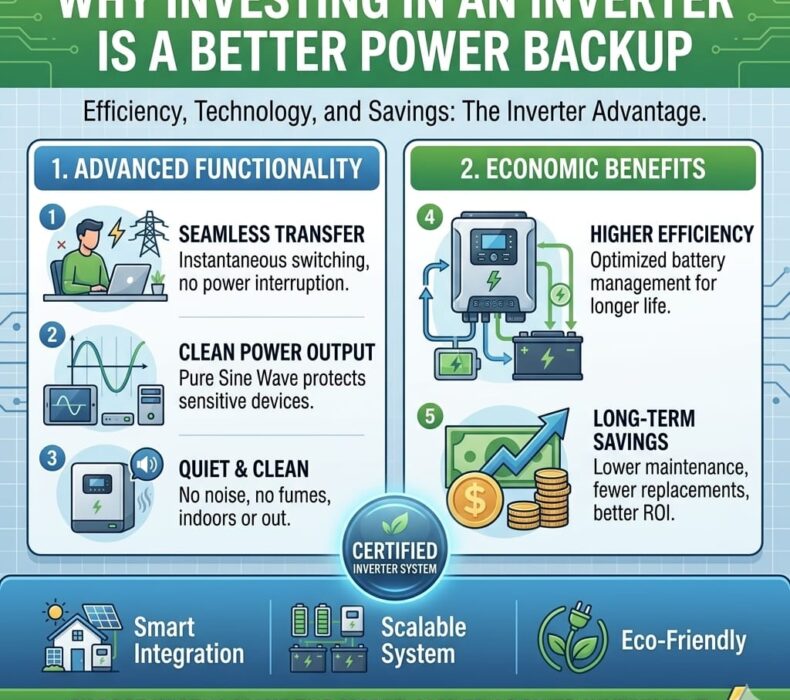
Understanding why investing in an inverter is a better power backup can help homeowners and business owners make smarter energy decisions. With frequent power outages and rising fuel costs, many people are searching for reliable alternatives to traditional generators. Fortunately, inverter systems provide a cost-effective, quiet, and efficient backup power solution.
What Is an Inverter Power Backup System?
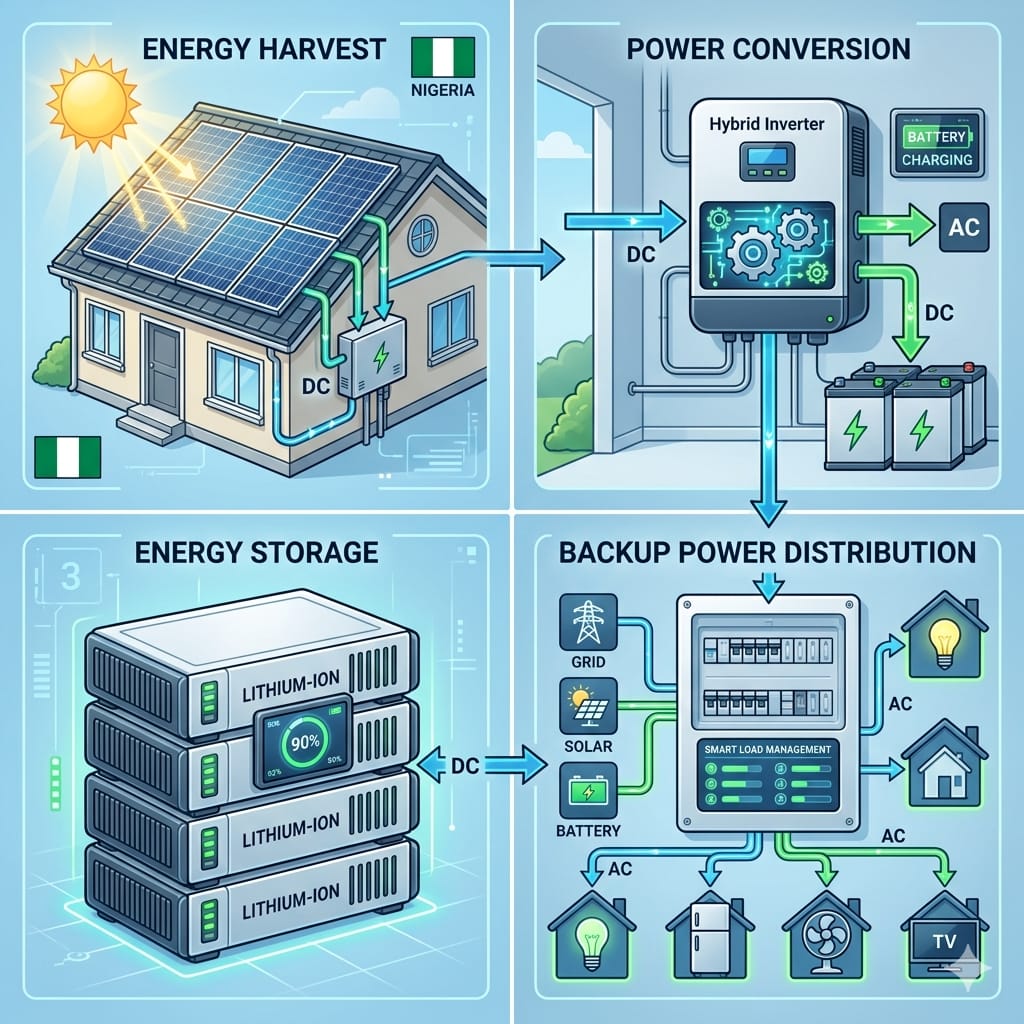
An inverter power backup system consists of an inverter and batteries that work together to supply electricity during power outages.
The system functions by:
- Storing energy in batteries.
- Converting DC power into AC power.
- Automatically supplying electricity when grid power fails.
As a result, essential appliances continue operating without interruption.
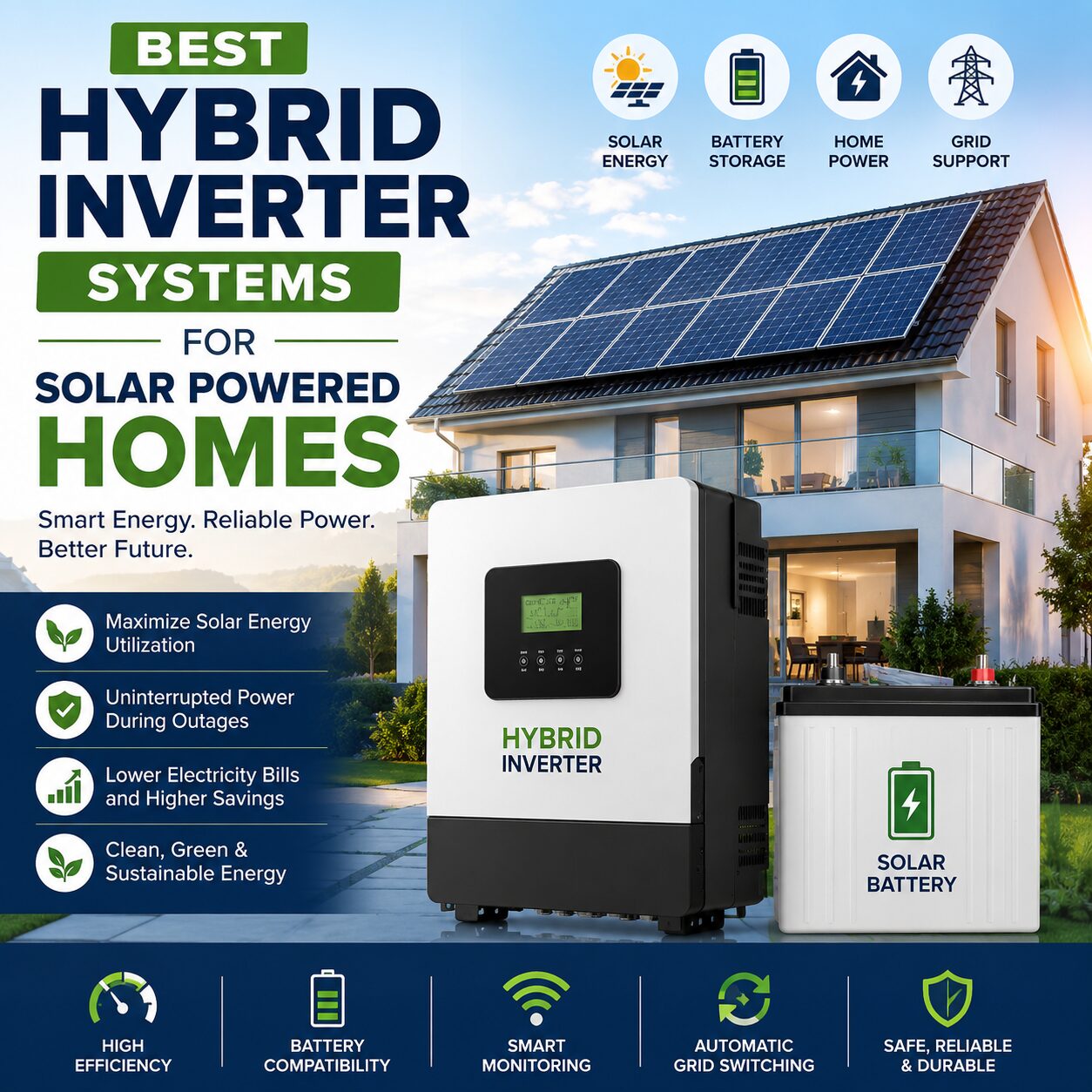
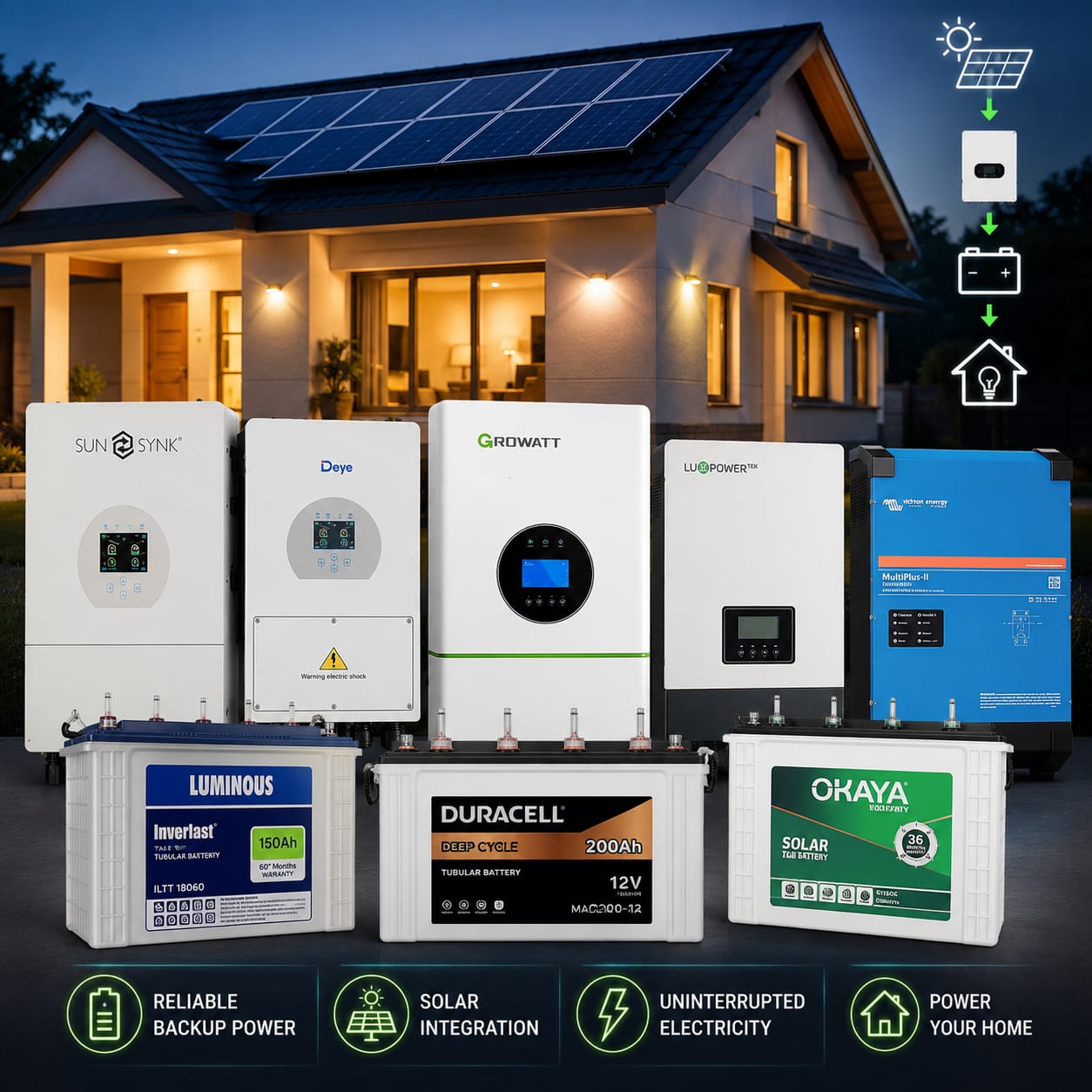
Furthermore, modern inverter systems can be integrated with solar panels for even greater energy independence.
Why Reliable Backup Power Is Important
Power outages can affect daily life in many ways.
For example:
- Business operations may stop.
- Internet connectivity may be lost.
- Food in refrigerators may spoil.
- Security systems may become inactive.
- Household comfort may decrease.
Therefore, having a dependable backup power source is essential.
Why Investing in an Inverter Is a Better Power Backup Than a Generator
Many people compare inverters and generators when choosing a backup power solution.
However, there are several reasons why investing in an inverter is a better power backup for many users.
Quiet Operation
One of the most noticeable advantages of an inverter is its silent operation.
Unlike generators that produce significant noise, inverter systems operate quietly.
Consequently, homeowners can enjoy uninterrupted power without disturbing family members or neighbors.
Lower Running Costs
Generators require fuel for operation.
As fuel prices continue to rise, operating costs can become substantial.
In contrast, inverter systems rely on stored battery power.
Therefore, ongoing expenses are significantly lower.
Environmentally Friendly
Generators produce exhaust emissions that contribute to environmental pollution.
However, inverter systems generate no direct emissions during operation.
Furthermore, when combined with solar panels, inverters become an even cleaner energy solution.
Automatic Power Switching
When a blackout occurs, inverter systems automatically switch to battery power.
As a result, appliances continue operating almost instantly.
In comparison, generators often require manual startup or a delay before power is restored.
Energy Efficiency Benefits
Another reason why investing in an inverter is a better power backup is energy efficiency.
Modern inverters are designed to:
- Minimize energy losses.
- Optimize battery charging.
- Improve power management.
Consequently, homeowners get more value from every unit of stored energy.
Moreover, efficient energy usage helps reduce electricity costs over time.
Protects Sensitive Appliances
Voltage fluctuations can damage electronic devices.
Fortunately, many modern inverters provide stable power output.
As a result, appliances such as:
- Televisions
- Computers
- Refrigerators
- Routers
- Security systems
receive cleaner and safer electricity.
Therefore, inverter systems can help extend the lifespan of valuable equipment.
Reduced Maintenance Requirements
Generators require routine maintenance tasks such as:
- Oil changes
- Fuel system cleaning
- Filter replacement
- Engine servicing
In contrast, inverter systems generally require less maintenance.
Typically, maintenance includes:
- Battery inspections
- Terminal cleaning
- Ventilation checks
Consequently, inverter ownership is often more convenient and cost-effective.
Better Indoor Comfort During Outages
Power interruptions can significantly affect comfort levels.
However, inverter systems can keep essential appliances running, including:
- Fans
- Lighting
- Televisions
- Internet routers
- Charging devices
As a result, daily activities can continue with minimal disruption.
Furthermore, families remain connected and comfortable even during extended outages.
Long-Term Financial Savings
Although purchasing an inverter requires an initial investment, the long-term savings can be substantial.
Benefits include:
- Reduced fuel expenses
- Lower maintenance costs
- Fewer appliance repairs
- Improved energy efficiency
Consequently, many homeowners recover their investment over time through reduced operating expenses.
Solar Compatibility
One of the biggest advantages of modern inverter systems is solar integration.
By adding solar panels, homeowners can:
- Generate renewable energy.
- Reduce electricity bills.
- Charge batteries during the day.
- Increase energy independence.
Therefore, inverter systems provide a flexible path toward sustainable energy solutions.
Ideal Applications for Inverter Systems
Inverter systems are suitable for various environments.
Homes
They provide backup power for lighting, entertainment systems, and household appliances.
Small Businesses
They help maintain productivity during power outages.
Hair Salons and Beauty Studios
Essential equipment can continue operating without interruption.
Retail Shops
Lighting, payment systems, and security equipment remain functional.
Consequently, businesses can continue serving customers even when grid power fails.
Common Myths About Inverter Systems
Myth 1: Inverters Are Too Expensive
While the initial purchase price may seem significant, long-term savings often outweigh upfront costs.
Myth 2: Inverters Cannot Handle Multiple Appliances
Modern inverter systems can support numerous appliances when properly sized.
Myth 3: Generators Are Always More Powerful
Although generators can support heavy loads, many inverter systems can efficiently handle most household and business requirements.
Therefore, system selection should be based on actual energy needs rather than assumptions.
Advantages of Investing in an Inverter
Here is a summary of the major benefits:
- Quiet operation
- Lower running costs
- Automatic power switching
- Better energy efficiency
- Appliance protection
- Reduced maintenance
- Solar compatibility
- Environmentally friendly operation
- Long-term financial savings
Therefore, inverter systems continue to gain popularity among homeowners and businesses alike.
Conclusion
There are many compelling reasons why investing in an inverter is a better power backup solution. From lower operating costs and quiet performance to appliance protection and solar compatibility, inverter systems offer numerous advantages over traditional backup options.


 Get it on
  Download on the