






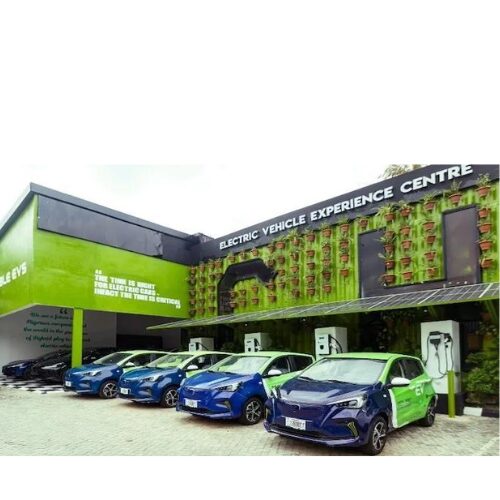
The Rise of Electric Vehicles in Africa


Introduction
The automotive industry is undergoing one of the biggest transformations in its history. Across the globe, electric vehicles (EVs) are becoming increasingly popular as consumers seek cleaner, more efficient transportation options.
Africa is no exception.
Although the continent has traditionally relied on petrol and diesel-powered vehicles, interest in Electric Vehicles in Africa is growing rapidly. Governments, businesses, and consumers are beginning to recognize the benefits of electric mobility, including lower operating costs, reduced emissions, and improved energy efficiency.
Furthermore, advancements in battery technology and charging infrastructure are making EVs more practical than ever before.
Why Electric Vehicles Are Gaining Popularity in Africa
Several factors are driving the growth of EV adoption in Africa.
First, fuel prices continue to fluctuate across many African countries. As a result, consumers are exploring alternatives that offer long-term savings.
Second, environmental awareness is increasing. Many governments and organizations are promoting cleaner transportation solutions to reduce air pollution and carbon emissions.
Additionally, improvements in battery technology have increased vehicle range while reducing charging times. Consequently, electric vehicles are becoming more attractive to everyday drivers.
The African EV Market Is Expanding


The African electric vehicle market is still developing; however, growth is accelerating.
Countries leading the transition include:
- South Africa
- Kenya
- Rwanda
- Egypt
- Nigeria
In many of these markets, both private companies and government agencies are investing heavily in electric mobility solutions.
Moreover, ride-hailing services and logistics companies are increasingly testing EV fleets to reduce operational costs.
Electric Vehicles in Nigeria
Nigeria represents one of Africa’s largest automotive markets.
As urban populations continue to grow, transportation challenges such as traffic congestion, fuel costs, and environmental concerns are becoming more significant.
Consequently, interest in electric cars in Nigeria is increasing.
Several companies have already introduced electric vehicles into the Nigerian market. These include global manufacturers and emerging local mobility startups.
Potential benefits for Nigerian drivers include:
✔ Lower fuel expenses
✔ Reduced maintenance costs
✔ Quieter driving experience
✔ Zero tailpipe emissions
✔ Improved energy efficiency
Major EV Brands Expanding Across Africa


Several international manufacturers are helping drive the growth of electric mobility Africa.
Tesla
Tesla remains one of the most recognized EV brands globally. The company has influenced consumer perception of electric vehicles through innovation and advanced battery technology.
BYD
BYD has become one of the world’s fastest-growing EV manufacturers. The company’s vehicles are increasingly being adopted across emerging markets.
Nissan
Nissan’s electric models continue to attract buyers seeking affordable EV options.
Hyundai Motor Company
Hyundai has expanded its electric vehicle offerings with several practical and efficient models.
Challenges Facing EV Adoption in Africa
Despite the opportunities, several challenges remain.
Limited Charging Infrastructure


One of the biggest obstacles to EV charging infrastructure Africa is availability.
Many countries currently have limited public charging stations, making long-distance travel difficult.
Power Supply Concerns
Reliable electricity remains a challenge in some regions.
Therefore, expanding renewable energy and grid capacity will be crucial for supporting widespread EV adoption.
High Purchase Costs
Although operating costs are lower, many electric vehicles still have higher upfront purchase prices compared to traditional vehicles.
However, these costs are expected to decrease as production scales globally.
Opportunities for Growth
Despite these challenges, Africa has enormous potential.
Renewable Energy Integration
Many African countries possess abundant solar resources.
As a result, solar-powered charging stations could play a significant role in future transportation systems.
Fleet Electrification
Businesses operating:
- Delivery services
- Logistics companies
- Ride-hailing fleets
can significantly reduce fuel expenses by transitioning to electric vehicles.
Government Support
Furthermore, government incentives could accelerate EV adoption by reducing import duties and supporting charging infrastructure development.
How Electric Vehicles Affect Car Care
Interestingly, EVs still require professional maintenance and detailing.
Owners should continue to invest in:
- Exterior washing
- Paint protection
- Ceramic coatings
- Interior detailing
- Tire maintenance
- Glass care
In fact, many luxury EV owners prioritize premium detailing services to protect their investment.
Essential Car Care Products for EV Owners
Recommended products include:
✔ Car shampoos
✔ Ceramic coatings
✔ Tire shine products
✔ Dashboard cleaners
✔ Glass cleaners
✔ Microfiber towels
What the Future Holds
The future of Electric Vehicles in Africa looks promising.
As charging infrastructure expands and vehicle prices become more affordable, adoption is expected to increase significantly.
Moreover, growing investment from governments, manufacturers, and technology companies will continue to support the transition toward cleaner transportation.
Ultimately, electric mobility has the potential to reshape how people move across African cities while contributing to economic growth and environmental sustainability.
Related Posts:



- Tags:
- Electric Vehicles


 Get it on
  Download on the