






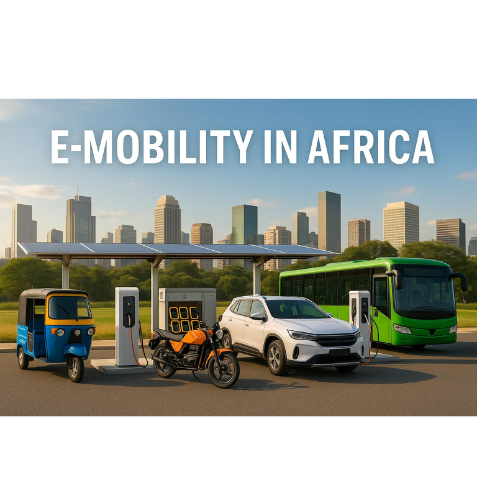
Electric Vehicles in Nigeria: Are EVs Ready for the Nigerian Market?
Introduction
The conversation around Electric Vehicles in Nigeria is growing rapidly as consumers, businesses, and policymakers explore cleaner and more sustainable transportation options. Across Europe, North America, and parts of Asia, electric vehicles (EVs) have become increasingly popular. However, many Nigerians still wonder whether EVs are practical for local roads, traffic conditions, and infrastructure.
With rising fuel prices and increasing environmental awareness, interest in Electric Vehicles in Nigeria continues to expand. Nevertheless, challenges such as charging infrastructure, electricity reliability, and vehicle affordability remain important considerations.
So, are EVs truly ready for the Nigerian market? Let’s examine the opportunities and obstacles shaping the future of electric mobility in Nigeria.
What Are Electric Vehicles?
Electric Vehicles (EVs) are cars powered primarily by electric motors rather than traditional internal combustion engines.
Unlike petrol or diesel vehicles, EVs use rechargeable battery packs to store energy.
Common types include:
- Fully Electric Vehicles (BEVs)
- Plug-in Hybrid Electric Vehicles (PHEVs)
- Hybrid Vehicles (HEVs)
As technology improves, these vehicles are becoming more efficient and accessible worldwide.
Images: Electric Vehicles in Nigeria


Why Interest in Electric Vehicles in Nigeria Is Growing
Several factors are driving increased interest in EV adoption.
Rising Fuel Costs
Fuel prices continue to impact transportation costs.
Consequently, many drivers are exploring alternatives that offer lower operating expenses.
Environmental Concerns
Electric vehicles produce zero tailpipe emissions.
Therefore, they contribute to cleaner air and reduced environmental impact.
Lower Maintenance Costs
Compared to traditional vehicles, EVs have fewer moving parts.
Benefits include:
✔ No engine oil changes
✔ Reduced brake wear
✔ Fewer mechanical repairs
✔ Lower servicing costs
Popular Electric Vehicle Brands Entering Africa
Several global manufacturers are expanding their electric vehicle offerings.
Tesla
Tesla remains one of the most recognized EV brands globally.
Popular models include:
- Tesla Model 3
- Tesla Model Y
- Tesla Model S
BYD
BYD has emerged as a major player in the global EV market.
Hyundai Motor Company
Hyundai’s electric lineup includes:
- Kona Electric
- Ioniq Series
Nissan Motor Corporation
The Nissan Leaf remains one of the world’s most popular electric cars.
Popular Electric Vehicles


Benefits of Electric Vehicles in Nigeria
Lower Running Costs
Electricity is generally cheaper than petrol on a per-kilometer basis.
As a result, EV owners can reduce transportation expenses over time.
Reduced Maintenance
Electric motors contain significantly fewer components than conventional engines.
This leads to:
✔ Fewer repairs
✔ Lower maintenance costs
✔ Improved reliability
Quiet Driving Experience
EVs operate with minimal noise, creating a smoother driving experience.
Challenges Facing EV Adoption in Nigeria
While the future appears promising, several obstacles remain.
Limited Charging Infrastructure
One of the biggest concerns is the availability of charging stations.
Unlike petrol stations, EV charging networks are still developing.
Electricity Reliability
Power supply challenges remain a major issue.
Consequently, many potential buyers worry about charging convenience.
Higher Purchase Prices
Electric vehicles often cost more upfront than comparable petrol-powered cars.
Although operating costs may be lower, initial affordability remains a concern.
EV Charging Challenges


Are Nigerian Roads Suitable for Electric Vehicles?
The answer is largely yes.
Modern EVs are designed to handle diverse road conditions.
However, buyers should consider:
- Ground clearance
- Battery protection
- Service availability
- Charging access
Many electric SUVs are particularly well-suited for urban and suburban environments.
The Future of Electric Mobility in Nigeria
The future of Electric Vehicles in Nigeria appears increasingly promising.
Several developments support this outlook:
✔ Growing environmental awareness
✔ Rising fuel costs
✔ Private sector investment
✔ Government interest in sustainable transportation
✔ Advancements in battery technology
Furthermore, global EV production continues to increase, potentially making vehicles more affordable.
What Businesses Should Know About EV Adoption
Businesses operating fleets may benefit from electric vehicles.
Potential advantages include:
Delivery Companies
Lower fuel expenses can improve profitability.
Ride-Hailing Services
Reduced operating costs may increase driver earnings.
Corporate Fleets
EV adoption can support sustainability goals.
Consequently, fleet electrification is becoming an important consideration for forward-thinking organizations.
Maintaining Electric Vehicles
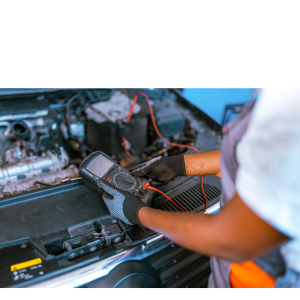
Although EVs require less maintenance than conventional vehicles, proper care remains important.
Recommended Maintenance Practices
✔ Battery health monitoring
✔ Tire inspections
✔ Brake system checks
✔ Interior cleaning
✔ Paint protection
Maintaining vehicle appearance and value remains essential regardless of powertrain type.
EV Maintenance and Care

Car Care Products for Electric Vehicles
EV owners should still invest in quality maintenance products.
Recommended items include:
- Car wash shampoo
- Ceramic spray protection
- Tire shine
- Glass cleaner
- Dashboard protectant
- Interior cleaners
These products help preserve both appearance and resale value.
Final Verdict: Are Electric Vehicles Ready for Nigeria?
The growth of Electric Vehicles in Nigeria is no longer a question of if—but when. While challenges related to charging infrastructure and electricity reliability remain, the benefits of EV ownership are becoming increasingly attractive.
Moreover, rising fuel costs, advancements in battery technology, and growing consumer awareness are accelerating interest in electric mobility. Although widespread adoption may still take time, EVs are gradually becoming a realistic option for Nigerian drivers and businesses.
For early adopters, urban commuters, and environmentally conscious consumers, electric vehicles already offer compelling advantages. As infrastructure improves, EVs are likely to play a much larger role in Nigeria’s automotive future.
Related Posts:


- Tags:
- Electric Vehicles


 Get it on
  Download on the