






Introduction
The cleaning industry in Africa is no longer what it used to be.
In the past, cleaning relied heavily on manual labor. Tools were basic, and processes were often unstructured. Today, things are changing fast.
Technology is transforming how cleaning businesses operate, deliver services, and grow.
From smart machines to digital platforms, the industry is becoming more efficient, more professional, and more competitive.
So, what does this mean for businesses, entrepreneurs, and customers?
In this guide, we explore how technology in the cleaning business in Africa is shaping the future—and why it matters.
🌍 1. The Shift from Manual to Mechanized Cleaning
One of the biggest changes is the move away from manual cleaning.
Before:
- Brooms and mops
- Labor-intensive processes
- Slow results
Now:
- Vacuum cleaners
- Floor scrubbers
- Steam cleaning machines
👉 Machines are replacing manual effort.
Benefits:
- Faster cleaning
- Better results
- Reduced labor cost
This shift is especially visible in cities like Lagos, where businesses demand higher standards.
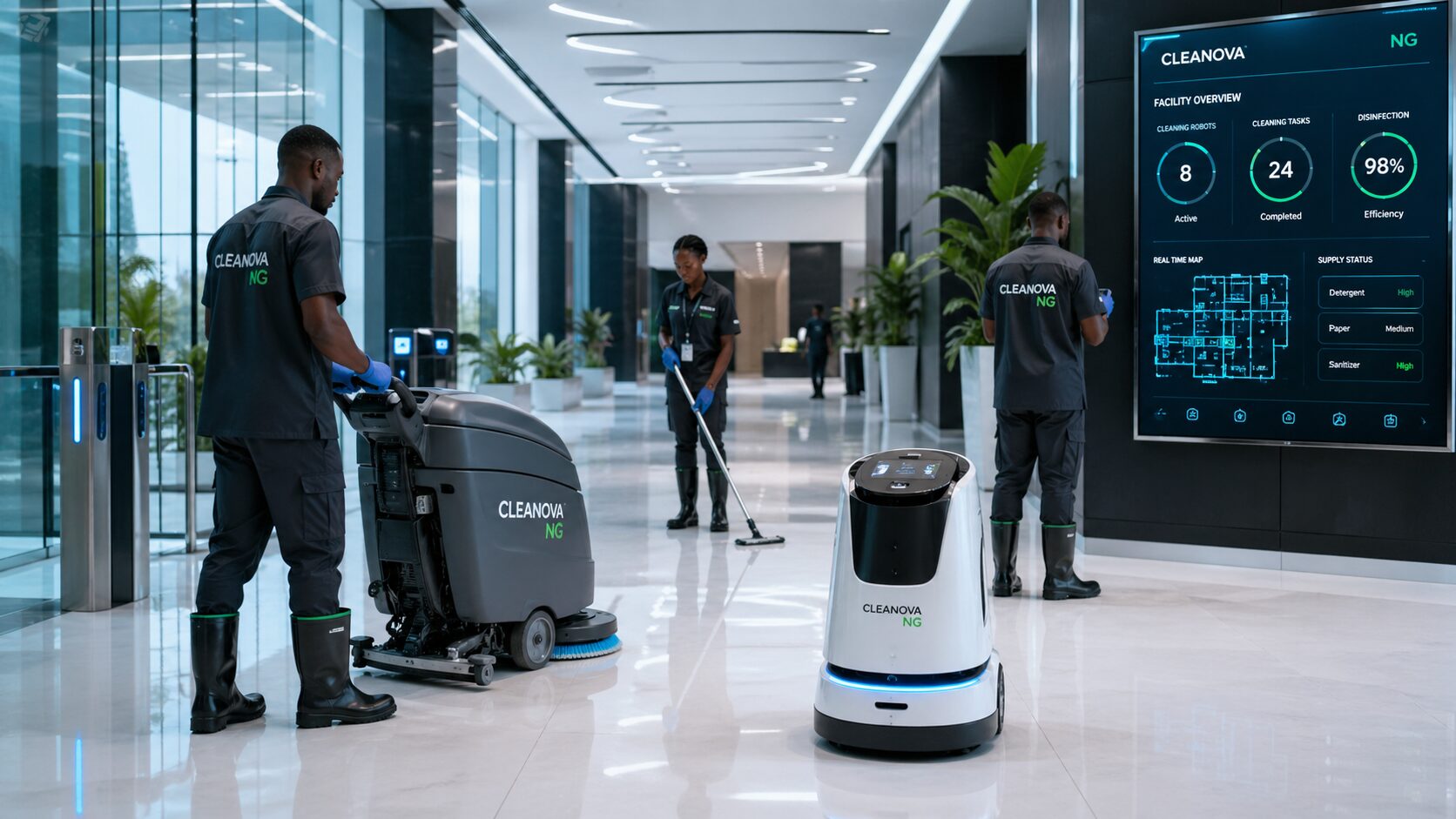
🤖 2. Rise of Automation and Smart Machines
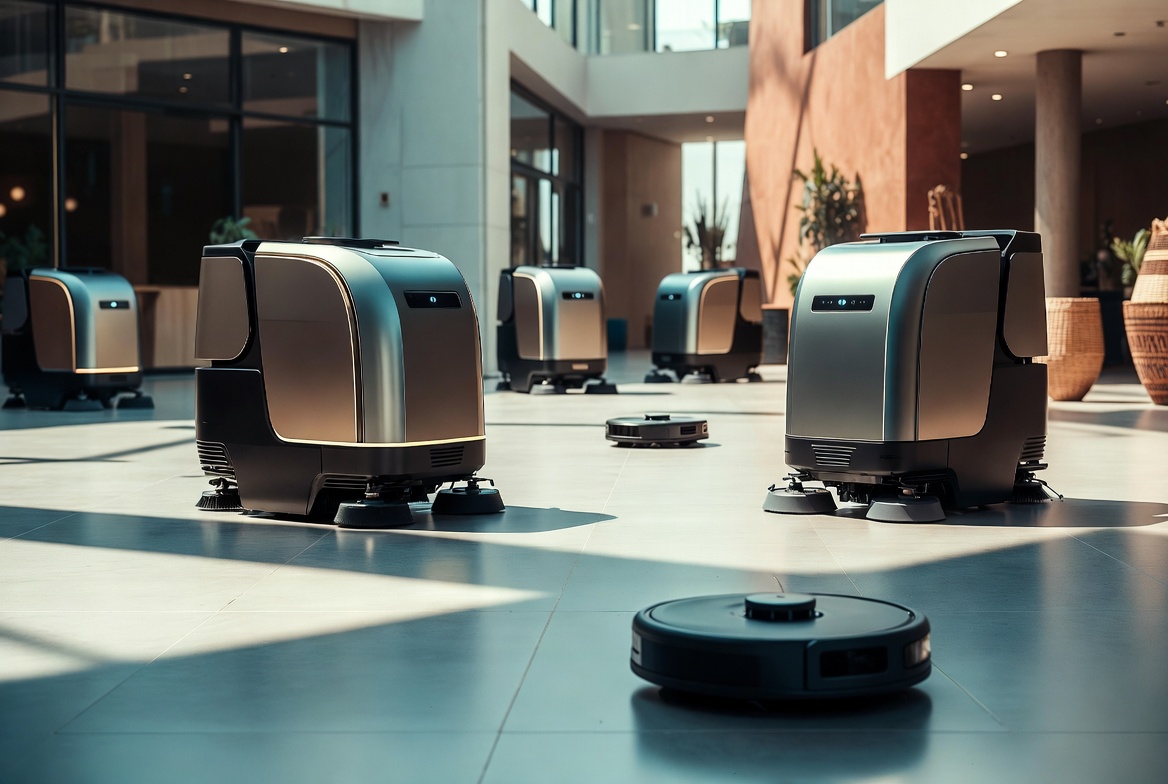
Automation is no longer a future concept—it is already here.
Examples include:
- Robotic vacuum cleaners
- Automatic floor scrubbers
- Sensor-based cleaning systems
These machines can:
- Clean with minimal supervision
- Cover large areas
- Maintain consistency
👉 Automation improves efficiency and reduces human error.
📱 3. Digital Booking and On-Demand Services
Technology is also changing how customers access cleaning services.
Today, many companies offer:
- Online booking systems
- Mobile apps
- Instant service scheduling
This is similar to how ride-hailing services work.
👉 Customers now expect convenience and speed.
🧠 4. Data-Driven Cleaning Operations
Modern cleaning companies are using data to improve performance.
They track:
- Cleaning schedules
- Staff productivity
- Equipment usage
- Customer feedback
👉 Data helps businesses make better decisions.
⚙️ 5. Advanced Cleaning Equipment
Technology has improved cleaning equipment significantly.
Modern machines now offer:
- Stronger suction
- Energy efficiency
- Multi-function capabilities
For example:
- Wet and dry vacuum cleaners
- Industrial pressure washers
- High-performance scrubbers
👉 These tools deliver better results with less effort.
🌱 6. Eco-Friendly Cleaning Technology
Sustainability is becoming important across Africa.
Technology is enabling:
- Low-water cleaning systems
- Non-toxic chemicals
- Energy-efficient machines
👉 Businesses are now balancing performance with environmental responsibility.
🏢 7. Professionalization of the Cleaning Industry
Technology is helping cleaning businesses become more organized.
Improvements include:
- Standardized processes
- Staff training programs
- Quality control systems
👉 Cleaning is now seen as a professional service, not just manual work.
Companies like Cleaneat Integrated Services are leading this shift by adopting structured systems and modern tools.
📊 8. Improved Customer Experience
Technology is improving how customers interact with cleaning services.
Customers now enjoy:
- Transparent pricing
- Real-time updates
- Better communication
👉 This builds trust and satisfaction.
🧽 9. Growth of Cleaning Equipment Suppliers
As demand for modern tools increases, suppliers are also evolving.
Platforms like Neatstore provide access to:
- Advanced equipment
- Affordable tools
- Professional supplies
👉 This makes it easier for businesses to adopt new technology.
🧠 10. Training and Skill Development
Technology requires skilled workers.
Cleaning staff must now learn:
- Equipment handling
- Safety procedures
- Digital tools
👉 Skilled workers are becoming more valuable.
Companies like NeatSpace Cleaning Company invest in training to maintain high standards.
🏨 11. Expansion Across Industries
Technology is driving demand across multiple sectors:
- Healthcare
- Hospitality
- Real estate
- Retail
Each sector requires specialized cleaning solutions.
👉 This creates new business opportunities.
🔐 12. Improved Safety and Compliance
Technology is helping businesses meet safety standards.
Examples:
- Proper chemical usage tracking
- Safer equipment design
- Compliance monitoring systems
👉 This reduces risks and improves workplace safety.
💼 13. Opportunities for Entrepreneurs
Technology is lowering the barrier to entry.
New entrepreneurs can:
- Start cleaning businesses
- Access modern tools
- Reach customers online
👉 The industry is becoming more accessible.
⚠️ 14. Challenges to Consider
Despite the benefits, there are challenges:
- High cost of equipment
- Limited access in rural areas
- Need for training
- Maintenance requirements
👉 Businesses must plan carefully.
🔮 15. The Future of Cleaning in Africa
Looking ahead, the industry will become:
- More automated
- More digital
- More competitive
- More professional
👉 Businesses that adopt technology early will lead the market.
🏢 Real-World Insight
Let’s look at how leading companies are adapting.
Cleaneat Integrated Services
- Uses modern equipment
- Focuses on structured processes
- Embraces innovation
NeatSpace Cleaning Company
- Trains staff on new tools
- Uses the right equipment for each job
- Delivers consistent results
👉 These companies show how technology drives success.
📈 Key Takeaways
Technology is transforming the cleaning business in Africa by:
- Improving efficiency
- Enhancing service quality
- Creating new opportunities
- Raising industry standards
👉 The change is happening now, not in the future.
🧾 Conclusion
The cleaning industry in Africa is entering a new era.
Technology is at the center of this transformation.
Businesses that adapt will:
- Grow faster
- Deliver better services
- Stay competitive
Those that do not may struggle to keep up.
👉 The choice is simple: embrace technology or fall behind.
Related Posts:


- Tags:
- AI in cleaning services
- cleaning automation
- cleaning industry Africa
- cleaning innovation Africa
- cleaning technology Africa
- cleaning technology Nigeria
- commercial cleaning technology
- digital cleaning services
- future of cleaning industry
- robotic cleaning machines
- smart cleaning equipment
- technology changing cleaning Africa


 Get it on
  Download on the