



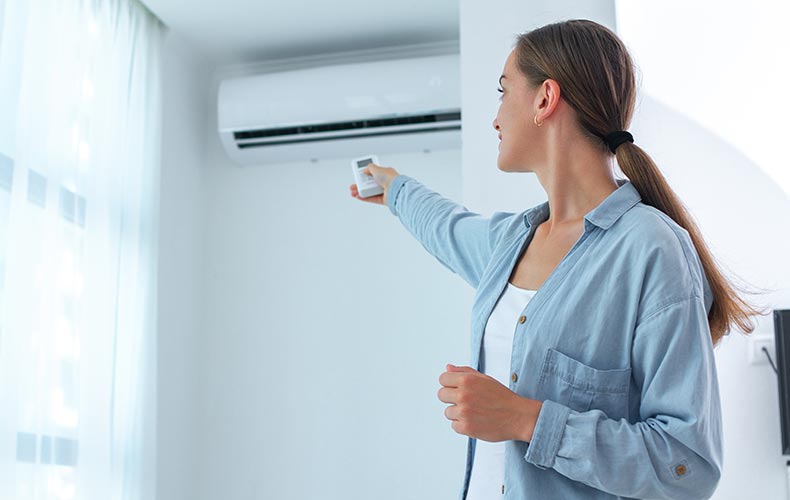



Introduction
Hygiene standards across Africa are rising fast.
Businesses, hospitals, offices, and public spaces now demand cleaner environments than ever before. However, traditional cleaning methods are struggling to keep up.
Manual cleaning alone is:
- Slow
- Inconsistent
- Labor-intensive
As a result, many organizations are turning to smart cleaning machines.
These machines are not just tools. They represent a major shift in how cleaning is done.
So, why are smart cleaning machines becoming so important?
In this guide, we explore why smart cleaning machines in Africa are shaping the future of hygiene—and why businesses must pay attention.
🧠 What Are Smart Cleaning Machines?
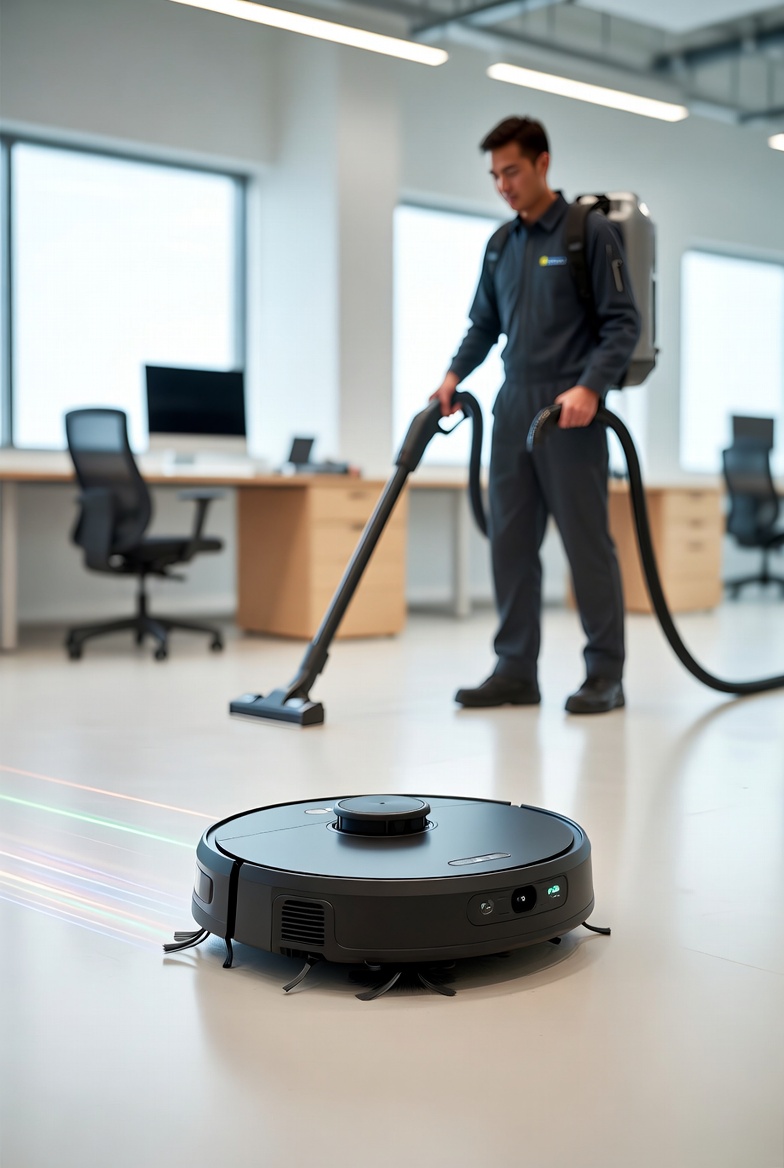
Smart cleaning machines are advanced tools that use technology to improve cleaning.
Examples include:
- Robotic vacuum cleaners
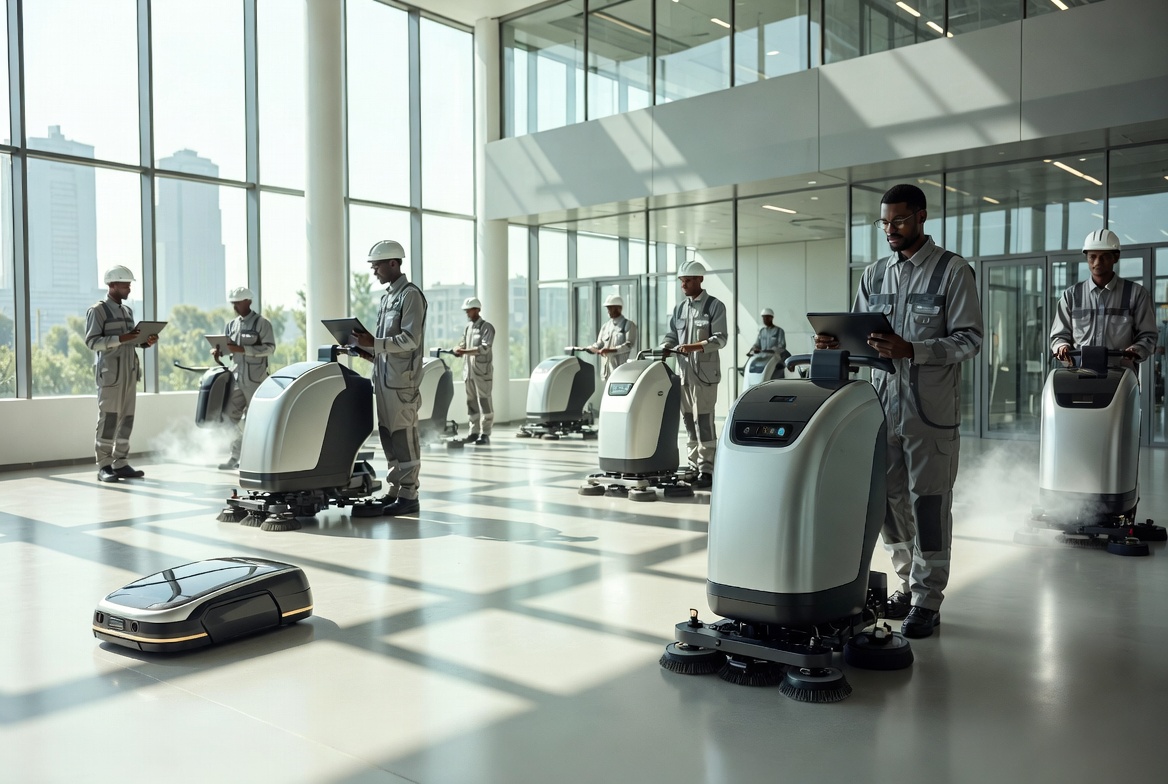
- Automated floor scrubbers
- Sensor-based cleaning systems
- IoT-enabled cleaning equipment
These machines can:
- Operate with minimal supervision
- Adjust to different environments
- Deliver consistent results
👉 They combine automation, efficiency, and intelligence.
🌍 1. Rising Demand for Better Hygiene
Hygiene is now a top priority.
Across Africa, people expect:
- Cleaner workplaces
- Safer public spaces
- Higher sanitation standards
This demand is driven by:
- Health awareness
- Urbanization
- Business competition
👉 Smart machines help meet these expectations.
⚙️ 2. Increased Efficiency and Speed
Smart cleaning machines work faster than manual methods.
Benefits:
- Cover large areas quickly
- Reduce cleaning time
- Improve productivity
For example, an automated scrubber can clean a large floor in a fraction of the time it takes manually.
👉 This saves both time and effort.
💰 3. Long-Term Cost Savings
Although smart machines require investment, they save money over time.
How?
- Reduce labor costs
- Minimize cleaning time
- Lower maintenance expenses
👉 Businesses spend less in the long run.
🤖 4. Automation Reduces Human Error
Manual cleaning often leads to inconsistencies.
Smart machines provide:
- Uniform cleaning
- Consistent results
- Reduced mistakes
👉 This improves overall quality.
🏢 5. Ideal for Large Commercial Spaces
Smart machines are perfect for:
- Shopping malls
- Airports
- Hospitals
- Office complexes
These spaces require frequent and efficient cleaning.
👉 Automation makes it possible.
🌱 6. Eco-Friendly Cleaning Solutions
Sustainability is becoming important in Africa.
Smart machines help by:
- Using less water
- Reducing chemical waste
- Improving energy efficiency
👉 This supports environmental goals.
📱 7. Integration with Digital Systems
Modern cleaning machines can connect to digital platforms.
Features include:
- Remote monitoring
- Performance tracking
- Maintenance alerts
👉 This improves management and control.
🧠 8. Improved Safety and Hygiene Standards
Smart machines reduce human contact with dirt and chemicals.
Benefits:
- Safer working conditions
- Better hygiene
- Reduced contamination risk
👉 This is especially important in healthcare environments.
🏢 9. Professional Image and Branding
Businesses that use smart machines stand out.
They appear:
- Modern
- Professional
- Reliable
👉 This improves customer perception.
📊 10. Data-Driven Cleaning Operations
Smart machines collect useful data.
Businesses can track:
- Cleaning frequency
- Machine performance
- Efficiency levels
👉 Data helps improve operations.
🧽 11. Growth of Cleaning Equipment Suppliers
As demand grows, suppliers are expanding.
Platforms like Neatstore provide access to:
- Smart cleaning machines
- Affordable equipment
- Professional tools
👉 This makes adoption easier.
🧠 12. Workforce Transformation
Smart machines are changing the workforce.
Workers now need:
- Technical skills
- Equipment knowledge
- Digital literacy
👉 Training is becoming essential.
Companies like NeatSpace Cleaning Company are already adapting by training staff on modern tools.
🏢 Real-World Insight
Leading companies are already using smart machines.
Cleaneat Integrated Services
- Uses advanced equipment
- Focuses on efficiency
- Maintains high standards
NeatSpace Cleaning Company
- Combines technology with skilled staff
- Uses the right machines for each task
👉 These companies show what the future looks like.
📈 13. Opportunities for Businesses
Smart cleaning machines create new opportunities.
Businesses can:
- Improve service quality
- Expand operations
- Reduce costs
- Attract more clients
👉 Technology gives a competitive edge.
⚠️ 14. Challenges to Consider
Despite the benefits, there are challenges:
- High initial cost
- Need for training
- Maintenance requirements
- Limited awareness
👉 Businesses must plan carefully.
🔮 15. The Future Outlook
The future of cleaning in Africa is clear.
It will be:
- More automated
- More efficient
- More data-driven
- More professional
👉 Smart machines will play a central role.
🧾 Conclusion
Smart cleaning machines are not just a trend—they are the future.
They solve many problems faced by traditional cleaning methods.
By adopting these machines, businesses can:
- Improve hygiene
- Save money
- Increase efficiency
- Stay competitive
👉 The message is simple: embrace smart cleaning or fall behind.
Related Posts:
- Tags:
- automated cleaning machines Nigeria
- cleaning efficiency
- cleaning innovation Africa
- cleaning technology Africa
- commercial cleaning machines
- future of cleaning industry
- hygiene technology
- industrial cleaning equipment
- professional cleaning equipment
- robotic cleaning machines
- smart cleaning equipment
- smart cleaning machines Africa


 Get it on
  Download on the