






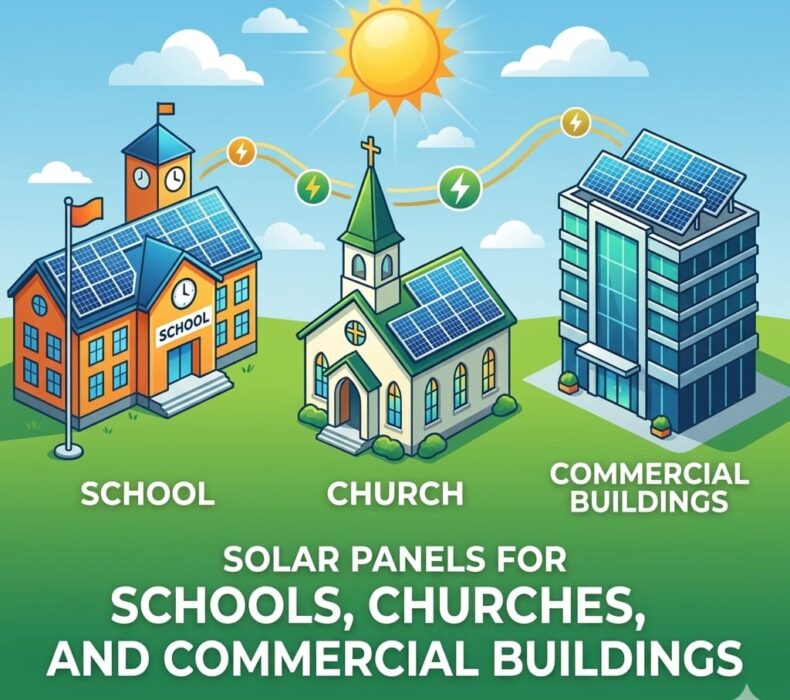
Reliable electricity is essential for educational institutions, places of worship, and business facilities. As energy costs continue to rise, many organizations are seeking affordable alternatives to traditional power sources. Solar panels for schools churches and commercial buildings have become a practical solution because they provide dependable electricity, reduce operating expenses, and support long-term sustainability goals. Furthermore, solar energy helps organizations reduce their dependence on the national grid and fuel-powered generators.
Why Organizations Are Turning to Solar Energy
Many schools, churches, and commercial buildings face challenges related to unreliable electricity and increasing utility expenses.
As a result, organizations are investing in renewable energy systems to improve power reliability and reduce operational costs.
Solar energy offers several advantages, including:
- Lower electricity bills
- Reduced generator usage
- Reliable backup power
- Environmental sustainability
- Long-term financial savings
Therefore, solar installations are becoming increasingly common across various sectors.
Benefits of Solar Panels for Schools
Educational institutions depend on electricity for learning activities, administration, and security.
Lower Operating Costs
Schools often have significant energy expenses due to classrooms, offices, laboratories, and computer facilities.
Solar panels help reduce monthly electricity bills. Consequently, schools can allocate more funds to educational programs and facility improvements.
Improved Learning Environment
Frequent power outages can disrupt lessons and affect student productivity.
A solar energy system provides more reliable electricity. As a result, classrooms can maintain lighting, internet access, and computer operations without interruption.
Support for Technology-Based Education
Many schools rely on:
- Computers
- Projectors
- Smart boards
- Internet connectivity
- Science laboratory equipment
Reliable solar power ensures these resources remain available throughout the school day.
Benefits of Solar Panels for Churches
Churches require electricity for worship services, administrative activities, and community programs.
Reduced Energy Expenses
Large auditoriums often use substantial amounts of electricity for lighting, sound systems, and cooling equipment.
Solar energy helps lower operating costs. Therefore, churches can direct more resources toward ministry activities and community outreach.
Reliable Power During Services
Power interruptions can affect worship experiences.
With solar panels and battery storage, churches can continue operating essential systems during outages. Consequently, services can proceed without disruption.
Support for Community Programs
Many churches host:
- Youth programs
- Educational activities
- Community meetings
- Charity events
Reliable electricity helps ensure these programs operate effectively.
Benefits of Solar Panels for Commercial Buildings
Solar panels for schools, churches and commercial buildings electricity to maintain productivity and customer satisfaction.
Lower Business Expenses
Electricity costs can significantly impact operating budgets.
Solar panels help reduce utility expenses and generator fuel costs. As a result, businesses may improve profitability over time.
Increased Productivity
Power interruptions often lead to downtime and reduced efficiency.
A properly designed solar system helps maintain operations during grid failures. Therefore, employees can continue working without unnecessary delays.
Better Business Reputation
Many customers appreciate environmentally responsible companies.
By adopting solar energy, businesses demonstrate a commitment to sustainability. Furthermore, this can enhance brand reputation and attract environmentally conscious customers.
Key Components of a Commercial Solar System
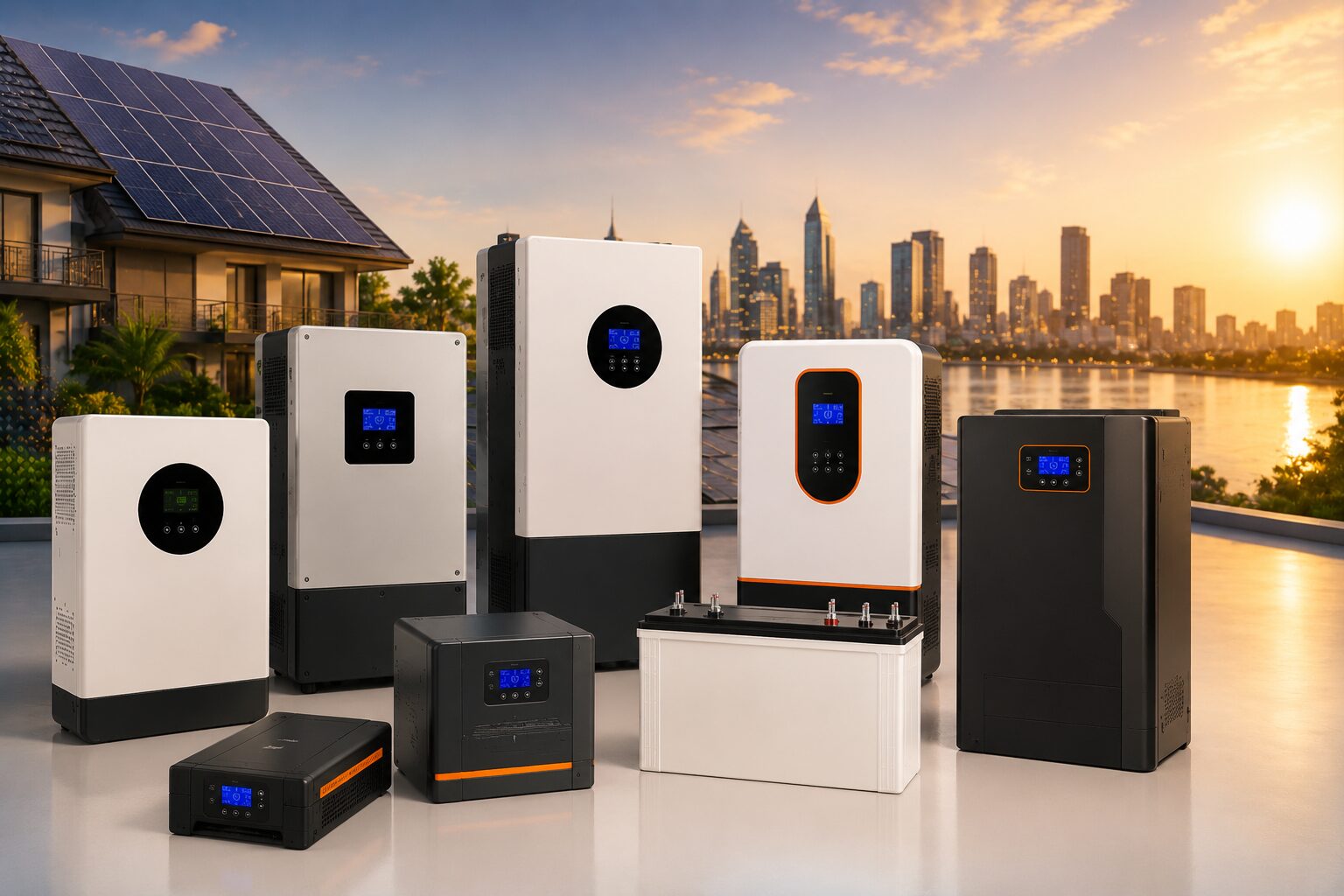
A Solar panels for schools, churches and commercial buildings installation typically includes several important components.
Solar Panels
These capture sunlight and generate electricity.
Inverter
The inverter converts solar energy into usable electricity.
Battery Storage
Batteries store excess energy for use during outages or nighttime operation.
Mounting Structures
These secure the panels and ensure optimal positioning for sunlight exposure.
Together, these components create a reliable and efficient power system.
How Solar Energy Reduces Generator Dependence
Generators remain widely used in Nigeria. However, fuel costs and maintenance expenses continue to increase.
Solar energy provides a cleaner alternative.
During daylight hours, solar panels generate electricity directly from sunlight. In addition, batteries store excess energy for later use.
Consequently, organizations can significantly reduce generator runtime and operating costs.
Environmental Benefits of Solar Power
Environmental sustainability is becoming increasingly important for organizations.
Solar panels help:
- Reduce carbon emissions
- Lower air pollution
- Minimize fossil fuel consumption
- Support renewable energy adoption
Moreover, solar systems generate electricity without producing harmful emissions during operation.
Therefore, they contribute to a cleaner and healthier environment.
Factors to Consider Before Installation
Before investing in solar panels, organizations should evaluate several important factors.
Energy Requirements
Calculate current and future electricity needs.
Available Installation Space
Assess roof areas or ground space suitable for solar panel placement.
Budget
Determine available funding and expected return on investment.
Battery Capacity
Consider backup power requirements during outages.
Professional Installation
Work with experienced solar professionals to ensure optimal system performance.
Proper planning improves efficiency and long-term satisfaction.
Long-Term Financial Benefits
Although Solar panels for schools, churches and commercial buildings require an initial investment, the long-term savings can be substantial.
Benefits include:
- Lower electricity bills
- Reduced fuel expenses
- Minimal maintenance costs
- Increased property value
- Greater energy independence
Furthermore, many solar panels continue operating effectively for more than 25 years.
As a result, organizations can enjoy decades of financial benefits.
Conclusion
Solar panels for schools, churches and commercial buildings provide reliable electricity, lower energy expenses, and support sustainability goals. Whether used in educational institutions, places of worship, or business facilities, solar energy helps reduce dependence on the grid and expensive generators.
Moreover, solar systems offer long-term financial savings, improved operational efficiency, and environmental benefits. As energy costs continue to rise, investing in solar power remains a smart decision for organizations seeking reliable and affordable electricity solutions.






 Get it on
  Download on the