






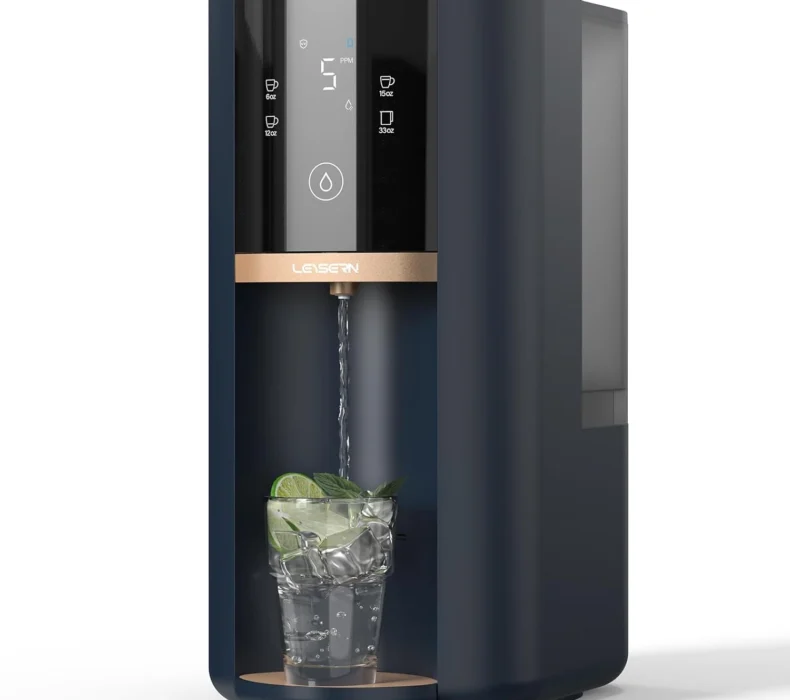
Clean drinking water is essential for every household. However, water from different sources can contain sediments, dissolved substances, unpleasant odours, and other impurities. LG water purification technology is designed to improve household water quality through advanced filtration and treatment systems. Therefore, understanding how the technology works can help buyers choose a suitable water purification solution for their homes.
What Is LG Water Purification Technology?
LG water purification technology refers to the filtration and water treatment methods used in LG water purifier systems. The goal is to reduce selected impurities and improve the quality of drinking water.
Different water purification technologies can perform different functions. For example, one stage may remove sediment, while another stage may help reduce dissolved substances or treat microorganisms.
Consequently, a modern water purifier may combine several filtration methods rather than relying on only one stage.
Depending on the model, an LG water purifier may include:
- Sediment filtration
- Activated carbon filtration
- Reverse osmosis technology
- UV treatment
- Multi-stage purification
- Mineral or taste enhancement
- Water storage technology
- Filter monitoring features
These technologies work together to improve the treatment process. However, the exact combination depends on the specific model.
How LG Water Purification Technology Works
The purification process normally takes place in several stages.
First, water enters the purifier from the household water supply. It then passes through one or more filters.
The first stage may remove larger particles such as dirt, sand, and sediment. Next, another filter may help reduce unwanted odours or selected substances.
In models with reverse osmosis technology, water then passes through an RO membrane. Finally, the purified water may go through additional treatment before reaching the storage tank or water outlet.
Although the process can vary, the purpose is to provide cleaner drinking water for household use.
Reverse Osmosis in LG Water Purifiers
Reverse osmosis, commonly called RO, is one of the most recognised water purification technologies.
RO systems use pressure to push water through a specialised membrane. This process can help reduce many dissolved substances in water.
Therefore, RO technology may be useful where the water contains high levels of dissolved solids.
A typical RO purification process may include:
- Pre-filtration
- Carbon filtration
- RO membrane treatment
- Post-filtration
- Additional purification stages
Benefits of RO Technology
Reverse osmosis can offer several benefits.
First, it can help reduce many dissolved impurities. In addition, it may improve the taste and appearance of water.
However, RO is not necessarily the right solution for every water source. For example, water with mainly sediment problems may require different treatment before or alongside RO filtration.
Therefore, water testing can help determine whether an RO-based system is suitable.
UV Water Treatment Technology
Some water purifier designs use ultraviolet, or UV, technology as part of the purification process.
UV treatment uses ultraviolet light to treat microorganisms in water. Consequently, it can be used as an additional purification stage in suitable systems.
However, UV treatment does not perform the same function as reverse osmosis. It does not remove dissolved salts or reduce all chemical contaminants.
For this reason, UV technology is often combined with other filtration methods.
Before UV treatment, the water may need to be properly filtered because heavily cloudy water can affect the treatment process.
Multi-Stage Filtration Technology
One of the major principles behind modern water purification is multi-stage treatment.
Instead of expecting one filter to solve every water quality problem, different filters can handle different types of impurities.
A multi-stage system may include:
Sediment Filtration
This stage helps remove visible particles such as:
- Sand
- Dirt
- Rust
- Silt
- Other suspended materials
As a result, later filters may be protected from excessive blockage.
Activated Carbon Filtration
Activated carbon can help improve water quality by reducing unpleasant tastes and odours.
Furthermore, carbon filters are often used to treat selected organic compounds and chlorine-related tastes.
Membrane Filtration
Membrane technology can provide a finer level of filtration.
Depending on the system, this may involve RO or another membrane-based process.
Final Treatment Stage
After the main filtration process, the water may pass through an additional treatment stage before it is stored or dispensed.
LG Water Purification Technology and Water Storage
Water storage is another important part of a household water purifier.
A storage tank holds treated water for later use. However, the material and cleanliness of the tank can affect the overall water quality.
Some modern purifier designs focus on storage tank hygiene and durability. Therefore, buyers should consider:
- Tank material
- Ease of cleaning
- Storage capacity
- Maintenance requirements
- Protection against contamination
In addition, households with large families may need a purifier with sufficient storage capacity for daily use.
Smart Features in Modern Water Purifiers
Modern water purification systems may include features that make monitoring and maintenance easier.
Depending on the model, these may include:
- Filter change indicators
- Water quality monitoring
- Automatic cleaning functions
- Digital controls
- Service notifications
- Smart dispensing features
These features can improve convenience. However, they should not replace regular maintenance.
For example, even if a purifier has a filter monitoring system, the household should still follow the manufacturer’s maintenance recommendations.
Benefits of LG Water Purification Technology
Helps Improve Drinking Water Quality
The main purpose of a water purifier is to improve water quality.
Through multiple filtration stages, the system can help reduce unwanted particles and selected impurities.
Supports Better-Tasting Water
Poor water quality can affect taste and smell.
Therefore, technologies such as activated carbon filtration may help improve the drinking experience.
Offers Different Purification Stages
Different stages can address different water quality concerns.
For instance, sediment filters handle larger particles, while RO technology can reduce many dissolved substances.
Can Be Convenient for Daily Use
A household purifier provides treated water directly from a dedicated appliance.
As a result, families may reduce their dependence on repeatedly buying bottled drinking water.
Supports Regular Water Treatment
Instead of treating water occasionally, a properly maintained purifier can provide a continuous source of treated water for daily household consumption.
How to Choose an LG Water Purifier
Before buying, consider several important factors.
Test Your Water Source
A water test can help identify the main water quality problem.
For example, testing may reveal:
- TDS levels
- pH levels
- Hardness
- Iron content
- Microbial concerns
- Sediment levels
This information can help you choose the right purification technology.
Consider the Purification Method
Check whether the model uses:
- RO
- UV
- UF
- Carbon filtration
- Multi-stage treatment
Then, compare the technology with your water quality needs.
Check Storage Capacity
A larger household may require more storage capacity.
However, a small household may prefer a compact unit that takes up less space.
Consider Replacement Filter Availability
Every water purifier requires maintenance.
Therefore, ask about:
- Replacement filter prices
- Filter availability
- Service options
- Recommended replacement schedules
A good purifier can become difficult to maintain if replacement parts are not easily available.
Confirm Power Requirements
Some water purifiers require electricity to operate pumps, electronic controls, or other components.
Therefore, Nigerian buyers should consider their power situation before purchasing.
Common Problems Water Purification Technology Can Address
Sediment Problems
Sediment filtration can help reduce visible dirt and particles.
Unpleasant Taste and Odour
Activated carbon filtration may help improve taste and reduce unpleasant odours.
High Dissolved Solids
RO technology may be useful for reducing many dissolved substances.
Microbiological Concerns
UV treatment and other suitable disinfection methods can help address microbial concerns.
However, the best solution depends on the actual water quality.
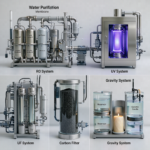
LG Water Purification Technology vs Other Water Purification Methods
There are several types of water treatment technologies available.
RO systems are often selected for reducing dissolved impurities. Meanwhile, UV systems focus on microbiological treatment.
UF systems use membrane filtration, while activated carbon is commonly used for taste and odour improvement.
Therefore, the best system is not necessarily the one with the most features. Instead, it should provide the treatment needed for your particular water source.
Conclusion
LG water purification technology combines modern filtration methods and convenient features designed to improve household drinking water quality. Depending on the model, technologies such as reverse osmosis, UV treatment, activated carbon filtration, and multi-stage purification may be used to address different water quality concerns.
For Nigerian homes, choosing the right system should begin with understanding the water source. Borehole water, public water, and stored water can have different treatment requirements.
Therefore, test your water where possible, check the exact technology used in the LG purifier model you are considering, and confirm the availability of replacement filters and service support.



 Get it on
  Download on the