






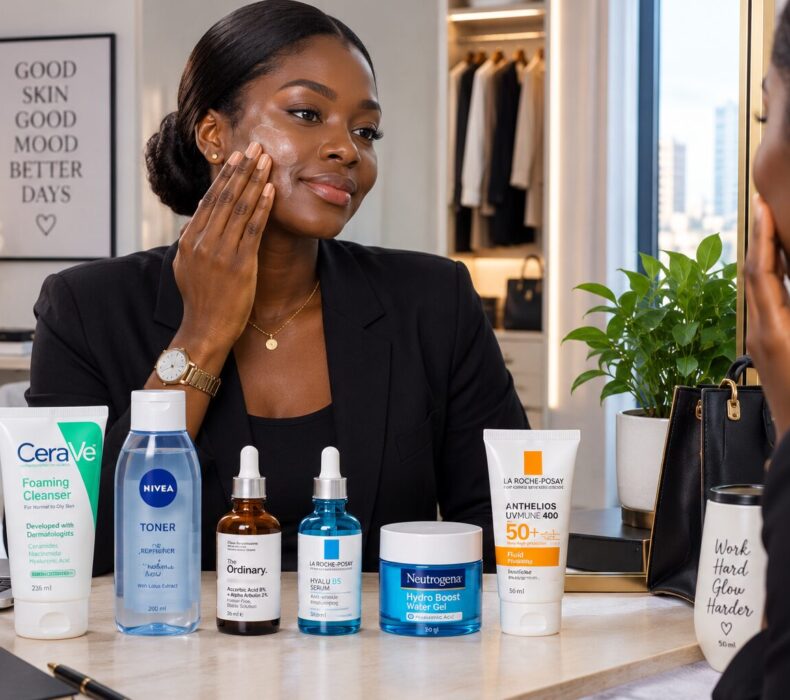
Vitamin C serum has become one of the most popular skincare products worldwide, and for good reason. It is a powerful antioxidant that helps brighten the complexion, fade dark spots, protect against environmental damage, and stimulate collagen production for firmer, healthier-looking skin. However, many people do not get the full benefits of Vitamin C serum because they layer it incorrectly with other skincare products.
Whether you’re a beginner or a skincare enthusiast, understanding the proper order of application can make a significant difference in your results. Using Vitamin C serum correctly ensures maximum absorption while minimizing irritation and preventing ingredient conflicts.
If you live in Nigeria, where the climate is often hot, humid, and sunny, proper layering becomes even more important. Exposure to intense UV rays, pollution, sweat, and dust can contribute to premature aging, hyperpigmentation, and uneven skin tone. Fortunately, Vitamin C serum can help combat these concerns when incorporated correctly into your skincare routine.
This comprehensive guide explains exactly how to layer Vitamin C serum with other skincare products for healthy, glowing skin.
What Is Vitamin C Serum?
Vitamin C serum is a lightweight skincare product formulated with Vitamin C, a potent antioxidant that protects the skin against free radical damage caused by UV rays and pollution.
Common forms of Vitamin C include:
- L-Ascorbic Acid (the purest and most effective form)
- Sodium Ascorbyl Phosphate
- Magnesium Ascorbyl Phosphate
- Ascorbyl Glucoside
- Ethyl Ascorbic Acid
Each form varies in strength, stability, and suitability for different skin types.
Benefits of Vitamin C Serum
Before learning how to layer it, it’s important to understand why Vitamin C deserves a place in your routine.
1. Brightens Dull Skin
Vitamin C reduces pigmentation and gives the skin a natural glow.
2. Fades Acne Marks
It helps lighten post-inflammatory hyperpigmentation commonly left behind after acne.
3. Boosts Collagen Production
Vitamin C supports collagen synthesis, helping reduce fine lines and wrinkles.
4. Protects Against Environmental Damage
As an antioxidant, it neutralizes harmful free radicals from pollution and sunlight.
5. Evens Skin Tone
Regular use improves overall skin clarity and texture.
6. Supports Skin Healing
Vitamin C helps repair damaged skin and improves the skin barrier.
Why Layering Matters
Skincare products are designed with different molecular sizes and purposes. Applying them in the wrong order can reduce their effectiveness or cause irritation.
The golden rule is simple:
Apply products from the thinnest consistency to the thickest consistency.
Generally, the order is:
- Cleanser
- Toner
- Vitamin C Serum
- Hydrating Serum
- Moisturizer
- Sunscreen (morning only)
Step 1: Start with a Clean Face
Always cleanse your skin before applying Vitamin C serum.
A cleanser removes:
- Dirt
- Oil
- Sweat
- Makeup
- Sunscreen residue
Applying Vitamin C to dirty skin prevents proper absorption.
For oily skin, choose a gentle foaming cleanser.
For dry skin, use a hydrating cleanser.
For sensitive skin, avoid harsh cleansers containing sulfates.
Step 2: Apply Toner (Optional)
If you use toner, apply it after cleansing.
A good toner:
- Restores skin pH
- Removes leftover impurities
- Adds hydration
- Prepares skin for serums
Hydrating toners containing:
- Hyaluronic Acid
- Glycerin
- Aloe Vera
work especially well before Vitamin C.
Avoid alcohol-based toners that can dry out the skin.
Step 3: Apply Vitamin C Serum
Now your skin is ready.
Dispense 2–4 drops into your palm.
Gently press or pat the serum into:
- Face
- Neck
- Upper chest
Avoid rubbing aggressively.
Allow the serum to absorb for about one to two minutes before applying the next product.
Step 4: Layer Hydrating Serums
After Vitamin C has absorbed, apply hydrating ingredients.
Excellent companions include:
Hyaluronic Acid
One of the best ingredients to pair with Vitamin C.
Benefits include:
- Deep hydration
- Plumper skin
- Reduced dryness
- Improved barrier function
Vitamin C brightens while Hyaluronic Acid hydrates, making them an ideal combination.
Niacinamide
Many people believe Vitamin C and Niacinamide cannot be used together.
This is a myth.
Modern formulations allow these ingredients to work beautifully together.
Benefits include:
- Reduces redness
- Strengthens skin barrier
- Controls excess oil
- Brightens skin
- Minimizes pores
You can apply Vitamin C first, followed by Niacinamide.
Peptides
Peptides support collagen production.
Together with Vitamin C they improve:
- Firmness
- Elasticity
- Fine lines
- Skin repair
Step 5: Apply Moisturizer
Moisturizer locks everything into the skin.
Even oily skin needs moisturizer.
Choose according to your skin type.
For oily skin:
- Lightweight gel moisturizers
For combination skin:
- Water-based lotions
For dry skin:
- Rich cream moisturizers
For sensitive skin:
- Fragrance-free moisturizers
Moisturizer helps reduce irritation that sometimes occurs with active ingredients.
Step 6: Finish with Sunscreen
This is the most important morning step.
Vitamin C works even better when paired with sunscreen.
Use SPF 30 or higher.
Sunscreen protects against:
- UV damage
- Dark spots
- Premature aging
- Sunburn
Without sunscreen, your skin becomes more vulnerable to sun damage, reducing the benefits of your Vitamin C serum.
Reapply every two hours if outdoors.
Can You Use Vitamin C with Retinol?
Yes—but timing matters.
Both ingredients are highly effective but can irritate sensitive skin when layered together.
The safest routine is:
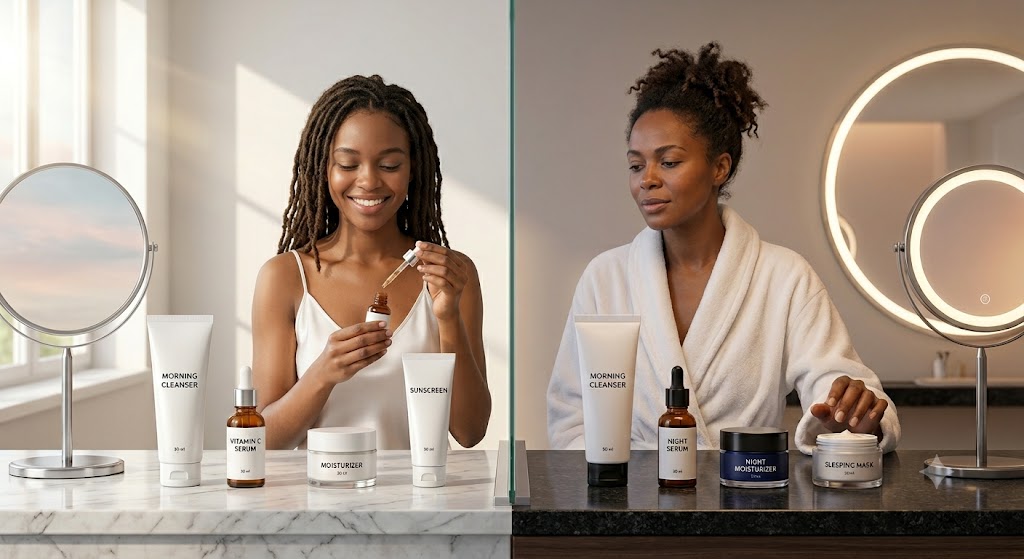
Morning
- Cleanser
- Vitamin C Serum
- Moisturizer
- Sunscreen
Night
- Cleanser
- Retinol
- Moisturizer
This routine provides the benefits of both ingredients while minimizing irritation.
Can Vitamin C Be Used with Hyaluronic Acid?
Absolutely.
This is one of the best skincare combinations available.
Vitamin C targets:
- Pigmentation
- Dullness
- Fine lines
Hyaluronic Acid provides:
- Hydration
- Smoothness
- Skin plumping
Together they create healthy, radiant skin.
Can Vitamin C Be Used with Niacinamide?
Yes.
Current dermatological research shows these ingredients work well together.
The combination can improve:
- Acne scars
- Uneven tone
- Oil production
- Skin barrier
- Brightness
There is no need to separate them unless your skin is extremely sensitive.
Can Vitamin C Be Used with Exfoliating Acids?
Be cautious.
Exfoliating acids include:
- Glycolic Acid
- Salicylic Acid
- Lactic Acid
- Mandelic Acid
Using strong acids immediately before Vitamin C may increase irritation.
Instead:
Morning:
- Vitamin C
Night:
- Exfoliating acids
Limit exfoliation to two or three nights per week.
Can Vitamin C Be Used with Benzoyl Peroxide?
Generally, it is best not to apply them at the same time.
Benzoyl peroxide may reduce the effectiveness of some forms of Vitamin C, particularly L-ascorbic acid, and combining them can increase irritation.
A practical routine is:
Morning:
- Vitamin C
Night:
- Benzoyl Peroxide
Best Morning Routine with Vitamin C
- Cleanser
- Hydrating Toner
- Vitamin C Serum
- Hyaluronic Acid
- Moisturizer
- Sunscreen SPF 30–50
This routine protects your skin throughout the day.
Best Night Routine
Vitamin C can also be used at night if preferred.
Night routine:
- Cleanser
- Vitamin C Serum
- Hydrating Serum
- Moisturizer
If you’re using retinol or exfoliating acids, consider alternating nights or using those actives separately to avoid irritation.
Common Layering Mistakes to Avoid
Applying Too Much
Using more serum does not produce faster results.
Two to four drops are sufficient.
Skipping Sunscreen
Without sunscreen, pigmentation may return despite using Vitamin C.
Mixing Too Many Active Ingredients
Avoid combining multiple strong actives in one routine unless your skin tolerates them well.
Introduce new ingredients gradually.
Applying Oils Before Vitamin C
Facial oils create a barrier that can prevent Vitamin C from penetrating effectively.
Always apply oils after water-based serums and moisturizer.
Using Oxidized Vitamin C
Discard your serum if it turns:
- Dark orange
- Brown
Oxidized Vitamin C becomes less effective and may irritate the skin.
Store it away from heat and direct sunlight, and keep the bottle tightly closed.
Tips for Nigerian Weather
Nigeria’s tropical climate presents unique skincare challenges. To get the best results from your Vitamin C serum:
- Choose lightweight, non-greasy formulations during hot weather.
- Store your serum in a cool, dry place to maintain its stability.
- Wear broad-spectrum sunscreen every day, even when it’s cloudy.
- Stay hydrated by drinking enough water.
- Reapply sunscreen if you spend long hours outdoors.
- Cleanse your face after excessive sweating to remove oil and impurities without over-cleansing.
Who Should Use Vitamin C Serum?
Vitamin C serum is suitable for most skin types, including:
- Oily skin
- Dry skin
- Combination skin
- Acne-prone skin
- Mature skin
- Normal skin
If you have very sensitive skin, start by applying it two or three times a week and gradually increase frequency as your skin builds tolerance.
Final Thoughts
Learning how to layer Vitamin C serum with other skincare products is one of the simplest ways to improve your skincare routine and maximize results. When applied in the correct order—after cleansing and toning but before heavier serums, moisturizers, and sunscreen—Vitamin C can effectively brighten the skin, reduce dark spots, support collagen production, and protect against environmental damage.
The most effective pairings include hydrating ingredients like hyaluronic acid, barrier-supporting niacinamide, nourishing moisturizers, and broad-spectrum sunscreen during the day. At the same time, avoid overloading your routine with multiple strong active ingredients, and separate products like retinol, benzoyl peroxide, or exfoliating acids when necessary to reduce the risk of irritation.
Consistency is the key to success. With regular use, proper layering, and daily sun protection, Vitamin C serum can help you achieve smoother, brighter, healthier-looking skin while maintaining a strong, resilient skin barrier over time. For people living in sunny climates like Nigeria, this routine offers an excellent defense against hyperpigmentation and premature aging, making Vitamin C an essential part of a well-balanced skincare regimen.







 Get it on
  Download on the