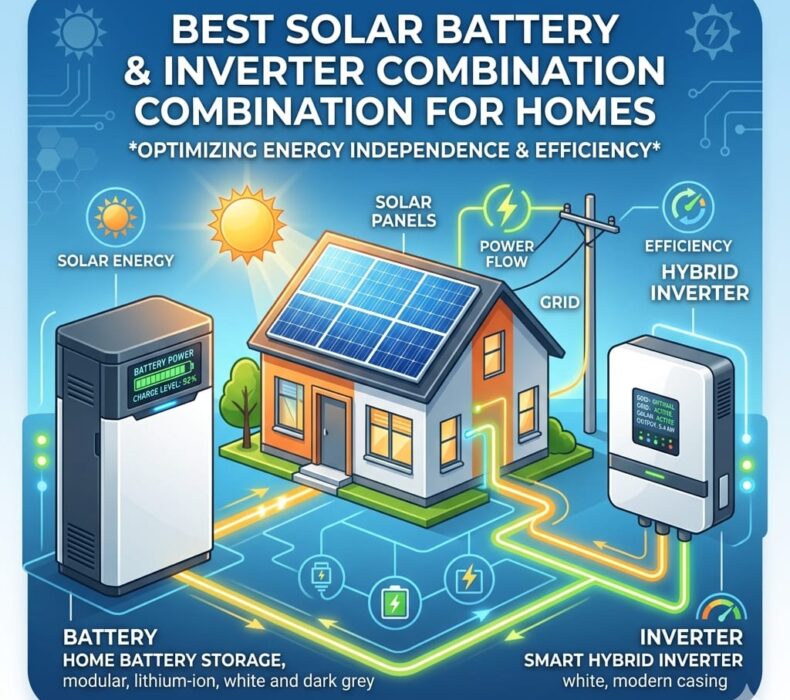
Choosing the best solar battery and inverter combination for homes is one of the most important decisions homeowners can make when investing in renewable energy. A properly matched solar battery and inverter system not only provides reliable backup power but also improves energy efficiency and reduces electricity costs.
Why the Right Solar Battery and Inverter Combination Matters
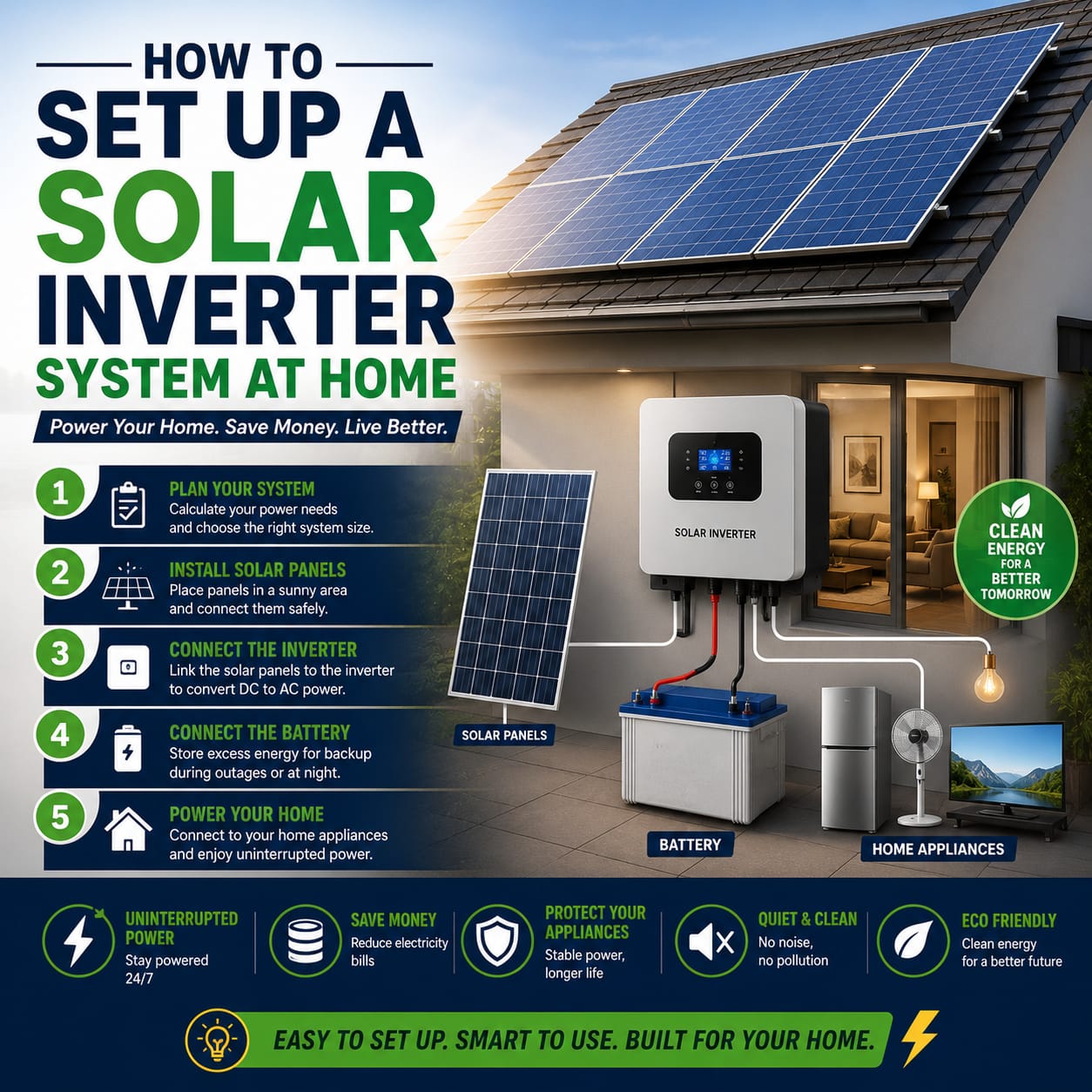
A solar power system consists of several components working together. However, the battery and inverter are often considered the heart of the system.
When these components are properly matched, homeowners benefit from:
Improved energy efficiency
Longer battery lifespan
Reliable backup power
Reduced electricity bills
Better overall system performance
Therefore, selecting the right combination is essential for achieving the best results.
Understanding Solar Batteries
Solar batteries store excess energy generated by solar panels during the day. Consequently, homeowners can use stored power at night or during outages.
The most common battery options include:
Lithium-Ion Batteries
Lithium batteries have become increasingly popular because they offer:
High efficiency
Faster charging
Longer lifespan
Minimal maintenance
Furthermore, they can withstand thousands of charging cycles without significant performance loss.
Lead-Acid Batteries
Lead-acid batteries remain a budget-friendly option for many homeowners.
Advantages include:
Lower upfront cost
Wide availability
Proven reliability
However, they generally require more maintenance and have shorter lifespans than lithium batteries.
Understanding Solar Inverters
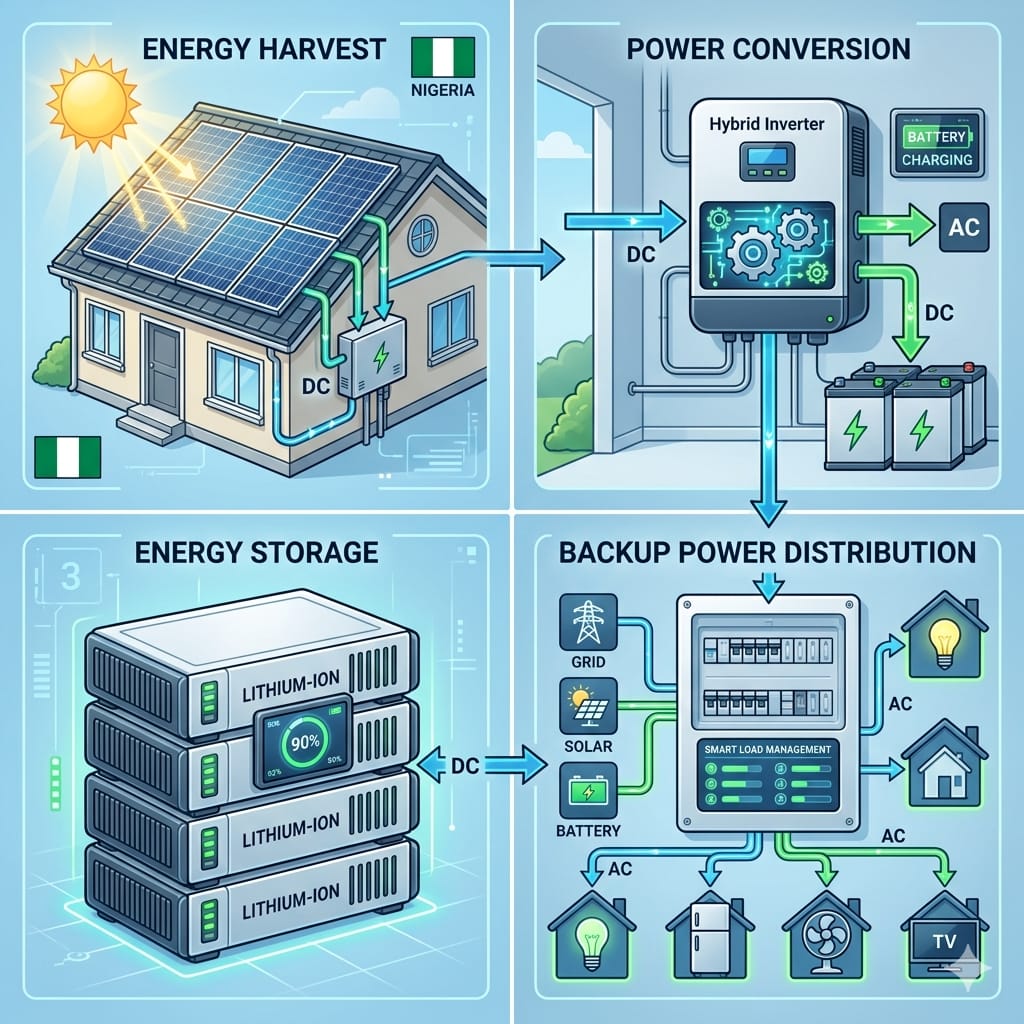
The inverter converts direct current (DC) electricity from solar panels and batteries into alternating current (AC) electricity used by household appliances.
There are several inverter types available.
Pure Sine Wave Inverters
These inverters provide clean and stable power.
As a result, they are ideal for:
Televisions
Refrigerators
Computers
Air conditioners
Sensitive electronics
Hybrid Inverters
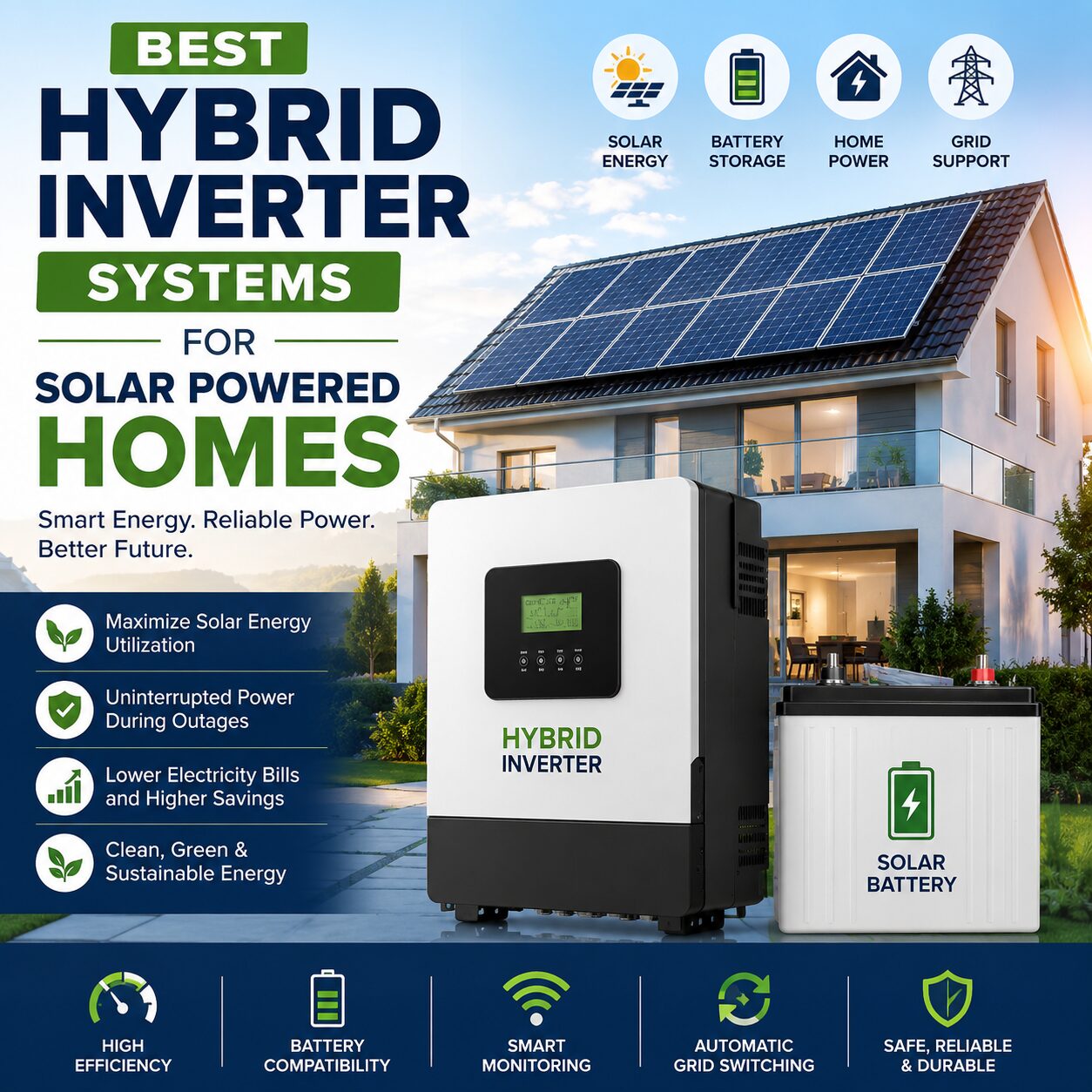
Hybrid inverters combine solar charging, battery management, and grid support into one system.
Therefore, they offer flexibility and greater energy independence.
Off-Grid Inverters
Off-grid inverters operate independently of utility power.
Consequently, they are perfect for locations with unreliable electricity supply.
Features of the Best Solar Battery and Inverter Combination for Homes
When evaluating options, several key features should be considered.
High Energy Efficiency
Efficient systems minimize energy losses during charging and discharging.
Therefore, homeowners can maximize the value of every unit of solar energy produced.
Long Battery Lifespan
A durable battery reduces replacement costs over time.
Consequently, investing in high-quality battery technology often results in better long-term savings.
Smart Monitoring Capabilities
Many modern systems offer mobile applications and remote monitoring.
As a result, users can track energy production, battery status, and system performance in real time.
Scalability
Energy needs often increase over time.
Therefore, choosing a system that allows future expansion can provide additional flexibility.
Recommended Solar Battery and Inverter Combinations
Lithium Battery with Hybrid Inverter
This combination is widely regarded as one of the best solutions for modern homes.
Benefits include:
High efficiency
Faster charging
Extended battery lifespan
Seamless solar integration
Furthermore, homeowners enjoy excellent backup performance during power outages.
Tubular Battery with Pure Sine Wave Inverter
For homeowners seeking affordability and reliability, this option remains popular.
Advantages include:
Lower upfront investment
Stable power output
Good backup duration
As a result, it is often chosen for homes with moderate energy requirements.
Lithium Battery with Off-Grid Inverter
This combination is ideal for areas with limited or unreliable grid access.
Consequently, homeowners can achieve greater energy independence while reducing dependence on utility providers.
How to Choose the Best Solar Battery and Inverter Combination for Homes
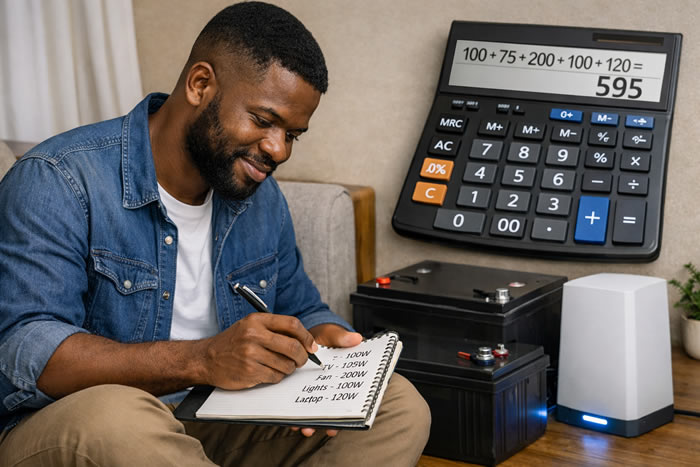
Calculate Your Energy Consumption
The first step is understanding your household’s electricity needs.
Consider appliances such as:
Lighting systems
Refrigerators
Fans
Televisions
Computers
Air conditioners
Afterward, calculate total daily energy usage.
Determine Required Backup Duration
Some households need only a few hours of backup power.
Others, however, may require all-night operation.
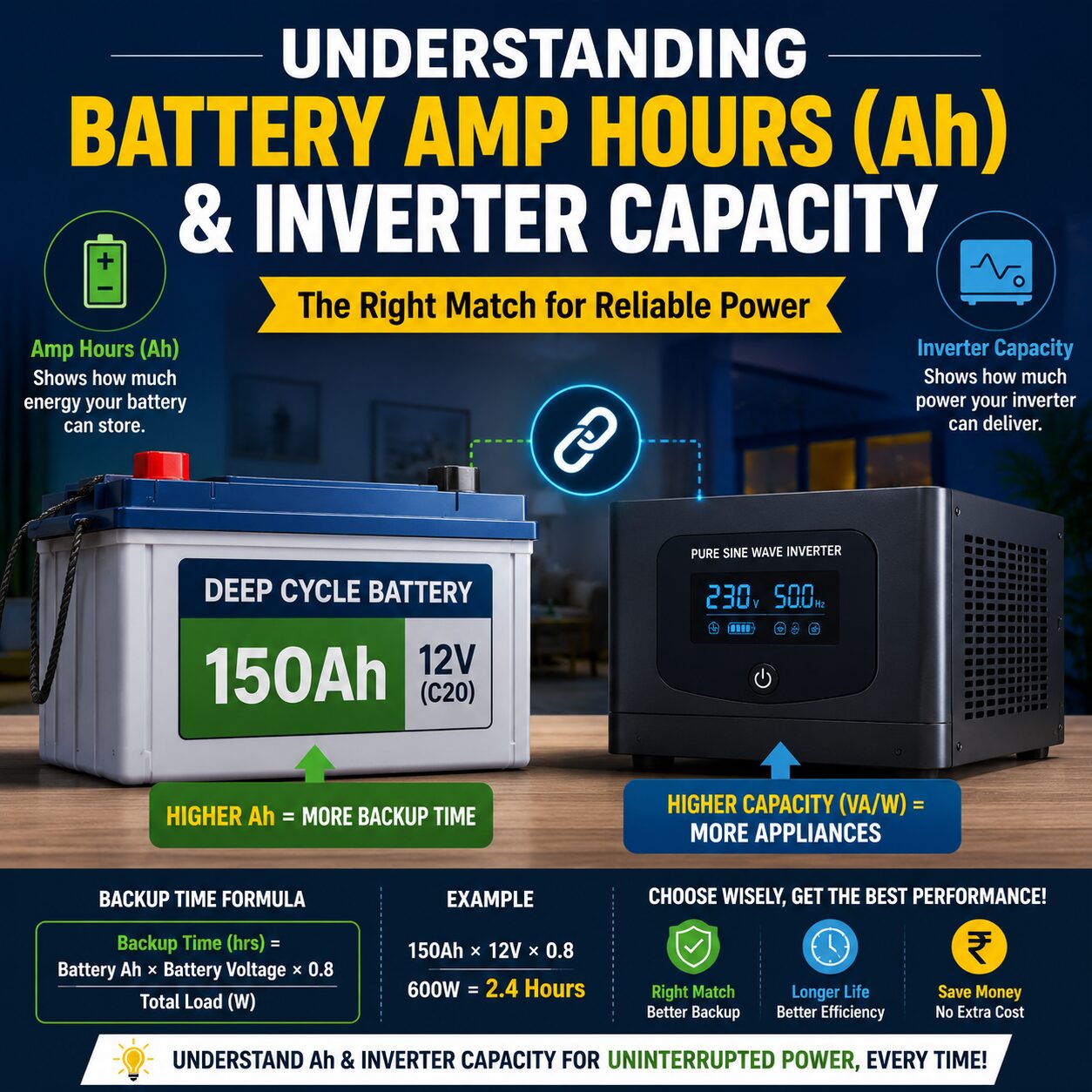
Therefore, battery capacity should align with your backup expectations.
Focus on Quality and Warranty
Reliable manufacturers often provide stronger warranties and better support.
As a result, homeowners gain confidence in their investment.
Benefits of Installing a Solar Battery and Inverter System
Reduced Electricity Bills
Solar systems reduce dependence on utility power.
Therefore, homeowners can lower monthly electricity expenses significantly.
Reliable Backup Power
Power outages no longer disrupt daily activities.
Consequently, essential appliances continue operating when grid power is unavailable.
Increased Energy Independence
Generating and storing your own electricity provides greater control over energy usage.
Furthermore, it reduces exposure to rising electricity costs.
Environmentally Friendly Energy
Solar energy is clean and renewable.
As a result, homeowners can reduce their environmental impact while enjoying reliable power.
Common Mistakes to Avoid
While searching for the best solar battery and inverter combination for homes, avoid these common errors:
Choosing Based Only on Price
Low-cost systems may lead to higher maintenance and replacement expenses.
Ignoring Battery Capacity
An undersized battery may fail to provide adequate backup time.
Overlooking Inverter Compatibility
Not all batteries work efficiently with every inverter model.
Therefore, compatibility should always be verified.
Failing to Plan for Future Needs
Energy requirements often increase over time.
Consequently, expansion potential should be considered during system selection.
Maintenance Tips for Long-Term Performance
To maximize system lifespan:
Keep batteries in a cool, ventilated area.
Clean equipment regularly.
Monitor system performance.
Schedule professional inspections.
Follow manufacturer maintenance recommendations.
As a result, your solar power system will continue operating efficiently for many years.
Conclusion
Selecting the best solar battery and inverter combination for homes requires careful consideration of energy needs, battery technology, inverter type, and long-term goals. Whether you choose a lithium battery with a hybrid inverter or a tubular battery with a pure sine wave inverter, the right combination can deliver reliable backup power, lower electricity bills, and greater energy independence.









 Get it on
  Download on the