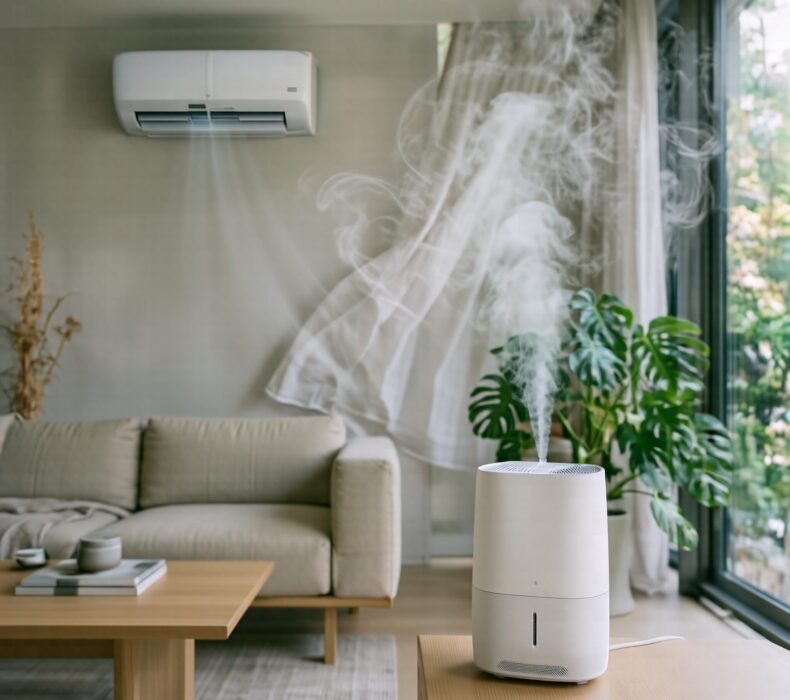
Many homeowners wonderhow air humidifier complements air conditioner use and whether using both appliances together is worthwhile. While air conditioners are excellent at cooling indoor spaces, they also remove moisture from the air during the cooling process. As a result, your home may become overly dry, leading to discomfort and even health concerns. Fortunately, adding an air humidifier helps restore the right moisture level, creating a healthier, more comfortable environment. Together, these appliances work as a team to improve indoor air quality throughout the year.
Understanding How Air Conditioners Affect Indoor Air
Air conditioners cool your home by removing heat and humidity from indoor air. This process makes rooms feel cooler and more pleasant during hot weather. However, if the air becomes too dry, you may begin to notice several unpleasant effects.
For example, prolonged exposure to dry indoor air can cause:
Dry skin and cracked lips
Irritated eyes
Sore throat
Frequent coughing
Static electricity
Dry nasal passages
Poor sleep quality
Damage to wooden furniture and flooring
Although air conditioning is necessary in warm climates, maintaining proper humidity is equally important for overall comfort.
What Does an Air Humidifier Do?
An air humidifier increases the moisture level in indoor air by releasing fine water vapor. Instead of making the room colder or warmer, it simply restores healthy humidity levels.
Most experts recommend keeping indoor humidity between 30% and 50%. Within this range, your home feels comfortable while minimizing problems caused by excessively dry air.
Therefore, using an air humidifier alongside your air conditioner helps maintain this healthy balance.
Understanding how air humidifier complements air conditioner use becomes easier when you examine the benefits they provide together.
Prevents Dry Skin and Irritation
One of the first signs of low humidity is dry skin. Air conditioners remove moisture from indoor air, which may leave your skin feeling tight and itchy.
However, a humidifier adds moisture back into the air. Consequently, your skin stays hydrated, and irritation becomes less common.
This combination is especially helpful during long hours of air conditioner use.
Improves Breathing Comfort
Dry air can irritate your nose, throat, and lungs. If you suffer from allergies or mild respiratory discomfort, breathing may become less comfortable in overly dry rooms.
Fortunately, balanced humidity helps keep your airways moist. As a result, breathing feels easier, especially while sleeping.
Moreover, many people wake up with less throat dryness after using a humidifier overnight.
Enhances Sleep Quality
Quality sleep depends on several environmental factors, including humidity.
If your bedroom air is too dry, you may experience:
Dry throat
Nasal congestion
Night coughing
Frequent waking
By restoring comfortable humidity levels, a humidifier creates a more relaxing sleeping environment. Meanwhile, your air conditioner maintains a cool temperature.
Together, they help create ideal sleeping conditions.
Protects Wooden Furniture
Wood naturally absorbs and releases moisture.
When indoor air becomes extremely dry, wooden furniture, flooring, doors, musical instruments, and cabinets may shrink or develop cracks.
Using a humidifier helps preserve proper moisture levels. Therefore, valuable wooden items remain in better condition for longer.
Reduces Static Electricity
Have you ever experienced small electric shocks after walking across the floor?
Low humidity increases static electricity inside the home.
Adding moisture through a humidifier significantly reduces static buildup. Consequently, electronics and household comfort both benefit.
Makes Air Conditioning Feel More Comfortable
Humidity greatly affects how we perceive temperature.
Balanced humidity often makes indoor air feel naturally comfortable. Because of this, some people find they can set their air conditioner a little higher while still feeling cool.
Although energy savings vary depending on your home and climate, maintaining comfortable humidity may improve overall cooling comfort.
Benefits of Using an Air Humidifier with an Air Conditioner
When used correctly, both appliances provide several advantages.
Better Indoor Air Quality
Proper humidity reduces excessive dryness inside your home. As a result, your living space becomes more comfortable throughout the day.
Greater Comfort During Long AC Use
If your air conditioner runs for several hours daily, indoor air can become noticeably dry.
Fortunately, a humidifier continuously replaces lost moisture, improving comfort.
Healthier Skin
Instead of constantly applying moisturizer, maintaining proper indoor humidity helps your skin retain moisture naturally.
Comfortable Work Environment
People working from home often spend many hours in air-conditioned rooms.
Balanced humidity helps reduce eye irritation, throat dryness, and discomfort during long work sessions.
Improved Comfort for Children and Older Adults
Young children and older adults are often more sensitive to dry indoor air.
Using both appliances together creates a more pleasant environment for everyone in the household.
Choosing the Right Air Humidifier
Several humidifier types are available, and each suits different needs.
Cool Mist Humidifiers
Cool mist models are energy-efficient and ideal for warm climates. They work exceptionally well alongside air conditioners.
Ultrasonic Humidifiers
These models operate quietly while producing a fine mist. Therefore, they are excellent choices for bedrooms and offices.
Evaporative Humidifiers
These automatically regulate humidity by using a fan and replaceable filter. As humidity rises, moisture output naturally decreases.
Warm Mist Humidifiers
Warm mist units release heated steam. While they work effectively, they are generally less common in homes that already rely on air conditioning.
Tips for Using Both Appliances Together
To get the best results, follow these simple practices.
Monitor Humidity
Use a hygrometer to keep indoor humidity between 30% and 50%.
Clean the Humidifier Regularly
Standing water may encourage bacteria or mold growth. Therefore, empty and clean the water tank frequently according to the manufacturer’s instructions.
Use Clean Water
Whenever possible, use distilled or purified water to reduce mineral buildup inside the humidifier.
Position the Humidifier Properly
Place the unit on a flat, elevated surface away from electronics and direct airflow from the air conditioner.
Avoid Excess Humidity
While dry air causes discomfort, excessive humidity can encourage mold growth. Consequently, maintaining the recommended humidity range is essential.
Who Should Consider Using Both?
Using an air humidifier together with an air conditioner is particularly beneficial for:
Families with children
Older adults
Home office workers
People with dry skin
Individuals living in hot climates
Anyone using air conditioning for long periods
These users often experience noticeable improvements in comfort and indoor air quality.
Conclusion
Understanding how air humidifier complements air conditioner use can transform your indoor living experience. While your air conditioner keeps temperatures cool, it also removes moisture that your body and home need for optimal comfort. An air humidifier restores that moisture, helping reduce dryness, improve sleep, protect furniture, and create healthier indoor air.













 Get it on
  Download on the