Choosing the right appliance for better indoor air quality can be confusing because air humidifiers and air purifiers often seem similar. However, they perform very different functions. Understanding the differences between air humidifier and air purifier helps you select the appliance that best meets your needs. While an air humidifier adds moisture to dry air, an air purifier removes airborne pollutants such as dust, pollen, pet dander, and smoke particles. Knowing how each appliance works allows you to create a healthier, more comfortable indoor environment for your home or office.
What Is an Air Humidifier?
An air humidifier is an appliance that increases the amount of moisture in indoor air.
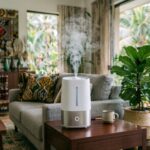
It works by releasing a fine mist or water vapour into the room, helping maintain comfortable humidity levels.
Air humidifiers are commonly used in:
Bedrooms
Living rooms
Offices
Nurseries
Hotels
Healthcare facilities
Their primary purpose is to reduce the discomfort associated with excessively dry indoor air.
What Is an Air Purifier?
An air purifier is designed to improve indoor air quality by filtering airborne particles and pollutants.
Depending on the model, an air purifier may help reduce:
Dust
Pollen
Pet dander
Smoke particles
Certain airborne allergens
Some odours
Many air purifiers use HEPA filters, activated carbon filters, or multiple-stage filtration systems to capture unwanted particles.
Unlike humidifiers, air purifiers do not add moisture to the air.
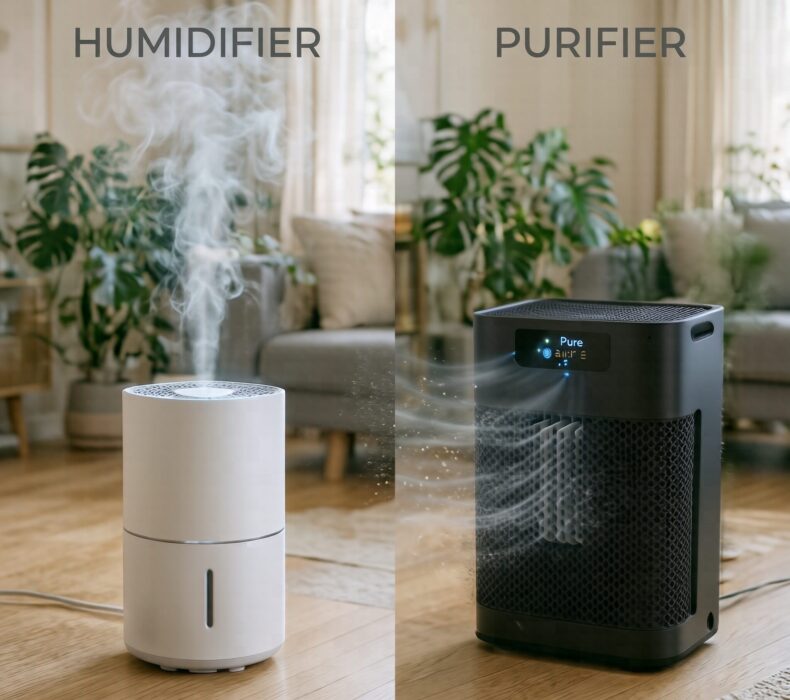
Understanding the differences between air humidifier and air purifier becomes easier when comparing their key features.
Purpose
An air humidifier increases indoor humidity by adding moisture to the air.
An air purifier focuses on improving air cleanliness by filtering airborne particles.
Therefore, they solve different indoor air quality concerns.
How They Work
Air humidifiers produce water vapour or fine mist.
Air purifiers pull air through filters that capture dust, pollen, and other particles before releasing cleaner air back into the room.
As a result, each appliance performs a completely different function.
Best Use Cases
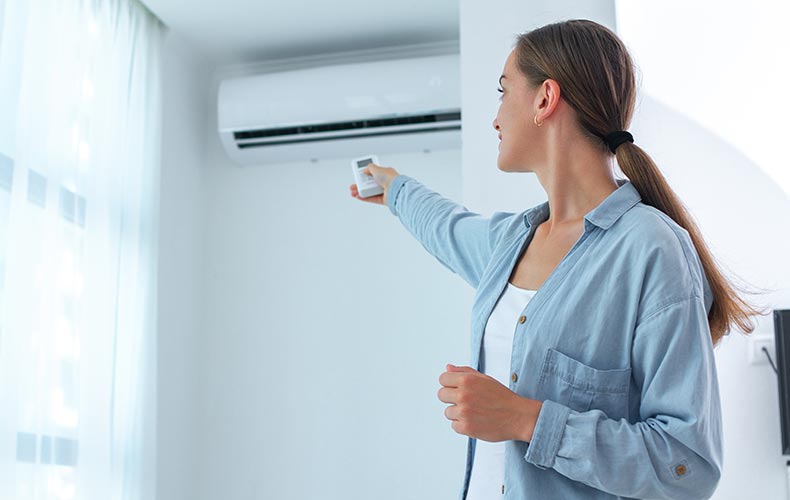
An air humidifier is suitable when indoor air feels too dry, especially during the Harmattan season or after prolonged air conditioner use.
An air purifier is suitable when improving indoor air cleanliness is the priority.
Consequently, the best choice depends on your specific needs.
Effect on Indoor Air
Humidifiers increase humidity levels.
Air purifiers improve air cleanliness without changing humidity.
This is one of the most important differences between the two appliances.
Benefits of an Air Humidifier
Air humidifiers offer several advantages for indoor comfort.
Some benefits include:
Helps maintain comfortable humidity levels
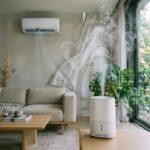
Complements air conditioner use
Creates a more comfortable sleeping environment
Reduces the feeling of dry indoor air
Supports indoor plant care
Helps protect certain wooden furniture from excessive dryness
Additionally, humidifiers can make air-conditioned rooms feel more comfortable.
Benefits of an Air Purifier
Air purifiers are designed to improve indoor air quality.
Some benefits include:
Helps reduce airborne dust
Captures pollen particles
Removes pet dander
Reduces smoke particles
Helps reduce certain household odours
Improves overall indoor air cleanliness
Therefore, they are popular in homes, offices, and commercial spaces.
Can You Use an Air Humidifier and Air Purifier Together?
Yes, many households use both appliances in the same room.
Since they perform different functions, they complement each other well.
For example:
The humidifier helps maintain comfortable humidity.
The purifier helps improve air cleanliness.
Together, they can create a fresher and more pleasant indoor environment.
Common Mistakes to Avoid
Many buyers choose the wrong appliance because they misunderstand its purpose.
Avoid these common mistakes:
Buying a humidifier when your main concern is airborne dust
Buying an air purifier to solve dry indoor air
Ignoring maintenance requirements
Choosing the wrong room capacity
Failing to clean or replace filters regularly
Understanding your indoor air needs will help you choose the right appliance.
How to Maintain Both Appliances
Proper maintenance improves performance and extends the lifespan of both devices.
For humidifiers:
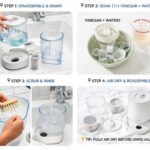
Clean the water tank regularly.
Empty unused water daily.
Follow the manufacturer’s cleaning instructions.
For air purifiers:
Replace filters on schedule.
Clean the exterior regularly.
Keep air intake vents free from dust.
Routine maintenance ensures reliable operation throughout the year.
Should You Buy an Air Humidifier or an Air Purifier?
Your decision should depend on your specific indoor air needs.
Choose an air humidifier if you want to:
Increase indoor humidity
Complement air conditioner use
Improve comfort in dry indoor environments
Choose an air purifier if you want to:
Improve indoor air cleanliness
Reduce dust and airborne particles
Filter unwanted household pollutants
If your budget allows, owning both appliances provides the benefits of balanced humidity and cleaner indoor air.
Conclusion
Understanding the differences between air humidifier and air purifier makes it easier to choose the right appliance for your home or office. Although they are often confused, each device serves a unique purpose. Air humidifiers improve indoor comfort by adding moisture to dry air, while air purifiers improve air quality by filtering airborne particles.









 Get it on
  Download on the