






Introduction
Transforming your living space into a warm, inviting sanctuary can feel overwhelming at first. However, mastering home styling for beginners is much simpler than it seems once you understand the core principles. In this complete review, we will explore practical, easy-to-implement strategies that will help you curate a stylish home that reflects your personality without breaking the bank.
Getting Started with Your Vision
Before you begin moving furniture or buying new decor, it is essential to establish a clear plan for your space. Taking a moment to assess your goals will save you both time and money in the long run.
Defining Your Interior Style
First, take time to discover what design aesthetic appeals to you most. Browse design magazines or create a digital vision board to identify recurring patterns in what you like.
-
Modern minimalist features clean lines and neutral tones.
-
Cozy farmhouse relies on warm woods and rustic textures.
-
Bohemian brings together vibrant patterns and eclectic touches.
Setting a Practical Budget
Next, decide how much you want to invest in your project. Prioritize spending on key focal pieces like sofas or dining tables, while keeping accent pieces budget-friendly.
Mastering Color and Lighting
Color schemes and light sources play a huge role in setting the overall mood of a room.
Choosing the Right Color Palette
Select a cohesive color scheme of three to four shades. Using a neutral base color on walls allows you to easily update your accent colors through pillows, rugs, and art over time.
Maximizing Natural and Artificial Light
Furthermore, good lighting instantly elevates any interior space. Combine ambient overhead lighting with functional task lamps to create depth and warmth throughout the evening.
Furniture Placement and Layering Decor
How you arrange your furniture determines how functional and cozy your room feels.
Arranging Furniture for Flow
Keep traffic paths clear and arrange seating to encourage conversation. Additionally, avoid pushing all your furniture directly against the walls to make the room feel larger.
Adding Textiles and Accessories
Finally, bring character into your room through layering. Add throw blankets, textured rugs, and decorative pillows to introduce softness and visual warmth.
Decluttering and Space Management
Before adding new decorative items, you must clear out unnecessary clutter. A crowded room distracts from your best pieces and creates visual noise.
-
Keep surfaces clear of daily junk like mail and electronics.
-
Use stylish storage baskets to hide loose items quickly.
-
Retain only items that serve a clear function or bring you joy.
Styling Coffee Tables and Shelves
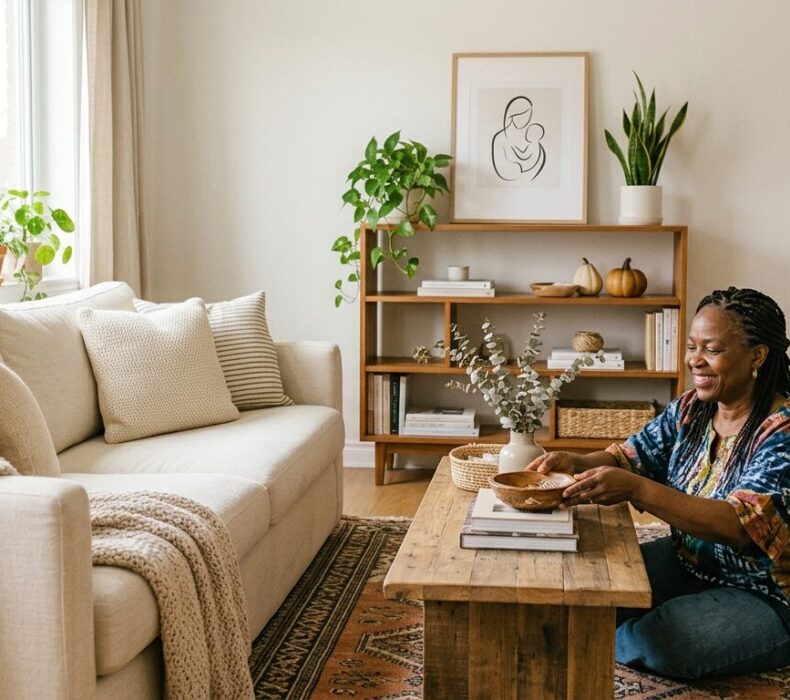
Styling flat surfaces is a simple way to elevate your space. Instead of placing items randomly, structure them in small groupings.
-
Rule of Three: Arrange items in odd numbers, such as three decorative objects of varying heights.
-
Vary Textures: Combine smooth ceramic vases with woven baskets or metallic candle holders.
-
Stack Books: Place two or three coffee table books horizontally to create a base for smaller decor.
Personalizing Your Space with Art and Plants
Art and greenery bring personal character into any room design. Additionally, plants introduce vitality and improve air quality.
-
Hang artwork at eye level so it feels connected to your furniture.
-
Use matching frames for a clean gallery wall or mix styles for a bohemian feel.
-
Incorporate easy-care houseplants like pothos or snake plants for low-maintenance greenery.
Maintaining Your Styled Space
Ultimately, home styling is an ongoing process rather than a one-time project. As seasons change, swap out lightweight textiles for cozy blankets or refresh your decor with seasonal florals to keep your environment feeling fresh and inviting.
Conclusion
Mastering home styling as a beginner comes down to understanding your space, experimenting with layout and light, and adding touches that make the room uniquely yours. By starting small, keeping clutter under control, and layering textures, you can easily create a stylish and comfortable environment you’ll love spending time in.





 Get it on
  Download on the