






Introduction
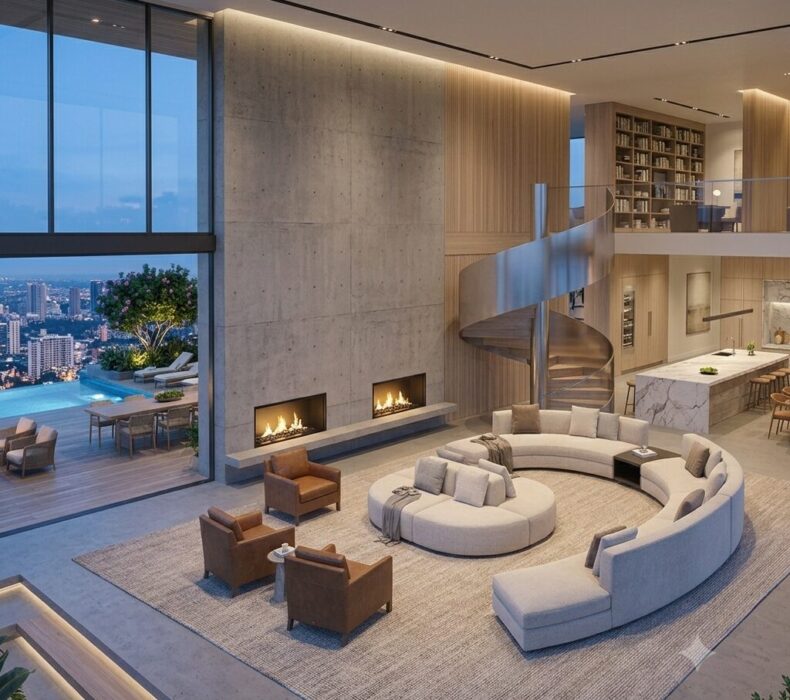
Embracing simplicity in your living environment offers far more than just a clean visual aesthetic; it transforms your everyday lifestyle into a serene experience. Living in a thoughtful minimalist home allows you to strip away non-essential clutter, leaving behind a functional, beautiful sanctuary focused on peace and intentionality. In this complete review, we will evaluate the primary principles of minimalist design, assess its practical daily benefits, and provide actionable tips to cultivate your own serene living space.
Understanding the Core Principles of Minimalist Living
Designing a minimalist space requires a shift in mindset before shifting any furniture. Rather than focusing on what to add to a room, minimalism asks what you can comfortably remove to enhance function and clarity.
The Philosophy of Intentionality
Minimalism is not about living with stark, cold emptiness; instead, it centers on intentional living. Every piece of furniture, artwork, or decor item should serve a clear purpose or bring genuine joy.
-
Choose items that combine form and function seamlessly.
-
Focus on quality over quantity when selecting furnishings.
-
Retain sentimental pieces while curating them thoughtfully.
The Role of Negative Space
In traditional interior design, empty corners are often viewed as blank canvases waiting to be filled. However, in minimalist spaces, negative space is celebrated as a key design element. Leaving room around furniture creates visual breathing space, making even compact rooms feel instantly expansive and open.
Mastering Color Palettes and Natural Lighting
Light and color work together to define the texture and warmth of simplified living environments.
Selecting Monochromatic and Warm Neutral Shades
A subtle, unified color scheme provides the foundation for cohesive interior design. Warm whites, soft greys, sand tones, and muted earth colors make spaces feel bright and tranquil without feeling sterile.
-
Base Shades: Soft ivory, warm beige, and gentle light grey create an airy foundation.
-
Accent Tones: Deep olive, warm taupe, and natural wood grain add refined contrast.
Harnessing Natural Light
Maximizing natural sunlight enhances the warm qualities of neutral color palettes. Keep window treatments light and sheer, or leave windows completely unadorned when privacy permits. Furthermore, placing mirrors strategically opposite light sources reflects sunshine across the room, brightening dark corners naturally.
Selecting Functional Furniture and Smart Storage Solutions
Furniture selection determines whether a space feels effortlessly organized or overcrowded.
Choosing Low-Profile and Geometric Furniture
When choosing furniture, prioritize sleek silhouettes and clean geometric shapes. Low-profile pieces keep sightlines open across the room, which naturally expands the perception of ceiling height and floor area.
Implementing Concealed Storage Solutions
Clutter is the primary obstacle to achieving an open, peaceful interior. Therefore, integrating clever storage solutions is vital. Built-in cabinetry, floating wall shelves, and multi-functional storage benches keep daily necessities easily accessible while completely out of sight.
Decorating with Texture, Plants, and Materials
Without excess accessories, texture becomes the primary method for adding depth and personality to your home.
Layering Tactile Materials
Mixing varied textures prevents neutral rooms from looking flat or uninviting. Consequently, combining woven jute rugs, linen cushions, smooth ceramic vases, and warm timber furniture creates rich visual interest while maintaining simplicity.
Incorporating Organic Greenery
Indoor plants act as natural statement pieces in simplified rooms. A single large fiddle-leaf fig or a trailing pothos brings organic vitality, vibrant color, and fresh air into your space without cluttering flat surfaces.
Practical Daily Habits to Maintain a Minimalist Home
Establishing the One-In, One-Out Rule
Maintaining a streamlined environment requires consistent habits after your initial decluttering effort. Whenever you bring a new piece of clothing, furniture, or decor into your minimalist home, make a point to donate or recycle an existing item. Consequently, your possessions stay balanced, preventing gradual clutter buildup over time.
Evening Reset Routines
In addition, incorporating a five-minute evening reset keeps living areas pristine without feeling overwhelming. Clearing kitchen counters, storing loose items in designated bins, and fluffing sofa cushions before bed ensures you wake up to a fresh, organized space every morning.
Common Mistakes to Avoid in Minimalist Interior Design
Avoiding Cold and Institutional Aesthetics
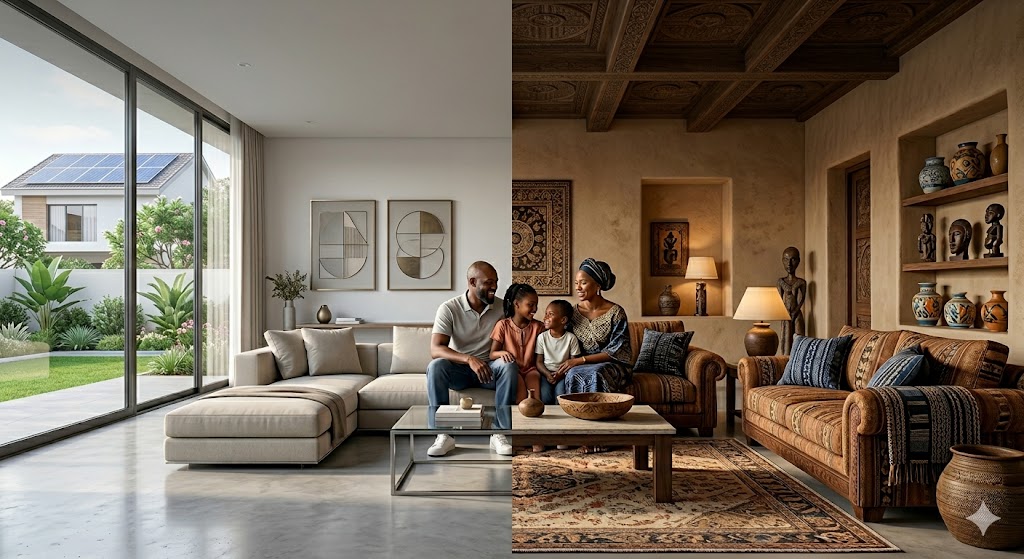
One common misconception is that minimalism requires clinical white walls and sparse, uncomfortable furniture. On the contrary, a successful layout incorporates organic elements, warm lighting, and textured textiles to ensure your space feels cozy and welcoming.
Over-Decluttering Functional Items
Furthermore, removing essential daily tools solely for the sake of empty space counteracts the core goal of functional living. Keep items that genuinely support your daily routine, but utilize hidden storage solutions to keep visual noise at a minimum.
Conclusion
Ultimately, creating a minimalist home is an ongoing journey toward intentionality, comfort, and functional beauty. By focusing on quality furnishings, open layouts, concealed storage, and rich natural textures, you can transform any space into a peaceful retreat that simplifies your daily life.






 Get it on
  Download on the