






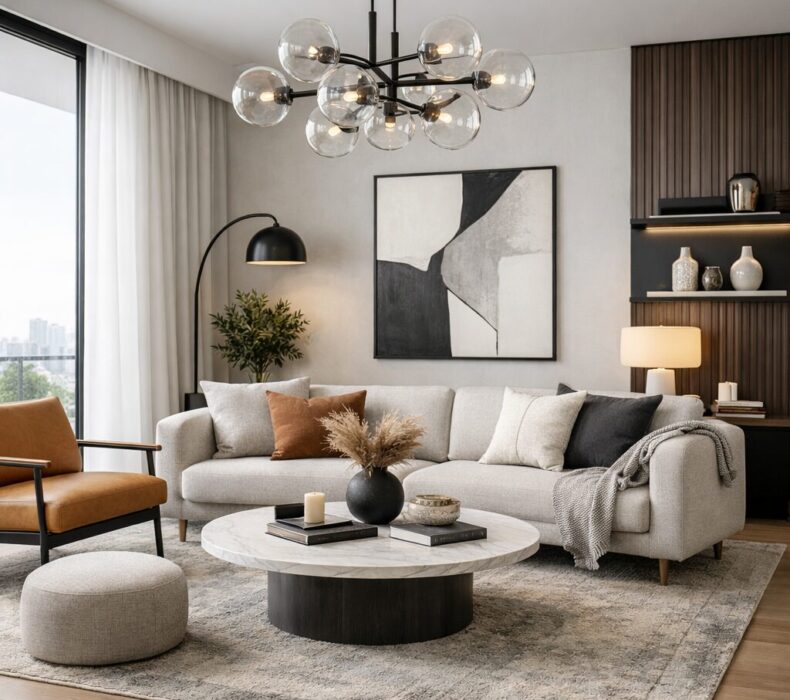
Introduction
Have you ever walked into a house and immediately felt at peace? That feeling of comfort and aesthetic satisfaction is what makes a house a home. People ask on how to create a beautiful home. We will delve into the essential principles of design, practical tips for implementation, and ways to personalize your space, ensuring your home reflects your unique style while being functional and inviting.
Creating a Clear Vision
Before you start painting walls or buying furniture, it’s crucial to have a clear vision for your beautiful home. This doesn’t mean you need a perfect, completed plan from day one, but having a general sense of the style you’re aiming for is vital.
Identifying Your Style
One of the first steps is determining your design aesthetic. Are you drawn to the sleek lines of modern design, the cozy warmth of rustic or farmhouse styles, the eclectic charm of bohemian decor, or the timeless elegance of traditional interiors?
-
Modern: Focused on simplicity, geometric shapes, and a minimalist color palette.
-
Rustic/Farmhouse: Emphasizes natural materials like wood and stone, with a cozy, comfortable feel.
-
Bohemian: Known for its vibrant colors, diverse patterns, and a mix of vintage and modern elements.
-
Traditional: Features classic furniture, rich color schemes, and ornate details.
Finding Inspiration
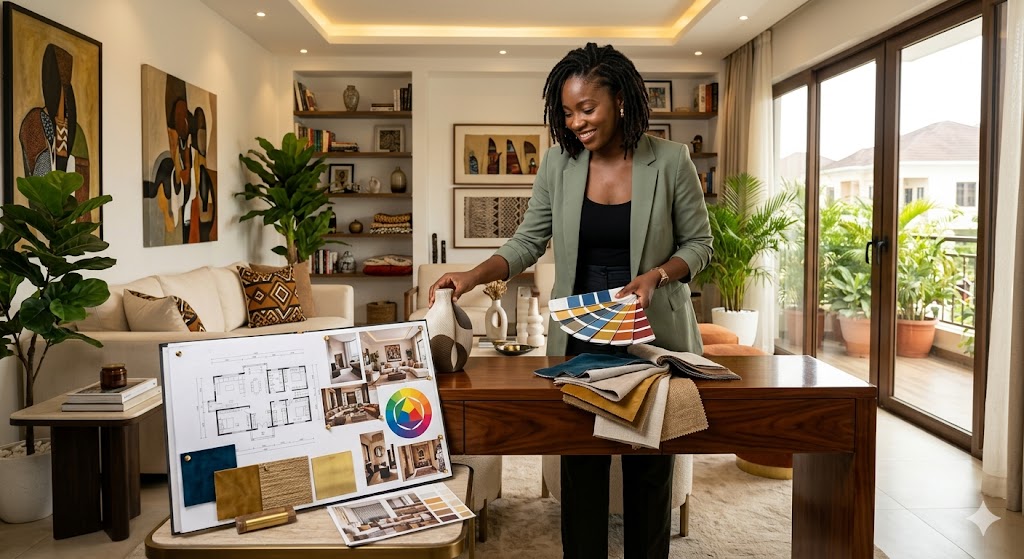
Once you have a general idea, gather inspiration from magazines, Pinterest, Instagram, and design blogs. Create a mood board to visualize how different elements will look together. This practice helps you stay focused and prevents impulse buys that might not fit your overall theme.
The Role of Color and Lighting
Color and lighting are foundational to creating a beautiful home. They dramatically impact the mood and overall aesthetic of any room.
Mastering Your Color Palette
Your color choices set the tone. For smaller rooms, lighter and neutral colors can create an airy and expansive feeling. Darker, richer tones add drama and coziness but are often best suited for larger spaces or as accent walls. Consider the psychology of color: blues and greens offer calmness, while yellows and reds inject energy. Ensure your palette is consistent throughout your home to create a sense of flow.
Optimizing Lighting
Proper lighting is equally critical. Start with a foundation of ambient lighting (e.g., ceiling fixtures). Add task lighting where needed (e.g., table lamps for reading, under-cabinet lights for the kitchen). Finally, introduce accent lighting to highlight architectural features or artwork. Utilizing natural light effectively by keeping windows clear and using light-filtering curtains can make a significant difference in how your space is perceived.
The Power of Furniture and Arrangement
Furniture is the cornerstone of functionality in any beautiful home, but its arrangement significantly affects the look and flow of your space.
Choosing the Right Furniture
When selecting furniture, prioritize a mix of style, comfort, and durability. Invest in quality core pieces like a sofa, bed, or dining table, as these are the items you will use the most. Ensure your choices are in scale with your rooms – oversized furniture can make a space feel cramped, while too-small pieces can seem insignificant.
Perfecting Room Layout
Arrangement is an art. Create conversation areas in the living room by positioning seating to face each other. Keep walkways clear and maintain a comfortable flow between areas. Use area rugs to define different spaces, especially in open-plan homes, which helps to visually organize the area.
Incorporating Accessories and Decor
Accessories are what personalize your space, transforming a simple room into your specific beautiful home.
The Art of Accessorizing
Decor is your opportunity to express yourself. Mix textures with throw pillows, blankets, and curtains. Layer different materials – metal, wood, glass, and textiles – to add depth and interest. When styling shelves or tables, use the rule of three: groups of odd numbers look more natural and appealing to the eye.
Incorporating Plants and Natural Elements
Plants and natural elements like wood and stone bring life and warmth into any interior, essential for a beautiful home. Greenery instantly refreshes a space and improves air quality. Even low-maintenance plants like succulents or snake plants can make a significant difference. Natural elements add texture and a calming, organic feel.
Maintaining Functionality and Organization
Ultimately, a beautiful home must be lived in, and it should support your daily activities efficiently.
Prioritizing Organization
Storage solutions are paramount for maintaining a clutter-free environment. Clutter can distract from even the most thoughtful design. Utilize hidden storage, decorative baskets, and functional furniture like ottomans with storage compartments. Dedicate a space for everything, which makes it easier to keep your home tidy.
Creating Functional Zones
Divide your rooms into functional zones. For example, in a living room, you might have a conversation zone, a media zone, and a cozy reading nook. This purposeful use of space makes your home feel more organized and ensures it works for you.
Adding Final Personal Touches
The last, yet arguably most important step is adding personal touches.
Making It Your Own
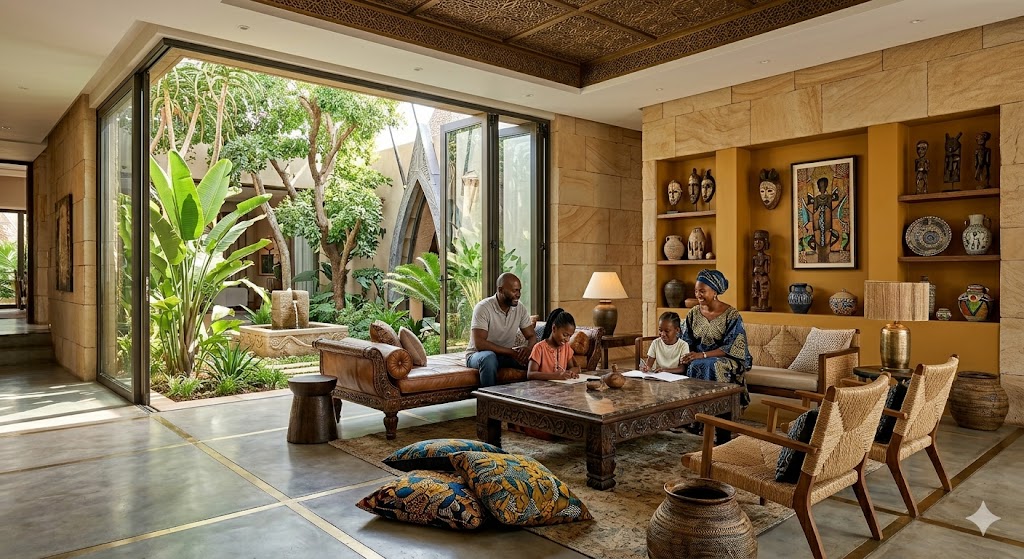
Displaying cherished photos, meaningful artwork, or unique travel mementos makes your space truly feel like your home. These personal items are what give a house character and warmth, completing the picture of a beautiful home.
By following these principles and personalizing each element, you can transform your house into a cozy sanctuary. Creating a beautiful home is a journey, not a destination, so take your time and enjoy the process.
Conclusion
Ultimately, creating a beautiful home is a personal journey that blends functional design with your own unique style. By focusing on a cohesive color palette, optimizing your lighting, arranging furniture intentionally, and adding meaningful decor, you can transform any living space into a welcoming sanctuary.




 Get it on
  Download on the