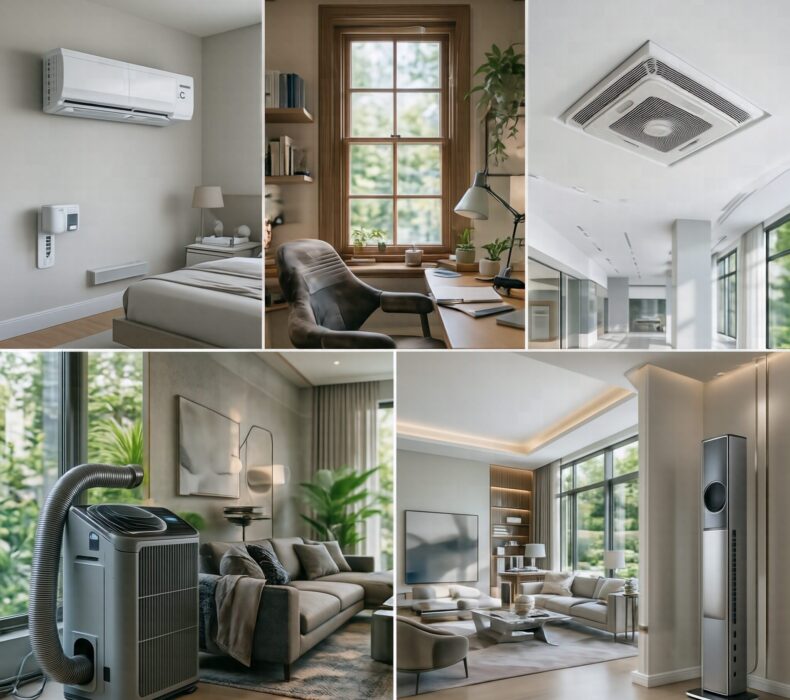
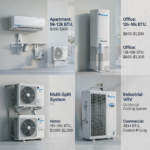
Choosing an air conditioner is easier when you understand the options available. Understanding the different types of Air conditioners helps homeowners and business owners select a cooling system that matches their space, budget, and energy needs. Since every home and office has unique cooling requirements, knowing how each type works can save money, improve comfort, and increase energy efficiency. Whether you are upgrading your existing unit or buying your first air conditioner, this guide explains the most common types and their advantages.
Every air conditioner is designed for a specific purpose. While some models are perfect for small bedrooms, others are built to cool large commercial spaces.
By Understanding the different types of Air conditioners, you can:
Choose the correct cooling capacity
Reduce electricity consumption
Improve indoor comfort
Lower maintenance costs
Extend the lifespan of your air conditioner
Make a smarter long-term investment
Furthermore, selecting the right system prevents overspending on unnecessary features or buying a unit that cannot adequately cool your space.
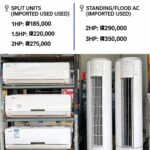
Split Air Conditioners
Split air conditioners are among the most popular cooling systems in Nigerian homes.
They consist of two separate units:
An indoor unit mounted on the wall
An outdoor unit containing the compressor
Because the noisy compressor remains outside, split air conditioners operate quietly while delivering powerful cooling.
Advantages of Split Air Conditioners
Quiet operation
Modern appearance
Excellent cooling performance
Energy-efficient inverter options
Suitable for medium and large rooms
Best For
Living rooms
Bedrooms
Offices
Hotels
Restaurants
Although split air conditioners cost more than window units, they often provide better comfort and long-term energy savings.
Window Air Conditioners
Window air conditioners combine all components into a single unit that fits into a window or specially prepared wall opening.
They remain a practical option for people seeking affordable cooling.
Advantages of Window Air Conditioners
Lower purchase price
Easy installation
Compact design
Simple maintenance
Reliable performance
Best For
Small apartments
Bedrooms
Student accommodation
Small offices
However, window air conditioners are generally noisier than split systems because the compressor is located within the same unit.
Portable Air Conditioners
Portable air conditioners offer flexibility because they can be moved from one room to another.
Instead of permanent installation, they use an exhaust hose that vents warm air through a nearby window.
Advantages of Portable Air Conditioners
Easy mobility
No permanent installation
Suitable for temporary cooling
Ideal for rented apartments
Best For
Rental homes
Temporary workspaces
Guest rooms
Small offices
Although convenient, portable air conditioners usually provide lower cooling efficiency compared to split systems.
Floor-Standing Air Conditioners
Floor-standing air conditioners are designed to cool large spaces quickly.
Unlike wall-mounted systems, these units stand directly on the floor and deliver powerful airflow.
Advantages of Floor-Standing Air Conditioners
High cooling capacity
Fast temperature reduction
Attractive design
Easy accessibility
Best For
Large living rooms
Event centres
Churches
Conference halls
Restaurants
They are especially useful where wall installation is difficult or additional cooling power is required.
Cassette Air Conditioners
Cassette air conditioners are installed within suspended ceilings, leaving only the decorative panel visible.
They distribute cool air evenly in multiple directions.
Advantages of Cassette Air Conditioners
Uniform air distribution
Space-saving installation
Quiet operation
Professional appearance
Best For
Hotels
Offices
Shopping centres
Conference rooms
Restaurants
Although installation costs are higher, cassette systems provide excellent cooling for commercial spaces.
Ceiling Suspended Air Conditioners
Ceiling suspended units are mounted beneath the ceiling instead of inside it.
They are ideal for buildings without false ceilings.
Advantages
Strong airflow
Wide cooling coverage
Suitable for open spaces
Professional appearance
Best For
Restaurants
Retail stores
Offices
Large halls
They provide an excellent alternative where cassette installation is not possible.
Central Air Conditioning Systems
Central air conditioning systems cool multiple rooms from one central unit using ducts.
These systems are common in large residential properties and commercial buildings.
Advantages
Whole-building cooling
Consistent temperatures
Quiet indoor operation
High energy efficiency for large spaces
Improved indoor comfort
Best For
Luxury homes
Hotels
Hospitals
Office complexes
Shopping malls
Although installation costs are significant, central systems provide unmatched convenience for large buildings.
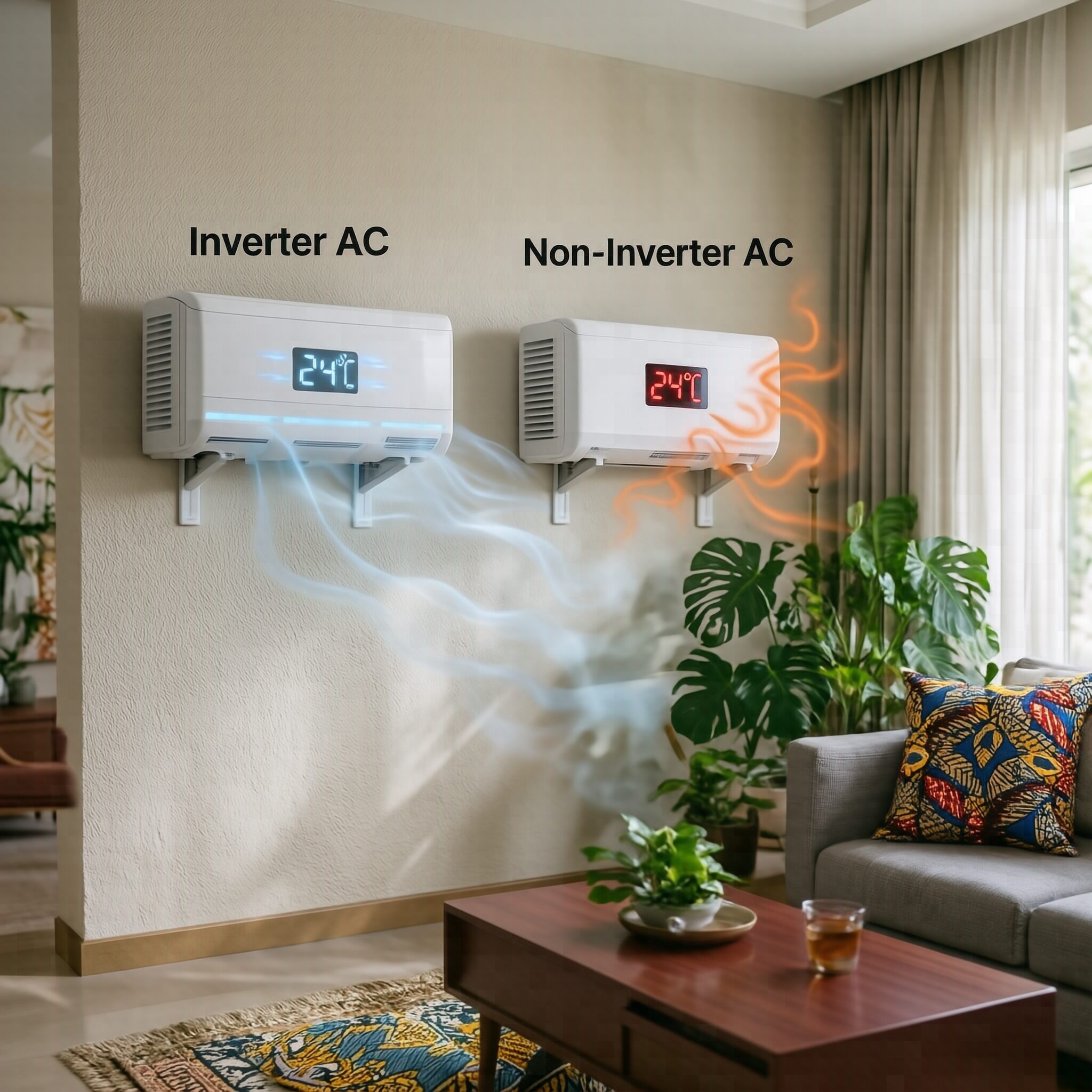
Inverter Air Conditioners
Inverter technology is available in several air conditioner types, especially split systems.
Unlike conventional compressors, inverter compressors automatically adjust their speed according to cooling demand.
Benefits
Lower electricity bills
Faster cooling
Reduced noise
Longer compressor lifespan
Stable indoor temperatures
For households that use air conditioners regularly, inverter technology offers substantial long-term savings.
Non-Inverter Air Conditioners
Non-inverter air conditioners use traditional compressors that repeatedly switch on and off.
Advantages
Lower purchase cost
Simple operation
Affordable maintenance
However, they usually consume more electricity because of frequent compressor restarts.
Tips for Choosing the Right Air Conditioner
Before purchasing an air conditioner:
Measure your room size accurately.
Compare energy efficiency ratings.
Choose a trusted brand.
Verify warranty coverage.
Hire qualified installers.
Consider future maintenance costs.
Buy from authorized dealers.
These steps will help ensure reliable performance and better value for your investment.
Common Mistakes to Avoid
Many buyers overlook important factors when selecting an air conditioner.
Avoid these common mistakes:
Choosing the wrong cooling capacity
Ignoring energy efficiency
Buying based only on price
Skipping professional installation
Neglecting routine maintenance
Purchasing from unreliable sellers
Making informed decisions will improve both comfort and long-term satisfaction.
Conclusion
Understanding the different types of Air conditioners is the first step toward choosing a cooling system that meets your needs and budget. Whether you prefer the quiet efficiency of a split air conditioner, the affordability of a window unit, the flexibility of a portable model, or the powerful performance of a central system, selecting the right type will improve comfort and reduce long-term operating costs.










 Get it on
  Download on the