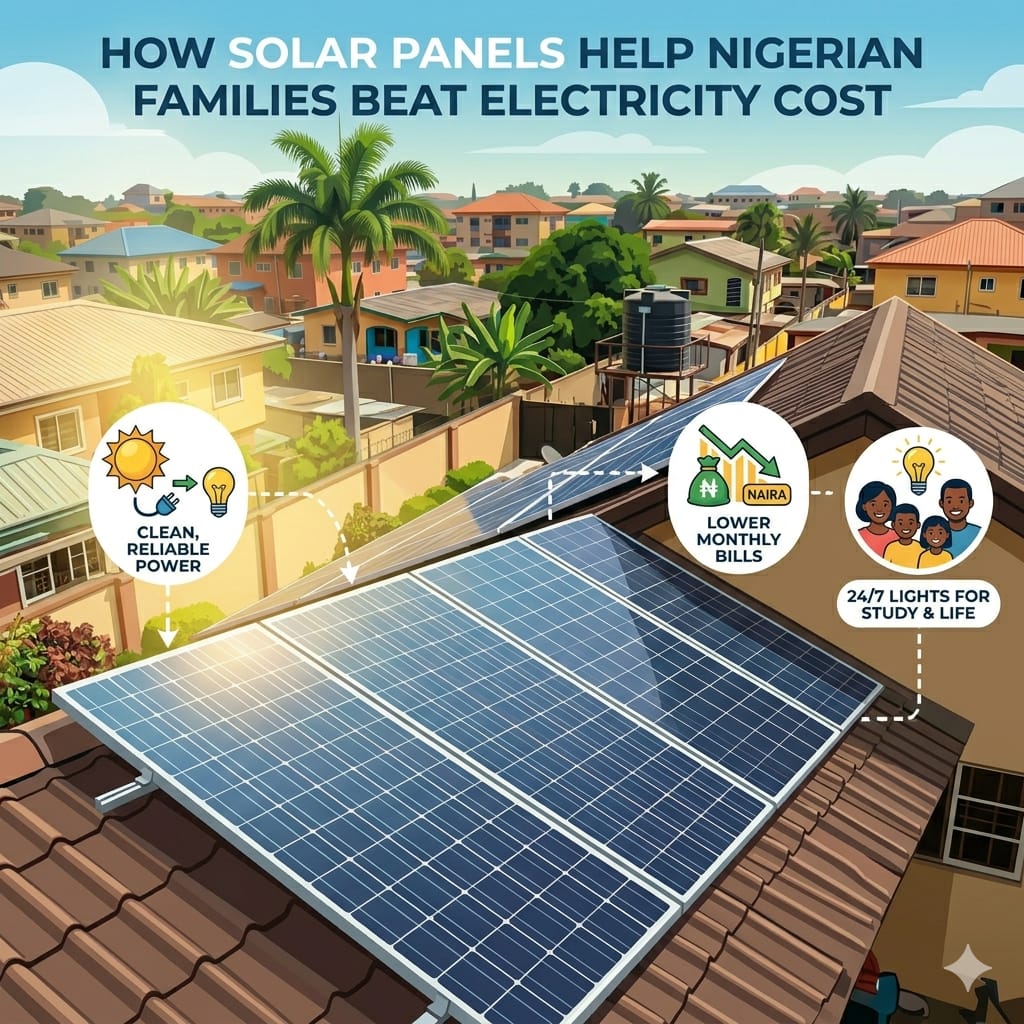
With rising electricity costs and frequent power outages, many homeowners are searching for reliable alternative energy solutions. The best solar systems for Nigerian homesprovide clean, sustainable, and cost-effective electricity while reducing dependence on the national grid. Whether you live in a small apartment, a medium-sized family home, or a large residence, choosing the right solar system can significantly improve your energy independence and long-term savings.
Why Solar Power Is Growing in Nigeria
Nigeria receives abundant sunshine throughout the year, making solar energy a practical and efficient power source.
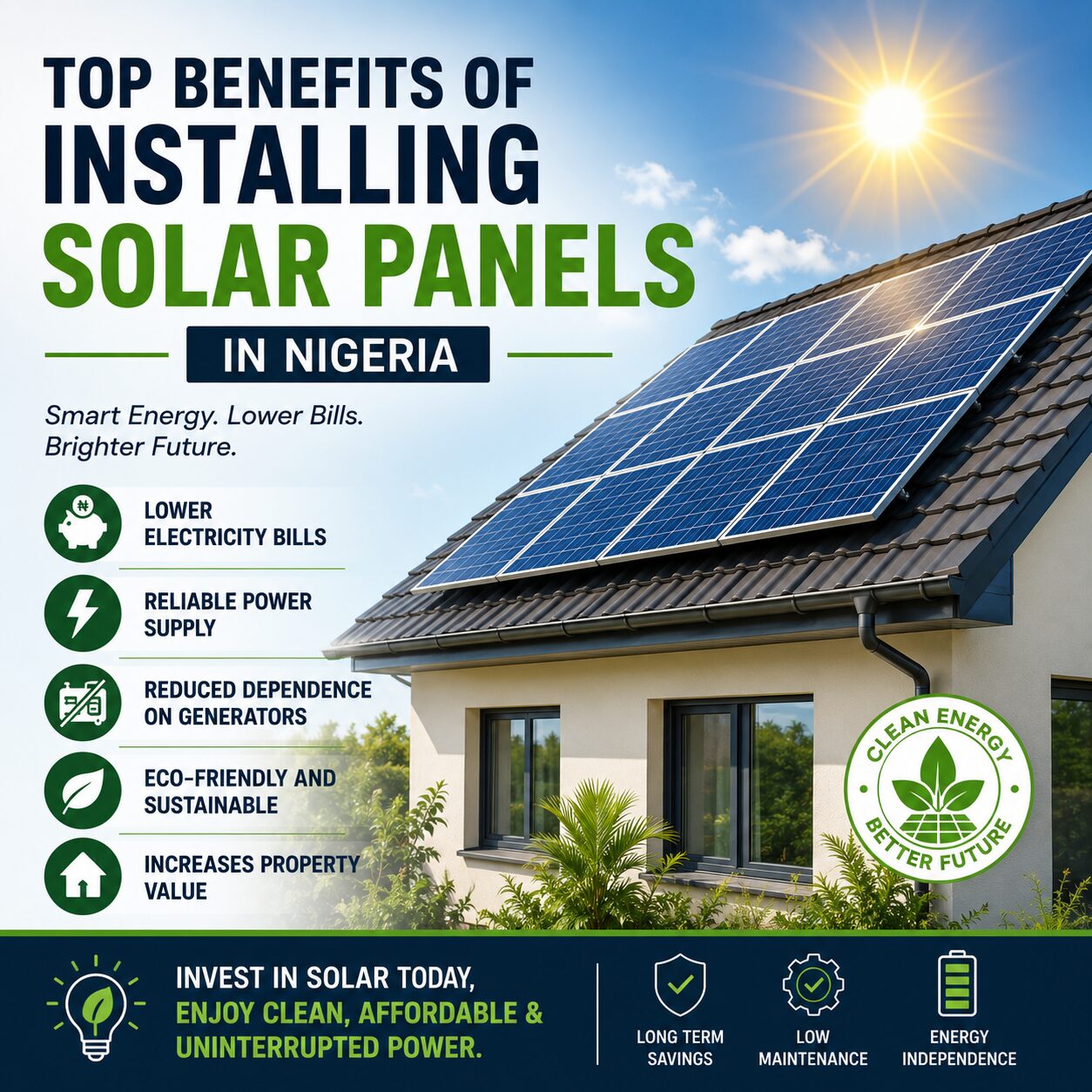
As a result, more homeowners are switching to solar systems because they offer:
Reduced electricity expenses
Reliable backup power
Lower generator dependence
Minimal maintenance requirements
Environmentally friendly energy production
Furthermore, solar systems can continue providing power even during prolonged grid outages.
What Makes a Good Solar System?
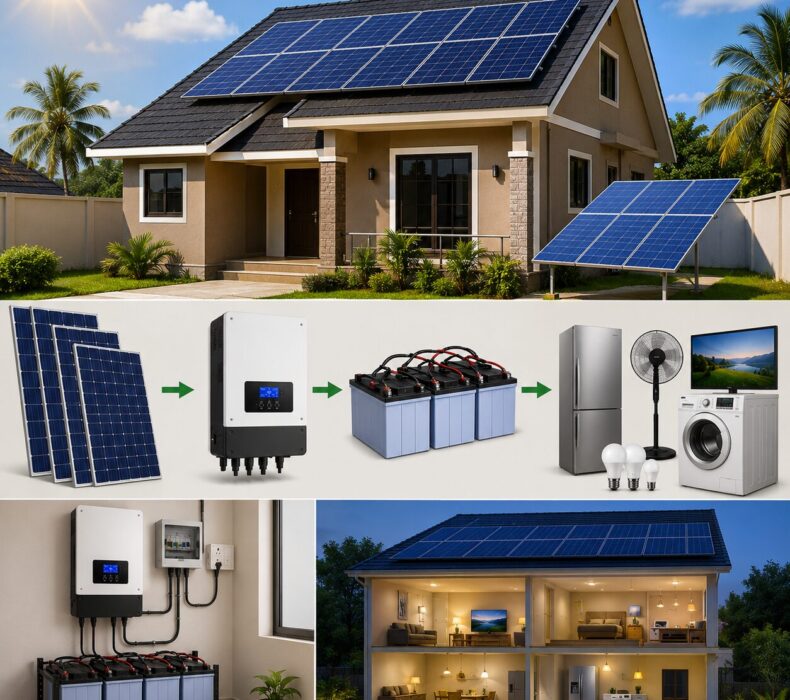
Before selecting a solar solution, it is important to understand the key components that determine performance.
Solar Panels
Solar panels capture sunlight and convert it into electricity.
When choosing panels, consider:
Efficiency ratings
Durability
Weather resistance
Warranty coverage
Consequently, high-quality panels often deliver better long-term value.
Inverter
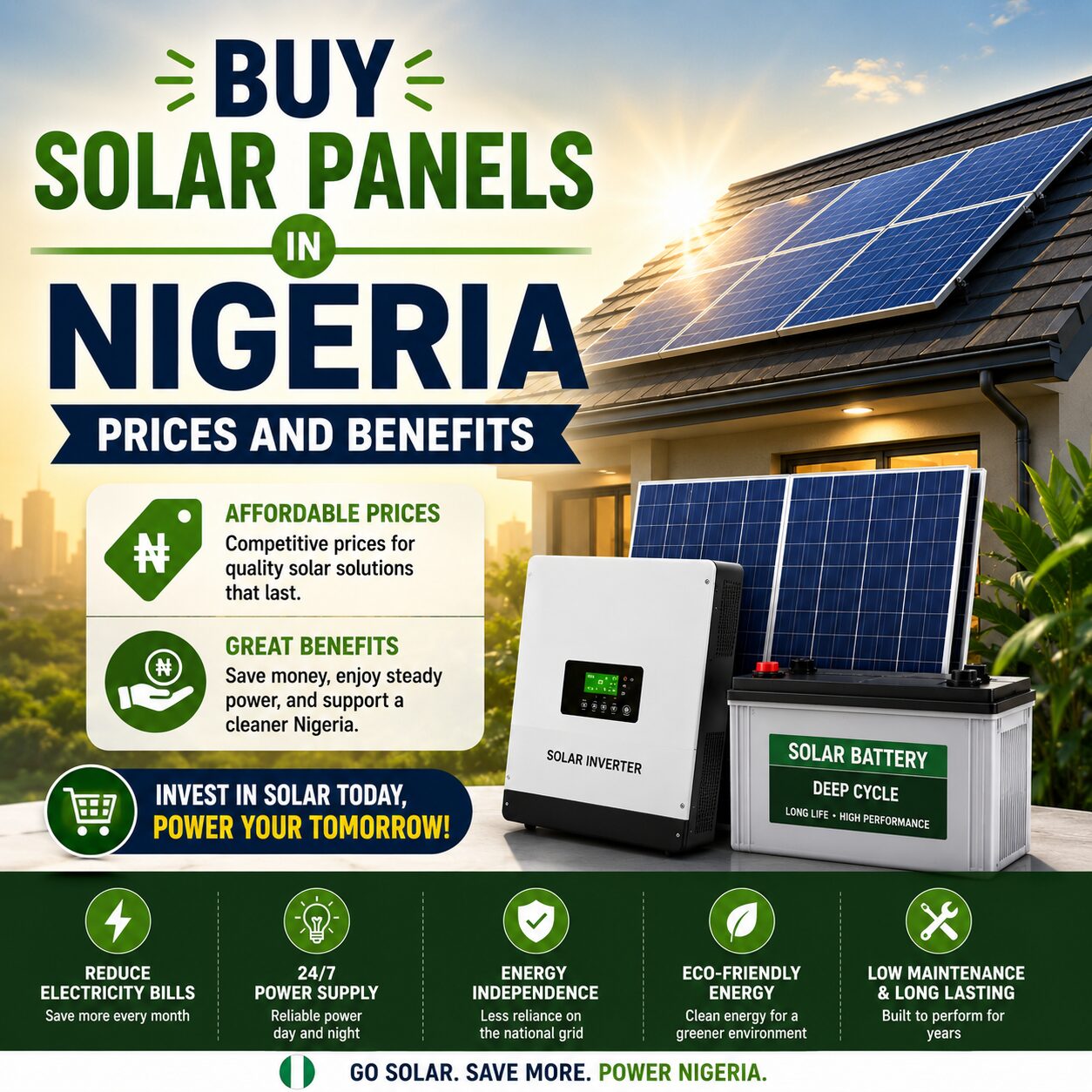
The inverter converts solar-generated electricity into usable household power.
Popular options include:
Pure sine wave inverters
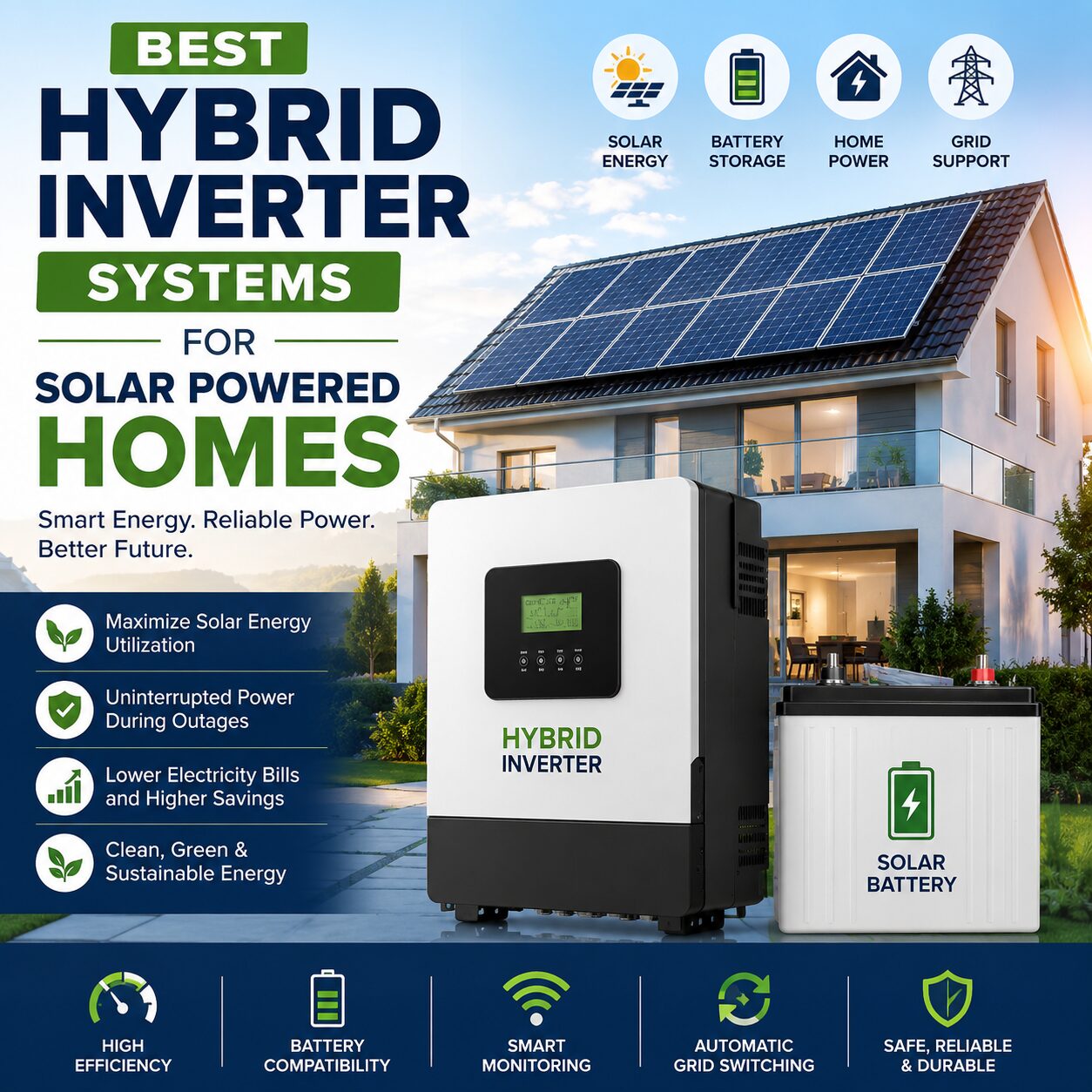
Hybrid inverters
Off-grid inverters
Additionally, hybrid models allow integration with batteries and grid power.
Battery Storage
Batteries store excess energy for use during nighttime or cloudy conditions.
Important considerations include:
Battery capacity
Lifespan
Charging efficiency
Maintenance requirements
Therefore, battery quality is just as important as the solar panels themselves.
Best Solar Systems for Nigerian Homes by Household Size
1. Small Home Solar System (1kVA – 2kVA)
This setup is ideal for:
Single-room apartments
Small households
Basic energy needs
Typically, it can power:
LED lights
Fans
Televisions
Wi-Fi routers
Phone chargers
As a result, it offers an affordable entry point into solar energy.
2. Medium Home Solar System (3kVA – 5kVA)
A medium-capacity system works well for average family homes.
It can support:
Refrigerators
Multiple televisions
Laptops
Lighting systems
Fans
Moreover, it provides greater flexibility during extended outages.
3. Large Home Solar System (5kVA – 10kVA)
Large homes with higher energy demands require more powerful systems.
These systems can comfortably power:
Air conditioners
Washing machines
Home theaters
Freezers
Security systems
Consequently, homeowners enjoy uninterrupted comfort and convenience.
Benefits of Installing Solar Systems
Significant Long-Term Savings
Although installation costs can be substantial initially, solar systems reduce electricity expenses over time.
Therefore, homeowners often recover their investment through lower energy bills.
Reduced Generator Usage
Many Nigerian households spend heavily on generator fuel.
By switching to solar power:
Fuel expenses decrease
Noise pollution is reduced
Maintenance costs become lower
Furthermore, households experience greater energy reliability.
Environmentally Friendly Energy
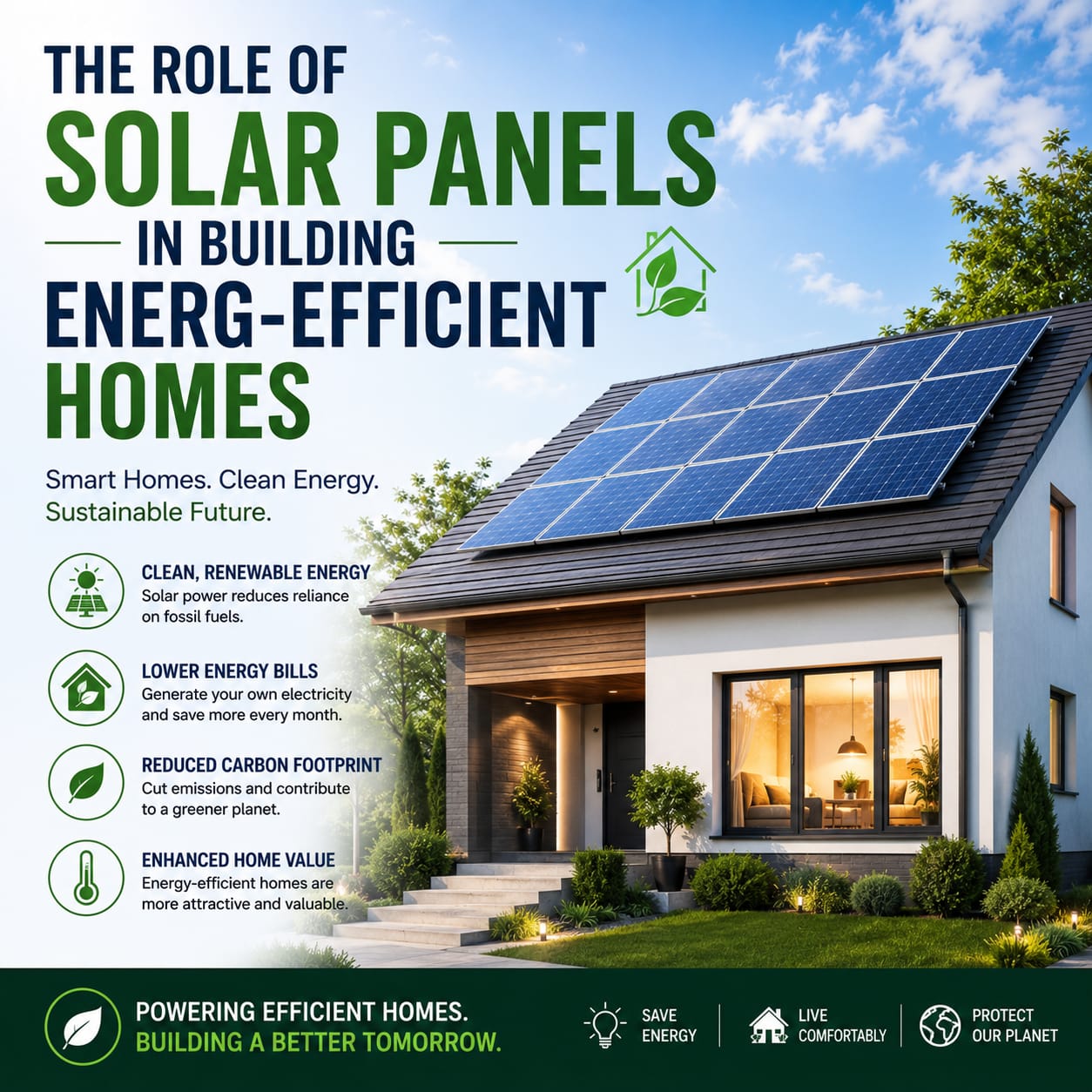
Solar power generates clean electricity without harmful emissions.
As a result, it contributes to a healthier environment and a reduced carbon footprint.
Increased Property Value
Homes equipped with solar systems often attract higher resale values.
Additionally, buyers increasingly view renewable energy systems as desirable features.
Factors to Consider Before Buying
Calculate Your Energy Consumption
Begin by identifying the appliances you intend to power.
For example:
Refrigerators
Air conditioners
Televisions
Computers
Lighting
Consequently, accurate calculations help prevent under-sizing or oversizing your system.
Evaluate Available Roof Space
Solar panel placement affects performance significantly.
Therefore, ensure:
Adequate roof space exists
Panels receive maximum sunlight
Nearby structures do not create excessive shading
Consider Future Expansion
Your energy needs may grow over time.
As a result, selecting a scalable solar system can save money on future upgrades.
Check Warranty and Support
Reliable suppliers should offer:
Product warranties
Installation support
Technical assistance
Maintenance services
Furthermore, strong after-sales support improves long-term satisfaction.
Solar Systems and Energy Independence
One of the greatest advantages of solar energy is increased independence from unreliable grid electricity.
Homeowners can:
Enjoy uninterrupted power
Reduce fuel dependence
Lower monthly expenses
Improve household comfort
As solar technology continues to advance, these benefits become even more attractive.
Why Solar Power Is a Smart Investment
The best solar systems for Nigerian homes provide more than just backup power. They offer long-term financial savings, environmental benefits, and greater energy security. While the initial investment may seem significant, the reduced cost of electricity and generator fuel often makes solar systems a cost-effective solution over time.
Additionally, government support and increasing solar adoption continue to improve affordability and accessibility.
Conclusion
Choosing the best solar systems for Nigerian homes requires careful evaluation of energy needs, system components, battery capacity, and future expansion plans. Whether you need a small setup for essential appliances or a larger system for complete home power, investing in solar energy can deliver reliable electricity, lower operating costs, and long-term peace of mind. By selecting quality equipment and professional installation, homeowners can enjoy the full benefits of renewable energy for many years.







 Get it on
  Download on the