Nigerian Interior Design Brands Compared: Style, Quality, and Value

Nigerian Interior Design Brands Compared: Style, Quality, and Value

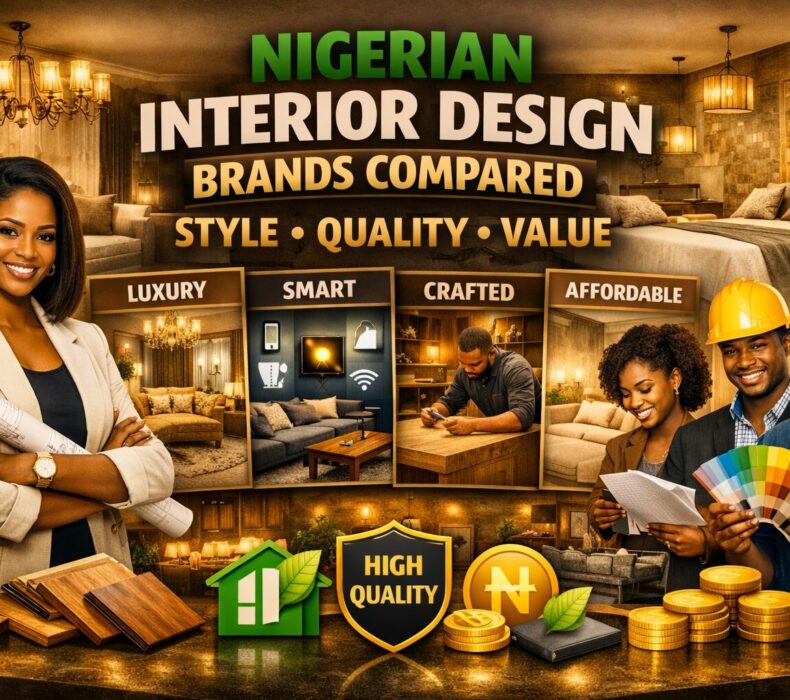
The interior design industry in Nigeria has grown tremendously over the past decade, driven by increasing urbanization, rising property development, and greater awareness of modern design trends. As homeowners and businesses invest more in creating attractive and functional spaces, Nigerian Interior Design Brands continue to play a significant role in shaping contemporary interiors. Today, consumers are not only concerned about aesthetics but also demand quality, durability, innovation, and value for money. Consequently, comparing interior design brands based on style, quality, and value has become essential for anyone planning a residential or commercial interior project.

But with so many options available, how do you decide which brand offers the best style, quality, and value? This article compares leading Nigerian interior design brands, highlighting their strengths, design philosophies, and customer experiences. Whether you’re renovating your home or furnishing a new space, these insights will help you make an informed choice.


The Growth of Nigeria’s Interior Design Industry

Nigeria’s interior design sector has evolved significantly in recent years.

Traditionally, interior decoration focused mainly on furniture placement and decorative accessories. However, modern interior design now encompasses:

  • Space planning
  • Lighting design
  • Material selection
  • Furniture specification
  • Smart technology integration
  • Sustainability solutions

Additionally, increasing real estate development has created greater demand for professional interior design services.

As a result, numerous brands and firms have emerged to meet the needs of homeowners, property developers, hospitality operators, and corporate organizations.

Furthermore, changing lifestyles continue to drive innovation within the industry.


Why Interior Design Brands Matter

Many people focus exclusively on individual designers when planning projects. However, the brand behind a design company often reflects important qualities.

Established brands typically offer:

  • Consistent service standards
  • Strong quality control
  • Reliable supplier networks
  • Professional project management
  • Customer support systems

Consequently, brand reputation often influences project outcomes.

Additionally, reputable brands invest heavily in innovation, staff development, and customer satisfaction.

Therefore, understanding the strengths and weaknesses of different brands can help clients make better decisions.


Understanding Style in Interior Design

Style remains one of the most visible differentiators among interior design brands.

However, style extends beyond aesthetics.

It encompasses:

  • Design philosophy
  • Space utilization
  • Material choices
  • Color schemes
  • Furniture selection
  • User experience

Furthermore, each brand often develops a distinctive approach that appeals to specific client preferences.

As a result, selecting a company whose design style aligns with your vision is essential.


Benefits of Choosing the Right Interior Design Brand

Selecting the right brand offers numerous advantages.

Better Design Outcomes

Professional expertise produces attractive and functional spaces.

Increased Property Value

Quality interiors often enhance market appeal.

Reduced Stress

Experienced firms manage projects more efficiently.

Long-Term Satisfaction

Durable materials and thoughtful planning create lasting value.

Consequently, clients enjoy greater confidence in their investments.


Popular Design Styles in Nigeria

Modern Nigerian interior design incorporates various influences.

Contemporary Design

Contemporary interiors emphasize clean lines, simplicity, and functionality.

Common features include:

  • Neutral color palettes
  • Open layouts
  • Minimal ornamentation
  • Modern furniture

Consequently, contemporary design remains one of the most popular choices among urban homeowners.

Luxury Interior Design

Luxury interiors focus on elegance, sophistication, and premium materials.

Popular elements include:

  • Marble surfaces
  • Custom furniture
  • Designer lighting
  • High-end finishes

Furthermore, luxury designs often create strong visual impact while maximizing comfort.

Minimalist Design

Minimalism prioritizes simplicity and efficiency.

Key characteristics include:

  • Uncluttered spaces
  • Functional furniture
  • Neutral tones
  • Clean architectural details

As a result, minimalist interiors appeal to homeowners seeking calm and organized environments.

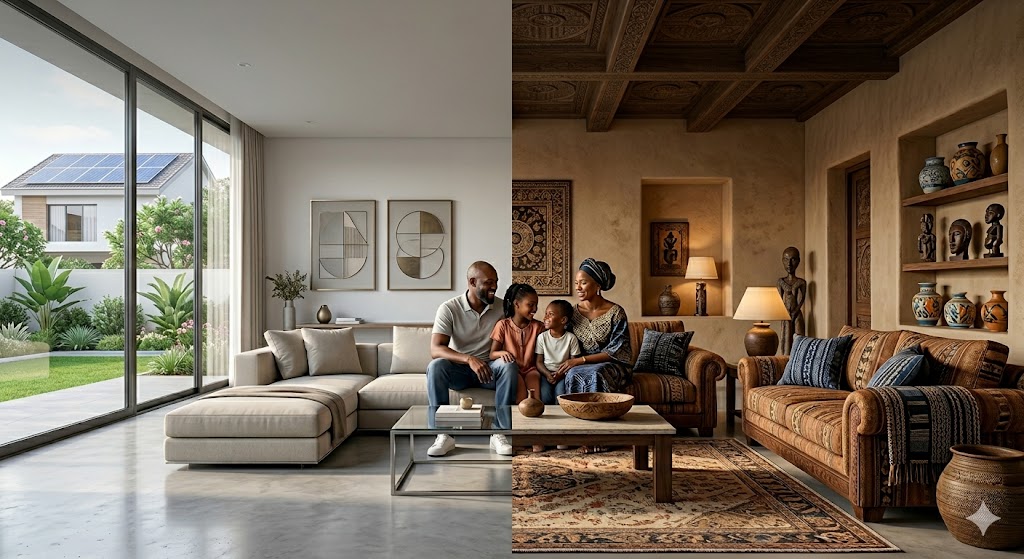
Afro-Contemporary Design

Many Nigerian brands combine modern design principles with cultural influences.

This style often incorporates:

  • Indigenous materials
  • African artwork
  • Local craftsmanship
  • Traditional textures

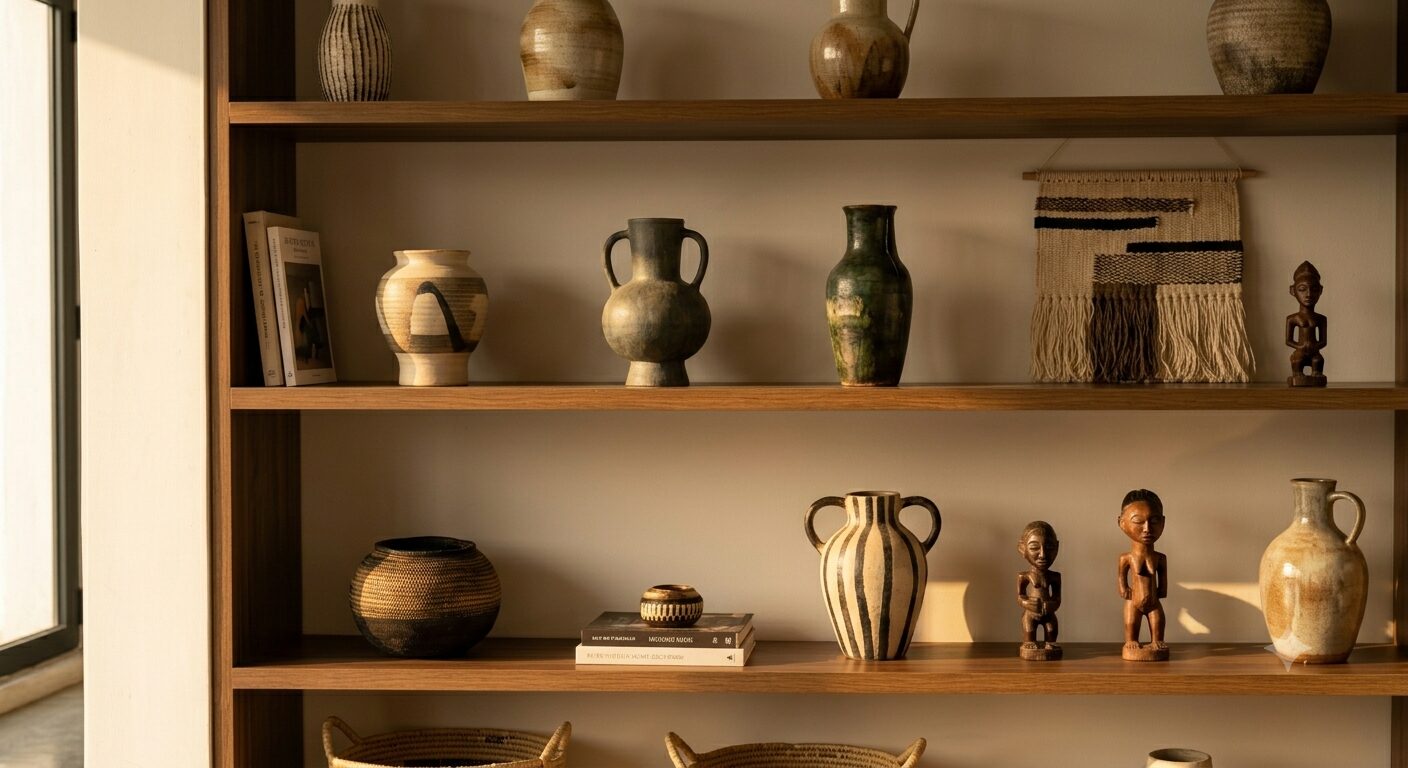
Consequently, Afro-contemporary interiors create unique and culturally meaningful spaces.


The Ultimate Comparison Matrix at a Glance

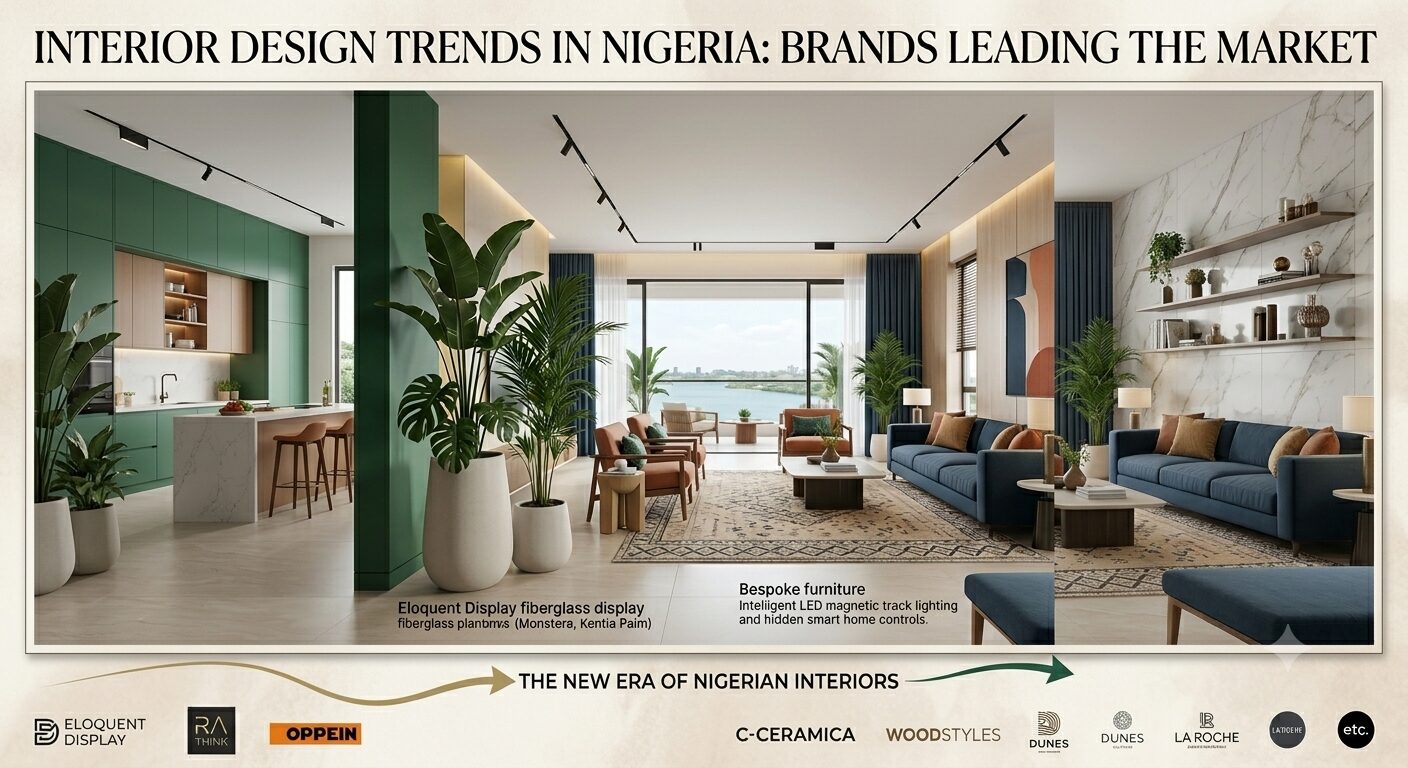
Before exploring each brand in detail, the table below provides a clear comparison of leading Nigerian interior design brands based on their primary design style, material quality, and overall value proposition.

Brand Name Primary Design Style Material Quality Value Proposition
Eloquent Display Afro-Minimalist, Modern Urban Luxury Premium Fiberglass, Custom HMR Boards, High-End Finishes High Value, Competitive Pricing, Strong Customization
RA Think Design Ultra-Luxury Italian, Sleek Contemporary Industrial-Grade HMR Joinery, Premium Imported Materials Premium Investment, Exceptional Craftsmanship
Woodstyles Ltd Timeless Classical, Corporate Executive Interiors Solid Hardwoods, Rare Wood Veneers, Bespoke Woodwork Bespoke Luxury, High-End Market Position
Oppein Nigeria European Modular, High-Gloss Contemporary Factory-Manufactured Imported Composites, Engineered Materials Mid-to-High Luxury, International Brand Standards
Lima Home Modern Contemporary, Functional Residential Design Quality Engineered Wood, Modern Surface Finishes Affordable Luxury, Good Value for Homeowners
The Building Practice Modern Minimalist, Space-Optimized Interiors Premium Architectural Materials, Custom Finishes Strong Design Innovation, Premium Value
Design for Love (DFL) Elegant Contemporary, Personalized Interiors High-Quality Furniture, Decorative Finishes Excellent Customer Experience, Mid-to-Premium Value
Hut by Design Contemporary Luxury, Hospitality-Inspired Interiors Premium Imported Materials and Bespoke Elements Luxury-Focused, High-End Residential Solutions

Quick Analysis

Criteria Best Performing Brand(s)
Luxury Interior Design RA Think Design, Hut by Design
Bespoke Woodwork Woodstyles Ltd
Value for Money Eloquent Display, Lima Home
Modern Contemporary Style Oppein Nigeria, RA Think Design
Afro-Contemporary Design Eloquent Display
Corporate & Executive Spaces Woodstyles Ltd
Modular Kitchen Solutions Oppein Nigeria
Customer-Centric Design Services Design for Love (DFL)
Innovation & Space Planning The Building Practice

Evaluating Quality Among Interior Design Brands

Quality remains one of the most important factors when comparing brands.

However, quality involves multiple dimensions.

Design Excellence

High-quality firms create designs that are both attractive and practical.

Furthermore, successful interiors should support daily activities while maintaining visual appeal.

Consequently, design excellence requires balancing creativity with functionality.

Material Standards

The durability and appearance of finished interiors depend heavily on materials.

Leading brands often prioritize:

  • Premium furniture
  • Durable finishes
  • Reliable fixtures
  • Quality fabrics

Additionally, superior materials reduce maintenance requirements and improve long-term value.

Workmanship

Execution quality significantly affects project outcomes.

Even excellent design concepts can fail if implemented poorly.

Therefore, attention to detail and craftsmanship remain critical indicators of quality.

Project Management

Professional project management helps ensure:

  • Timely completion
  • Budget control
  • Effective coordination
  • Quality assurance

As a result, strong management practices contribute significantly to overall quality.


Why Value Matters More Than Price

Many clients focus primarily on cost when evaluating interior design services.

However, value extends far beyond pricing.

True value considers:

  • Design quality
  • Durability
  • Functionality
  • Customer experience
  • Long-term performance

Consequently, the lowest-priced option may not always provide the best investment.

Furthermore, quality design often generates substantial returns through increased property value and reduced maintenance costs.


Factors Influencing Interior Design Costs

Several variables affect pricing across the industry.

Project Size

Larger projects naturally require more resources.

Examples include:

  • Luxury residences
  • Commercial offices
  • Hotels
  • Retail spaces

Consequently, project scale significantly influences budgets.

Scope of Services

Some brands offer comprehensive services, including:

  • Design development
  • Procurement
  • Installation
  • Project supervision

Others may provide limited consulting services only.

As a result, pricing structures vary considerably.

Material Selection

Premium materials increase project costs.

However, they often provide better performance and longevity.

Therefore, homeowners should consider long-term value rather than focusing solely on upfront expenses.

Customization

Custom-made furniture and bespoke design solutions generally require higher investment.

Nevertheless, customization often creates more personalized and distinctive spaces.


Customer Experience as a Competitive Advantage

Customer experience increasingly differentiates leading interior design brands.

While creativity remains important, clients also value professionalism and reliability.

Initial Consultation Experience

Professional firms invest time in understanding client goals and preferences.

Furthermore, they provide realistic guidance regarding budgets and timelines.

As a result, clients feel more confident moving forward.

Communication

Effective communication remains essential throughout every project stage.

Clients appreciate regular updates regarding:

  • Design progress
  • Procurement status
  • Budget changes
  • Installation schedules

Consequently, transparency strengthens trust and improves satisfaction.

Responsiveness

Prompt responses to inquiries and concerns demonstrate professionalism.

Additionally, responsive firms often manage challenges more effectively.

Problem Resolution

Every project encounters obstacles.

However, reliable brands address issues proactively and professionally.

As a result, clients experience fewer frustrations.


Innovation Driving Modern Interior Design

Innovation continues transforming the industry.

Leading brands increasingly incorporate advanced technologies and creative solutions.

Smart Home Integration

Technology-enhanced interiors have become increasingly popular.

Common features include:

  • Automated lighting
  • Smart security systems
  • Climate controls
  • Voice-activated devices

Consequently, smart homes offer greater convenience and efficiency.

Sustainable Design Solutions

Environmental responsibility continues gaining importance.

Many brands now prioritize:

  • Sustainable materials
  • Energy-efficient systems
  • Eco-friendly manufacturing

As a result, sustainability has become a key competitive differentiator.

Digital Design Tools

Modern firms frequently use:

  • 3D visualizations
  • Virtual walkthroughs
  • Digital mood boards

Furthermore, these technologies improve client understanding and decision-making.


Current Trends Shaping Nigerian Interior Design

Several trends currently dominate the market.

Open-Concept Living

Many homeowners prefer interconnected living spaces that promote interaction and flexibility.

Natural Materials

Wood, stone, and organic textures remain highly desirable.

Additionally, natural materials contribute to warmth and authenticity.

Multifunctional Spaces

Remote work and changing lifestyles have increased demand for adaptable environments.

Wellness-Focused Design

Homeowners increasingly prioritize comfort, relaxation, and mental well-being.

Consequently, wellness-inspired interiors continue gaining popularity.


How to Compare Interior Design Brands Effectively

When evaluating different brands, homeowners should focus on objective criteria.

Review Portfolios

Past projects provide valuable evidence of capabilities.

Therefore, portfolios should be reviewed carefully.

Examine Customer Feedback

Reviews often reveal important insights regarding reliability and professionalism.

Assess Design Compatibility

Choose brands whose design philosophies align with your personal preferences.

Evaluate Transparency

Professional firms provide clear pricing, timelines, and service descriptions.

Consider Long-Term Value

Focus on durability, functionality, and satisfaction rather than price alone.


Common Mistakes Homeowners Make

Many clients encounter avoidable problems during the selection process.

Choosing Based Solely on Price

Low-cost services may compromise quality.

Therefore, value should remain the primary consideration.

Ignoring Customer Reviews

Feedback from previous clients often provides valuable information.

Failing to Define Goals

Clear objectives help ensure successful project outcomes.

Overlooking Communication Skills

Poor communication frequently leads to misunderstandings and delays.

Consequently, communication should be evaluated carefully.


Conclusion

Nigerian Interior Design Brands continue to transform residential and commercial spaces through creativity, innovation, and professional expertise. While style remains an important consideration, homeowners should also evaluate quality, customer experience, functionality, and overall value when comparing different brands.

Furthermore, the most successful interior design companies balance aesthetics with practicality while maintaining high standards of workmanship and customer service. By carefully assessing portfolios, communication practices, design compatibility, and long-term value, clients can make informed decisions that support successful project outcomes.

Ultimately, choosing the right interior design brand is not simply about creating beautiful spaces. It is about investing in comfort, efficiency, property value, and an enhanced quality of life that will continue delivering benefits for years to come.