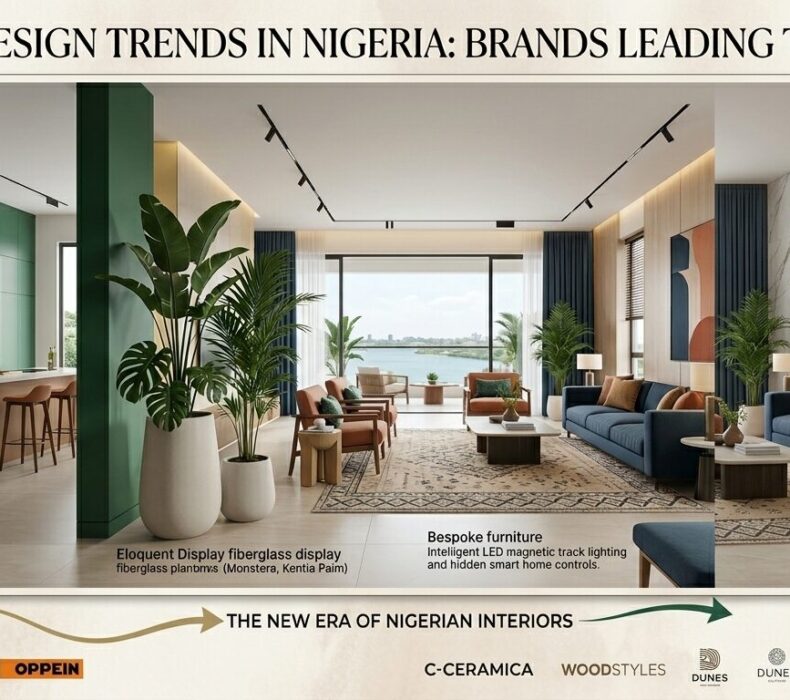
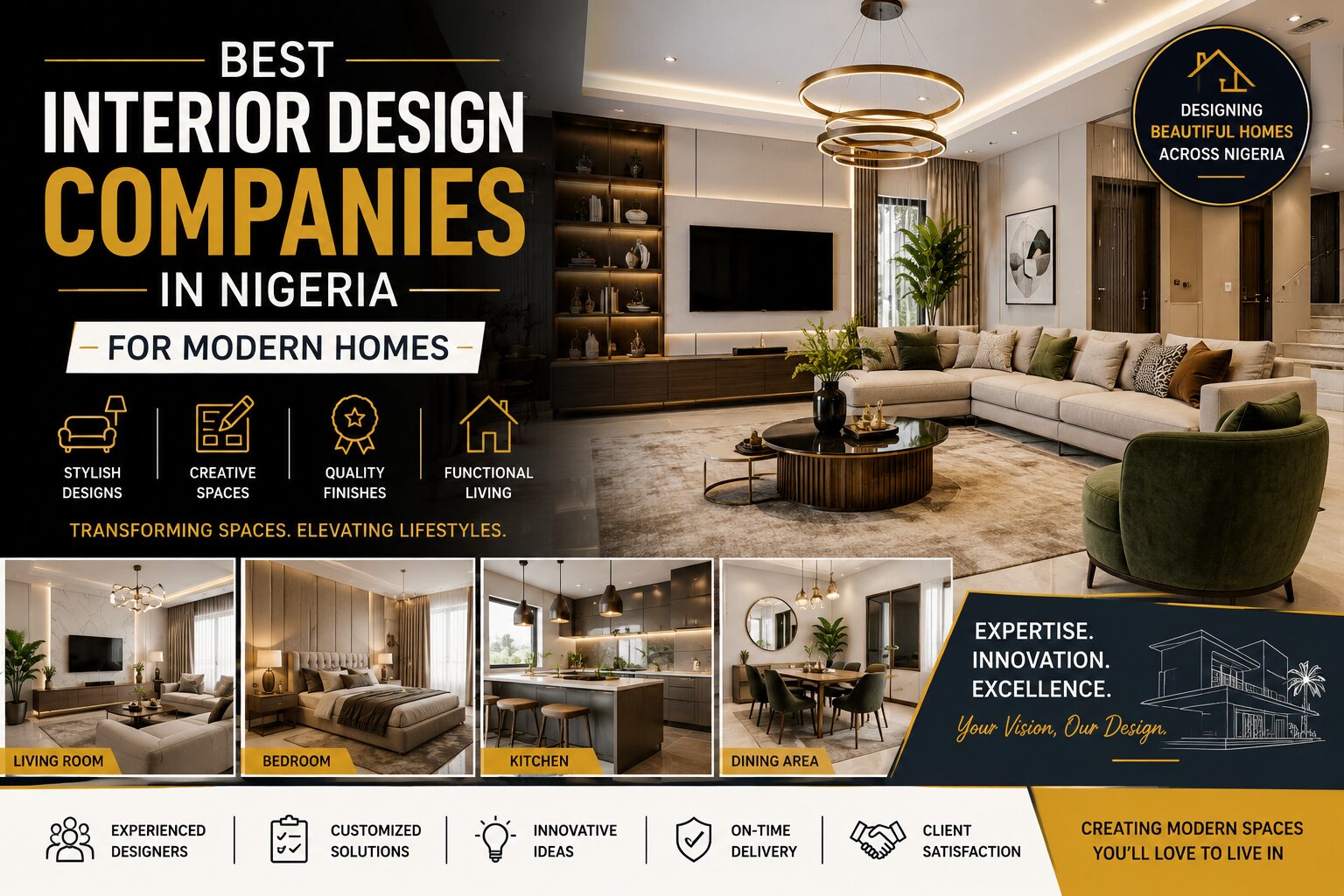
The Nigerian interior design industry has experienced remarkable growth over the past decade, driven by changing lifestyles, increasing urbanization, and greater exposure to global design influences. As homeowners, property developers, and businesses seek more stylish and functional spaces, Interior Design Trends in Nigeria continue to evolve rapidly. Today, interior design is no longer viewed as a luxury reserved for high-end properties. Instead, it has become an essential aspect of modern living that enhances comfort, functionality, aesthetics, and property value. Consequently, several brands and design companies are leading the market by introducing innovative solutions that shape how Nigerians design and experience their homes.
Furthermore, social media platforms, digital design tools, and international design inspirations have significantly influenced consumer preferences. As a result, homeowners are becoming more intentional about creating spaces that reflect their personalities while meeting practical needs. Therefore, understanding the latest trends and the brands driving them can help homeowners make informed decisions when designing or renovating their properties.
Why Interior Design Trends Matter
Design trends influence how people use and experience their living spaces.
Furthermore, trends often reflect broader social, technological, and economic developments.
For example, modern trends emphasize:
Functionality
Sustainability
Technology integration
Wellness
Personalization
Consequently, staying informed about current design trends helps homeowners create spaces that remain relevant and appealing.
Additionally, incorporating contemporary design elements can enhance both comfort and long-term property value.
The Rise of Modern Minimalism
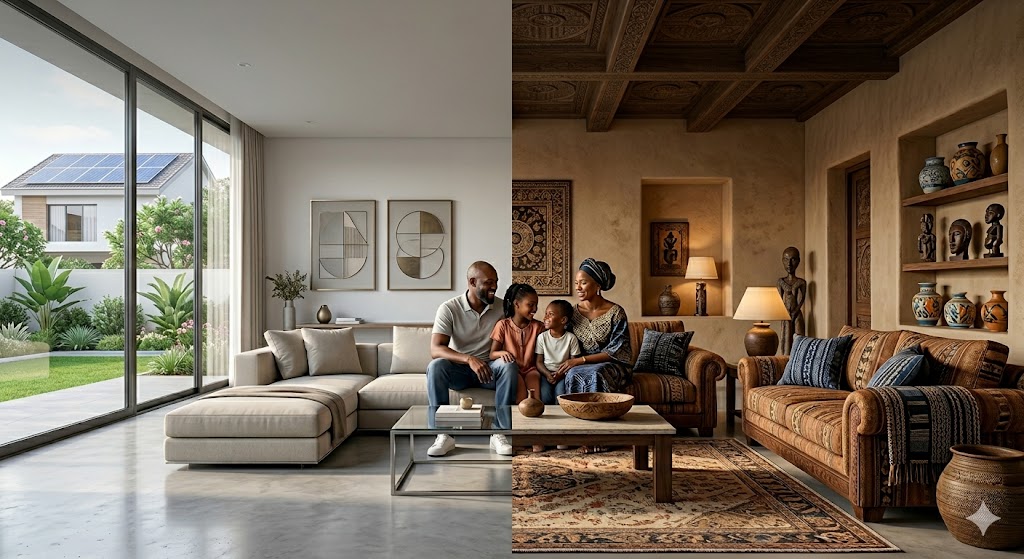
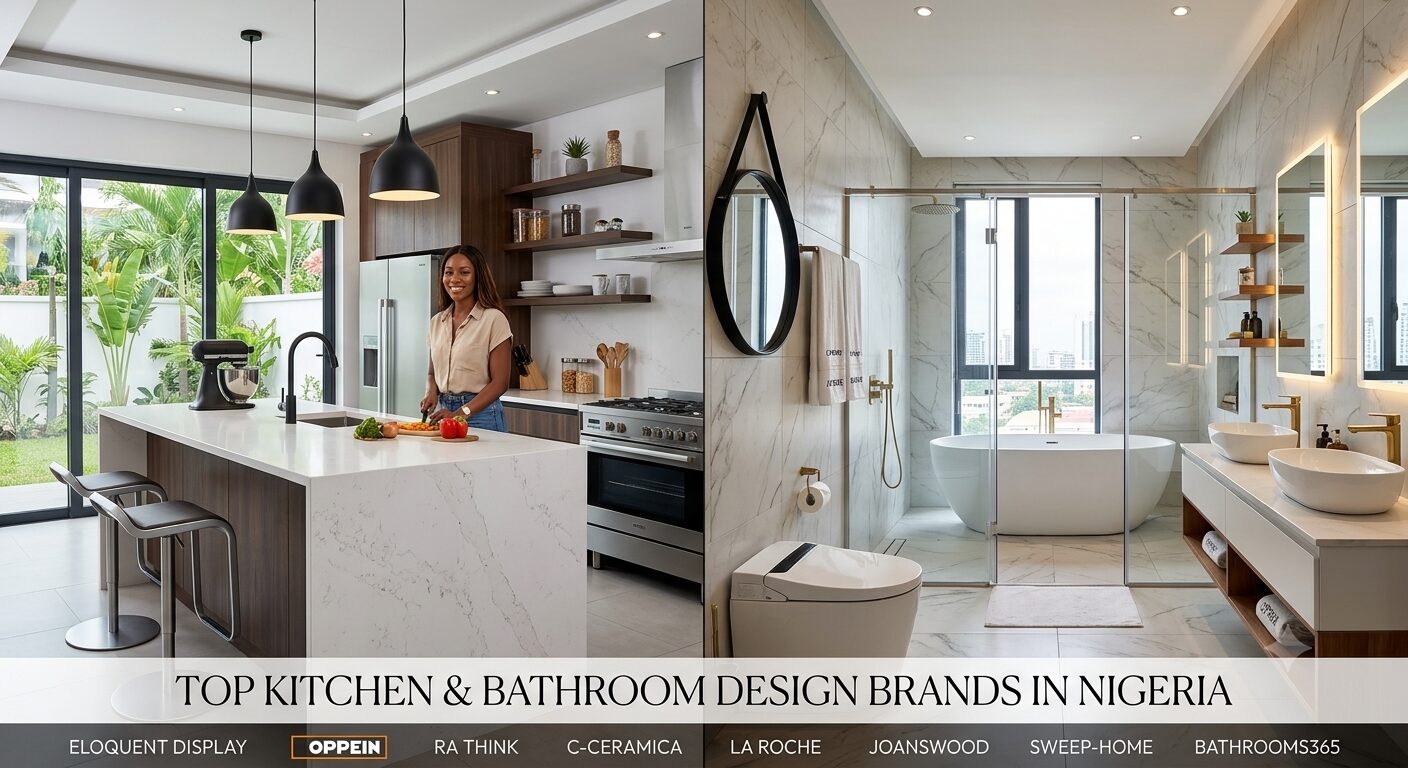
One of the most influential interior design trends in Nigeria is minimalism.
Minimalist interiors focus on simplicity, functionality, and clean aesthetics.
Key features include:
Neutral color palettes
Open spaces
Clean lines
Limited clutter
Functional furniture
Furthermore, minimalist designs create calm and organized environments that promote relaxation.
As a result, many homeowners are embracing minimalist concepts to achieve sophisticated yet practical interiors.
Additionally, minimalism complements modern architectural styles commonly found in contemporary Nigerian developments.
Smart Home Integration
Technology is increasingly shaping interior design decisions.
Today, many homeowners seek smart solutions that improve convenience and efficiency.
Popular smart home features include:
Automated lighting
Smart security systems
Voice-controlled devices
Climate control technologies
Intelligent appliances
Furthermore, these innovations enhance comfort while reducing energy consumption.
Consequently, brands that integrate technology into their design offerings continue to gain popularity.
As smart home adoption expands, technology-driven interiors are expected to become even more common.
Sustainable Interior Design
Environmental sustainability has become a major focus within the design industry.
Many homeowners now prioritize environmentally responsible choices when selecting materials and furnishings.
Popular sustainable design practices include:
Energy-efficient lighting
Eco-friendly materials
Recycled furnishings
Natural ventilation strategies
Water-saving fixtures
Additionally, sustainable products often reduce long-term operating costs.
As a result, sustainability is becoming a defining characteristic of modern interior design projects.
Furthermore, brands committed to environmentally conscious practices are increasingly attracting eco-aware consumers.
Open-Concept Living Spaces
Open-concept layouts remain one of the most sought-after design trends.
Rather than separating rooms with multiple walls and barriers, open plans create seamless transitions between living areas.
Benefits include:
Improved natural light
Better airflow
Enhanced social interaction
Greater flexibility
Increased perception of space
Consequently, open-concept designs are particularly popular in modern apartments, duplexes, and luxury residences.
Furthermore, they support contemporary lifestyles centered around connectivity and multifunctional living.
Luxury Contemporary Interiors
Luxury remains a major influence within Nigeria’s interior design landscape.
However, modern luxury differs from traditional notions of extravagance.
Consequently, earthy palettes contribute to calming and inviting interiors.
Bold Accent Colors
Many homeowners introduce personality through strategic accent colors.
Popular accents include:
Navy blue
Emerald green
Mustard yellow
Deep burgundy
As a result, interiors achieve greater visual interest without overwhelming the overall design.
Benefits of Following Modern Interior Design Trends
Incorporating contemporary design elements offers numerous advantages.
Enhanced Functionality
Modern trends prioritize practical living solutions.
Consequently, homes become more comfortable and efficient.
Increased Property Value
Well-designed interiors often attract buyers and improve resale potential.
Better Aesthetic Appeal
Contemporary designs create visually attractive environments that remain relevant for longer periods.
Improved Lifestyle Quality
Thoughtful design positively influences daily experiences and overall satisfaction.
As a result, homeowners enjoy greater comfort and convenience.
Furniture Trends Influencing the Market
Furniture design continues to evolve alongside broader interior trends.
Modular Furniture
Modular solutions offer flexibility and adaptability.
Consequently, they are particularly valuable in urban environments with limited space.
Custom Furniture
Customized pieces help homeowners achieve unique interiors.
Furthermore, bespoke furniture enhances personalization and exclusivity.
Curved Forms
Soft, curved furniture silhouettes are becoming increasingly popular.
Additionally, they contribute to more inviting and comfortable environments.
How Leading Brands Influence Interior Design Trends
Interior design brands play a critical role in shaping consumer preferences.
Through innovation and product development, leading brands introduce new concepts and solutions that influence market direction.
Key contributions include:
Innovative furniture collections
Sustainable product lines
Smart home integrations
Advanced materials
Customized design services
Consequently, brands serve as trendsetters within the industry.
Furthermore, their investments in research and development help drive continuous innovation.
Factors Driving Future Interior Design Trends
Several factors are expected to influence future developments.
Technology
Advancements in automation and artificial intelligence will continue transforming interior environments.
Sustainability
Environmental responsibility will likely become even more important.
Consequently, eco-friendly materials and energy-efficient solutions will gain further popularity.
Urbanization
As cities continue expanding, demand for efficient space utilization will increase.
Therefore, multifunctional and adaptable designs will remain highly relevant.
Wellness
Homeowners increasingly prioritize physical and mental well-being.
As a result, wellness-focused design principles will continue influencing residential interiors.
Common Mistakes to Avoid
While embracing trends can be beneficial, homeowners should proceed carefully.
Following Trends Blindly
Not every trend suits every property.
Therefore, design decisions should align with individual needs and lifestyles.
Ignoring Functionality
A beautiful interior should also support everyday activities effectively.
Consequently, practicality should remain a priority.
Overdesigning Spaces
Excessive decoration can reduce comfort and visual harmony.
As a result, balance remains essential.
Conclusion
Interior Design Trends in Nigeria continue to evolve in response to changing lifestyles, technological advancements, and growing design awareness. From minimalist aesthetics and smart home integration to sustainable practices and personalized spaces, today’s trends reflect a desire for environments that combine beauty, functionality, and comfort.
Furthermore, brands leading the market are driving innovation through quality products, creative solutions, and customer-focused services. Their influence continues to shape how Nigerians design, furnish, and experience their homes.
Ultimately, homeowners who understand these trends and apply them thoughtfully can create modern living spaces that not only look exceptional but also enhance everyday life while maintaining long-term value.











 Get it on
  Download on the