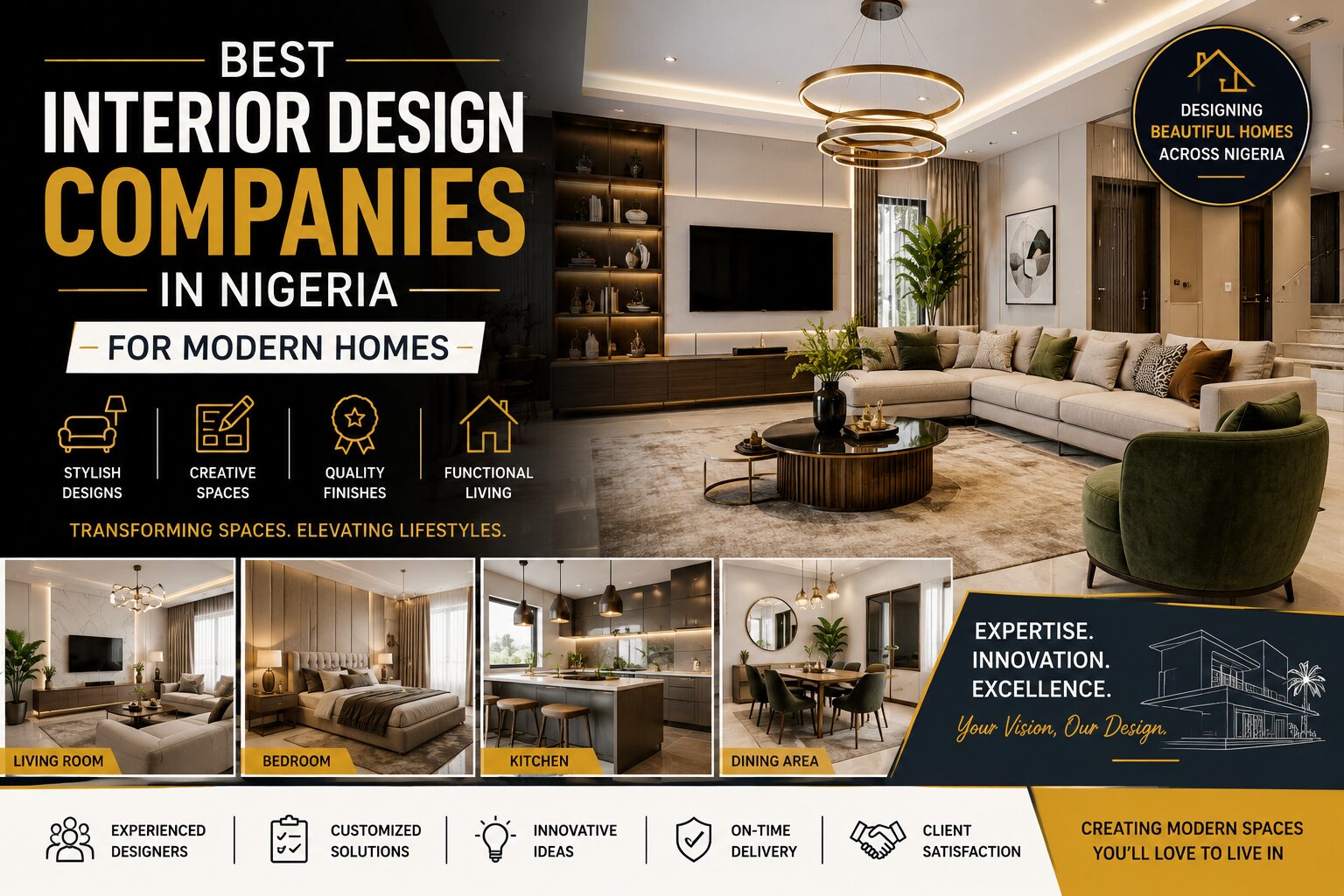
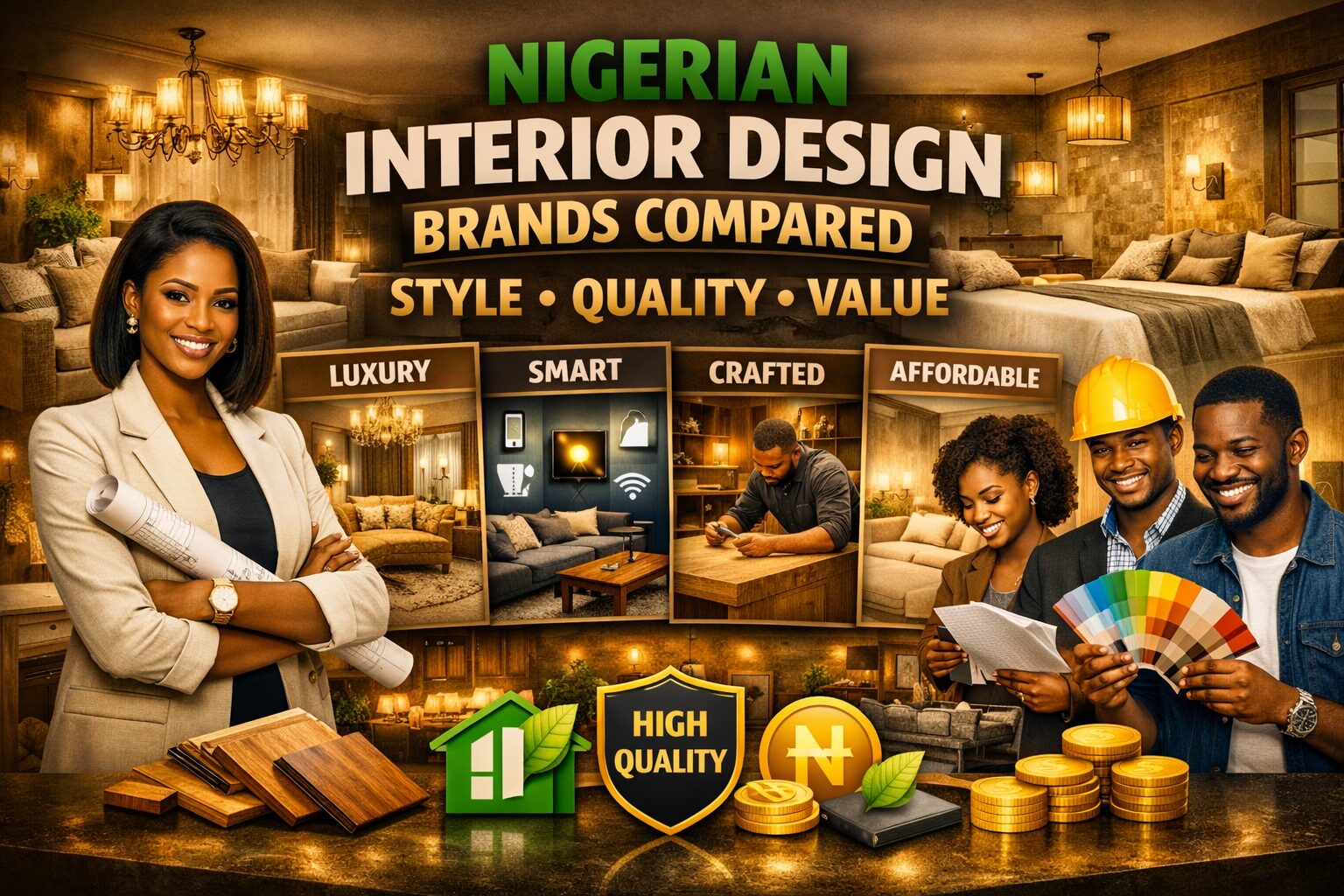
The demand for professionally designed living and working spaces continues to rise across the country, making Interior Design Firms in Nigeria increasingly important for homeowners, property developers, and businesses. Today, interior design is no longer viewed as a luxury reserved for high-end properties. Instead, it has become a practical investment that improves functionality, enhances aesthetics, increases property value, and creates comfortable environments. Consequently, many Nigerians now seek professional interior designers to transform their spaces into modern, stylish, and highly functional settings.
This guide explores the most important considerations when comparing interior design firms in Nigeria and highlights what clients should look for before making a hiring decision.
The Growing Interior Design Industry in Nigeria
Over the past decade, Nigeria’s interior design industry has experienced remarkable growth. Several factors have contributed to this expansion.
First, urbanization continues to drive residential and commercial development across major cities. Furthermore, increasing exposure to global design trends through social media, television programs, and digital platforms has significantly influenced consumer preferences.
Additionally, rising disposable incomes among middle-class and upper-income households have encouraged greater spending on home improvement and interior styling.
As a result, professional interior design services have become more accessible and widely appreciated than ever before.
Moreover, modern property buyers increasingly prioritize interior quality alongside architectural design, making professional interior design a valuable differentiator in today’s competitive real estate market.
How to Choose the Right Interior Design Firm
1. Define Your Vision and Budget
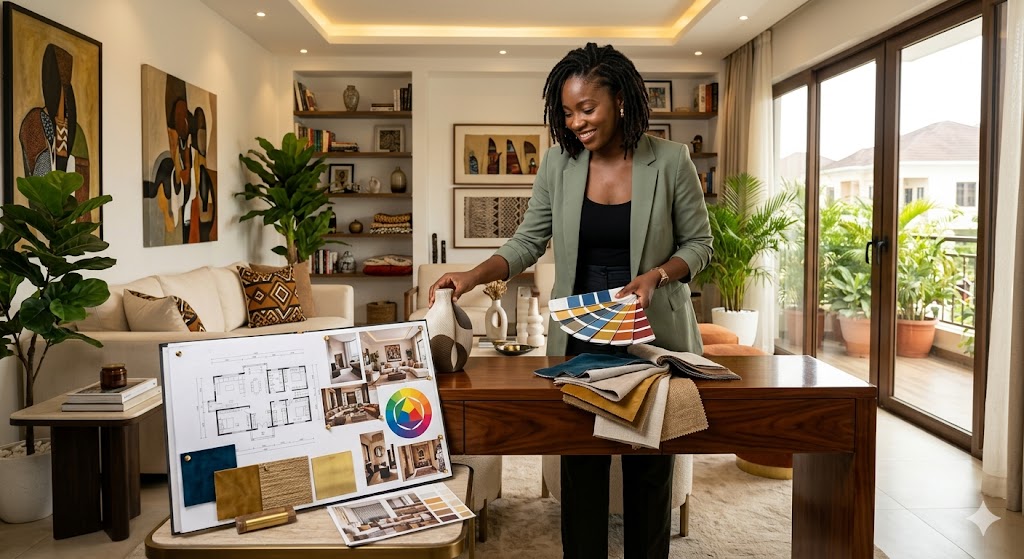
Before hiring a designer, clarify your goals — are you renovating, furnishing, or building from scratch?
Tip: Create a mood board with color schemes and furniture inspirations.
Budget planning helps align expectations with affordability.
2. Research Firm Portfolios
Review past projects to assess creativity and consistency.
Visit websites and social media pages for visual samples.
Compare portfolios across multiple firms before deciding.
3. Evaluate Quality and Craftsmanship
Quality is the hallmark of a reputable design firm.
Inspect materials used — wood, fabrics, lighting fixtures.
Material inspection ensures durability and aesthetic appeal.
4. Understand Pricing Models
Interior design pricing in Nigeria varies based on scope, materials, and customization.
Basic design consultation: ₦100,000–₦300,000
Full home design: ₦1 million–₦10 million+ depending on size and luxury level
Tip: Request detailed quotations to avoid hidden costs.
Compare pricing across firms for transparency.
5. Assess Customer Experience
Customer service defines long-term satisfaction.
Choose firms that communicate clearly and deliver on time.
Client feedback reveals reliability and professionalism.
Why Interior Design Matters
Many people mistakenly assume that interior design focuses solely on decoration. However, professional interior design involves much more than selecting furniture and paint colors.
Effective interior design improves:
Space utilization
Functionality
Comfort
Safety
Productivity
Property value
Aesthetic appeal
Furthermore, professionally designed spaces often enhance emotional well-being by creating environments that support relaxation, creativity, and daily activities.
Consequently, interior design has become an essential component of modern living and working environments.
Understanding Quality in Interior Design
Quality remains one of the most important factors when evaluating interior design firms.
However, quality extends beyond visual appearance.
Design Creativity
Creative excellence is often the first indicator of a firm’s capabilities.
Top interior designers develop customized concepts tailored to each client’s unique needs, preferences, and lifestyle.
Furthermore, they avoid generic solutions and instead focus on creating distinctive environments that reflect individual personalities.
As a result, clients receive spaces that feel both functional and personal.
Material Selection
The quality of materials directly influences durability, aesthetics, and long-term satisfaction.
Leading firms prioritize:
Premium finishes
Durable furniture
Quality fixtures
Reliable hardware
Sustainable materials
Additionally, proper material selection helps reduce maintenance requirements and replacement costs.
Consequently, quality materials contribute significantly to overall project success.
Attention to Detail
Exceptional interior design often depends on the smallest details.
For example:
Furniture placement
Lighting alignment
Finishing consistency
Color coordination
Decorative accessories
Furthermore, meticulous attention to detail ensures a cohesive and polished final result.
As a result, clients enjoy spaces that appear professionally executed and thoughtfully designed.
As a result, smart living solutions are becoming mainstream.
Sustainable Design
Environmental responsibility continues to gain importance.
Many homeowners now prioritize:
Eco-friendly materials
Energy-efficient systems
Sustainable furniture
Natural lighting strategies
Therefore, sustainability is shaping future design practices.
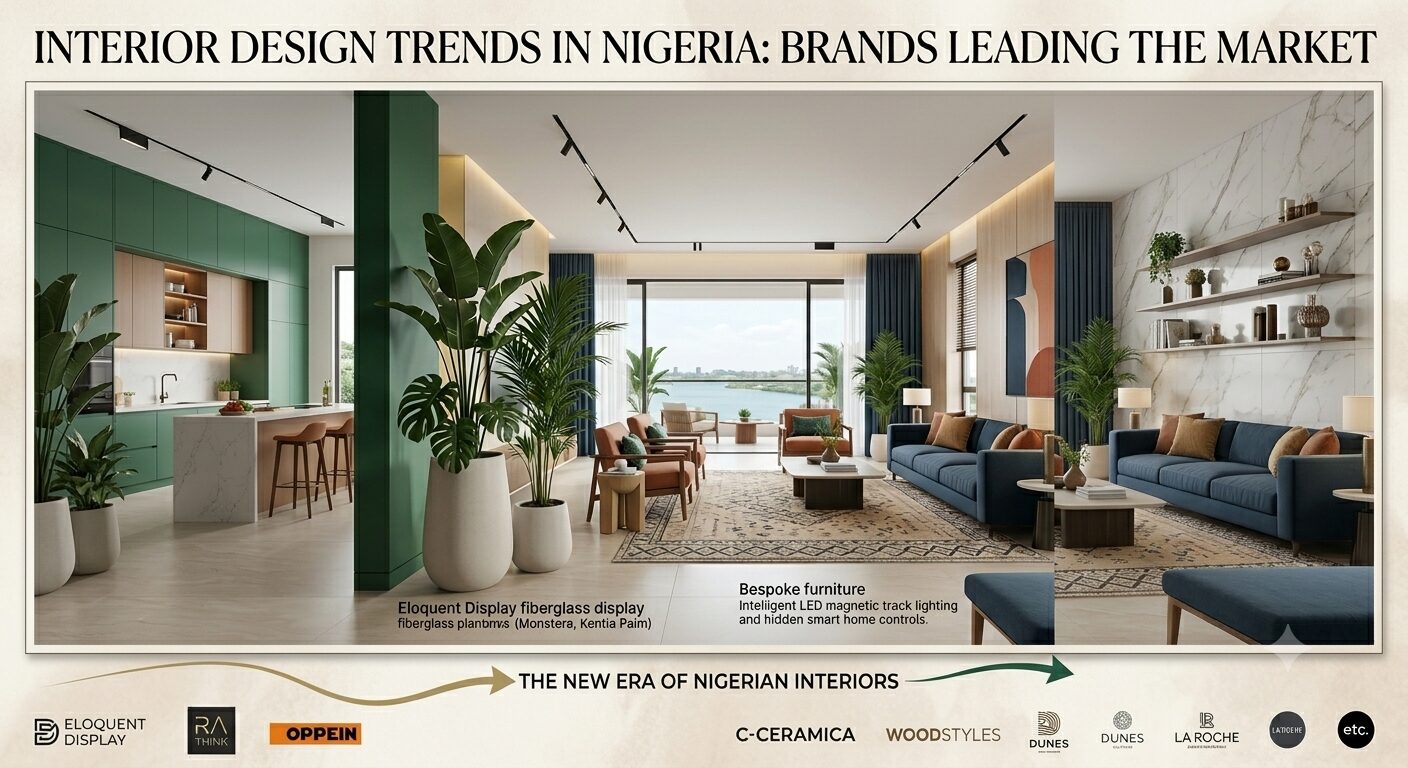
Luxury Contemporary Design
Luxury contemporary interiors combine modern aesthetics with premium finishes.
Common features include:
Marble surfaces
Designer lighting
Bespoke furniture
High-end materials
Consequently, luxury design remains a preferred choice for upscale properties.
Common Challenges Clients Face
Despite the benefits of professional design services, clients may encounter challenges.
Budget Management
Unexpected expenses can create frustration.
Therefore, detailed budgeting and transparent communication are essential.
Delayed Deliveries
Furniture procurement and custom manufacturing sometimes cause delays.
Consequently, realistic scheduling is important.
Changing Design Preferences
Clients occasionally revise requirements during projects.
While flexibility is important, frequent changes can affect budgets and timelines.
Therefore, establishing clear objectives early often improves outcomes.
How to Choose the Right Interior Design Firm
Selecting the right firm requires careful research.
Review Portfolios
Previous projects provide valuable insights into a company’s style, creativity, and capabilities.
Therefore, always review portfolios thoroughly.
Check Client Testimonials
Customer reviews reveal important information regarding reliability and professionalism.
Additionally, testimonials often highlight strengths and potential concerns.
Assess Communication
Strong communication skills contribute significantly to project success.
Consequently, evaluate responsiveness during initial consultations.
Understand Pricing Structures
Request detailed quotations and clarify all costs before signing agreements.
As a result, misunderstandings can be minimized.
Verify Experience
Experienced firms generally possess stronger technical expertise and project management capabilities.
Therefore, experience should remain a key consideration.
Conclusion
Interior Design Firms in Nigeria continue to play a vital role in shaping modern residential and commercial spaces. Through creative expertise, technical knowledge, quality materials, and effective project management, these firms help clients transform ordinary environments into exceptional living and working spaces.
Furthermore, evaluating firms based on quality, pricing, and customer experience allows clients to make informed decisions that align with their goals and budgets. While costs and styles may vary, the most successful firms consistently prioritize client satisfaction, transparency, innovation, and attention to detail. With the right designer, your home can become a masterpiece — a space that tells your story through design.
👉 Which of these interior design firms do you think best fits your vision for a modern home? Share your thoughts in the comments or contact us for personalized recommendations.











 Get it on
  Download on the