






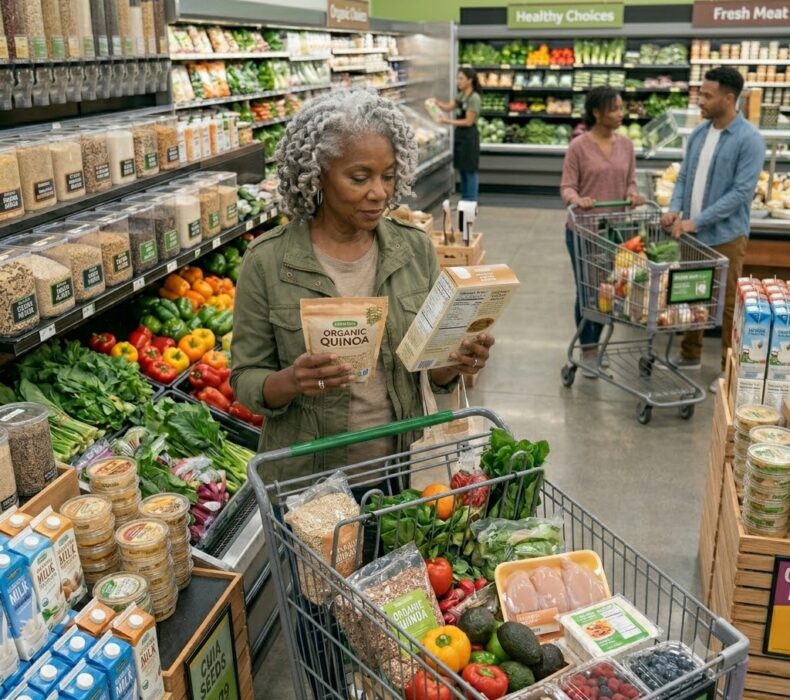
The Ultimate Guide to Choosing Healthy Food Products
Choosing healthy food products has become more important than ever. With supermarket shelves packed with thousands of options, consumers are constantly faced with choices that can either improve their health or quietly damage it over time. Attractive packaging, marketing claims, and discounted offers often make unhealthy foods seem like good choices.
But smart shopping is about more than convenience or price. It’s about understanding what you’re buying and how it affects your body.
This healthy food shopping guide will help you understand how to choose nutritious foods, identify better products, and avoid unhealthy ingredients so you can make smarter grocery decisions.
Why Choosing Healthy Food Products Matters
Food is fuel.
The quality of your food directly affects:
- Energy levels
- Weight management
- Immunity
- Mental performance
- Heart health
- Digestion
- Long-term disease prevention
Poor food choices can lead to:
- Obesity
- High blood pressure
- Diabetes
- Nutrient deficiencies
- Low energy
That’s why learning how to identify healthy food products is essential.
1. Start with Whole Foods First
One of the best healthy grocery shopping tips is prioritizing whole foods.
Whole foods are foods that are minimally processed and closer to their natural form.
Examples:
✔ Fresh fruits
✔ Vegetables
✔ Whole grains
✔ Beans
✔ Eggs
✔ Fresh fish
✔ Nuts
✔ Seeds
Whole foods often provide:
- More nutrients
- Better fiber
- Less sugar
- Fewer additives
This is the foundation of a strong nutritious food buying guide.
2. Learn How to Read Food Labels
A proper food label reading guide can completely change how you shop.
Food labels reveal:
- Ingredients
- Calories
- Sugar
- Sodium
- Fat content
- Protein
- Fiber
Always check:
Serving Size
This tells you how much the nutrition applies to.
Sugar Content
Lower is usually better.
Sodium Levels
High sodium can affect heart health.
Protein
Higher protein often means better nutritional value.
Fiber
Higher fiber usually indicates healthier food.
Knowing how to read labels is a major step in how to choose nutritious foods.
3. Keep Ingredients Simple
A good rule:
If you can’t pronounce most ingredients, reconsider buying it.
Healthy products usually contain:
- Natural ingredients
- Fewer additives
- Less artificial flavoring
Example:
Better cereal:
Oats, almonds, dates
Poor cereal:
Sugar, corn syrup, colorants, preservatives
This is one of the strongest smart food shopping tips.
4. Avoid Added Sugars
Many packaged foods contain hidden sugars.
Common names include:
- Sucrose
- Glucose
- Maltose
- Fructose
- Syrup
- Dextrose
Products often high in hidden sugar:
- Yogurts
- Cereals
- Sauces
- Juices
- Granola bars
Reducing sugar is one of the most effective ways how to avoid unhealthy foods.
5. Choose Healthy Fats
Not all fats are bad.
Healthy fats include:
✔ Avocados
✔ Olive oil
✔ Nuts
✔ Seeds
✔ Fatty fish
Avoid:
✘ Trans fats
✘ Hydrogenated oils
Always check labels for fat types.
This is a crucial part of how to identify healthy food products.
6. Prioritize Protein-Rich Foods
Protein helps with:
- Muscle repair
- Hunger control
- Energy
- Growth
Healthy protein choices:
✔ Eggs
✔ Chicken
✔ Fish
✔ Greek yogurt
✔ Beans
✔ Lentils
Higher-protein foods often keep you fuller longer.
This makes them some of the best healthy foods to buy.
7. Don’t Fear Carbohydrates—Choose Better Ones
Carbs are essential, but quality matters.
Better carbohydrates:
✔ Brown rice
✔ Oats
✔ Sweet potatoes
✔ Whole wheat bread
✔ Quinoa
Limit:
✘ White bread
✘ Sugary cereals
✘ Pastries
✘ Refined flour snacks
This supports smarter healthy food shopping guide practices.
8. Buy More Fiber-Rich Foods
Fiber improves:
- Digestion
- Fullness
- Blood sugar control
- Cholesterol levels
Good sources:
✔ Beans
✔ Oats
✔ Fruits
✔ Vegetables
✔ Seeds
High-fiber foods are among the best healthy foods to buy.
9. Watch Out for Marketing Tricks
Food packaging can be deceptive.
Common claims:
- Natural
- Sugar-free
- Low fat
- Organic
- Light
These don’t always mean healthy.
Example:
“Low fat” may contain extra sugar.
Always verify with the label.
This is one of the most important healthy grocery shopping tips.
10. Choose Fresh Over Highly Processed
Highly processed foods often contain:
- Excess sodium
- Preservatives
- Artificial additives
- Added sugar
Examples to limit:
✘ Instant noodles
✘ Sugary drinks
✘ Candy
✘ Processed meats
✘ Packaged pastries
Fresh foods usually provide better nutrition.
This is key in how to avoid unhealthy foods.
11. Shop Seasonal Produce
Seasonal foods are often:
- Fresher
- Cheaper
- More nutritious
Examples:
Mangoes
Oranges
Spinach
Tomatoes
Corn
Seasonal shopping is one of the best healthy grocery shopping tips.
12. Create a Healthy Shopping Checklist
A healthy eating shopping checklist keeps you focused.
Include:
✔ Fruits
✔ Vegetables
✔ Whole grains
✔ Lean proteins
✔ Healthy fats
✔ Dairy or alternatives
✔ Nuts
✔ Water
Avoid:
✘ Sugary snacks
✘ Processed drinks
✘ Junk foods
Planning helps improve decisions.
Healthy vs Unhealthy Food: Quick Comparison
| Factor | Healthy Choice | Unhealthy Choice |
|---|---|---|
| Ingredients | Natural, simple | Artificial, complex |
| Sugar | Low | High |
| Fiber | High | Low |
| Protein | Moderate to high | Low |
| Processing | Minimal | Heavy |
| Nutrients | Dense | Poor |
This makes how to choose nutritious foods easier.
Common Healthy Shopping Mistakes
Avoid:
Shopping while hungry
Leads to poor choices.
Buying based on packaging
Looks can deceive.
Ignoring ingredients
Always read labels.
Choosing convenience over nutrition
Quick doesn’t always mean healthy.
Following trends blindly
Not all trendy foods are beneficial.
A strong healthy eating shopping checklist helps prevent these mistakes.
Final Thoughts
Choosing healthy food products is one of the most important habits for long-term wellness.
By learning how to choose nutritious foods, understanding labels, checking ingredients, and prioritizing whole foods, you can build a healthier lifestyle one shopping trip at a time.
Healthy shopping isn’t about perfection.
It’s about making better choices consistently.
Smart consumers don’t just buy food.
They invest in their health.
And every healthy choice adds up.
Related Posts:

- Tags:
- Best Healthy Foods to Buy
- Choosing Healthy Foods
- Food Label Reading Guide
- Food Quality Guide
- Grocery Shopping Checklist
- Healthy Eating Tips
- Healthy Food Products
- Healthy Food Shopping Guide
- Healthy Grocery Shopping
- healthy lifestyle tips
- Nutrition Shopping Guide
- Nutritious Foods
- Smart Consumer Food Guide
- Smart Grocery Shopping Tips
- Whole Foods Guide


 Get it on
  Download on the