Understanding how to choose the right solar panel package for your budget is one of the most important steps when investing in solar energy. While solar power can significantly reduce electricity costs and provide reliable backup power, selecting the wrong package may lead to unnecessary expenses or inadequate performance. Therefore, evaluating your energy needs, budget, and future requirements is essential.
Why Choosing the Right Solar Package Matters
Solar systems are available in different sizes and configurations.
However, not every package suits every household or business.
When you choose the correct solar package, you benefit from:
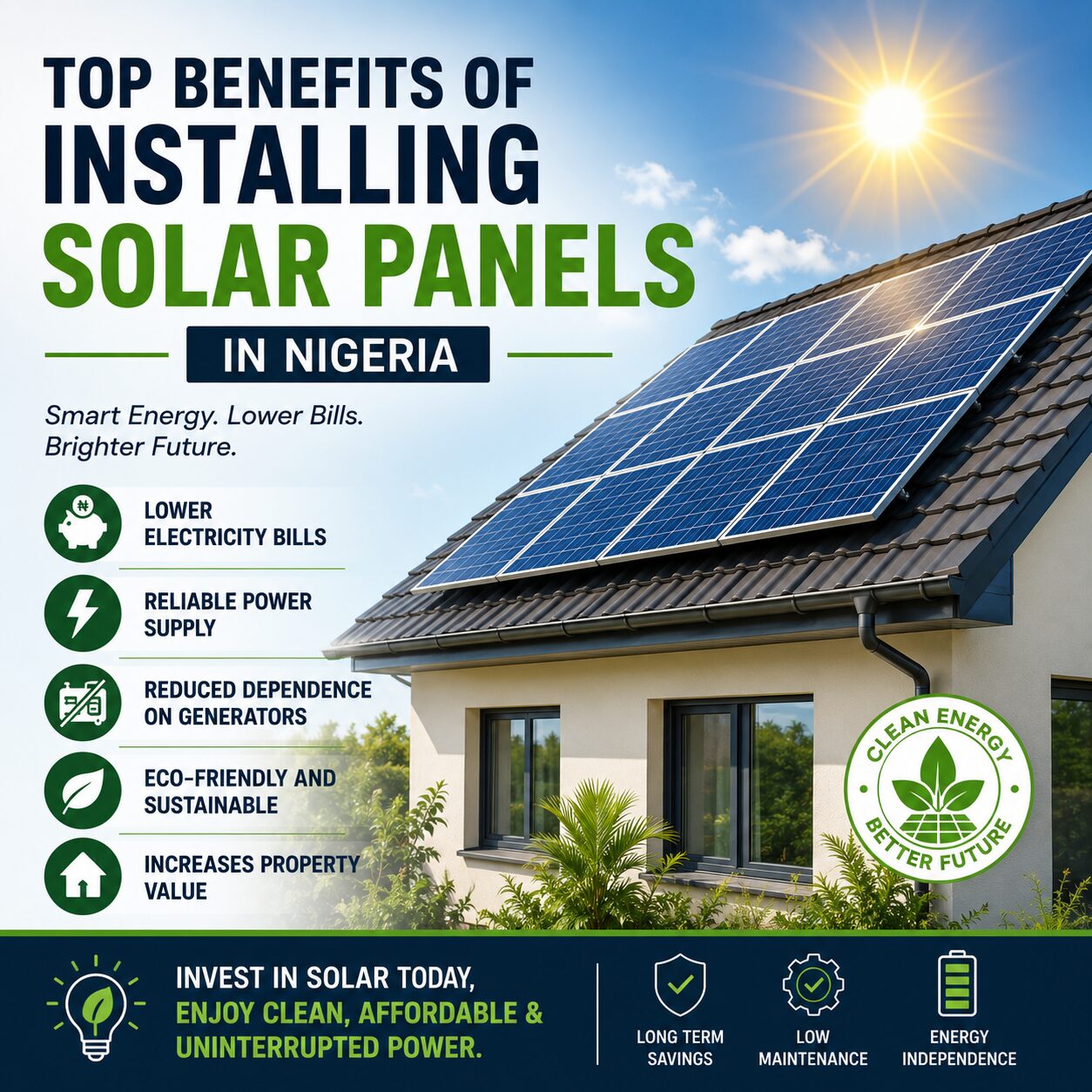
Lower electricity bills
Reliable power supply
Better energy efficiency
Reduced generator dependence
Long-term cost savings
Consequently, proper planning helps you avoid overspending or purchasing an undersized system.
Understand Your Energy Needs
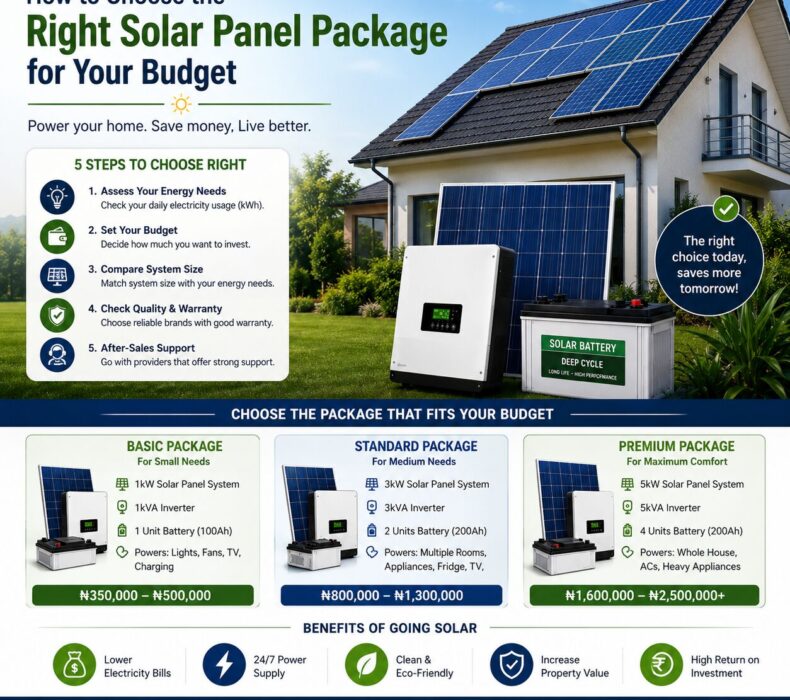
The first step in how to choose the right solar panel package for your budget is determining how much electricity you use daily.
Start by listing appliances you want to power, including:
Lights
Fans
Televisions
Refrigerators
Computers
Air conditioners
Water pumps
Afterward, calculate the total wattage and estimated daily usage hours.
As a result, you will have a clearer idea of the solar capacity required.
Determine Your Budget
Before comparing solar packages, establish a realistic budget.
Solar systems can range from small residential setups to large commercial installations.
Your budget should consider:
Solar panels
Inverter
Batteries
Mounting structures
Installation costs
Maintenance expenses
Therefore, understanding total system costs helps prevent unexpected financial strain.
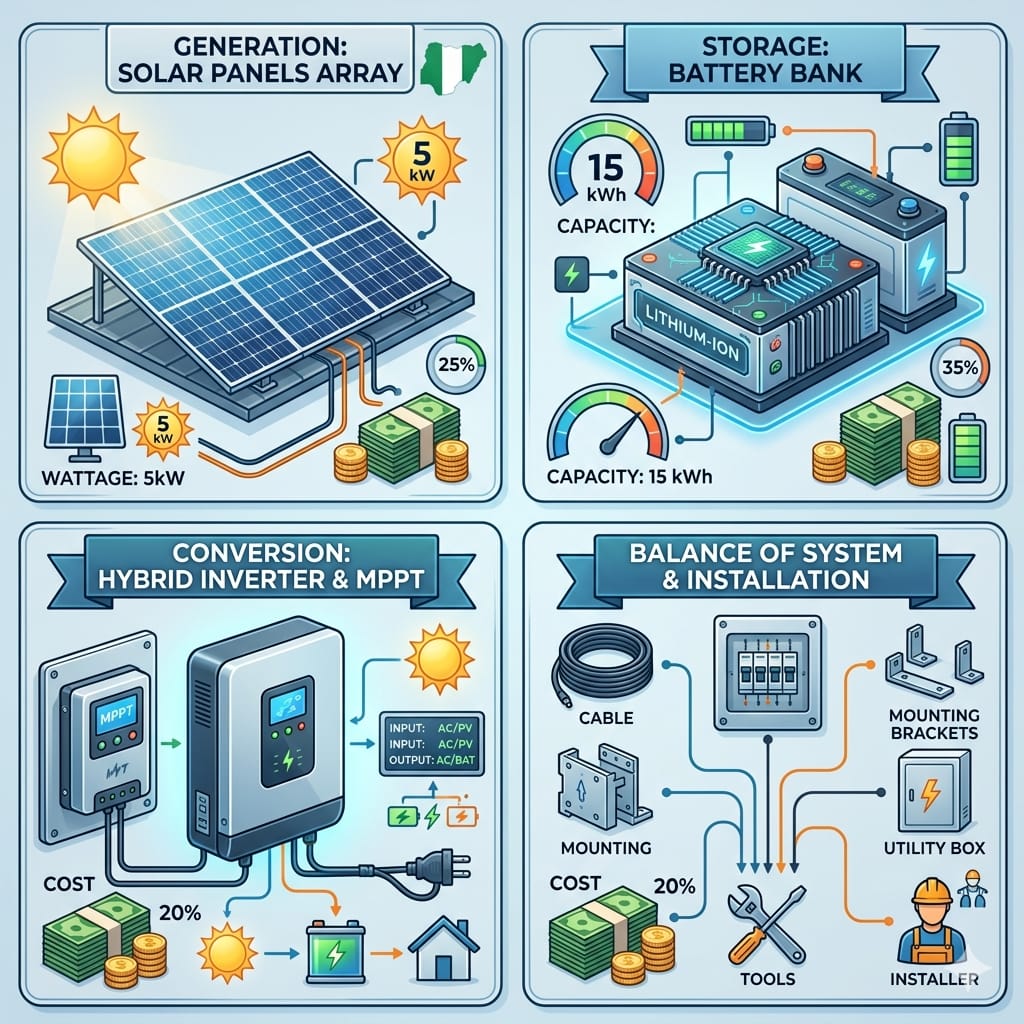
Know the Components of a Solar Package
A complete solar package typically includes several important components.
Solar Panels
These capture sunlight and generate electricity.
Consequently, panel capacity directly affects energy production.
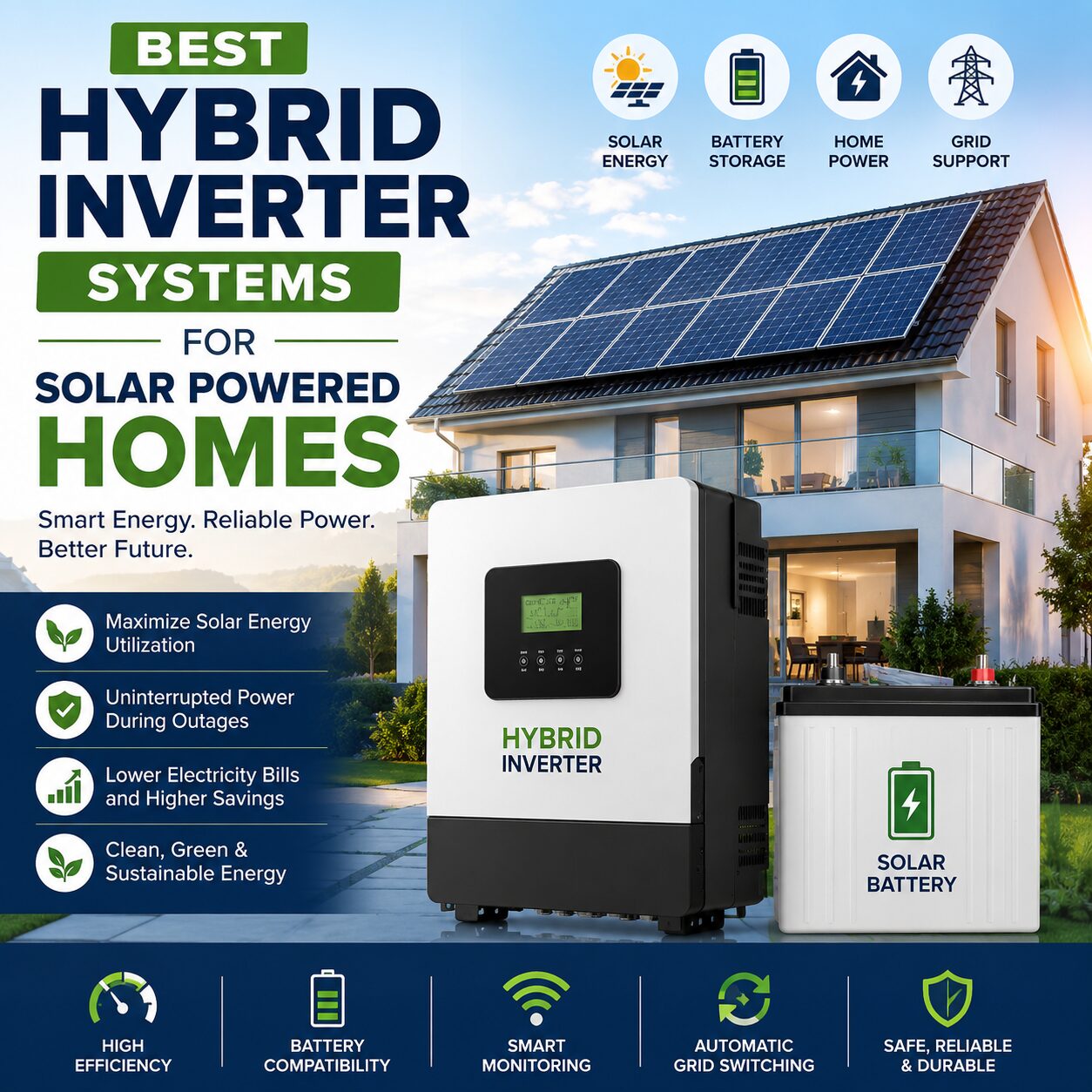
Solar Inverter
The inverter converts solar-generated DC electricity into AC electricity used by household appliances.
Batteries
Batteries store excess energy for use during the night or power outages.
Charge Controller
This device regulates battery charging and protects batteries from damage.
Mounting Accessories
Mounting structures securely position solar panels for optimal sunlight exposure.
As a result, all components work together to create a dependable power system.
Choose the Right Solar Package Size
Selecting the appropriate package size depends on your energy requirements.
Small Solar Packages
Suitable for:
Lighting
Fans
Phone charging
Television
Typically ideal for small apartments or basic energy needs.
Medium Solar Packages
Suitable for:
Refrigerators
Multiple televisions
Computers
Small business operations
Consequently, they offer greater flexibility and backup capability.
Large Solar Packages
Suitable for:
Air conditioners
Water pumps
Large homes
Commercial facilities
Therefore, they are ideal for users with higher electricity demands.
Consider Future Energy Needs
While evaluating how to choose the right solar panel package for your budget, it is important to think ahead.
Your energy requirements may increase due to:
Additional appliances
Business expansion
Family growth
Increased electricity consumption
Therefore, selecting a scalable system can save money on future upgrades.
Compare Solar Panel Types
Not all solar panels offer the same efficiency.
Monocrystalline Solar Panels
Benefits include:
Higher efficiency
Better performance in limited space
Longer lifespan
However, they are generally more expensive.
Polycrystalline Solar Panels
Advantages include:
Lower cost
Good performance
Reliable operation
Consequently, they remain popular among budget-conscious buyers.
Evaluate Battery Capacity
Battery storage is a crucial part of many solar systems.
Factors to consider include:
Backup duration
Daily energy consumption
Frequency of power outages
Furthermore, larger battery banks provide longer backup times but increase overall costs.
Therefore, battery sizing should align with your actual needs.
Consider Inverter Capacity
The inverter must be capable of handling your appliance load.
An undersized inverter may:
Overload frequently
Limit appliance usage
Reduce system efficiency
Consequently, choosing the correct inverter size is essential for reliable operation.
Check Product Quality and Warranty
Quality should never be sacrificed for a lower purchase price.
Look for products that offer:
Strong warranties
Proven reliability
Positive customer reviews
Certified manufacturing standards
As a result, you gain better long-term value and peace of mind.
Common Mistakes to Avoid
When learning how to choose the right solar panel package for your budget, avoid these common errors:
Buying Based Only on Price
Cheap systems may have lower efficiency and shorter lifespans.
Ignoring Future Expansion
Future energy needs should be considered from the beginning.
Choosing the Wrong Battery Size
Insufficient battery capacity can limit backup power availability.
Overlooking Installation Quality
Poor installation often reduces system efficiency and reliability.
Consequently, professional expertise is extremely valuable.
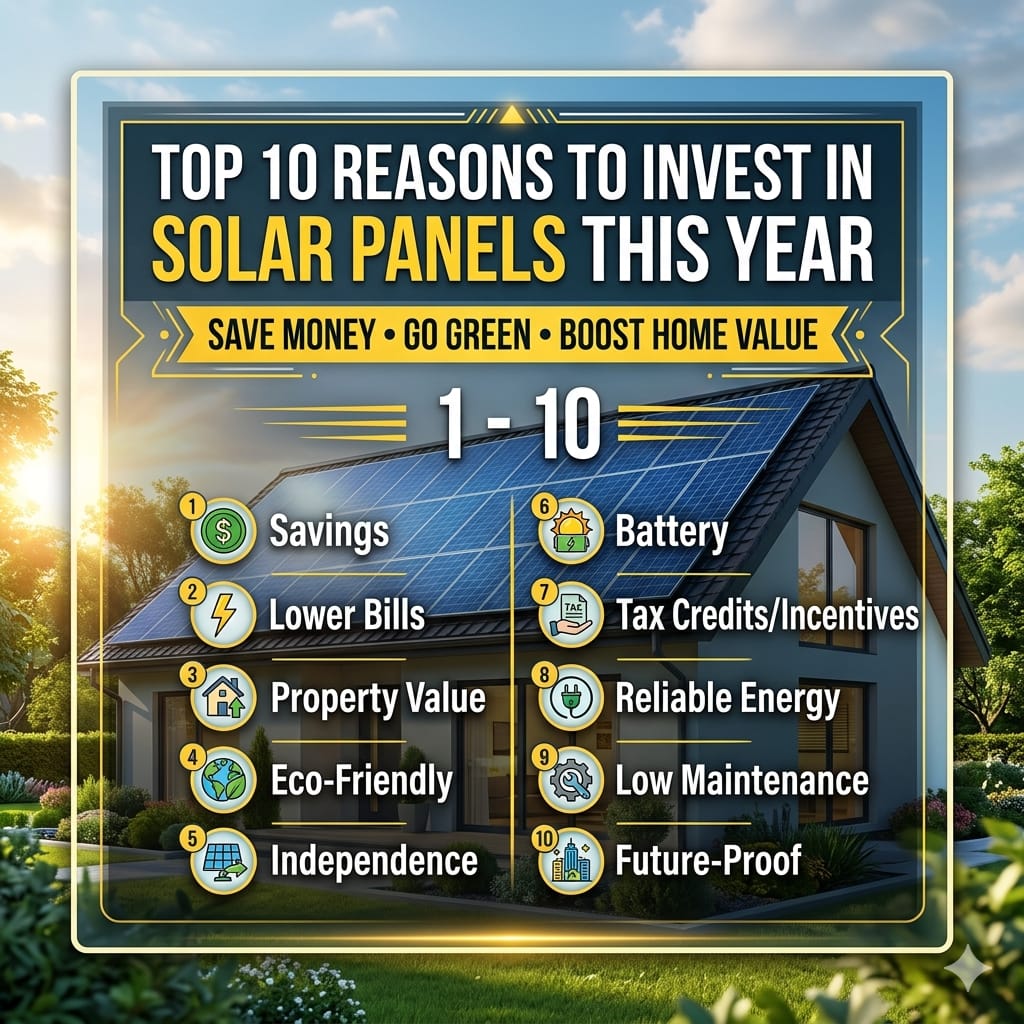
Benefits of Choosing the Right Solar Package
A properly selected solar package offers numerous advantages.
These include:
Reduced electricity costs
Reliable backup power
Improved energy independence
Lower generator expenses
Environmentally friendly energy
Furthermore, quality solar systems can provide dependable service for many years.
Solar Packages for Different Budgets
Entry-Level Budget
Suitable for:
Basic lighting
Fans
Mobile device charging
Ideal for users starting their solar journey.
Mid-Range Budget
Supports:
Refrigerators
Entertainment systems
Office equipment
Consequently, it offers a balance between affordability and performance.
Premium Budget
Provides:
Whole-home backup
Air conditioning support
Larger battery storage
Therefore, it delivers maximum convenience and energy security.
Conclusion
Learning how to choose the right solar panel package for your budget is essential for achieving the best balance between cost, performance, and reliability. By assessing your energy needs, understanding system components, selecting the appropriate battery and inverter sizes, and investing in quality equipment, you can make a smart long-term decision.











 Get it on
  Download on the