





Access to clean and safe drinking water is essential for healthy living. Unfortunately, many homes, schools, offices, and outdoor users still face water quality challenges due to bacteria, dirt, chemicals, and other contaminants. This is why water treatment solutions such as purification tablets and filters have become increasingly popular. Many people often ask about water filter versus tablets and which option provides better protection for drinking water.
At Cleaneat, we provide practical water treatment solutions and expert guidance to help people enjoy safer water every day. In this guide, we compare water purification tablets and water filters, explain how they work, and help you decide which option is best for your needs.
Why Water Purification Is Important
Unsafe water may contain:
- Bacteria
- Viruses
- Dirt and sediments
- Chemicals
- Parasites
- Bad odors and taste
Consuming contaminated water can lead to stomach discomfort and other health problems. Proper purification improves both safety and confidence in drinking water.
What Are Water Purification Tablets?
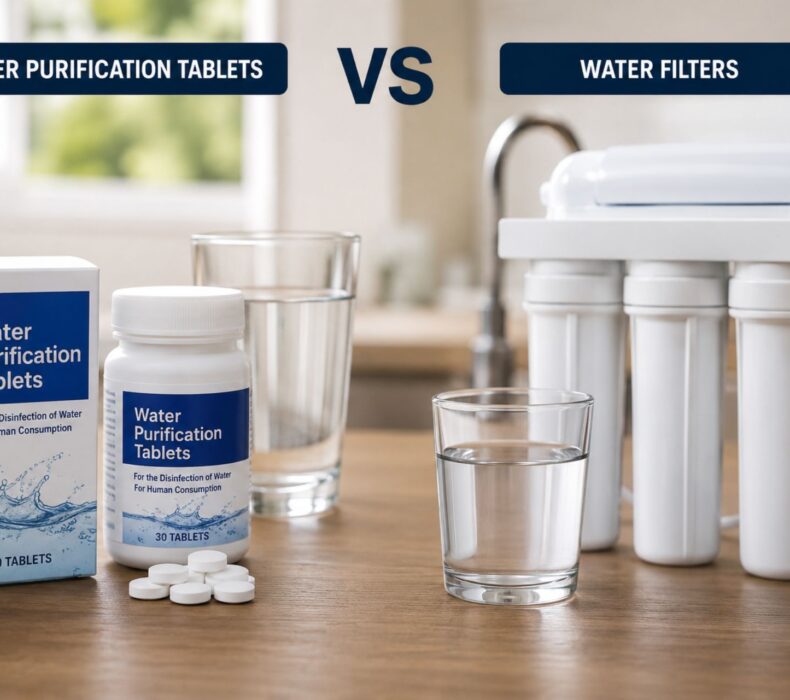
Water purification tablets are chemical tablets designed to disinfect water by killing harmful microorganisms. They are commonly used during emergencies, travel, camping, and situations where clean water is unavailable.
Most purification tablets contain:
- Chlorine compounds
- Iodine-based disinfectants
- Other antimicrobial agents
They are lightweight, portable, and easy to use.
How Water Purification Tablets Work
The tablets dissolve in water and release chemicals that destroy bacteria, viruses, and some parasites. Users usually wait a specific amount of time before drinking the treated water.
The process generally involves:
- Adding the tablet to water
- Waiting for the recommended treatment time
- Allowing the chemicals to disinfect the water
This method focuses mainly on killing microorganisms.
What Are Water Filters?
Water filters are devices designed to physically remove impurities from water. Different filters use different technologies depending on the contaminants they target.
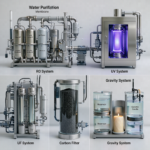
Common filter types include:
- Activated carbon filters
- Ceramic filters
- Reverse osmosis systems
- UV purification systems
- Multi-stage filtration units
Water filters are widely used in homes, offices, schools, and commercial buildings.
How Water Filters Work
Water filters typically remove contaminants through physical or chemical filtration methods.
Depending on the system, filters may remove:
- Dirt and sediments
- Chlorine
- Bad taste and odor
- Heavy metals
- Some bacteria and microorganisms
Advanced systems combine multiple filtration stages for better results.
Advantages of Water Purification Tablets
1. Easy to Carry
Tablets are lightweight and portable.
2. Useful During Emergencies
Excellent for disaster situations or temporary water shortages.
3. Affordable Initial Cost
Usually cheaper to purchase initially than filtration systems.
4. Simple to Use
No electricity or installation is required.
5. Good for Travel
Ideal for camping, hiking, and outdoor activities.
Disadvantages of Water Purification Tablets
Chemical Taste
Some users dislike the taste after treatment.
Waiting Time Required
Water must sit for some time before drinking.
Limited Dirt Removal
Tablets do not remove visible particles or sediments effectively.
Not Ideal for Continuous Household Use
Frequent tablet use may become inconvenient for large families.
Advantages of Water Filters
Better Water Taste
Filters often improve taste and odor significantly.
Continuous Water Supply
No need to wait for treatment each time.
Removal of Physical Impurities
Filters remove sediments and visible particles.
Long-Term Household Solution
Suitable for regular daily use.
Different Filtration Options
Systems are available for different water quality needs.
Disadvantages of Water Filters
Higher Initial Cost
Installation may require more investment.
Maintenance Requirements
Filters need regular cleaning or replacement.
Some Systems Need Electricity
Certain advanced systems require power supply.
Installation Space
Larger systems may need dedicated space.
Water Filter Versus Tablets – Which Option Is Better for Homes?
When comparing water filter versus tablets, the best choice depends on how and where the water will be used.
For Daily Household Use
Water filters are usually more practical because they provide continuous clean water.
For Emergencies
Purification tablets are excellent backup solutions.
For Large Families
Filters are more convenient for regular drinking and cooking needs.
For Travelers and Outdoor Users
Tablets are easier to carry and use anywhere.
For Better Water Taste
Filters usually produce more pleasant-tasting water.
Water Filter Versus Tablets – Key Differences You Should Know
Understanding water filter versus tablets helps users choose the right solution for their situation.
Filtration vs Disinfection
Filters physically remove impurities, while tablets mainly disinfect microorganisms.
Speed and Convenience
Filters provide immediate water access, while tablets require waiting time.
Portability
Tablets are more portable than most filtration systems.
Long-Term Cost
Filters may cost more initially but become more economical over time.
Water Appearance
Filters improve clarity better than tablets.
Which Option Is Better for Lagos Homes?
Many Lagos homes rely on boreholes, water tanks, or public supply systems. These sources may contain both microorganisms and visible impurities.
For this reason:
- Water filters are often better for long-term home use
- Tablets are useful as emergency backup treatment
Some households combine both systems for added protection.
Can Water Tablets and Filters Be Used Together?
Yes. In some situations, combining both methods improves water safety.
For example:
- A filter removes dirt and particles
- Tablets provide extra disinfection protection
This approach may be useful in areas with uncertain water quality.
Choosing the Right Water Solution
Before deciding, consider:
Water Source
Different sources contain different contaminants.
Usage Frequency
Daily use may favor filtration systems.
Budget
Compare short-term and long-term costs.
Family Size
Larger households often benefit from filters.
Portability Needs
Travelers may prefer tablets.
Common Mistakes to Avoid
Using Expired Tablets
Expired products may lose effectiveness.
Ignoring Filter Maintenance
Dirty filters reduce purification quality.
Using Wrong Treatment Methods
Different contaminants require different solutions.
Poor Storage Practices
Water treatment products should be stored properly.
Why Clean Water Matters for Health
Safe drinking water supports:
- Better digestion
- Improved hygiene
- Reduced health risks
- Better cooking quality
- Greater peace of mind
Water treatment is an important investment in family wellness.
Why Choose Cleaneat?
At Cleaneat, we help homes and businesses improve water quality with practical treatment solutions and expert guidance.
Our Services Include:
- Water treatment consultation
- Purification system guidance
- Water hygiene support
- Pool and water maintenance solutions
- Home and commercial cleaning support
We are committed to safer and healthier environments.
Conclusion
The debate between water filter versus tablets depends on individual needs, usage patterns, and water quality concerns. Water purification tablets offer portability and emergency convenience, while water filters provide continuous, better-tasting water for long-term household use.
For most homes, filters are often the better daily solution. However, tablets remain valuable for emergencies, travel, and temporary situations.
At Cleaneat, we believe every household deserves safe and clean water. Choosing the right purification method helps protect your health, improve convenience, and provide peace of mind.


 Get it on
  Download on the