





- Adaobi
- August 7, 2026
- No Comments
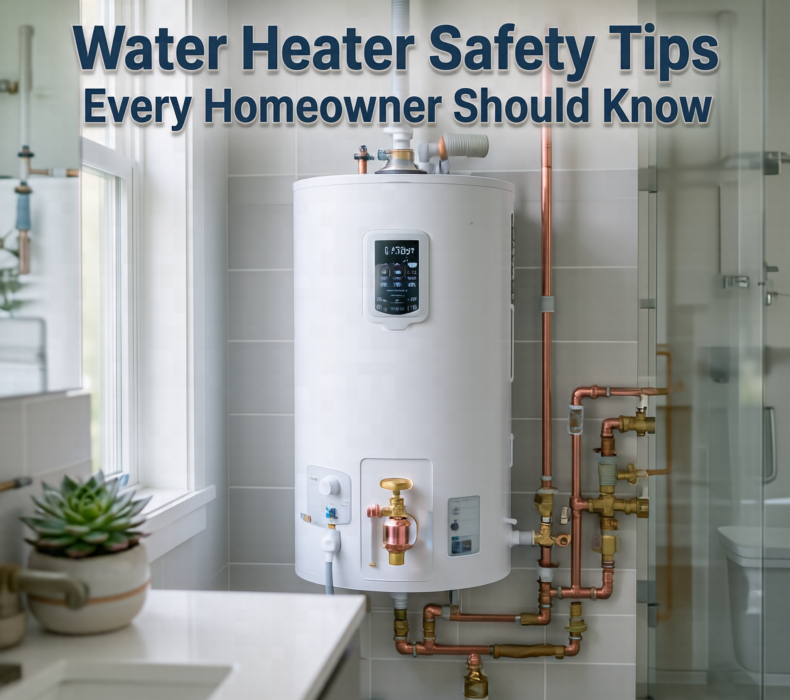
Owning a water heater brings convenience and comfort to your daily routine, but using it safely is just as important as choosing the right model. Water Heater Safety Tips Every Homeowner Should Know will help you understand how to operate, maintain, and inspect your water heater to reduce risks and improve its performance. Whether you use an instant or storage water heater, following a few simple safety practices can help prevent electrical hazards, water leaks, overheating, and unnecessary repairs. Moreover, proper maintenance ensures your appliance continues to deliver reliable hot water for years to come.
Why Water Heater Safety Matters
A water heater operates using electricity and water, making proper installation, operation, and maintenance essential. Ignoring safety guidelines may lead to equipment damage, higher electricity bills, or accidents that could have been prevented.
Some benefits of following water heater safety practices include:
- Safe daily operation
- Lower risk of electrical hazards
- Improved energy efficiency
- Longer appliance lifespan
- Reduced repair costs
- Reliable hot water supply
- Greater peace of mind
Therefore, every homeowner should understand the basic safety measures before using a water heater.
Water Heater Safety Tips Every Homeowner Should Know
Understanding Water Heater Safety Tips Every Homeowner Should Know can help you protect both your family and your investment.
1. Always Hire a Qualified Installer
Proper installation is the foundation of water heater safety.
A qualified technician understands the correct plumbing connections, electrical wiring, and mounting requirements. As a result, professional installation reduces the risk of leaks, electrical faults, and poor performance.
Additionally, professional installation may help maintain your manufacturer’s warranty.
2. Read the User Manual Carefully
Every water heater is designed differently.
Before using your appliance, read the manufacturer’s instructions to understand:
- Operating procedures
- Safety precautions
- Maintenance requirements
- Recommended settings
- Warranty conditions
Following these guidelines helps prevent misuse.
3. Set a Safe Water Temperature
Extremely hot water can increase the risk of burns, especially for children and older adults.
Choose a comfortable temperature recommended by the manufacturer rather than setting the thermostat to its highest level.
This also helps reduce unnecessary energy consumption.
4. Inspect Your Water Heater Regularly
Routine inspections allow you to detect small problems before they become expensive repairs.
Look for:
- Water leaks
- Rust or corrosion
- Loose electrical connections
- Unusual noises
- Damaged pipes
- Water stains around the unit
Consequently, early maintenance can prevent unexpected breakdowns.
5. Check for Water Leaks
Even a small leak can waste water and damage surrounding walls or flooring.
Inspect all pipe connections and fittings regularly.
If you notice continuous dripping, arrange for repairs as soon as possible.
6. Keep the Area Around the Water Heater Clear
Avoid placing household items directly around the appliance.
Maintain enough space for:
- Proper airflow
- Easy maintenance
- Safe operation
- Emergency access
Furthermore, keeping the surrounding area clean reduces the risk of accidental damage.
7. Never Attempt Unsafe Electrical Repairs
If your electric water heater develops an electrical fault, do not attempt repairs unless you are qualified to do so.
Instead:
- Turn off the power supply.
- Contact a licensed electrician or qualified technician.
- Avoid using damaged electrical cables.
Professional repairs improve safety and help prevent further damage.
8. Test Safety Components Regularly
Modern water heaters include several built-in safety features.
Depending on your model, these may include:
- Pressure relief valve
- Overheat protection
- Automatic shut-off
- Thermostat
- Dry heating protection
Check that these safety components function correctly according to the manufacturer’s maintenance instructions.
9. Avoid Running a Storage Water Heater Without Water
Storage water heaters should always contain water before being switched on.
Operating an empty tank may damage the heating element and shorten the appliance’s lifespan.
Therefore, ensure the tank is completely filled before restoring power.
10. Use the Correct Electrical Supply
Your water heater should only be connected to an electrical supply that matches the manufacturer’s specifications.
Avoid:
- Overloaded circuits
- Improper extension cables
- Incorrect voltage
- Damaged sockets
Using the proper electrical connection helps reduce fire and electrical risks.
Maintenance Tips for Safe Operation
Routine maintenance is essential for both safety and efficiency.
Follow these recommendations:
- Clean the exterior regularly.
- Flush storage tanks according to the manufacturer’s instructions.
- Replace worn components promptly.
- Inspect electrical wiring periodically.
- Schedule professional servicing at recommended intervals.
Additionally, regular maintenance helps improve energy efficiency and prolongs the appliance’s lifespan.
Warning Signs You Should Never Ignore
Your water heater may show signs that indicate immediate attention is needed.
Watch for:
- Persistent water leaks
- Burning smells
- Unusual noises
- Fluctuating water temperature
- Discoloured water
- Frequent power interruptions
- Visible corrosion
If you notice any of these issues, stop using the appliance and arrange for professional inspection.
Common Water Heater Safety Mistakes
Many homeowners unknowingly reduce the safety of their appliances by making avoidable mistakes.
Avoid these common errors:
- Ignoring routine maintenance
- Setting excessively high temperatures
- Installing the heater without professional assistance
- Blocking ventilation where required by the manufacturer
- Using damaged electrical outlets
- Delaying repairs when problems appear
Instead, address minor issues promptly to prevent larger problems later.
Benefits of Following Water Heater Safety Practices
Practicing good safety habits offers several long-term advantages.
These include:
- Improved family safety
- Lower maintenance costs
- Better appliance performance
- Greater energy efficiency
- Longer equipment lifespan
- Reliable access to hot water
Consequently, regular safety checks help maximize the value of your investment.
Conclusion
Following Water Heater Safety Tips Every Homeowner Should Know is one of the best ways to keep your household safe while ensuring your water heater operates efficiently. From hiring a qualified installer and checking for leaks to maintaining the correct temperature and performing routine inspections, every precaution contributes to safer and more reliable performance.





 Get it on
  Download on the