





- Adaobi
- May 22, 2026
- No Comments
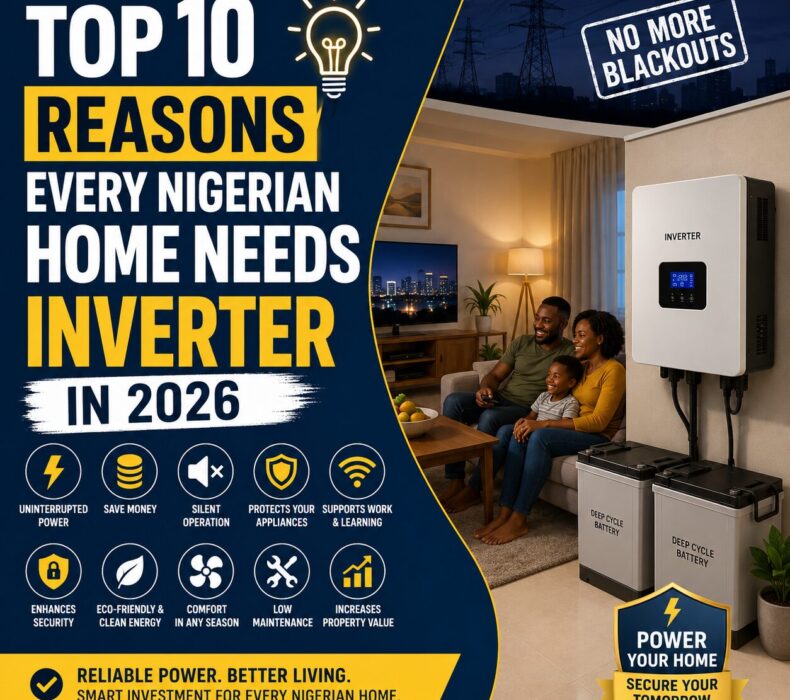
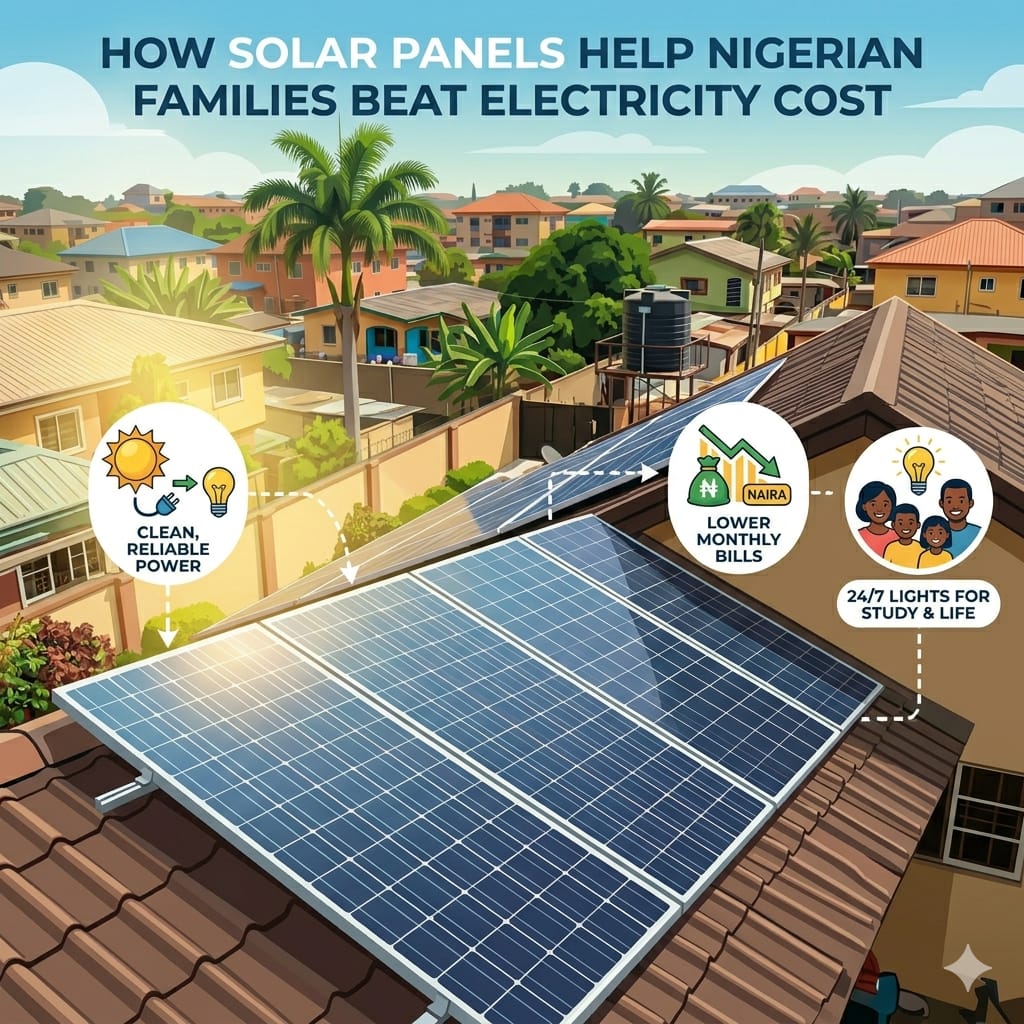
Power supply challenges remain a major concern across Nigeria. Frequent blackouts, rising fuel costs, and unstable electricity continue to affect households daily. As a result, more families now rely on alternative energy solutions to maintain comfort and productivity.
In 2026, an inverter has become more than a luxury. It is now an essential home investment for Nigerian families seeking uninterrupted power. Unlike noisy generators, inverter systems provide clean, silent, and efficient electricity for modern living.
1. Enjoy Constant Electricity Supply
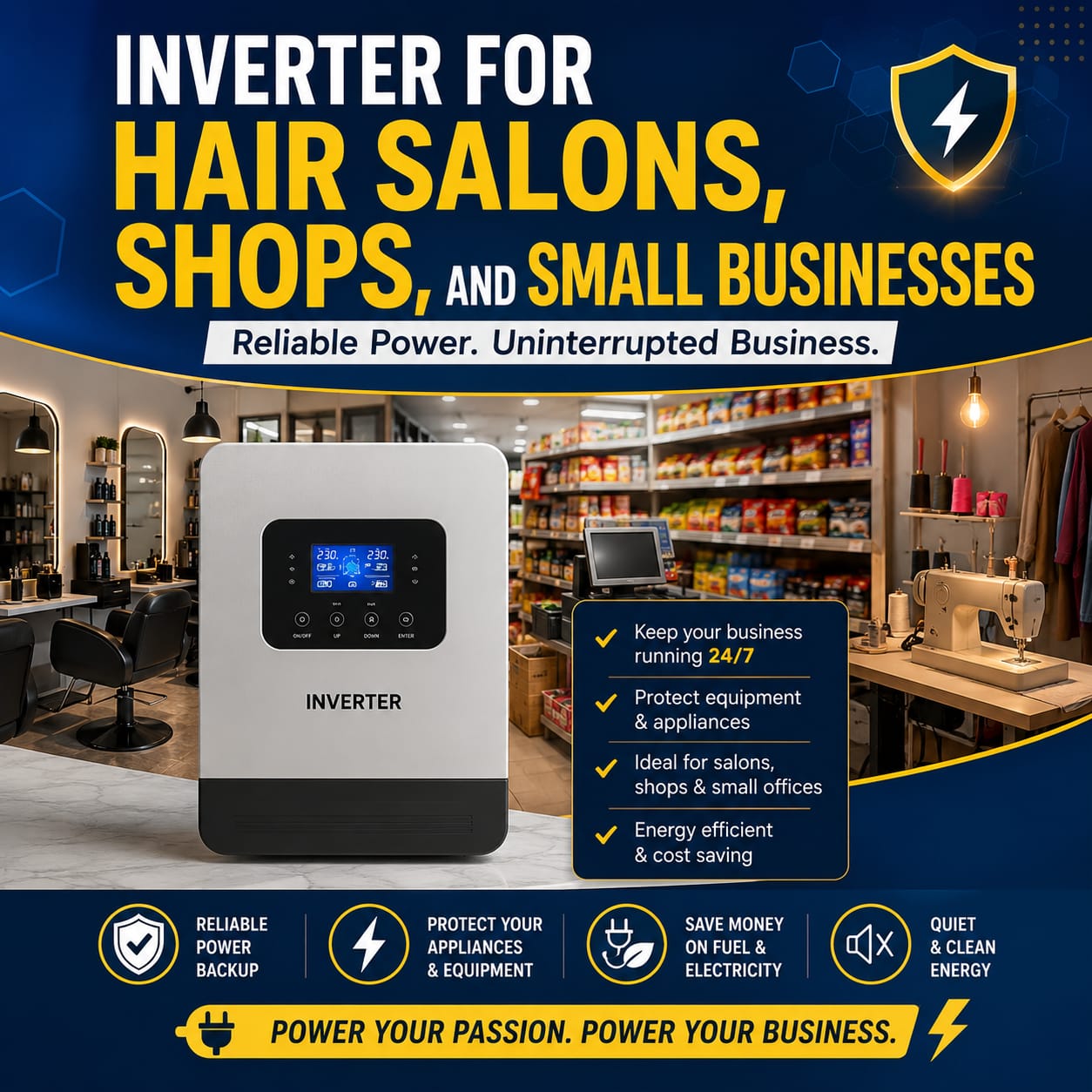
One of the biggest benefits of an inverter is uninterrupted power. Whenever public electricity fails, the inverter automatically powers important appliances without delay.
This means families can continue watching television, charging phones, working remotely, or using lighting systems without disruption. Consequently, daily routines become easier and more comfortable.
2. Reduce Spending on Fuel
Fuel prices continue to increase in Nigeria. Running a generator daily can become very expensive over time.
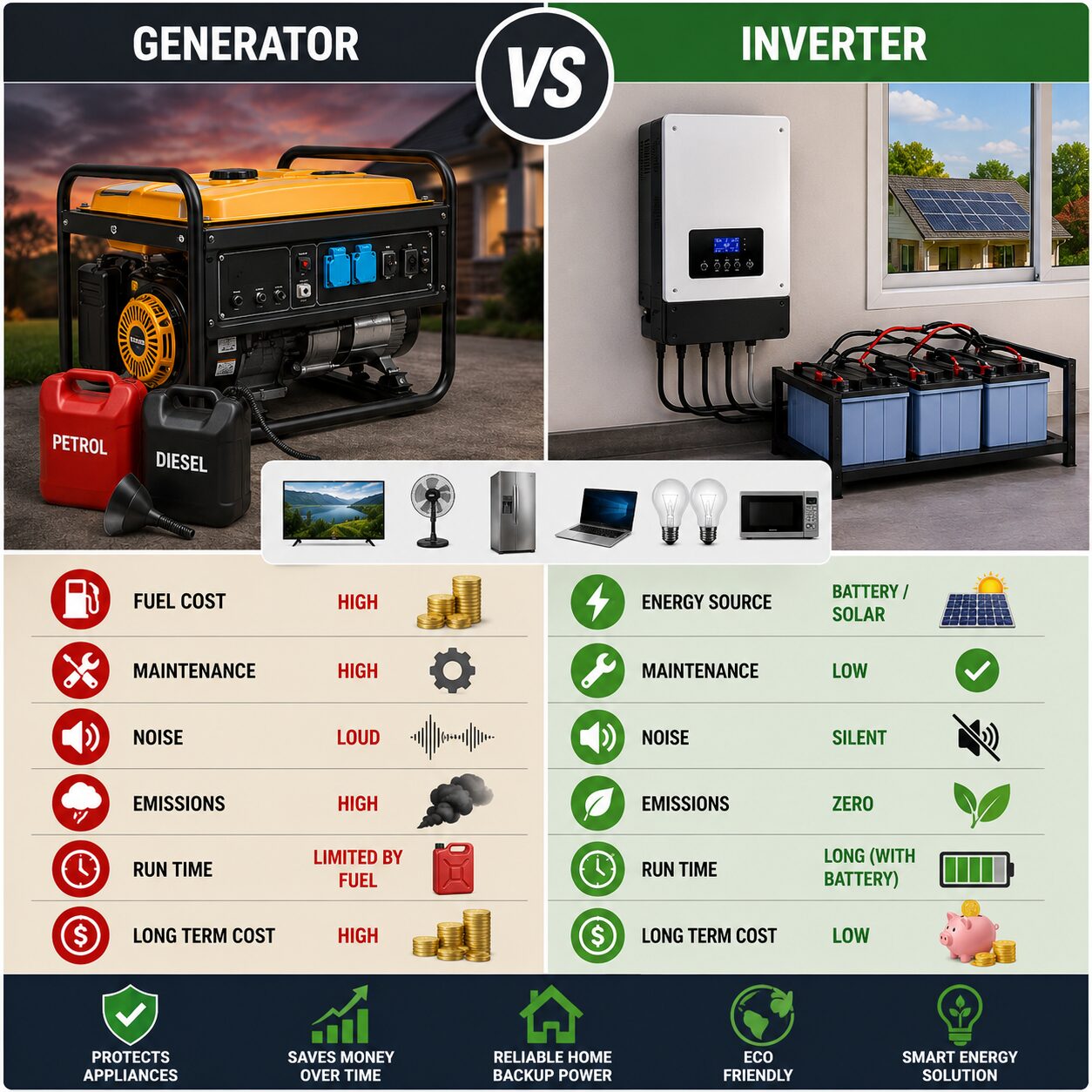
However, inverter systems operate using stored battery power. Therefore, homeowners spend less money on petrol or diesel. Although the initial setup may cost more, the long-term savings are significant.
Many Nigerian families now prefer inverters because they help reduce monthly energy expenses.
3. Enjoy Silent Power Backup
Generators often produce loud noise that disturbs sleep, conversations, and relaxation. In contrast, inverters operate quietly.
Because of this, families can enjoy peaceful environments both during the day and at night. Silent operation is especially valuable for apartments, estates, and residential neighborhoods where noise pollution is a concern.
4. Protect Household Appliances
Power fluctuations can damage expensive electronics and appliances. Sudden voltage changes may affect televisions, refrigerators, laptops, and air conditioners.
Fortunately, inverter systems provide stable electricity output. As a result, appliances receive safer power that reduces the risk of electrical damage.
Protecting electronics also helps homeowners avoid unnecessary repair or replacement costs.
5. Perfect for Remote Work and Online Learning
Remote jobs, virtual meetings, and online classes are becoming more common in Nigeria. Unfortunately, power interruptions can affect productivity and communication.
With an inverter system, internet routers, laptops, and lighting remain functional during outages. Consequently, professionals and students can continue working or studying without stress.
Reliable electricity has become extremely important for digital lifestyles in 2026.
6. Improve Home Security
Darkness during blackouts can increase security concerns. Homes without electricity may become vulnerable at night.
An inverter keeps security lights, CCTV cameras, electric fences, and alarm systems running continuously. Therefore, homeowners can feel safer even during long power interruptions.
In many Nigerian communities, improved security is now one of the main reasons families invest in inverter systems.
7. Eco-Friendly Energy Solution
Unlike generators, inverters do not release smoke or harmful fumes into the environment. This makes them cleaner and safer for families.
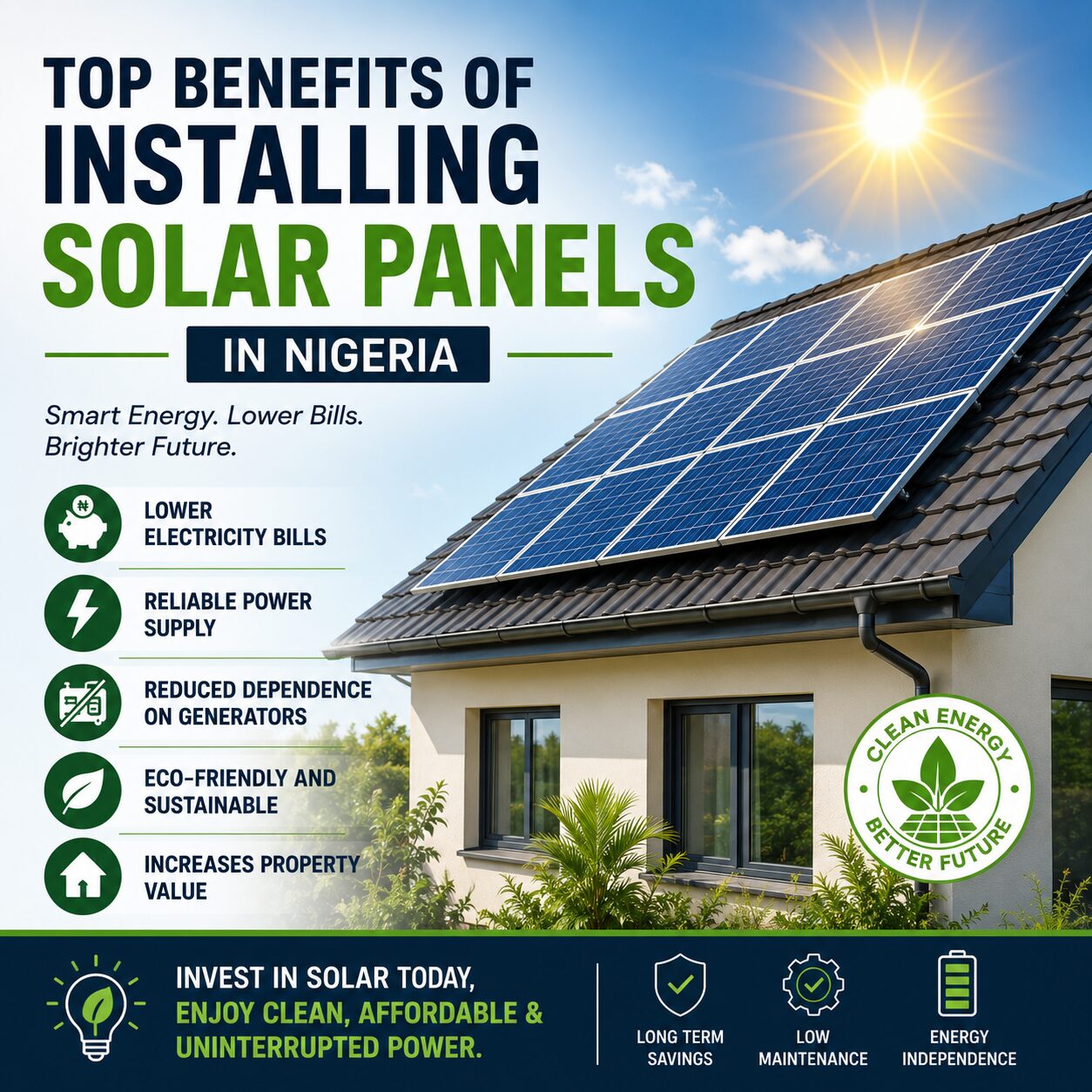
Additionally, many modern inverter systems work perfectly with solar panels. Solar integration helps reduce dependence on fuel while supporting cleaner energy use.
As environmental awareness grows in Nigeria, eco-friendly power solutions continue to gain popularity.
8. Increase Comfort During Hot Weather
Nigeria’s weather can become extremely hot, especially during dry seasons. Without electricity, using fans or cooling systems becomes difficult.
An inverter can power fans, lighting, and selected appliances during outages. Consequently, families stay more comfortable even when public power supply fails.
This benefit becomes especially important for homes with children or elderly residents.
9. Low Maintenance Requirements
Generators require regular servicing, fuel refilling, and engine maintenance. Inverters, however, are easier to maintain.
Most inverter systems only require proper battery care and occasional inspections. Therefore, homeowners spend less time worrying about repairs or mechanical problems.
Lower maintenance makes inverters a convenient option for busy households.
10. Increase Property Value
Modern homes with reliable backup power are more attractive to buyers and tenants. Installing an inverter system can improve the value and appeal of a property.
Many people now prioritize homes with dependable electricity solutions because of Nigeria’s ongoing power challenges. Consequently, inverter installations can become a smart long-term investment.
Things to Consider Before Buying an Inverter
Before purchasing an inverter system, homeowners should consider several important factors:
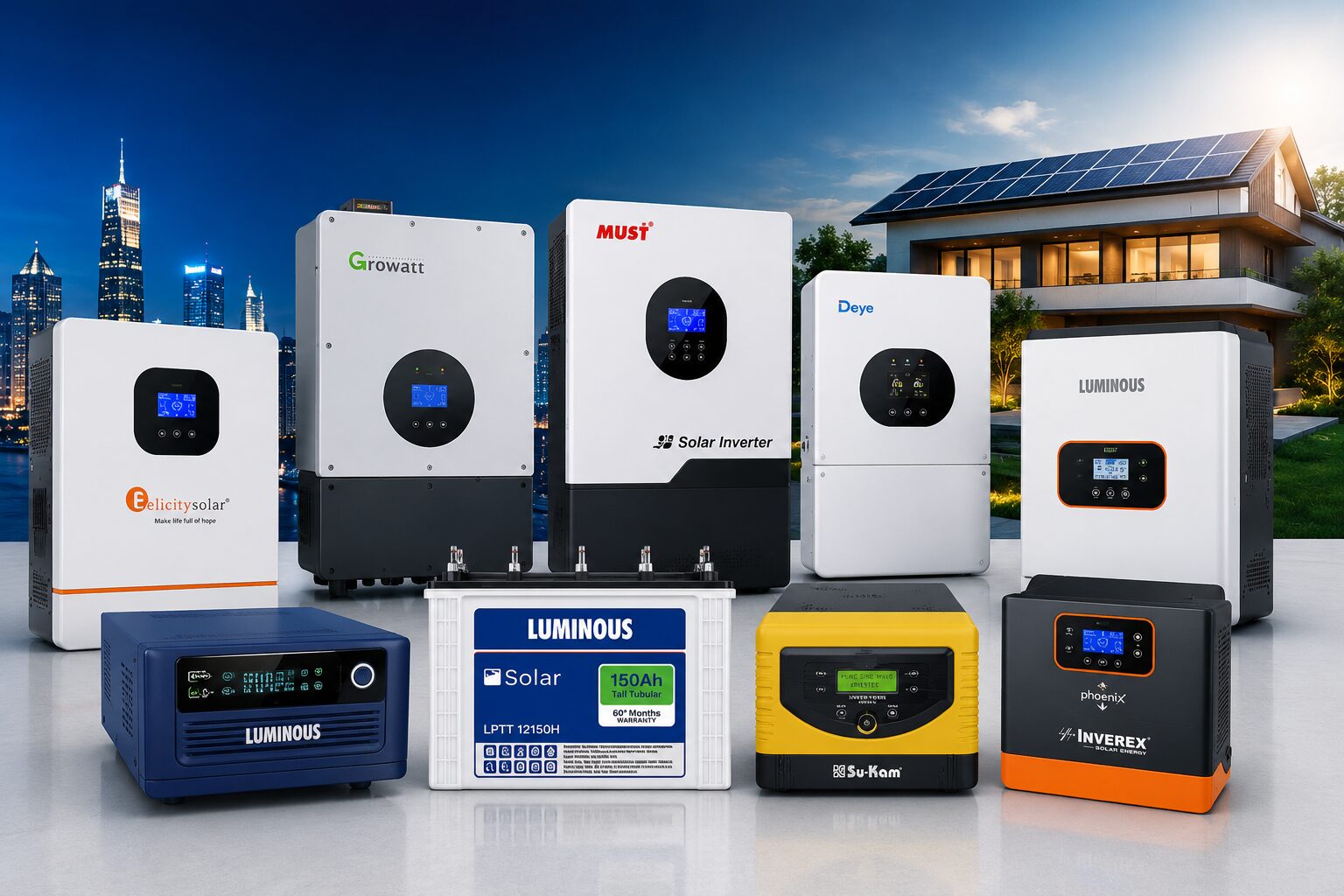
Power Capacity
Choose a system that matches your household energy needs. Larger homes may require higher-capacity inverters and batteries.
Battery Quality
Good batteries improve performance and durability. Investing in quality batteries helps ensure longer backup time.
Installation Expertise
Professional installation is important for safety and efficiency. Proper wiring and setup improve system performance.
Solar Compatibility
Selecting a solar-compatible inverter provides future flexibility and additional energy savings.
Conclusion
In 2026, inverters have become an essential part of modern Nigerian living. From reducing fuel costs to improving comfort and protecting appliances, the benefits are clear.
As electricity challenges continue, more households are turning to inverter systems for reliable and convenient backup power. Whether for security, productivity, or everyday comfort, an inverter offers a practical solution for Nigerian homes.


 Get it on
  Download on the