






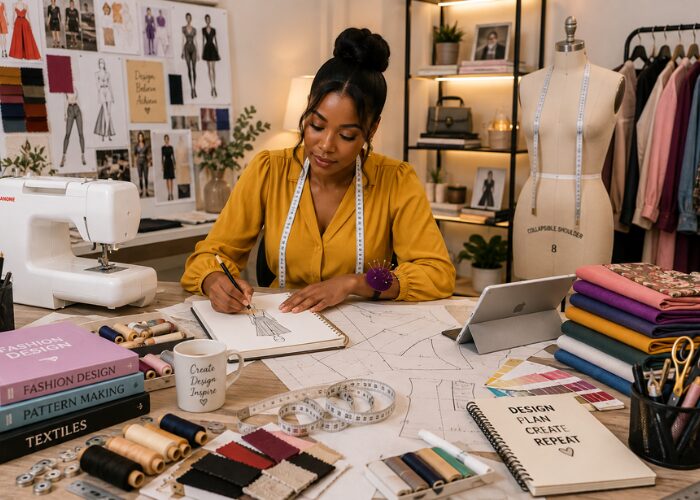
Fashion design is one of the most exciting and rewarding creative careers in the world. It combines imagination, technical skills, and craftsmanship to create clothing that inspires confidence and personal expression. Whether you dream of becoming a professional designer, starting your own clothing brand, or simply learning how garments are made, The Ultimate Guide to Fashion Design will help you build a strong foundation.
For beginners, the journey into fashion design can feel overwhelming. However, understanding the essential needs for fashion designers and learning how to use the right fashion design tools can make the learning process much easier. Moreover, developing your creativity, practicing consistently, and mastering the basics will prepare you for long-term success.
This guide explains everything you need to know to begin your fashion design journey confidently.
What Is Fashion Design?
Fashion design is the process of creating clothing, accessories, and footwear by combining creativity with technical knowledge. Designers transform ideas into wearable garments using sketches, fabrics, patterns, sewing techniques, and modern technology.
Furthermore, fashion design goes beyond creating beautiful clothes. It involves understanding body proportions, fabric behavior, color combinations, market trends, and customer preferences.
Today, fashion designers work in luxury fashion houses, ready-to-wear brands, bridal couture, corporate fashion, streetwear, sportswear, and sustainable fashion.
Why Learn Fashion Design?
Learning fashion design opens the door to numerous career opportunities.
Some benefits include:
- Expressing creativity through clothing
- Building your own fashion brand
- Creating custom garments
- Working with international fashion houses
- Earning income from bespoke tailoring
- Becoming a fashion entrepreneur
Additionally, fashion design allows you to create pieces that reflect culture, personality, and innovation.
Essential Needs for Fashion Designers
Every beginner should understand the essential needs for fashion designers before purchasing equipment.
Passion and Creativity
Creativity is the heart of fashion design. Every successful designer starts by imagining unique clothing ideas before turning them into finished garments.
Therefore, spend time observing fashion trends, colors, architecture, art, and nature to inspire your designs.
Basic Sewing Skills
Even if you eventually hire professional tailors, learning sewing fundamentals helps you understand garment construction.
Start by practicing:
- Straight stitching
- Curved seams
- Hemming
- Zippers
- Buttons
- Basic finishing techniques
Patience and Consistency
Fashion design requires practice.
Although your first garments may not be perfect, consistent learning will gradually improve your skills.
Essential Fashion Design Tools
Using quality fashion design tools helps beginners work more efficiently.
Sewing Machine
A sewing machine is one of the most important investments.
Beginners should choose a reliable domestic sewing machine before upgrading to industrial models.
Fabric Scissors
Professional fabric scissors produce cleaner cuts than ordinary household scissors.
Always reserve them exclusively for fabric.
Measuring Tape
Accurate body measurements are essential for creating garments that fit perfectly.
Dress Form
A dress form allows designers to drape fabrics and visualize garment construction.
Furthermore, it makes fitting and adjustments much easier.
Pattern Paper
Pattern drafting begins with quality pattern paper.
Learning to create patterns is an essential fashion design skill.
Tailor’s Chalk
Tailor’s chalk helps transfer measurements and sewing lines onto fabric without causing permanent marks.
Pins and Pin Cushion
Pins hold fabric securely before stitching, ensuring greater accuracy.
Rotary Cutter and Cutting Mat
These tools improve precision when cutting multiple fabric layers.
Steam Iron
Ironing throughout the sewing process creates cleaner seams and more professional-looking garments.
Sketchbook
Every designer should keep a sketchbook for recording ideas, fashion illustrations, and future collections.
Choosing the Right Fabrics
Fabric selection significantly affects the final appearance of every garment.
Popular beginner fabrics include:
- Cotton
- Linen
- Satin
- Crepe
- Denim
- Silk
- Organza
- Chiffon
Moreover, understanding fabric weight, stretch, and texture helps designers make better creative decisions.
Basic Fashion Design Skills Every Beginner Needs
Fashion Illustration
Learning to sketch clothing allows designers to communicate ideas before production.
Practice drawing:
- Dresses
- Shirts
- Jackets
- Skirts
- Trousers
- Accessories
Pattern Making
Patterns serve as the blueprint for every garment.
Initially, beginners can learn simple patterns before progressing to more advanced techniques.
Garment Construction
Understanding how different clothing pieces are assembled improves sewing quality.
Additionally, it helps designers troubleshoot fitting problems.
Color Theory
Colors influence emotions and fashion appeal.
Learning complementary, monochromatic, and analogous color combinations improves design quality.
Fabric Knowledge
Each fabric behaves differently during cutting, sewing, and wearing.
Therefore, designers should study fabric characteristics carefully.
Fashion Design Specializations
As your skills improve, you may choose to specialize.
Popular areas include:
Bridal Fashion
Designing elegant wedding gowns and bridal accessories.
Corporate Wear
Creating professional clothing for business environments.
Streetwear
Producing fashionable casual clothing inspired by urban culture.
Children’s Wear
Designing stylish and comfortable clothing for children.
Luxury Fashion
Creating premium garments using high-quality materials and couture techniques.
Sustainable Fashion
Designing environmentally friendly clothing using ethical production methods.
Common Beginner Mistakes
Avoid these common errors.
Buying Too Many Tools
Purchase only the essential needs for fashion designers before investing in advanced equipment.
Ignoring Measurements
Always measure twice before cutting fabric.
Choosing Difficult Fabrics
Start with beginner-friendly fabrics such as cotton before attempting silk or chiffon.
Skipping Practice
The more garments you make, the faster your skills improve.
How to Improve Your Fashion Design Skills
You can grow faster by following these strategies.
Practice Daily
Even one hour of sewing each day builds confidence and experience.
Study Successful Designers
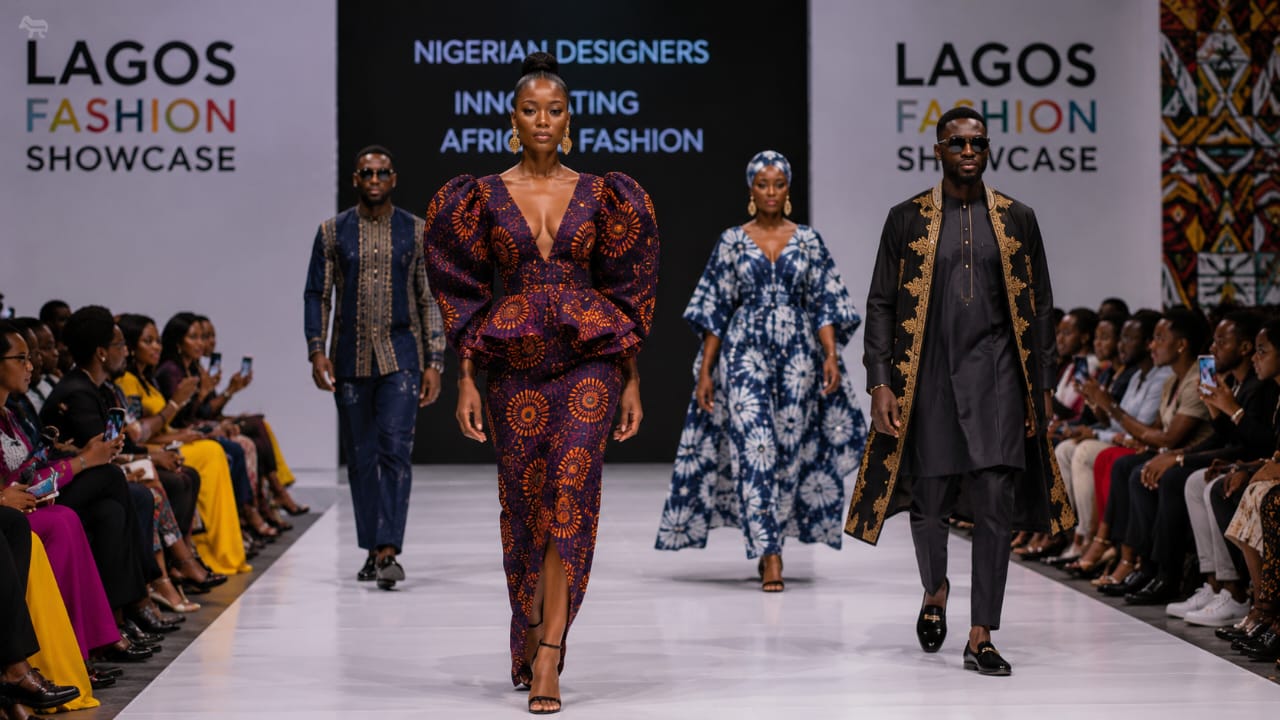
Observe collections from leading Nigerian and international designers.
Watch Tutorials
Online tutorials provide valuable demonstrations of sewing techniques and garment construction.
Attend Fashion Workshops
Learning directly from experienced designers accelerates your development.
Build a Portfolio
Photograph every completed project.
Eventually, your portfolio becomes essential when attracting clients or employers.
Fashion Design Career Opportunities
Fashion design offers diverse career paths.
These include:
- Fashion Designer
- Pattern Maker
- Fashion Illustrator
- Costume Designer
- Bridal Designer
- Tailor
- Fashion Stylist
- Fashion Entrepreneur
- Textile Designer
- Fashion Consultant
Beginner’s Checklist
Before starting your first project, ensure you have:
- Sewing machine
- Fabric scissors
- Measuring tape
- Pins
- Needles
- Thread
- Pattern paper
- Tailor’s chalk
- Steam iron
- Sketchbook
These fashion design tools provide an excellent starting point.
Frequently Asked Questions
Do I need formal education to become a fashion designer?
No. While fashion schools provide structured learning, many successful designers are self-taught through practice, online courses, and mentorship.
Which sewing machine is best for beginners?
A reliable domestic sewing machine with basic stitches is ideal for beginners because it is easy to operate and suitable for learning.
How long does it take to learn fashion design?
Basic skills can be learned within a few months. However, becoming highly skilled requires continuous practice and experience.
What are the most important fashion design tools?
A sewing machine, measuring tape, fabric scissors, dress form, steam iron, pins, and sketchbook are among the most essential tools.
Final Thoughts
The Ultimate Guide to Fashion Design provides beginners with the knowledge needed to start their creative journey with confidence. By understanding the essential needs for fashion designers, investing in the right fashion design tools, and practicing consistently, you can build a strong foundation for a successful career.
Remember that every great designer started as a beginner. Stay curious, embrace mistakes as learning opportunities, and continue refining your skills. With dedication and creativity, you can transform simple ideas into beautiful fashion pieces that inspire others.





 Get it on
  Download on the