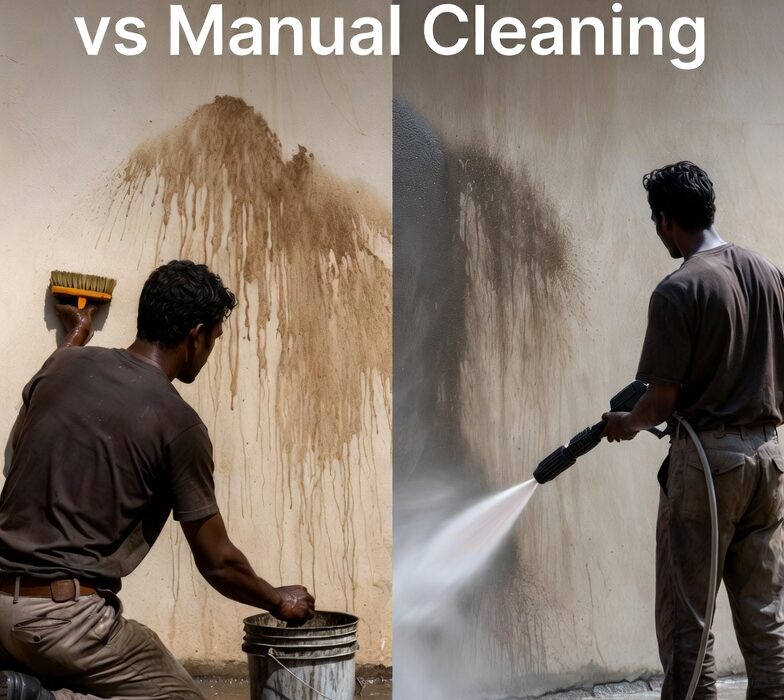
Keeping your home or business clean is essential for hygiene, comfort, and long-term maintenance. However, when it comes to choosing the best cleaning method, many people face a common question: pressure washer vs manual cleaning—which is better?
In Nigeria, where dust, stains, and environmental factors can make cleaning more challenging, this decision becomes even more important. While traditional manual cleaning methods are widely used, pressure washers are becoming increasingly popular due to their speed and efficiency.
But do they really save time and money?
In this comprehensive guide, we compare pressure washing and manual cleaning, analyzing their costs, effectiveness, time efficiency, and long-term value to help you make the best decision.
What Is Manual Cleaning?
Manual cleaning involves using traditional tools such as:
Buckets
Mops
Brushes
Sponges
Detergents
It is the most common cleaning method used in Nigerian homes.
Advantages of Manual Cleaning
✔ Low initial cost ✔ Easy to start (no equipment needed) ✔ Suitable for small cleaning tasks ✔ Widely accessible
Disadvantages of Manual Cleaning
❌ Time-consuming ❌ Requires physical effort ❌ Less effective for tough stains ❌ Inconsistent results
What Is a Pressure Washer?
A pressure washer is a machine that uses high-pressure water spray to remove dirt, grime, mold, and stains from surfaces.
Common Uses
Cleaning driveways
Washing cars
Removing stains from walls
Cleaning outdoor spaces
Advantages of Pressure Washing
✔ Fast and efficient ✔ Deep cleaning power ✔ Saves water in many cases ✔ Reduces manual effort
Disadvantages of Pressure Washing
❌ Higher upfront cost ❌ Requires electricity or fuel ❌ Needs proper handling ❌ Not ideal for delicate surfaces
Pressure Washer vs Manual Cleaning: Key Comparison
Let’s break it down across important factors.
1. Time Efficiency
Manual Cleaning
Manual cleaning takes longer because:
Requires scrubbing
Needs multiple steps
Depends on physical effort
Pressure Washing
Pressure washers clean surfaces much faster.
Example:
Manual cleaning driveway: 2–3 hours
Pressure washing driveway: 20–30 minutes
👉 Winner: Pressure washer
2. Cost Comparison
Manual Cleaning Costs
Low upfront cost
Ongoing expenses for detergents
Labor cost (time or hired help)
Pressure Washer Costs
Initial purchase cost
Low ongoing cost
Minimal labor required
Long-Term Cost Analysis
Factor
Manual Cleaning
Pressure Washer
Initial Cost
Low
High
Maintenance
Low
Moderate
Labor Cost
High
Low
Long-Term Value
Moderate
High
👉 Winner: Pressure washer (long-term)
3. Cleaning Effectiveness
Manual Cleaning
Good for light cleaning
Struggles with stubborn stains
Pressure Washing
Removes tough dirt easily
Cleans deep into surfaces
Eliminates mold and grime
👉 Winner: Pressure washer
4. Water Usage
Surprisingly, pressure washers often use less water than manual cleaning.
Why?
High pressure = efficient cleaning
Less rinsing required
👉 Winner: Pressure washer
5. Physical Effort
Manual Cleaning
Requires bending, scrubbing, lifting
Pressure Washing
Minimal effort
Machine does the work
👉 Winner: Pressure washer
6. Versatility
Manual Cleaning
Works on all surfaces
Safe for delicate items
Pressure Washing
Best for hard surfaces
Not suitable for fragile materials
👉 Winner: Manual cleaning (for delicate tasks)
When Should You Use Manual Cleaning?
Manual cleaning is best for:
Indoor cleaning
Small areas
Delicate surfaces
Daily maintenance
When Should You Use a Pressure Washer?
Pressure washing is ideal for:
Outdoor cleaning
Large surfaces
Tough stains
Commercial cleaning
Pressure Washer vs Manual Cleaning in Nigerian Homes
In Nigeria, environmental factors influence cleaning needs.
Common Challenges
Dust accumulation
Mud during rainy season
Oil stains
Mold growth
Pressure washers are particularly effective in handling these challenges.
Cost Breakdown in Nigeria
Manual Cleaning
Detergents: affordable
Labor: recurring cost
Pressure Washer
Initial investment: moderate
Long-term savings: high
For households that clean frequently, pressure washers offer better value.
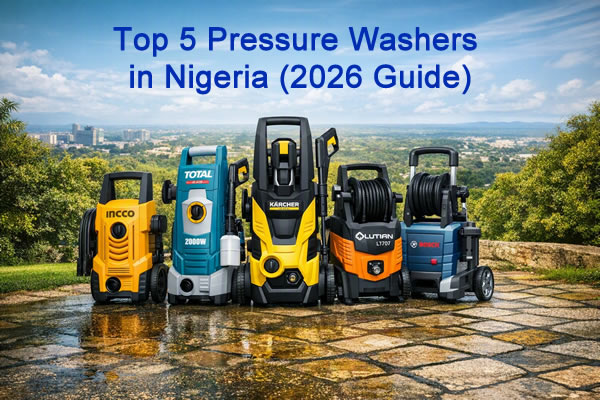
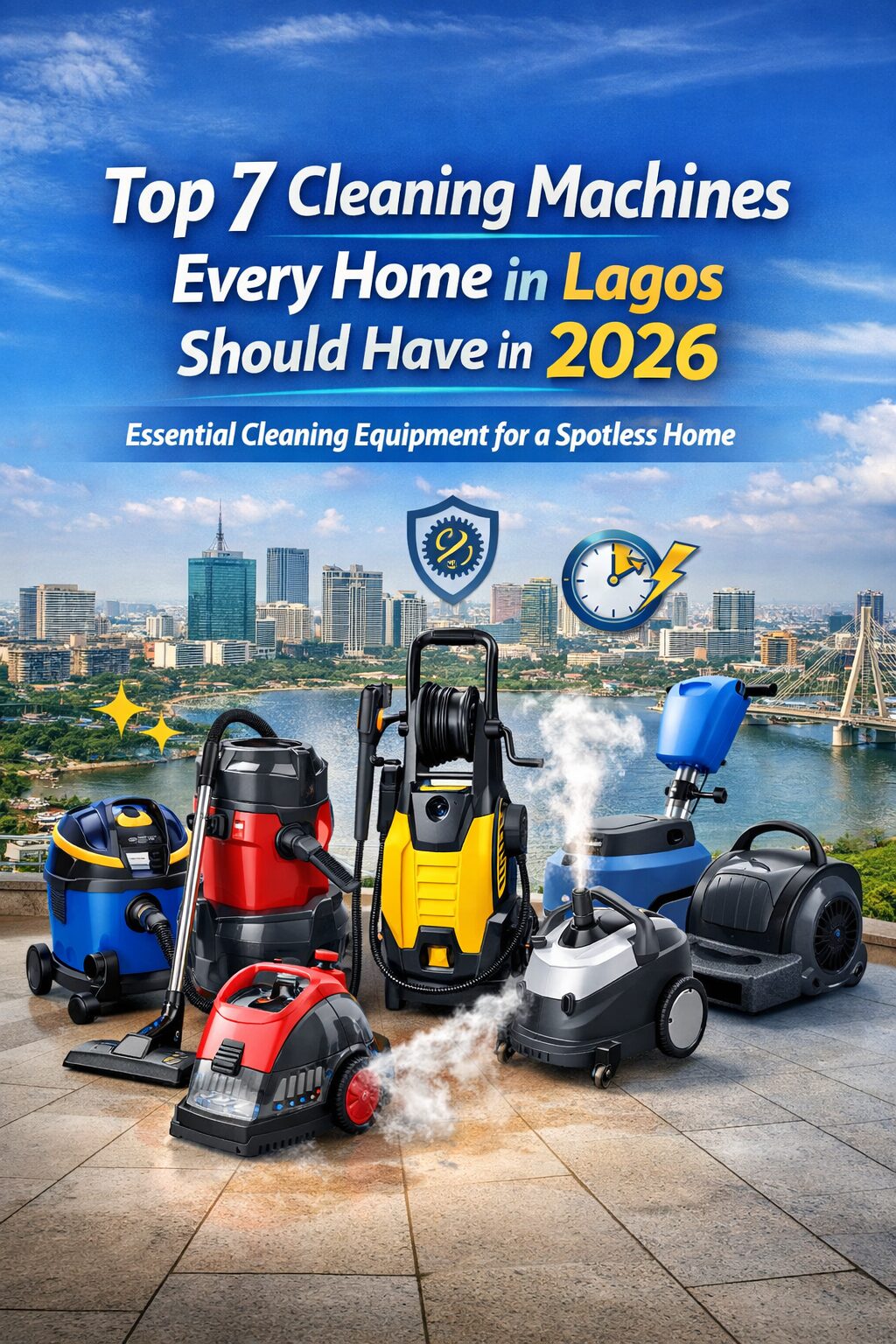
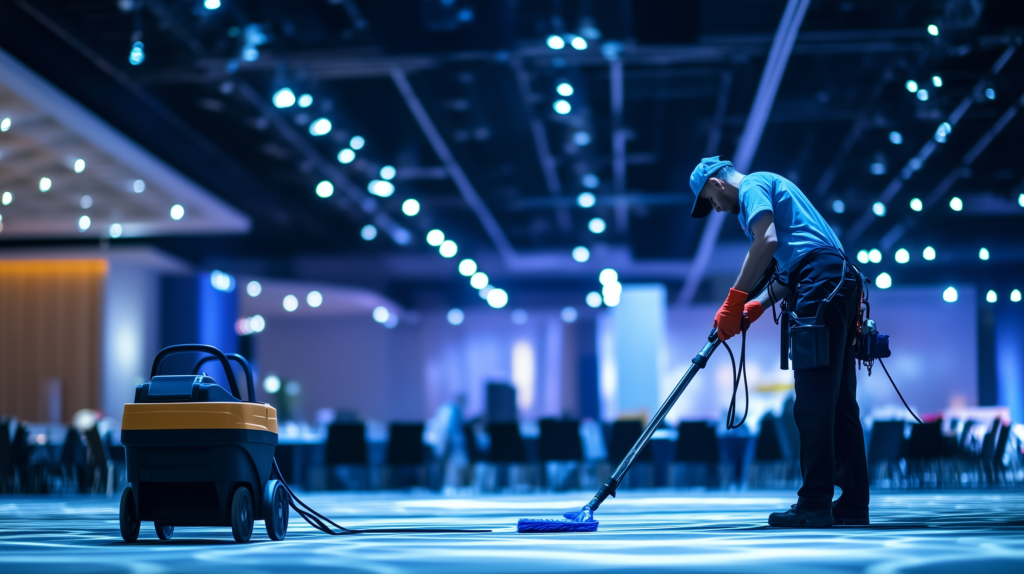
Role of Cleaning Equipment in Saving Money
Investing in the right equipment improves efficiency.
❌ Using pressure washer on delicate surfaces ❌ Overusing detergents in manual cleaning ❌ Ignoring maintenance of equipment ❌ Choosing wrong method for the task
Which Option Saves More Money?
Short-Term
Manual cleaning is cheaper
Long-Term
Pressure washing is more cost-effective
Which Option Saves More Time?
Pressure washers clearly win in terms of:
Speed
Efficiency
Reduced effort
Best Approach: Combine Both Methods
The smartest strategy is to use both methods.
Example
Manual cleaning for indoors
Pressure washing for outdoors
Future of Cleaning in Nigeria
Cleaning is evolving with:
Advanced equipment
Automation
Smart cleaning tools
Pressure washers are becoming more common in homes and businesses.
Why This Decision Matters
Choosing the right method helps:
Save time
Reduce costs
Improve cleaning results
Conclusion
When comparing pressure washer vs manual cleaning, the best choice depends on your needs.
Manual cleaning is affordable and suitable for everyday tasks
Pressure washers offer speed, efficiency, and long-term savings
For most Nigerian homes, a combination of both methods provides the best results.
Investing in the right tools today can save you time, effort, and money in the long run.










 Get it on
  Download on the