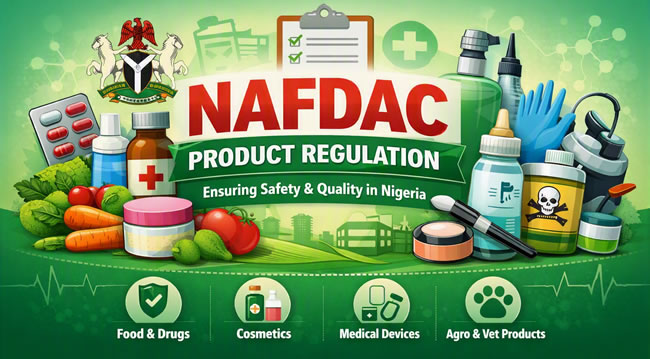
When it comes to product safety and consumer protection in Nigeria, NAFDAC (National Agency for Food and Drug Administration and Control) plays a central role. Whether you run an e‑commerce store, import goods, manufacture products, or simply want to understand compliance requirements, knowing which products fall under NAFDAC regulation is essential.
NAFDAC oversees a wide range of items that directly impact public health, from food and medicines to cosmetics and medical devices. Below is a comprehensive breakdown of NAFDAC‑regulated product categories, based on official classification guidelines.
1. Food & Beverages
NAFDAC regulates virtually all packaged food and drink products sold in Nigeria. Examples include:
Packaged foods and snacks
Spices, seasonings, cereals
Honey, cooking oils
Juices, soft drinks, energy drinks
Infant foods
If a product is consumed, it almost certainly requires NAFDAC approval.
2. Human Medicines
All pharmaceutical products—whether prescription or over‑the‑counter—must be registered.
Examples:
Antibiotics, painkillers, antimalarials
Syrups, tablets, capsules
Injections
This category ensures that medicines sold in Nigeria are safe, effective, and properly manufactured.
3. Herbal Products
Herbal and traditional medicines are widely used in Nigeria, and NAFDAC regulates them to ensure safety.
Examples:
Herbal mixtures
Traditional remedies
Natural medicinal products
4. Nutraceuticals & Supplements
These are products that provide nutritional or health benefits but are not classified as drugs.
Examples:
Vitamins and minerals
Dietary supplements
Nutritional powders
5. Cosmetics
Any product applied to the skin, hair, or body for beautification or cleansing falls under NAFDAC regulation.
Examples:
Creams, lotions, soaps
Shampoos, deodorants
Perfumes, makeup
Skincare and haircare products
Even though cosmetics are not medicines, they must meet safety standards.
6. Household Products
Certain household items are regulated because they contain chemicals that may affect human health.
Examples:
Liquid soaps
Detergents
Disinfectants and sanitizers
Some household chemical products
7. Packaged Water
NAFDAC strictly monitors packaged drinking water due to public health concerns.
Products used for diagnosis, testing, or health monitoring must be registered.
Examples:
Test kits (e.g., pregnancy tests)
Syringes, gloves, condoms
Sanitary products
Diagnostic equipment
Blood glucose meters
9. Vaccines & Biologics
These are highly sensitive products requiring strict regulatory oversight.
Examples:
Vaccines
Biological medicines
10. Veterinary Products
NAFDAC also regulates products used for animal health.
Examples:
Veterinary medicines
Animal‑health treatments
11. Animal Feed & Pet Food
Products consumed by animals must meet quality and safety standards.
Examples:
Animal feed
Pet food
12. Chemicals & Agrochemicals
Certain chemicals and agricultural products are regulated due to their potential impact on health and the environment.
Examples:
Pesticides
Agrochemicals
Regulated industrial chemicals
Products That Are Not NAFDAC‑Regulated
Not all consumer goods require NAFDAC registration. Items that do not fall under NAFDAC regulation include:
Clothing, shoes, bags
Phones, laptops, TVs
Furniture, kitchen utensils
Non‑medical electronics
Watches, jewelry
Toys and stationery
These products are not ingested, applied to the body, or used for medical purposes, so they do not require NAFDAC approval.
Important Compliance Note
A product’s regulatory requirement depends on:
Ingredients
Intended use
Claims made on the packaging or marketing
For example, a lotion marketed as a cosmetic may be treated differently from one claiming medicinal benefits. This is why proper classification is crucial for compliance.
Why This Matters for E‑commerce Businesses
For online marketplaces and sellers, proper product classification helps:
Avoid regulatory violations
Prevent listing of unregistered products
Protect consumers
Build trust with manufacturers and regulatory bodies
Platforms should categorize products into:
NAFDAC‑required
NAFDAC‑not‑required
And apply additional review for products whose claims or ingredients may change their regulatory status.
Final Thoughts
Understanding NAFDAC‑regulated product categories is essential for safe commerce and consumer protection in Nigeria. Whether you are a manufacturer, importer, distributor, or online seller, staying compliant ensures your products meet national standards and protects your business from regulatory issues.














 Get it on
  Download on the