






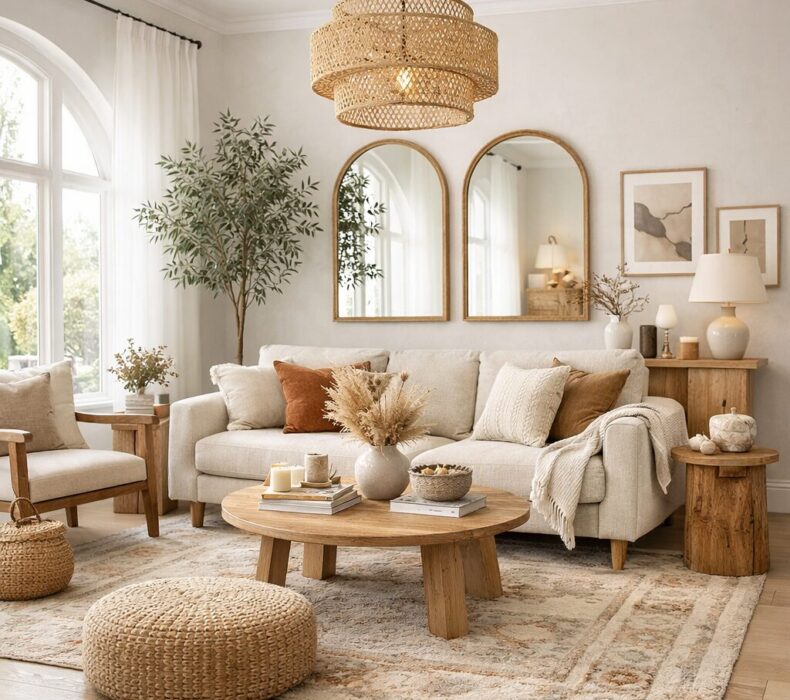
Modern Home Design Ideas: Complete Review
Creating a stylish living environment begins with understanding how modern design transforms space into a clean, functional sanctuary. In this complete review, we explore innovative home design concepts that effortlessly combine aesthetic beauty with daily convenience.
Modern home design combines minimalist designs. Key features include expansive floor-to-ceiling glass, open-concept floor plans, and sustainable, natural materials like timber and stone. The style creates visually striking, eco-friendly, and tranquil environments.
Core Architectural & Design Elements
- Floor-to-Ceiling Glass: Expansive windows and sliding glass doors blur the boundary between indoor and outdoor spaces. They fill the home with natural light and frame the surrounding landscape.
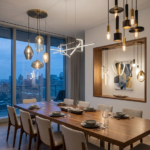
- Open-Concept Layouts: Living, dining, and kitchen areas merge without dividing walls. This promotes spatial flow, encourages social interaction, and ensures light reaches all areas.
- Cantilevered Structures & Asymmetry: Bold, geometric forms—such as roofs or rooms that project outward without visible supports—give modern homes a dynamic and innovative silhouette.
- Floating Staircases: Steps appear to hover in mid-air, often supported by slim metal frames or glass panels, serving as functional yet sculptural centerpieces.
Interior Design Trends
- Quiet Luxury: Kitchens and living rooms favor handleless, matte-finish cabinetry, integrated smart technology, and striking waterfall-edge islands. Clutter is concealed through clever, built-in storage.
- Earthy & Tactile Materials: Instead of stark minimalism, modern homes incorporate warmth using boucle fabrics, oak floors, and natural stone. Biophilic design—bringing the outdoors in—creates grounding, spa-like retreats, especially in bathrooms.
- Neutral Palettes with Bold Accents: Color schemes rely on off-whites, grays, and warm earth tones. Statement walls, such as venetian plaster or warm wood paneling, add rich texture.
- Integrated Smart Systems: Homes prioritize automated lighting, climate control, and advanced security that blend invisibly into the minimalist aesthetic.
Why Choose Modern Design?
- Energy Efficiency: Sustainable features like solar panels, energy-efficient glazing, and environmentally conscious construction choices reduce long-term utility costs and environmental impact.
- High Resale Value: Timeless modern elements, such as open floor plans and abundant natural light, remain highly sought after by buyers.
Fundamental Principles of Modern Interiors
To successfully update your interior space, you must first focus on simplicity and structure. Consequently, modern architecture emphasizes spaciousness and uncluttered visuals.
Embracing Minimalism and Open Layouts
Open floor plans allow seamless movement between living, dining, and cooking areas. Furthermore, eliminating unnecessary partition walls makes small homes feel instantly larger and brighter.
Leveraging Natural Light and Neutral Tones
Natural sunlight remains one of the most powerful tools in interior styling. In addition, pairing large windows with light shades like cream, soft grey, and warm beige highlights the architecture while keeping the ambiance peaceful.
Key Elements of Functional Living Spaces
Beautiful homes must balance visual appeal with practical day-to-day usability.
Selecting Functional Furniture
Invest in low-profile furniture pieces that feature clean geometric shapes. Moreover, selecting multi-functional items, such as storage ottomans or modular sofas, keeps your rooms adaptable and organized.
Incorporating Smart Technology and Eco-Friendly Materials
Today’s home concepts prioritize sustainability alongside convenience. Therefore, integrating energy-efficient lighting, organic wood accents, and smart home controls elevates both comfort and efficiency.
Refining Your Interior Aesthetic
Balancing Textures and Accent Colors
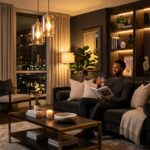
While neutral bases work best, adding pops of deep green, navy blue, or terracotta through cushions and artwork prevents your home from looking cold. Similarly, mixing smooth metals with textured fabrics adds welcoming depth.
Maintaining Clutter-Free Storage
Ultimately, effective storage keeps surfaces clean and visually appealing. Dedicated cabinets, hidden shelving, and disciplined organization ensure your modern design vision stays flawless over time.
Conclusion
Ultimately, mastering modern design comes down to striking a harmonious balance between crisp architectural lines, functional layouts, and personal warmth. By focusing on quality light, smart storage, natural textures, and open space, you can create an inviting home that feels timeless, cozy, and effortlessly stylish.



 Get it on
  Download on the