An inverter battery stores electrical energy for use during power outages. When electricity fails, the inverter converts the battery’s stored energy into usable household power.
Therefore, battery quality directly affects:
Backup duration
Charging speed
Appliance performance
System efficiency
Overall lifespan
A poor-quality battery may charge slowly, discharge quickly, or fail prematurely. Consequently, investing in a dependable battery improves long-term reliability significantly.
Understanding the Different Types of Inverter Batteries
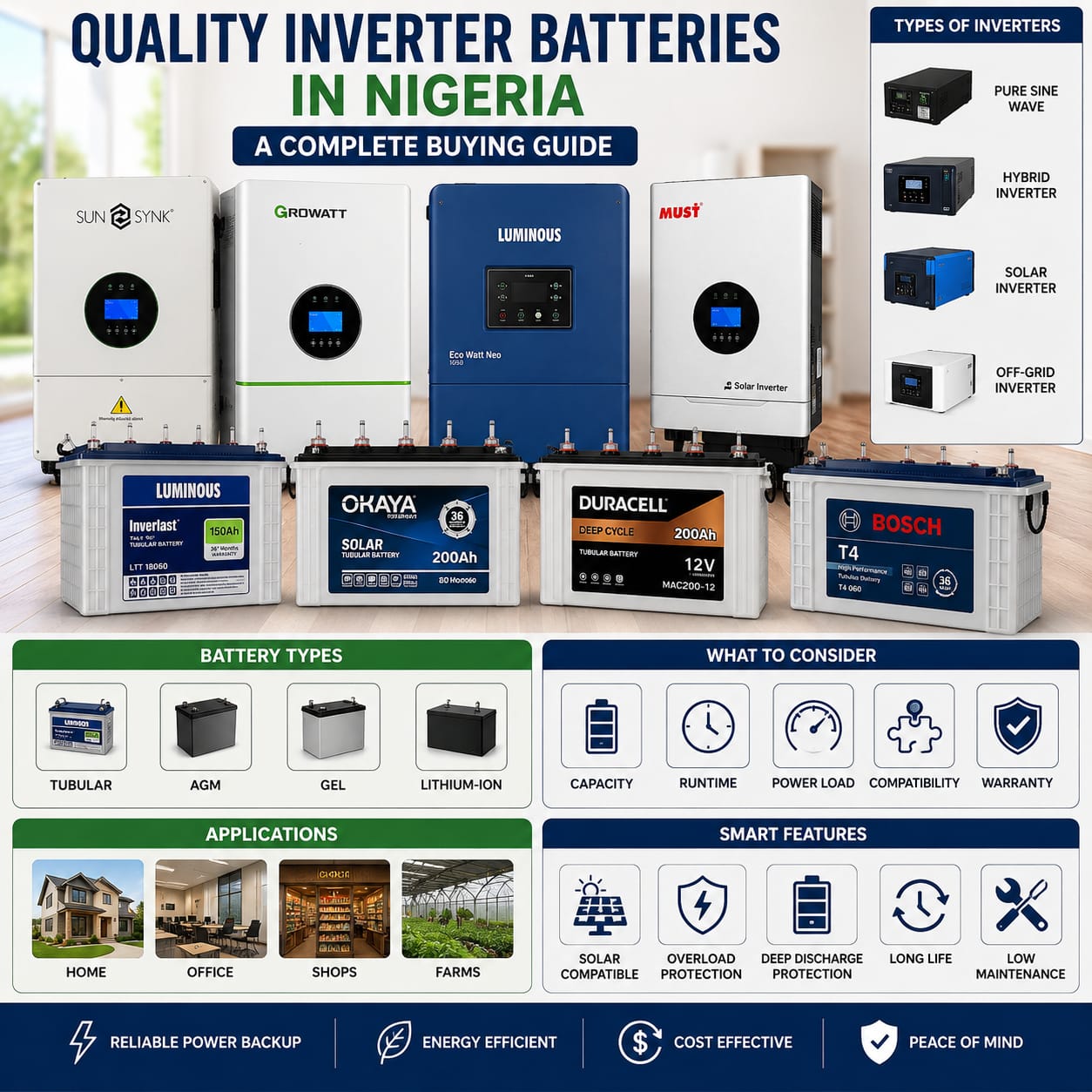
Several battery types are available in Nigeria today. Each option offers different advantages and disadvantages.
Tubular Batteries
Tubular batteries are among the most popular choices for Nigerian homes because they handle frequent power outages efficiently.
Advantages of Tubular Batteries
Long lifespan
Better deep discharge performance
Excellent heat resistance
Suitable for unstable electricity conditions
Reliable backup duration
These batteries are ideal for areas experiencing regular blackouts.
Disadvantages
Higher initial cost
Larger physical size
Requires occasional maintenance
Despite the higher price, tubular batteries often provide better long-term value.
Flat Plate Batteries
Flat plate batteries are usually cheaper than tubular options.
Benefits
Affordable pricing
Faster charging
Widely available
Limitations
Shorter lifespan
Less durable during frequent outages
Reduced performance in high temperatures
Although they may suit smaller energy needs, they are generally less durable than tubular batteries.
Lithium Batteries
Lithium batteries are becoming increasingly popular because of their advanced technology and efficiency.
Advantages
Lightweight design
Faster charging speed
Longer lifespan
Higher efficiency
Minimal maintenance
Disadvantages
Expensive purchase cost
Limited affordability for some households
Although lithium batteries cost more initially, they often save money long-term through improved durability and efficiency.
Typical Appliance Wattage
Appliance
Estimated Wattage
LED Bulb
10W – 20W
Ceiling Fan
70W – 100W
Television
80W – 150W
Refrigerator
150W – 300W
Laptop
50W – 100W
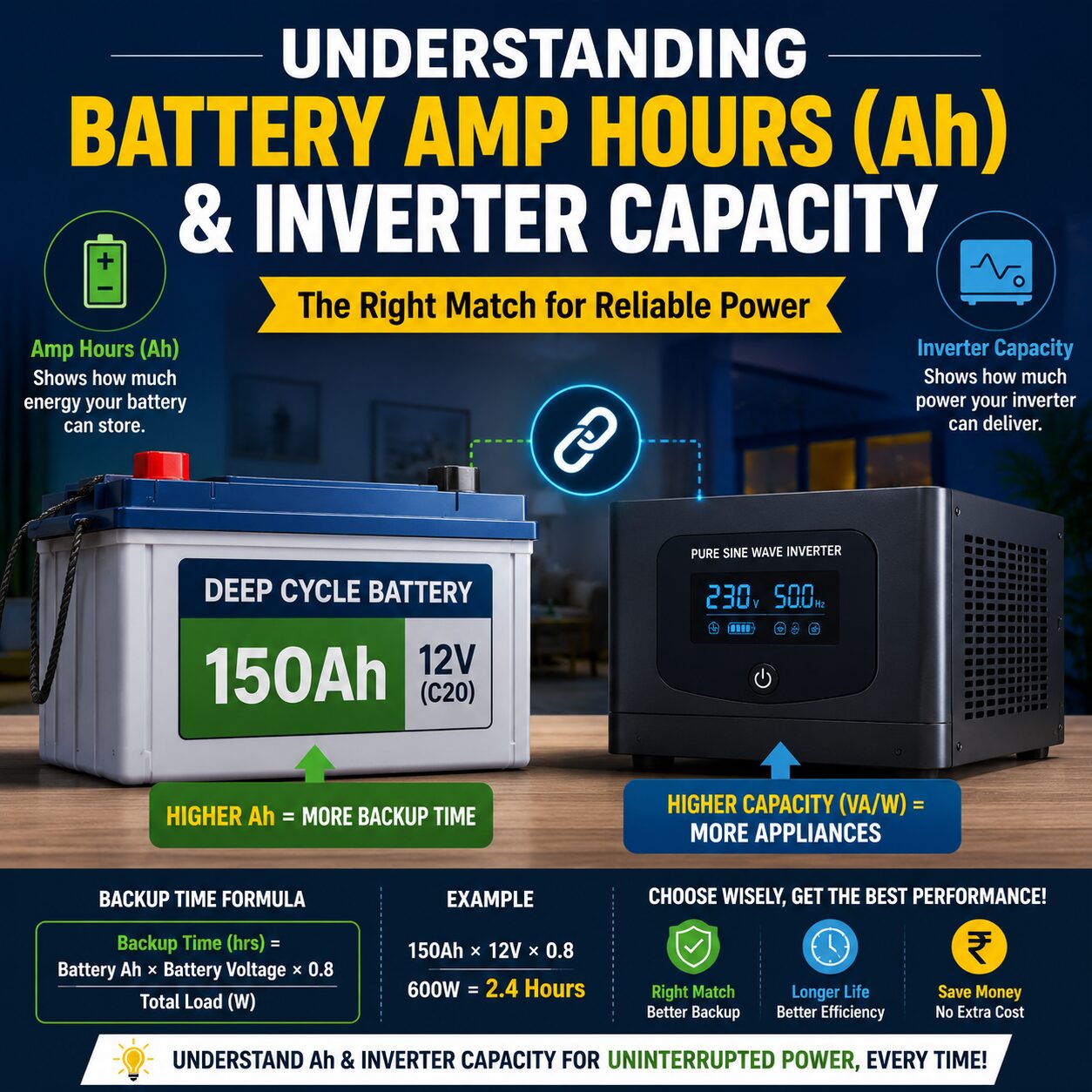
Understanding total power consumption helps you select the right battery size.
Importance of Battery Compatibility
Not all batteries work efficiently with every inverter.
Before purchasing:
Confirm voltage compatibility
Verify charging requirements
Match inverter capacity correctly
For example:
A 12V inverter requires compatible battery voltage
Larger systems may need multiple batteries connected together
Improper matching may reduce efficiency and damage equipment.
Charging Speed and Efficiency
Charging performance matters greatly in Nigeria because electricity supply is often unpredictable.
A good inverter battery should:
Charge quickly
Retain energy efficiently
Handle irregular charging cycles
Efficient batteries reduce downtime during short electricity availability periods.
Consequently, charging efficiency should be a major consideration before buying.
Battery Lifespan and Durability
Battery lifespan depends on:
Usage patterns
Maintenance quality
Charging conditions
Temperature exposure
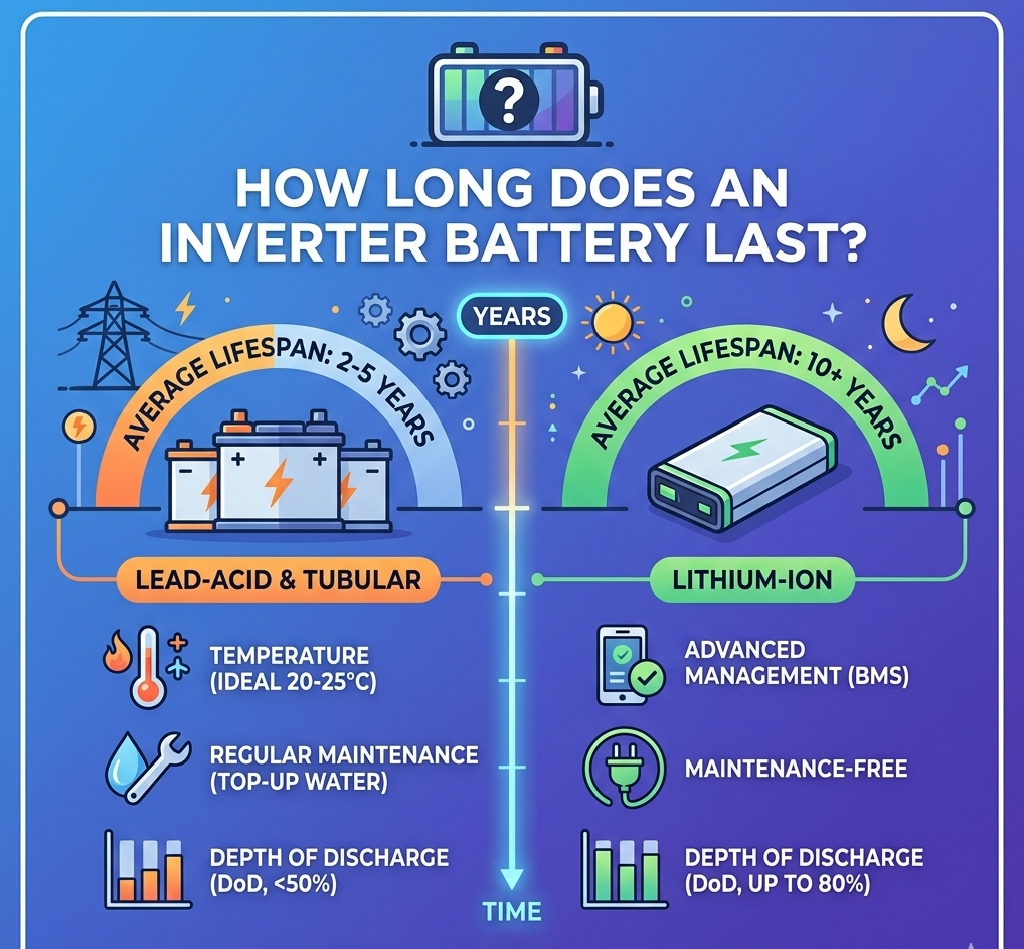
Average Lifespan Estimates
Battery Type
Average Lifespan
Flat Plate
2 – 4 years
Tubular
4 – 7 years
Lithium
8 – 15 years
Maintenance Requirements
Different battery types require different maintenance levels.
Tubular Battery Maintenance
Tubular batteries may require:
Distilled water refilling
Terminal cleaning
Regular inspections
Proper maintenance improves performance and lifespan significantly.
Heat Resistance Is Important in Nigeria
Nigeria’s hot climate can affect battery performance significantly.
High temperatures may:
Reduce lifespan
Increase water loss
Cause overheating
Damage internal components
Tubular batteries generally perform better under hot weather conditions compared to flat plate alternatives.
Therefore, heat resistance is essential when choosing inverter batteries in Nigeria.
Features of Reliable Batteries
Strong warranty coverage
Durable outer casing
High charging efficiency
Long backup duration
Trusted manufacturer reputation
Positive customer reviews
Common Mistakes Buyers Should Avoid
Buying the Cheapest Battery Only
Low-cost batteries may fail quickly and increase replacement expenses.
Ignoring Capacity Requirements
Undersized batteries provide shorter backup duration and overload easily.
Skipping Professional Advice
Improper battery selection may damage your inverter system.
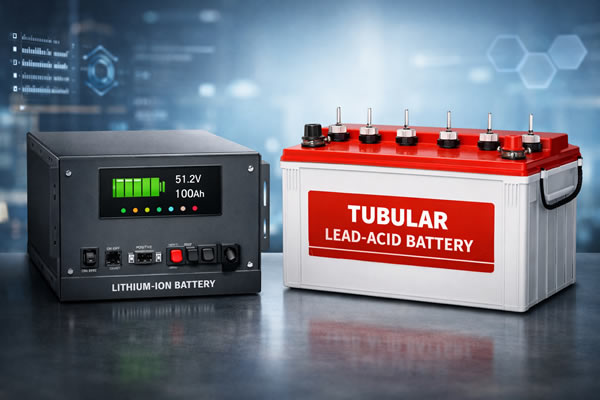
Many Nigerian homeowners struggle to choose between tubular and lithium batteries.
Tubular Batteries
Best for:
Budget-conscious buyers
Frequent power outages
Larger backup needs
Lithium Batteries
Best for:
Modern energy-efficient homes
Minimal maintenance preference
Long-term durability
Solar integration
Ultimately, the right choice depends on your budget and energy expectations.
Budget Considerations Before Buying
Battery prices in Nigeria vary depending on:
Capacity
Brand
Technology
Warranty coverage
While cheaper options may appear attractive initially, high-quality batteries often provide better long-term value through:
Extended lifespan
Better efficiency
Reduced maintenance
Reliable performance
Conclusion
Choosing the right inverter battery in Nigeria requires careful planning and proper understanding of your energy needs. Factors such as battery type, capacity, charging efficiency, durability, and compatibility all affect overall system performance.
Tubular batteries remain highly popular because of their reliability and affordability, while lithium batteries offer superior efficiency and lifespan for modern energy solutions. Additionally, proper installation and regular maintenance help maximize battery performance and durability.










 Get it on
  Download on the