Nigeria’s tropical climate presents unique skincare challenges. High temperatures, humidity, sun exposure, dust, pollution, and occasional harmattan dryness can all affect the health of your skin. As a result, many Nigerians are searching for skincare products that hydrate, brighten, and protect their skin without causing irritation.
Two of the most popular skincare products today are Hyaluronic Acid Serum and Vitamin C Serum. While both are highly beneficial, they serve completely different purposes. Understanding their differences can help you choose the right serum for your skin type and concerns.
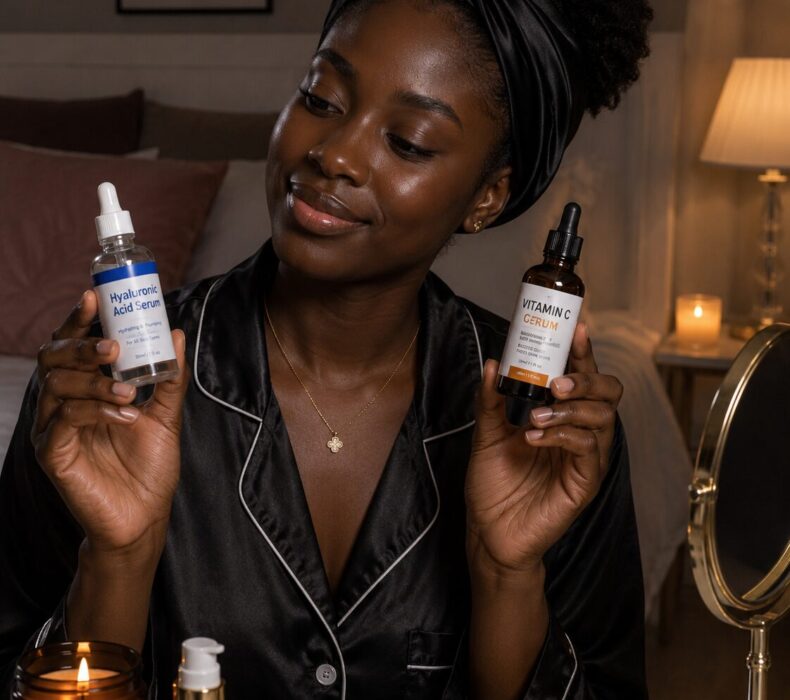
In this guide, we’ll compareHyaluronic Acid Serum vs Vitamin C Serumfor Nigerian skin, explore their benefits, explain when to use each one, and help you decide whether you should use one or both in your skincare routine.
What Is Hyaluronic Acid Serum?
Hyaluronic Acid Serum is a hydrating skincare product formulated with hyaluronic acid, a naturally occurring molecule found in the skin. Its primary function is to attract and retain moisture.
One gram of hyaluronic acid can hold up to 1,000 times its weight in water, making it one of the most effective hydrating ingredients in skincare.
As we age, our natural hyaluronic acid levels decrease, causing dryness, fine lines, and reduced skin elasticity. Using a hyaluronic acid serum helps replenish lost moisture and keeps the skin plump and healthy.
Benefits of Hyaluronic Acid Serum
Deep Hydration
The biggest advantage of hyaluronic acid is intense hydration. It replenishes moisture even in dehydrated skin.
Reduces Fine Lines
Well-hydrated skin appears smoother, reducing the appearance of fine lines and wrinkles.
Strengthens the Skin Barrier
Healthy hydration supports the skin’s protective barrier against pollution and harsh weather.
Suitable for All Skin Types
Whether your skin is oily, dry, combination, acne-prone, or sensitive, hyaluronic acid works well without clogging pores.
Improves Skin Elasticity
Consistent use helps maintain soft, supple, youthful-looking skin.
What Is Vitamin C Serum?
Vitamin C Serum is a skincare product rich in antioxidants that protect the skin from environmental damage while improving overall skin tone.
Most Vitamin C serums contain L-Ascorbic Acid or stable Vitamin C derivatives that brighten dull skin and reduce pigmentation.
Unlike Hyaluronic Acid, Vitamin C does not primarily hydrate the skin. Instead, it focuses on repairing and protecting it.
Benefits of Vitamin C Serum
Brightens Skin
Vitamin C helps reduce dullness and restores natural radiance.
Fades Dark Spots
It gradually reduces acne scars, hyperpigmentation, and sun spots.
Boosts Collagen Production
Vitamin C stimulates collagen, making the skin firmer and more youthful.
Protects Against Sun Damage
Although it is not a sunscreen, Vitamin C minimizes damage caused by UV rays and environmental pollution.
Improves Uneven Skin Tone
Regular use creates a more even complexion.
Hyaluronic Acid Serum vs Vitamin C Serum: Key Differences
Feature
Hyaluronic Acid Serum
Vitamin C Serum
Primary Purpose
Hydration
Brightening and protection
Best For
Dry, dehydrated skin
Dark spots and dull skin
Main Benefit
Moisture retention
Fades pigmentation
Skin Type
All skin types
Most skin types
Texture
Lightweight
Lightweight
Anti-aging
Yes
Yes
Acne Marks
Minimal effect
Excellent
Daily Use
Morning and night
Usually morning
Sensitive Skin
Very gentle
May require gradual introduction
Which Is Better for Nigerian Skin?
The answer depends on your skincare goals rather than choosing one product over the other.
Nigeria’s climate creates different skincare concerns throughout the year.
During Harmattan
Harmattan weather often causes:
Dry skin
Flaking
Tightness
Dehydration
In this season, Hyaluronic Acid Serum is generally the better choice because it restores moisture and prevents excessive dryness.
During Hot Weather
Nigeria experiences long periods of hot weather accompanied by:
Sweat
Oil production
UV exposure
Dust
During these months, Vitamin C Serum becomes especially valuable because it helps defend against free radical damage caused by sunlight and pollution while brightening the complexion.
Hyaluronic Acid Serum for Oily Nigerian Skin
Many people with oily skin believe they don’t need hydration.
This is a common misconception.
When oily skin lacks moisture, it may actually produce more oil to compensate.
Hyaluronic Acid hydrates without making the skin greasy.
Benefits include:
Lightweight hydration
Improved skin balance
Reduced oiliness
Better makeup application
Vitamin C Serum for Oily Nigerian Skin
Vitamin C also benefits oily skin by:
Reducing post-acne marks
Brightening acne scars
Protecting against environmental pollution
Supporting collagen production
Many Nigerians with acne-prone skin use Vitamin C to fade dark spots left behind after breakouts.
Hyaluronic Acid Serum for Dry Skin
Dry skin often struggles with:
Rough texture
Cracking
Tightness
Premature aging
Hyaluronic Acid is one of the best ingredients for dry skin because it restores moisture immediately.
For even better results, apply a moisturizer after using the serum to lock in hydration.
Vitamin C Serum for Hyperpigmentation
Hyperpigmentation is one of the most common skincare concerns among Nigerians.
Common causes include:
Acne scars
Sun exposure
Hormonal changes
Skin inflammation
Vitamin C helps lighten these dark areas gradually with consistent use.
Visible improvements usually appear after several weeks of regular application.
Can You Use Hyaluronic Acid and Vitamin C Together?
Absolutely.
In fact, dermatologists often recommend combining both ingredients because they complement each other.
Vitamin C treats pigmentation and protects the skin.
Hyaluronic Acid restores moisture and reduces irritation.
Together, they provide:
Brighter skin
Better hydration
Stronger skin barrier
Improved skin texture
Healthier complexion
Which Serum Should Be Applied First?
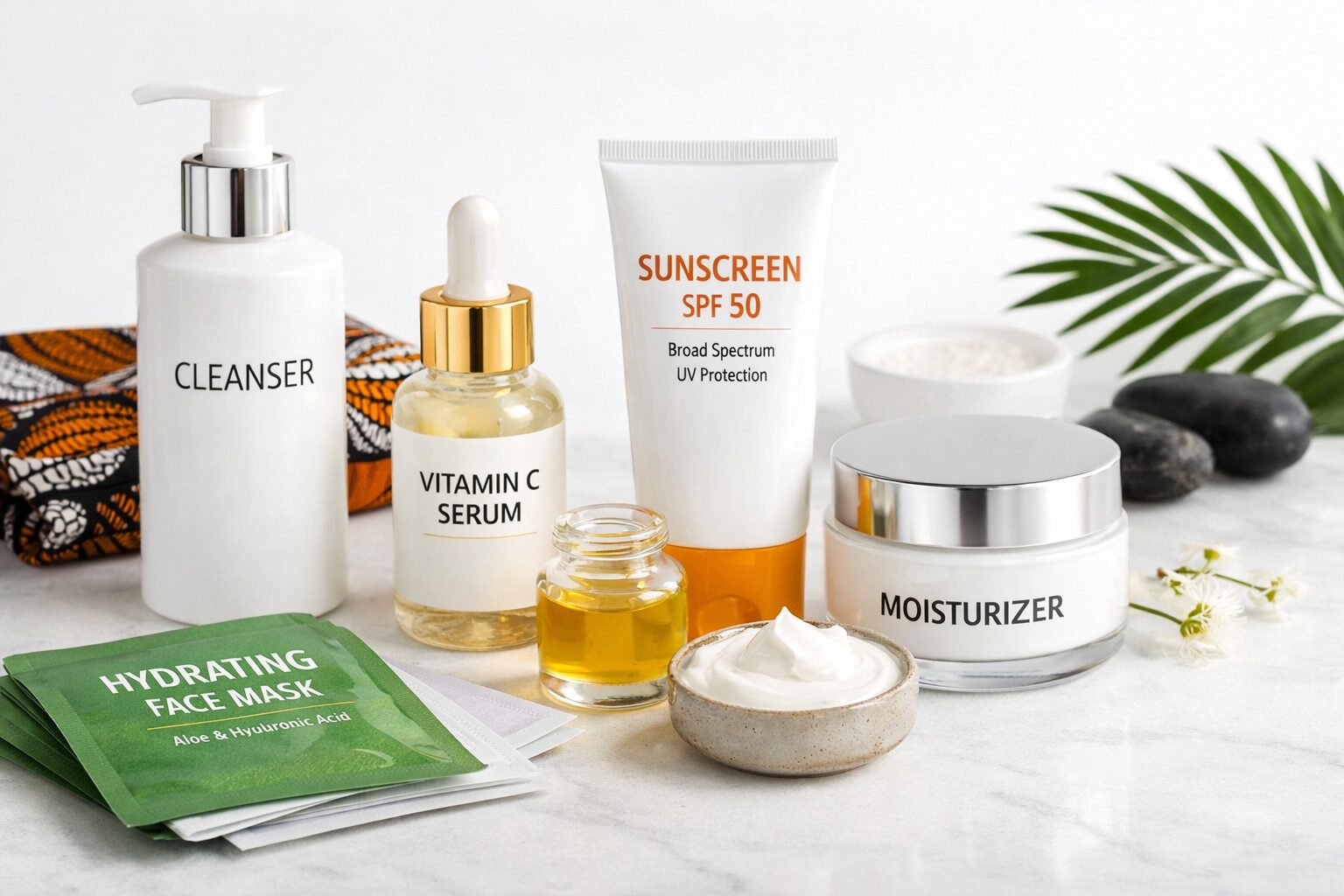
The recommended order is:
Cleanser
Vitamin C Serum
Hyaluronic Acid Serum
Moisturizer
Sunscreen (Morning)
This routine allows Vitamin C to penetrate effectively while Hyaluronic Acid locks in moisture.
Morning Routine
A simple morning routine includes:
Gentle cleanser
Vitamin C Serum
Hyaluronic Acid Serum
Moisturizer
SPF 30 or higher sunscreen
Sunscreen is essential because Vitamin C works best alongside sun protection.
Evening Routine
Nighttime skincare can be simpler:
Cleanser
Hyaluronic Acid Serum
Moisturizer
If your skin tolerates Vitamin C well, some formulations can also be used at night according to the manufacturer’s instructions.
Who Should Choose Hyaluronic Acid Serum?
You should prioritize Hyaluronic Acid if you have:
Dry skin
Dehydrated skin
Sensitive skin
Fine lines
Tightness
Flaky skin
Harmattan-related dryness
Who Should Choose Vitamin C Serum?
Vitamin C is ideal if you want to address:
Dark spots
Acne scars
Uneven skin tone
Sun damage
Dull complexion
Early signs of aging
Common Mistakes Nigerians Make When Using Serums
Skipping Sunscreen
Vitamin C performs best when paired with daily sunscreen.
Applying Too Much Product
Only a few drops are needed. Excess product won’t speed up results.
Expecting Overnight Results
Most skincare ingredients require 6–12 weeks of consistent use for noticeable improvements.
Mixing Too Many Active Ingredients
Avoid layering strong exfoliating acids or retinoids with Vitamin C all at once unless your skin is accustomed to them, as this may increase irritation.
Ignoring Moisturizer
Even oily skin benefits from moisturizer after applying serums.
Tips for Choosing the Right Serum in Nigeria
When shopping for skincare products, consider the following:
Choose reputable brands with authentic products.
Buy from trusted skincare stores to avoid counterfeit items.
Check the ingredient list and concentration.
Look for fragrance-free formulas if you have sensitive skin.
Store Vitamin C Serum away from direct sunlight to preserve its effectiveness.
Always perform a patch test before using a new product.
Frequently Asked Questions
Can I use Hyaluronic Acid Serum every day?
Yes. It is gentle enough for daily use, both morning and night.
Is Vitamin C Serum safe for sensitive skin?
Yes, but beginners should start with lower concentrations or stable derivatives and use it every other day before increasing frequency if their skin tolerates it.
Which serum works faster?
Hyaluronic Acid provides immediate hydration, while Vitamin C typically requires several weeks of consistent use to improve pigmentation and brighten the skin.
Can teenagers use these serums?
Yes. Teenagers dealing with dehydration, acne marks, or dull skin can benefit from these products when used appropriately.
Do I need both serums?
Not necessarily. Choose the one that matches your primary skin concern. If your goal is comprehensive skincare, using both together can provide hydration, antioxidant protection, and a brighter complexion.
Final Verdict: Hyaluronic Acid Serum vs Vitamin C Serum
If your skin feels dry, tight, or dehydrated—especially during harmattan—Hyaluronic Acid Serum is the better option. It delivers lasting hydration, strengthens the skin barrier, and leaves the skin soft and plump.
If your main concerns are dark spots, acne scars, uneven skin tone, or dullness from frequent sun exposure, Vitamin C Serum is the stronger choice. Its antioxidant properties help brighten the complexion, improve collagen production, and reduce the appearance of pigmentation over time.
For many Nigerians, the most effective routine combines both serums: apply Vitamin C Serum in the morning for antioxidant protection and brightening, then layer Hyaluronic Acid Serum to lock in moisture. Finish with a broad-spectrum sunscreen during the day to maximize results.
With consistent use, authentic products, and a simple skincare routine, both serums can work together to keep Nigerian skin healthy, hydrated, radiant, and resilient throughout the year.














 Get it on
  Download on the