


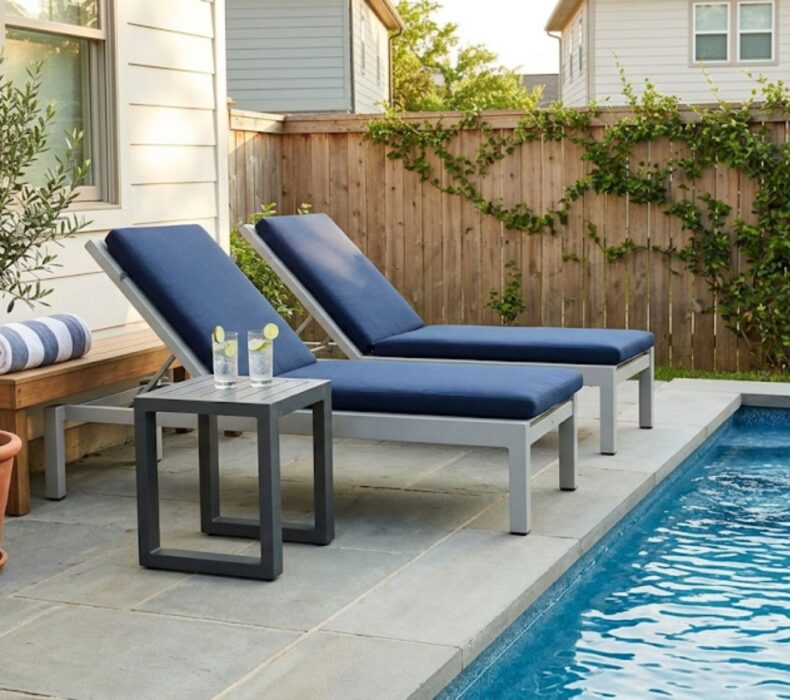
Poolside environments are meant to be relaxing, stylish, and enjoyable, but they also come with constant exposure to harsh chemicals. One of the most common challenges homeowners and facility managers face is to prevent chlorine damage on outdoor pool furniture. Without proper care, chlorine can cause fading, cracking, corrosion, and early deterioration of furniture materials.
Understanding how to properly prevent chlorine damage on outdoor pool furniture is essential for maintaining both the beauty and durability of your poolside setup. At Cleaneat, we help homeowners, hotels, and resorts maintain clean and long-lasting pool environments through practical care solutions and maintenance insights.
This guide explains how chlorine affects pool furniture and what you can do to protect your investment.
What Makes Chlorine Harmful to Pool Furniture?
Chlorine is essential for keeping pool water clean and safe. However, it is a strong chemical that reacts with many outdoor materials.
When furniture is exposed to chlorine over time, it may experience:
- Fading of colors
- Weakening of plastic and resin
- Corrosion of metal frames
- Drying and cracking of wood
- Damage to cushions and fabrics
Even small amounts of repeated exposure can slowly degrade furniture quality.
Common Pool Chemicals That Affect Furniture
Besides chlorine, other pool chemicals can also cause damage:
Algaecides
Used to prevent algae growth but may leave residue on surfaces.
pH Balancers
These can be mildly corrosive when in constant contact with materials.
Bromine
A chlorine alternative that can still affect fabrics and metals.
Shock Treatments
High-concentration chemicals that may splash onto nearby furniture.
Materials Most Affected by Chlorine
Plastic Furniture
May become brittle or discolored over time.
Metal Furniture
Iron and steel can rust quickly if not coated properly.
Wooden Furniture
Can dry out, crack, or lose protective finishes.
Fabric Cushions
May fade, weaken, or retain chemical odor.
Prevent Chlorine Damage on Outdoor Pool Furniture – Why Protection Matters
Learning how to prevent chlorine damage on outdoor pool furniture helps extend the life of your investment and maintain a beautiful outdoor space.
Longer Furniture Lifespan
Proper protection reduces wear and tear from chemicals.
Better Appearance
Furniture maintains its original color and texture.
Reduced Replacement Costs
Less damage means fewer repairs or replacements.
Improved Comfort and Hygiene
Clean, well-maintained furniture improves user experience.
Effective Protection Methods
There are several practical ways to prevent chlorine damage on outdoor pool furniture and keep your pool area looking new.
1. Rinse Furniture Regularly
Wash furniture with clean water to remove chlorine residue after pool use.
2. Use Protective Covers
Waterproof covers help block chemical splashes and sunlight exposure.
3. Choose Chlorine-Resistant Materials
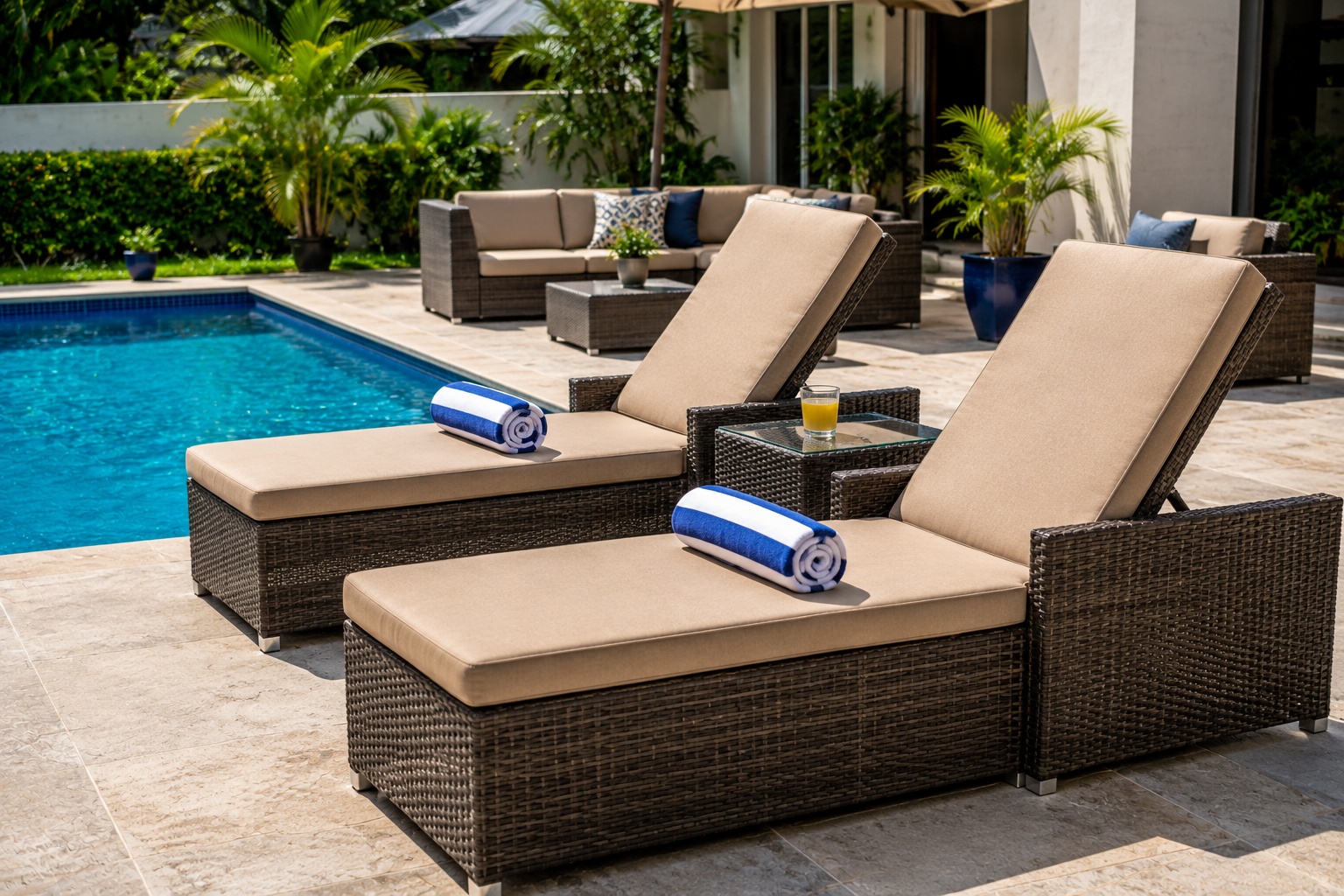
Aluminum, synthetic rattan, and treated wood are better options.
4. Position Furniture Strategically
Place furniture away from pool edges where splashes are frequent.
5. Clean Spills Immediately
Quick cleaning reduces chemical absorption and staining.
Best Materials for Chlorine-Resistant Furniture
Aluminum
Rust-resistant and ideal for humid pool environments.
Synthetic Rattan
Designed to withstand moisture and chemical exposure.
High-Density Plastic
Affordable and resistant to water damage.
Teak Wood
Naturally durable when properly sealed and maintained.
Maintenance Tips for Pool Furniture
Proper maintenance is key to preventing chemical damage.
Clean Weekly
Remove dirt, chlorine, and pool residue regularly.
Dry After Cleaning
Moisture left on surfaces can accelerate damage.
Apply Protective Coatings
Use sealants for wood and protective sprays for metals.
Store Cushions Indoors
Protect fabrics from direct chemical exposure.
How Pool Design Affects Furniture Durability
The layout of your pool area also plays a role in protecting furniture.
Splash Zones
Areas near pool edges experience more chemical exposure.
Wind Direction
Wind can carry chlorine mist onto furniture.
Drainage Systems
Poor drainage may allow chemical water to pool around furniture legs.
Common Mistakes That Increase Chlorine Damage
Leaving Furniture Too Close to Pool
Increases direct exposure to splashes.
Ignoring Cleaning Routines
Allows chemicals to build up over time.
Using Low-Quality Materials
Cheap furniture deteriorates quickly.
Not Using Covers
Leaves furniture exposed 24/7.
Why Hotels and Resorts Focus on Furniture Protection
Commercial pool spaces require consistent appearance and durability.
Protecting furniture helps businesses:
- Maintain luxury appearance
- Reduce maintenance costs
- Improve guest satisfaction
- Extend furniture lifespan
- Keep outdoor areas attractive year-round
Why Cleaneat Supports Poolside Maintenance
At Cleaneat, we understand that maintaining a clean and durable pool environment goes beyond water treatment. It also includes protecting surrounding elements like furniture, flooring, and outdoor structures.
Our Support Includes:
- Pool cleaning guidance
- Outdoor maintenance solutions
- Water treatment recommendations
- Pool environment care tips
- Equipment and product advice
We help ensure your entire pool area remains clean, functional, and long-lasting.
Conclusion
Chlorine is essential for maintaining safe swimming water, but it can be harmful to outdoor furniture if not properly managed. Understanding how to prevent chlorine damage on outdoor pool furniture helps protect your investment, improve outdoor aesthetics, and reduce long-term maintenance costs.
By choosing the right materials, applying protective measures, and maintaining a regular cleaning routine, you can keep your poolside furniture in excellent condition for years.
At Cleaneat, we believe that a well-maintained pool environment is the foundation of comfort and luxury. With the right care, your outdoor space can remain beautiful, safe, and inviting all year round.


 Get it on
  Download on the