






- BeautyWriter
- August 5, 2026
- No Comments
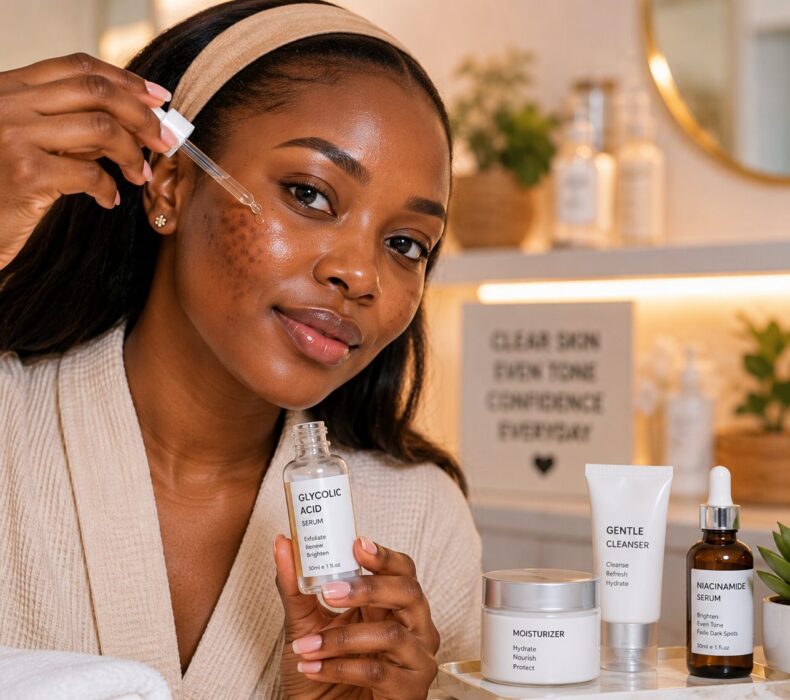
Post-inflammatory hyperpigmentation (PIH) is one of the most common skincare concerns among people with medium to dark skin tones, including many Nigerians. Whether it develops after acne, eczema, insect bites, burns, or skin irritation, PIH leaves behind stubborn dark spots that can take months—or even years—to fade naturally.
One skincare ingredient that has gained tremendous popularity for treating these marks is glycolic acid. Found in cleansers, toners, serums, creams, and chemical peels, glycolic acid is often recommended for improving uneven skin tone and boosting skin radiance.
But does glycolic acid really help with post-inflammatory hyperpigmentation? Is it suitable for all skin types? How long does it take to see results?
This comprehensive guide explains everything you need to know about glycolic acid for PIH, including how it works, its benefits, proper usage, precautions, and the best products to consider.
What Is Post-Inflammatory Hyperpigmentation (PIH)?
Post-inflammatory hyperpigmentation (PIH) refers to flat, dark patches or spots that appear after the skin has healed from inflammation or injury. Unlike acne scars, PIH does not involve changes in skin texture. Instead, it is caused by excess melanin production triggered during the healing process.
Common causes include:
- Acne breakouts
- Pimples
- Eczema
- Psoriasis
- Allergic reactions
- Insect bites
- Burns
- Cuts and wounds
- Cosmetic procedures
- Excessive scratching
PIH can appear as:
- Brown spots
- Dark brown patches
- Purple discoloration
- Black marks (especially on darker skin tones)
People with Fitzpatrick skin types IV, V, and VI are more likely to develop PIH because their skin naturally produces more melanin.
What Is Glycolic Acid?
Glycolic acid is an Alpha Hydroxy Acid (AHA) derived from sugar cane. It has the smallest molecular size among AHAs, allowing it to penetrate the skin effectively.
Its primary function is exfoliation.
Instead of physically scrubbing the skin, glycolic acid dissolves the bonds holding dead skin cells together, allowing them to shed naturally.
This process reveals fresher, healthier skin underneath while stimulating skin renewal.
How Does Glycolic Acid Help PIH?
The simple answer is yes.
Glycolic acid is considered one of the best exfoliating acids for reducing post-inflammatory hyperpigmentation.
It works through several mechanisms.
1. Accelerates Skin Cell Turnover
Dark spots remain visible because pigmented skin cells stay on the skin’s surface.
Glycolic acid speeds up the shedding of these damaged cells.
As new skin replaces old skin, hyperpigmentation gradually fades.
2. Promotes Even Skin Tone
Regular exfoliation removes uneven pigmentation layer by layer.
With continued use, skin appears:
- Brighter
- Smoother
- More even
- More radiant
3. Stimulates Collagen Production
Research shows glycolic acid stimulates collagen synthesis.
More collagen leads to:
- Healthier skin
- Better healing
- Reduced appearance of acne marks
Although PIH isn’t technically scarring, healthier collagen production improves overall skin quality.
4. Improves Product Absorption
Dead skin often prevents skincare products from penetrating effectively.
After exfoliation with glycolic acid:
- Vitamin C absorbs better
- Niacinamide works more effectively
- Retinoids penetrate more evenly
- Moisturizers hydrate deeper
This boosts the performance of your entire skincare routine.
5. Prevents New Dark Spots
By reducing clogged pores and acne formation, glycolic acid indirectly prevents new PIH from forming.
Less acne means fewer future dark marks.
Benefits of Glycolic Acid for PIH
Regular use offers numerous skincare benefits.
Fades Acne Marks
One of glycolic acid’s biggest advantages is gradually fading post-acne discoloration.
Brightens Dull Skin
Dead skin cells often make skin appear tired.
Exfoliation restores natural radiance.
Smooths Rough Texture
Skin becomes noticeably softer after consistent use.
Reduces Fine Lines
Continuous cell renewal minimizes early signs of aging.
Unclogs Pores
Glycolic acid helps remove excess oil and debris that contribute to breakouts.
Improves Overall Complexion
Many people notice healthier-looking skin within weeks.
How Long Does Glycolic Acid Take to Fade PIH?
Results vary depending on:
- Skin tone
- Severity of pigmentation
- Product strength
- Consistency
- Sun protection
Typical timeline:
2–4 Weeks
- Brighter skin
- Smoother texture
6–8 Weeks
- Mild PIH begins fading
- Skin tone improves
3–6 Months
- Significant fading of stubborn dark spots
- More even complexion
Patience and consistency are essential.
Best Glycolic Acid Concentrations for PIH
Different strengths suit different experience levels.
5%
Ideal for:
- Beginners
- Sensitive skin
- Dry skin
7%
Excellent for regular maintenance.
Often found in popular toners.
10%
Suitable for experienced users.
Provides stronger exfoliation.
20–30%
Usually used as professional chemical peels under expert supervision.
How to Use Glycolic Acid for PIH
Using glycolic acid correctly maximizes results while minimizing irritation.
Step 1: Cleanse
Use a gentle cleanser to remove dirt and oil.
Step 2: Apply Glycolic Acid
Depending on the product:
- Toner
- Serum
- Cream
- Exfoliating pads
Apply only a thin layer.
Step 3: Moisturize
Hydration reduces irritation and strengthens the skin barrier.
Look for ingredients like:
- Ceramides
- Hyaluronic acid
- Glycerin
Step 4: Apply Sunscreen
Never skip sunscreen.
UV exposure can worsen hyperpigmentation, undoing your progress.
Choose SPF 30 or higher every morning.
How Often Should You Use Glycolic Acid?
Beginners:
- Once weekly
After skin adjusts:
- Two to three nights weekly
Experienced users:
- Every other night if tolerated
Daily use is unnecessary for most people.
Can Glycolic Acid Be Combined with Other Ingredients?
Yes—but wisely.
Niacinamide
Excellent combination.
Helps reduce irritation while brightening skin.
Vitamin C
Safe when introduced gradually.
Brightens pigmentation faster.
Hyaluronic Acid
Perfect pairing.
Maintains hydration after exfoliation.
Ceramides
Repair the skin barrier.
Recommended after every glycolic acid application.
Retinol
Can be effective but may increase irritation.
Alternate nights rather than layering both initially.
Possible Side Effects
Some users experience temporary reactions.
Common side effects include:
- Mild redness
- Tingling
- Dryness
- Peeling
- Sensitivity
These usually improve as the skin adapts.
Stop use if severe irritation develops.
Who Should Avoid Glycolic Acid?
Avoid glycolic acid if you have:
- Open wounds
- Severe eczema flare-ups
- Active skin infections
- Sunburn
- Allergies to AHAs
Consult a dermatologist if unsure.
Is Glycolic Acid Safe for Dark Skin?
Yes.
When used correctly, glycolic acid is generally safe for darker skin tones.
However, over-exfoliation may trigger additional inflammation, potentially worsening pigmentation.
To reduce risk:
- Start slowly.
- Use lower concentrations.
- Moisturize well.
- Wear sunscreen daily.
Best Skincare Routine for PIH
Morning
- Gentle cleanser
- Vitamin C serum
- Moisturizer
- Sunscreen SPF 30+
Evening
- Gentle cleanser
- Glycolic acid (2–3 nights weekly)
- Niacinamide or hydrating serum
- Moisturizer
Common Mistakes When Using Glycolic Acid
Avoid these habits:
- Using too much product
- Applying every day immediately
- Skipping sunscreen
- Mixing too many acids
- Using harsh scrubs alongside glycolic acid
- Ignoring signs of irritation
Gentle consistency produces better long-term results.
Frequently Asked Questions
Can glycolic acid remove PIH completely?
Many mild cases fade almost completely with consistent use. Deep pigmentation may require additional treatments.
Does glycolic acid work on old dark spots?
Yes, but older pigmentation usually takes longer to fade than newer marks.
Can glycolic acid cause purging?
Some users experience temporary purging as clogged pores clear. This typically resolves within a few weeks.
Is glycolic acid better than salicylic acid for PIH?
Glycolic acid excels at fading surface pigmentation and improving skin tone. Salicylic acid is better for oily, acne-prone skin because it penetrates pores. Many routines use both on alternating days.
Can I use glycolic acid every day?
Most people achieve excellent results using it two or three times a week. Daily use may increase irritation, especially for beginners.
Tips for Faster PIH Results
To maximize the effectiveness of glycolic acid:
- Wear sunscreen every day, even when indoors near windows.
- Avoid picking pimples or scratching healing skin.
- Keep your skin well-moisturized to maintain a healthy barrier.
- Introduce one active ingredient at a time to monitor tolerance.
- Be patient and consistent—hyperpigmentation fades gradually.
- Consider pairing glycolic acid with brightening ingredients such as niacinamide or vitamin C for enhanced results.
- Stay hydrated and maintain a healthy skincare routine.
Choosing the Right Glycolic Acid Product
When shopping for a glycolic acid product, consider:
- Concentration: Beginners should start with 5–7%, while experienced users may tolerate 10%.
- Formulation: Toners, serums, and creams each suit different preferences. Leave-on products generally provide more noticeable results than rinse-off cleansers.
- Hydrating Ingredients: Products containing glycerin, hyaluronic acid, aloe vera, or panthenol help reduce dryness.
- Fragrance-Free Options: These are often better for sensitive skin and reduce the risk of irritation.
- Reputable Brands: Choose products from trusted skincare brands with clear ingredient lists and good manufacturing standards.
Conclusion
So, does glycolic acid help with post-inflammatory hyperpigmentation (PIH)? Absolutely. Glycolic acid is one of the most effective over-the-counter ingredients for fading dark spots caused by acne, eczema, and other inflammatory skin conditions. By accelerating skin cell turnover, promoting a more even complexion, and enhancing the absorption of other skincare ingredients, it can significantly improve the appearance of PIH over time.
However, success with glycolic acid for PIH depends on using it correctly. Start with a lower concentration, apply it only a few nights each week, moisturize regularly, and never skip sunscreen. Consistency is key, as noticeable improvements often take several weeks to months.
If you have persistent or severe hyperpigmentation, consult a dermatologist for personalized treatment options, which may include prescription-strength ingredients or professional chemical peels. With the right routine and patience, glycolic acid can help you achieve clearer, brighter, and more even-toned skin.





 Get it on
  Download on the