Nigeria’s entrepreneurial ecosystem continues to produce innovative startups and fast-growing businesses despite challenging economic conditions. From fintech and logistics to beauty and e-commerce,emerging Nigerian brands are creating jobs, attracting investors, and driving economic growth.
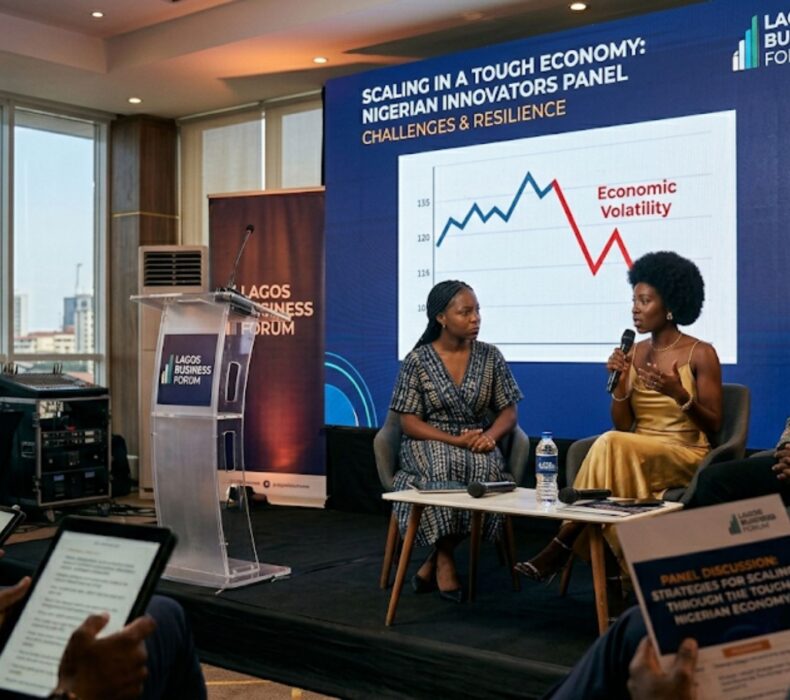
However, rising inflation, currency fluctuations, high operating costs, and changing consumer spending habits have created significant obstacles for many businesses. As economic uncertainty becomes a reality for entrepreneurs, one question remains: Can emerging Nigerian brands survive and continue to grow?
The answer is yes, but survival requires resilience, adaptability, and strategic planning. In this article, we explore the major challenges facing Nigerian startups and the solutions that can help them navigate uncertainty and achieve sustainable growth.
Understanding Economic Uncertainty in Nigeria
Economic uncertainty refers to unpredictable changes in financial conditions that affect businesses and consumers. These may include:
Inflation
Exchange rate volatility
Rising fuel costs
Increased production expenses
Reduced consumer purchasing power
Regulatory changes
For startups and growing businesses, these factors can significantly impact profitability and expansion plans.
Despite these challenges, many emerging Nigerian brands continue to identify opportunities and innovate their way forward.
Why Emerging Nigerian Brands Matter
The success of emerging Nigerian brands is important for several reasons:
They create employment opportunities.
They introduce innovative solutions.
They contribute to economic diversification.
They attract local and foreign investment.
They strengthen Nigeria’s entrepreneurial ecosystem.
As a result, supporting and understanding these businesses is essential for long-term economic development.
Challenge 1: Rising Inflation
One of the biggest challenges facing Nigerian businesses is inflation.
As the cost of goods and services increases, companies often face:
Higher production costs
Increased transportation expenses
More expensive raw materials
Reduced profit margins
Consumers also become more cautious with spending, making it difficult for businesses to maintain sales growth.
Solution: Improve Operational Efficiency
Successful emerging Nigerian brands are finding ways to reduce waste and optimize operations.
Strategies include:
Automating repetitive processes
Negotiating better supplier agreements
Improving inventory management
Reducing unnecessary expenses
Businesses that operate efficiently can better absorb rising costs.
Challenge 2: Currency Volatility
Exchange rate fluctuations affect businesses that import products, equipment, or raw materials.
A weaker local currency often leads to:
Higher import costs
Pricing instability
Reduced competitiveness
For many startups, this creates uncertainty when planning future growth.
Solution: Prioritize Local Sourcing
Many emerging Nigerian brands are reducing dependence on imports by sourcing materials locally.
Benefits include:
Lower foreign exchange exposure
Faster supply chains
Support for local industries
More predictable operating costs
Local sourcing can significantly improve business resilience.
Challenge 3: Reduced Consumer Spending
When economic conditions become difficult, consumers prioritize essential purchases and reduce discretionary spending.
Luxury goods and non-essential products often experience slower sales.
Solution: Deliver Strong Customer Value
Businesses that clearly communicate value tend to retain customers during difficult periods.
Effective approaches include:
Competitive pricing
Loyalty programs
Flexible payment options
Exceptional customer service
Consumers are more likely to remain loyal to brands that consistently meet their needs.
Challenge 4: Access to Funding
Many startups struggle to secure the capital needed for expansion.
Common obstacles include:
High interest rates
Limited collateral
Investor caution
Difficult loan requirements
Without adequate funding, growth opportunities may be missed.
Solution: Explore Alternative Financing
Modern entrepreneurs are utilizing various funding options, including:
Angel investors
Venture capital
Crowdfunding
Strategic partnerships
Revenue-based financing
Several emerging Nigerian brands have successfully scaled by combining multiple funding sources.
Challenge 5: Supply Chain Disruptions
Transportation challenges, fuel costs, and logistics inefficiencies can affect product availability and delivery timelines.
Supply chain disruptions often result in:
Delayed deliveries
Increased costs
Customer dissatisfaction
Solution: Build Supply Chain Flexibility
Businesses can strengthen resilience by:
Working with multiple suppliers
Maintaining safety stock
Investing in logistics technology
Diversifying sourcing locations
Flexible supply chains reduce vulnerability to disruptions.
Challenge 6: Intense Competition
The Nigerian startup ecosystem is becoming increasingly competitive.
New businesses must compete against:
Established corporations
International brands
Other startups
Standing out requires more than simply offering a product or service.
While uncertainty creates difficulties, it also creates opportunities.
Historically, many successful businesses were built during challenging economic periods.
Reasons include:
New consumer needs emerge.
Market gaps become visible.
Competitors may exit the market.
Innovation accelerates.
Entrepreneurs who identify these opportunities can position themselves for long-term success.
How Technology Helps Emerging Nigerian Brands
Technology has become one of the most powerful tools for navigating economic uncertainty.
Benefits include:
Digital Marketing
Businesses can reach customers more cost-effectively through social media and online advertising.
E-Commerce
Online sales channels help companies expand beyond geographical limitations.
Data Analytics
Business owners can make informed decisions using customer and market data.
Automation
Automated processes improve efficiency and reduce operating costs.
Many successful emerging Nigerian brands leverage technology to remain competitive and agile.
Lessons from Resilient Nigerian Brands
Several Nigerian startups have demonstrated remarkable resilience despite economic challenges.
Common characteristics include:
Strong leadership
Adaptability
Customer focus
Financial discipline
Continuous innovation
These qualities enable businesses to navigate uncertainty while maintaining growth momentum.
The Future of Emerging Nigerian Brands
Despite ongoing challenges, the future remains promising for emerging Nigerian brands.
Growth opportunities continue to exist in sectors such as:
Fintech
HealthTech
Agritech
Logistics
Renewable energy
E-commerce
Beauty and wellness
As digital adoption increases and entrepreneurial activity expands, innovative businesses will continue shaping Nigeria’s economy.
Entrepreneurs who remain flexible, customer-focused, and technology-driven are likely to thrive regardless of economic conditions.
Conclusion
Economic uncertainty presents undeniable challenges, but it does not have to prevent business success. While inflation, currency volatility, funding limitations, and supply chain disruptions create obstacles, they also encourage innovation and resilience.
The most successful emerging Nigerian brands are those that adapt quickly, embrace technology, optimize operations, and remain committed to solving customer problems.
For entrepreneurs, the path forward lies not in avoiding uncertainty but in developing the strategies needed to navigate it effectively. With determination, innovation, and smart decision-making, Nigerian startups can continue to grow, compete, and make a lasting impact on the economy.
















 Get it on
  Download on the