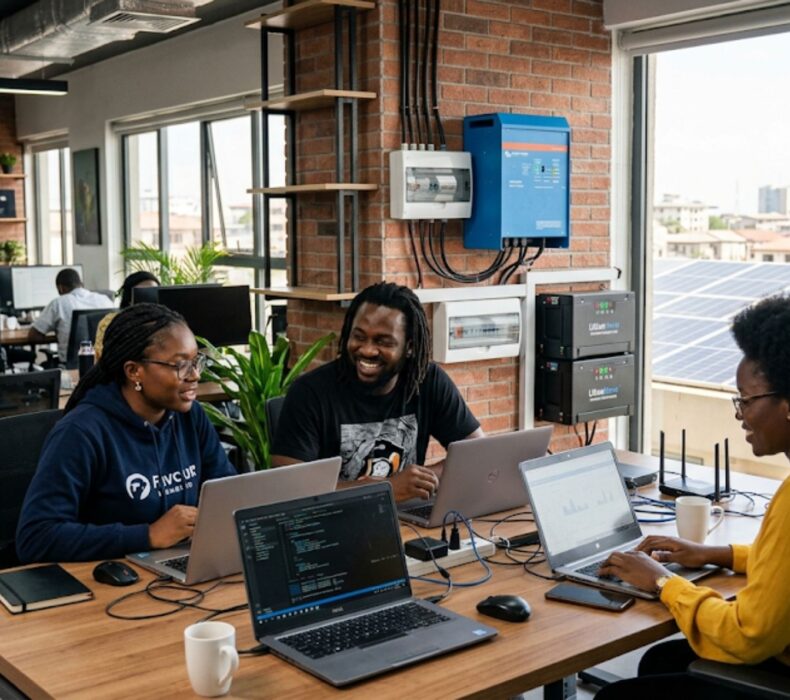
In Nigeria’s fast-growing tech ecosystem, one of the biggest challenges startups face isunreliable power supply. Frequent outages, high generator costs, and inconsistent electricity can slow down operations, affect productivity, and even cause revenue loss.
For tech startups that depend on servers, internet connectivity, software tools, and continuous operations, investing in a reliable power solution is not optional—it is essential.
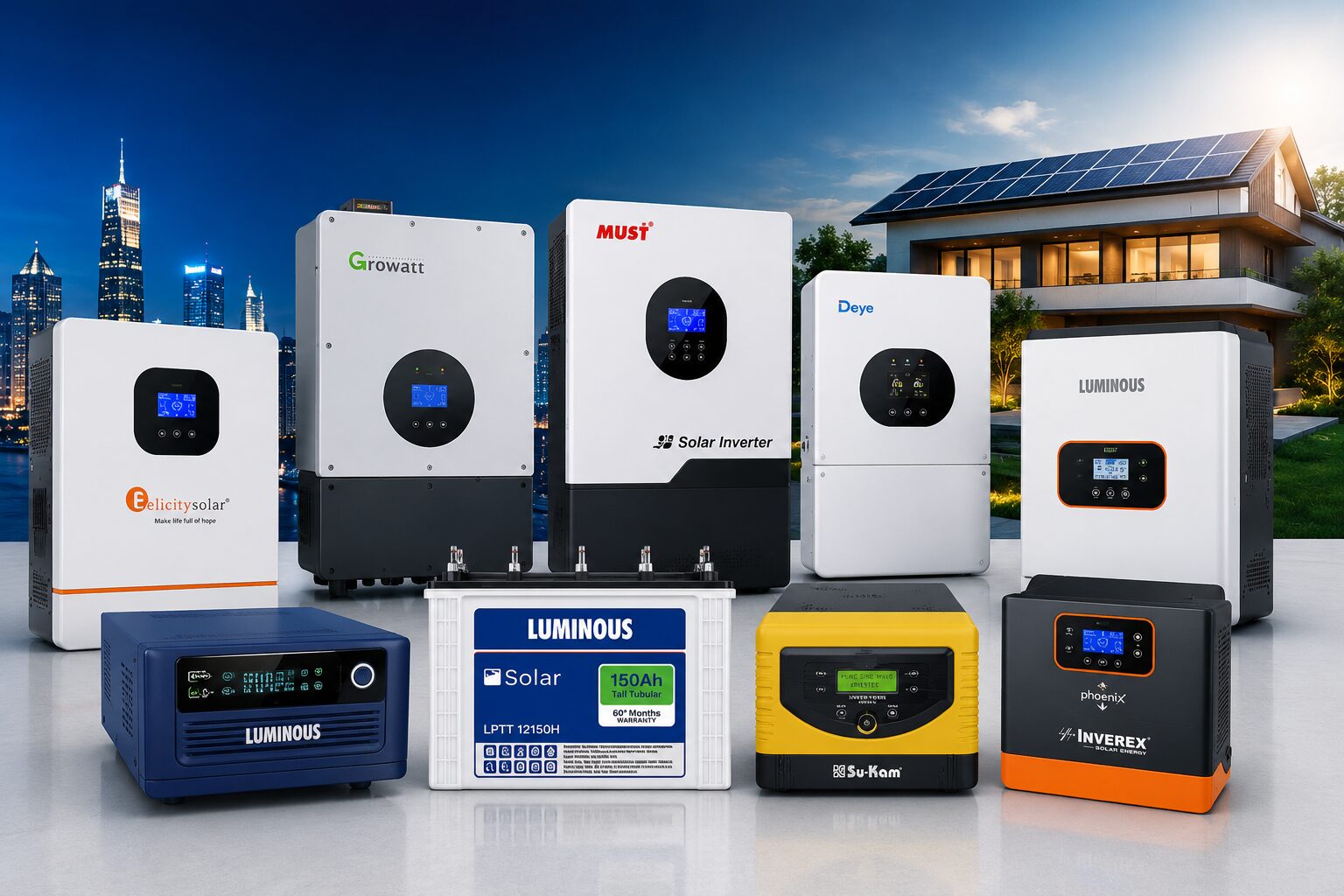
This article explores the best inverter and solar setup options for tech startups to reduce downtime, improve efficiency, and save long-term costs.
Why Power Stability Matters for Tech Startups
Tech startups rely heavily on electricity to function. From coding and cloud computing to customer support and digital marketing, downtime can have serious consequences.
Common problems caused by unstable power include:
Loss of productivity during outages
Data loss or system crashes
Increased generator fuel costs
Reduced customer satisfaction
Delayed product development
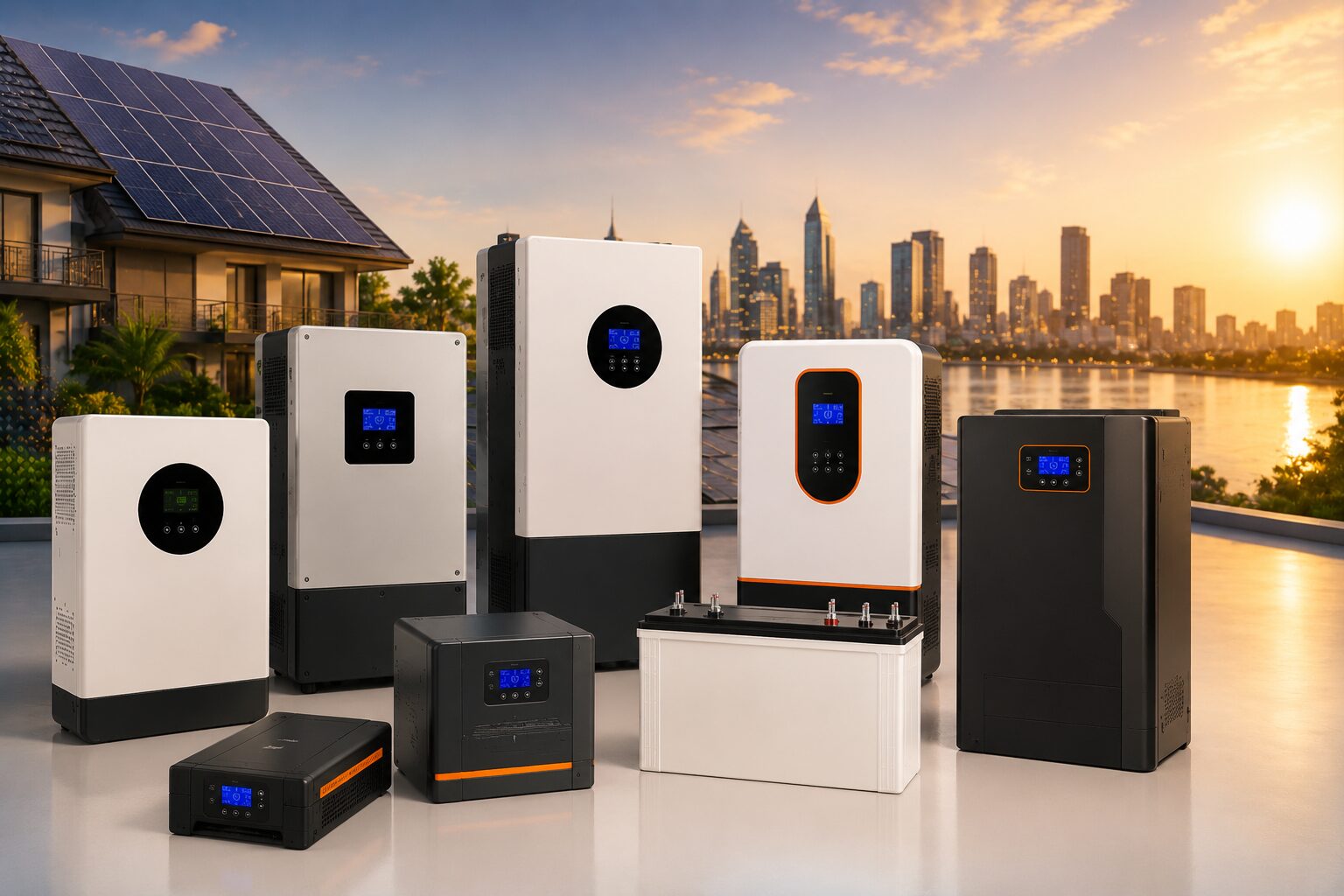
1. Pure Sine Wave Inverter Systems
A pure sine wave inverter is one of the most reliable solutions for tech startups.
It converts stored battery power into clean electricity suitable for sensitive devices like laptops, servers, and networking equipment.
Benefits:
Stable and clean power output
Safe for sensitive electronics
Low maintenance
Quiet operation
Best Use Case:
Small to medium tech startups with basic IT infrastructure.
2. Solar + Inverter Hybrid Systems
A solar hybrid system combines solar panels, batteries, and inverter technology to provide continuous power.
During the day, solar panels generate electricity, while excess energy is stored in batteries for night use or outages.
Benefits:
Reduced electricity bills
Long-term cost savings
Environmentally friendly
Reliable 24/7 power supply
Best Use Case:
Startups with moderate to high energy usage such as SaaS companies, fintechs, and coworking tech hubs.
3. Off-Grid Solar Power Systems
An off-grid solar system operates independently from the national electricity grid.
It is ideal for startups located in areas with extremely poor power supply.
Components:
Solar panels
Battery bank
Charge controller
Inverter
Benefits:
Full energy independence
No electricity bills
Scalable system for growth
Best Use Case:
Tech startups in remote or unstable power locations.
4. Lithium Battery Inverter Systems
Lithium battery systems are becoming the preferred choice for modern startups.
Compared to traditional lead-acid batteries, lithium batteries last longer and charge faster.
Benefits:
Longer lifespan (up to 10 years or more)
Faster charging time
Lightweight and compact
High energy efficiency
Best Use Case:
Startups that need consistent power with minimal maintenance.
5. Solar Generators for Small Tech Teams
A solar generator is a portable power solution combining battery storage, inverter, and solar input.
Benefits:
Portable and flexible
Easy installation
Ideal for small teams or remote work setups
Quiet and fuel-free
Best Use Case:
Freelance tech teams, remote developers, and small startup offices.
How Tech Startups Can Choose the Right Setup
Choosing the right power solution depends on several factors:
1. Startup Size
Small startups → inverter systems or solar generators
Medium startups → hybrid solar systems
Large startups → full solar + lithium battery systems
2. Energy Consumption
Calculate the total load of:
Computers and laptops
Routers and servers
Office lighting and appliances
3. Budget
Low budget → basic inverter system
Medium budget → hybrid system
High budget → full solar installation
4. Growth Plans
Startups should choose scalable systems that can expand as the business grows.
Cost vs Long-Term Savings
While solar and inverter systems may seem expensive initially, they offer significant long-term savings.
Savings Include:
Reduced generator fuel costs
Lower maintenance expenses
No downtime losses
Increased productivity
Over time, startups recover their investment and enjoy stable operations.
Benefits of Reliable Power for Tech Startups
Investing in a stable power system leads to:
Continuous business operations
Improved team productivity
Better customer experience
Faster product development
Reduced operational stress
Conclusion
The best inverter and solar setup options for tech startups to reduce downtime depend on your size, budget, and energy needs. However, one thing is clear—without reliable power, no tech startup can scale efficiently in Nigeria.
By investing in solar and inverter systems, startups can reduce downtime, cut operational costs, and build a more stable and productive work environment.











 Get it on
  Download on the