






- Esther Obaji
- July 9, 2026
- No Comments
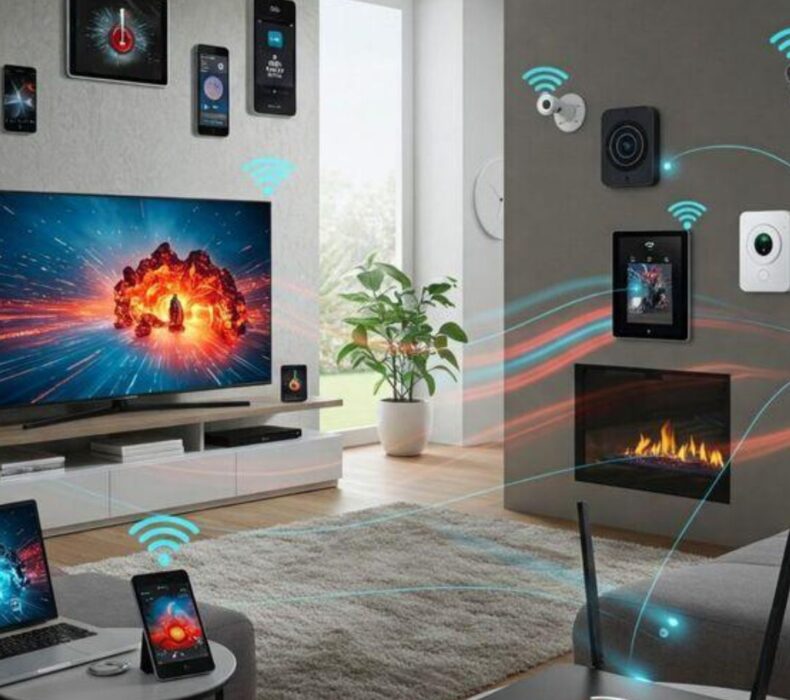
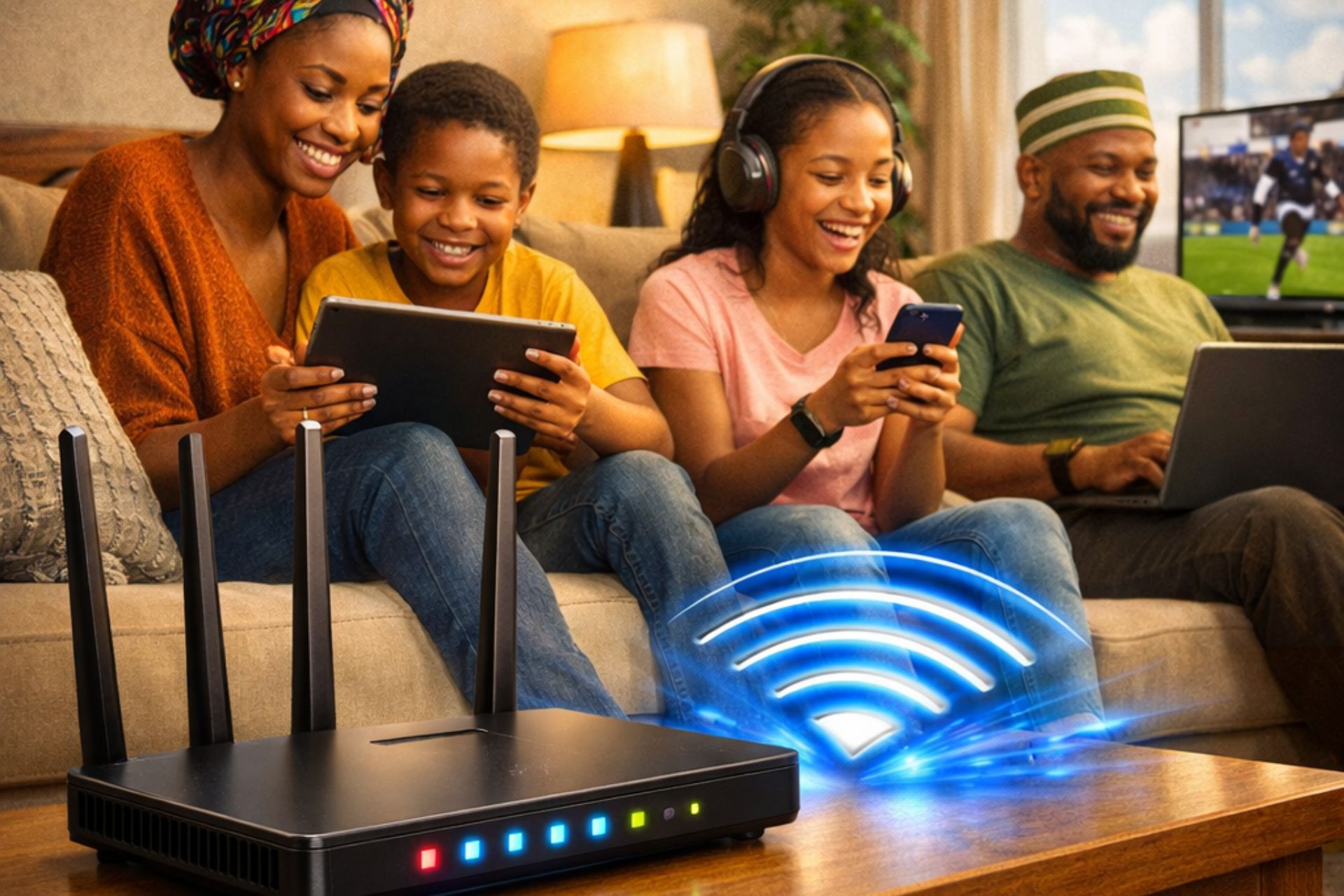
As more homes embrace connected technology, having reliable Internet for Smart Homes has become essential. From smart TVs and security cameras to voice assistants, smart lighting, and home automation systems, every device depends on a fast and stable internet connection. Therefore, choosing the right internet service and Wi-Fi equipment ensures your smart home operates efficiently, securely, and without interruptions.
What Is a Smart Home?
A smart home uses internet-connected devices that can be controlled remotely through smartphones, tablets, or voice assistants.
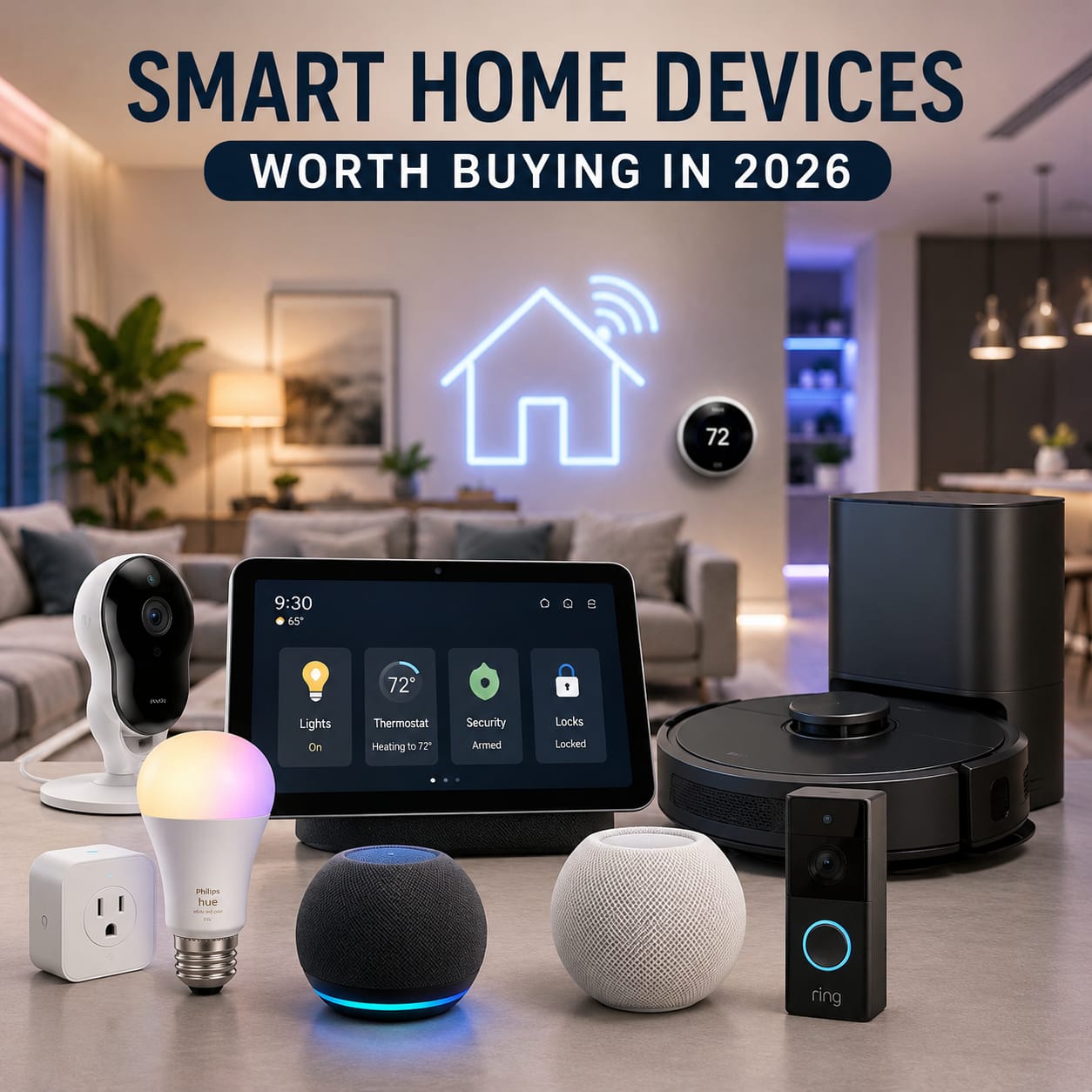
Common smart home devices include:
- Smart TVs
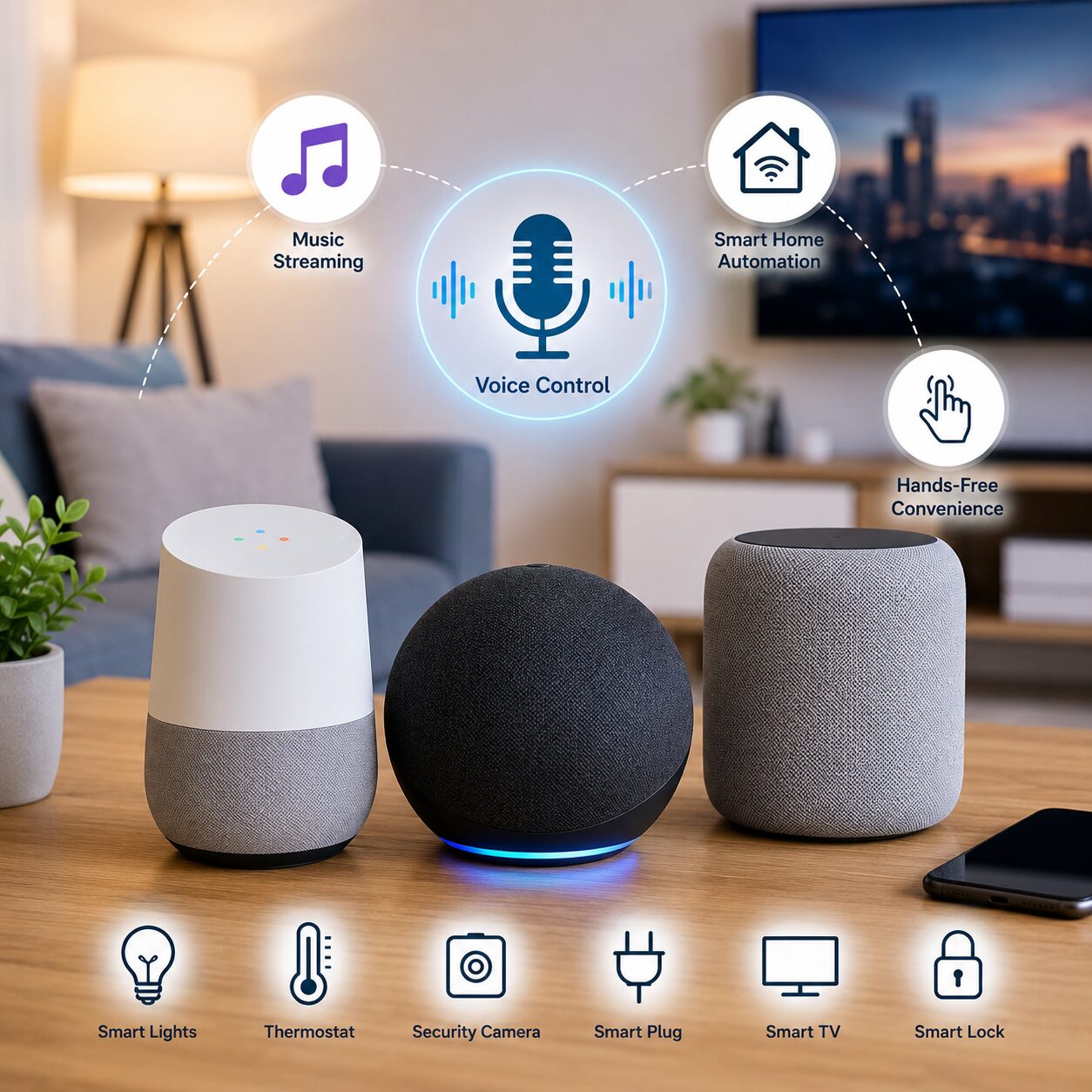
- Smart speakers
- Security cameras
- Video doorbells
- Smart lighting
- Smart thermostats
- Smart locks
- Smart plugs
- Home assistants
- Smart appliances
Because these devices constantly communicate over the internet, a reliable connection is essential.
Why Internet for Smart Homes Matters
A smart home is only as reliable as its internet connection.
Choosing high-quality Internet for Smart Homes provides several advantages, including:
- Faster device response times
- Smooth video streaming
- Reliable security camera monitoring
- Stable voice assistant performance
- Better remote access
- Faster software updates
- Reduced connection failures
Consequently, every connected device performs more efficiently.
How Much Internet Speed Does a Smart Home Need?
The ideal speed depends on the number of connected devices and your daily activities.
Here are some general recommendations:
Small Smart Homes
For homes with fewer than 10 connected devices:
- 25–50 Mbps
This is suitable for browsing, streaming, and basic smart home automation.
Medium Smart Homes
For homes with 10–25 connected devices:
- 100 Mbps or higher
This supports multiple users, HD streaming, and several smart devices simultaneously.
Large Smart Homes
For homes with over 25 connected devices:
- 200 Mbps or more
This ensures excellent performance for automation, security systems, and multiple users.
Best Internet Technologies for Smart Homes
Several broadband technologies are suitable for modern smart homes.
Fibre Internet
Fibre broadband is widely regarded as the best option.
Advantages include:
- Ultra-fast speeds
- Stable connections
- Low latency
- Unlimited browsing
- Reliable smart device communication
Therefore, fibre is ideal for households with many connected devices.
5G Home Internet
5G broadband offers impressive wireless performance.
Benefits include:
- Fast downloads
- Low latency
- Easy installation
- Excellent smart home support
Moreover, it provides an outstanding alternative where fibre is unavailable.
4G LTE Broadband
4G broadband remains a dependable option for many Nigerian homes.
It offers:
- Wide coverage
- Affordable setup
- Easy installation
- Reliable everyday connectivity
Although speeds may vary depending on network congestion, it supports many smart home applications.
Choosing the Right Router
A quality router is essential for reliable Internet for Smart Homes.
Look for these features:
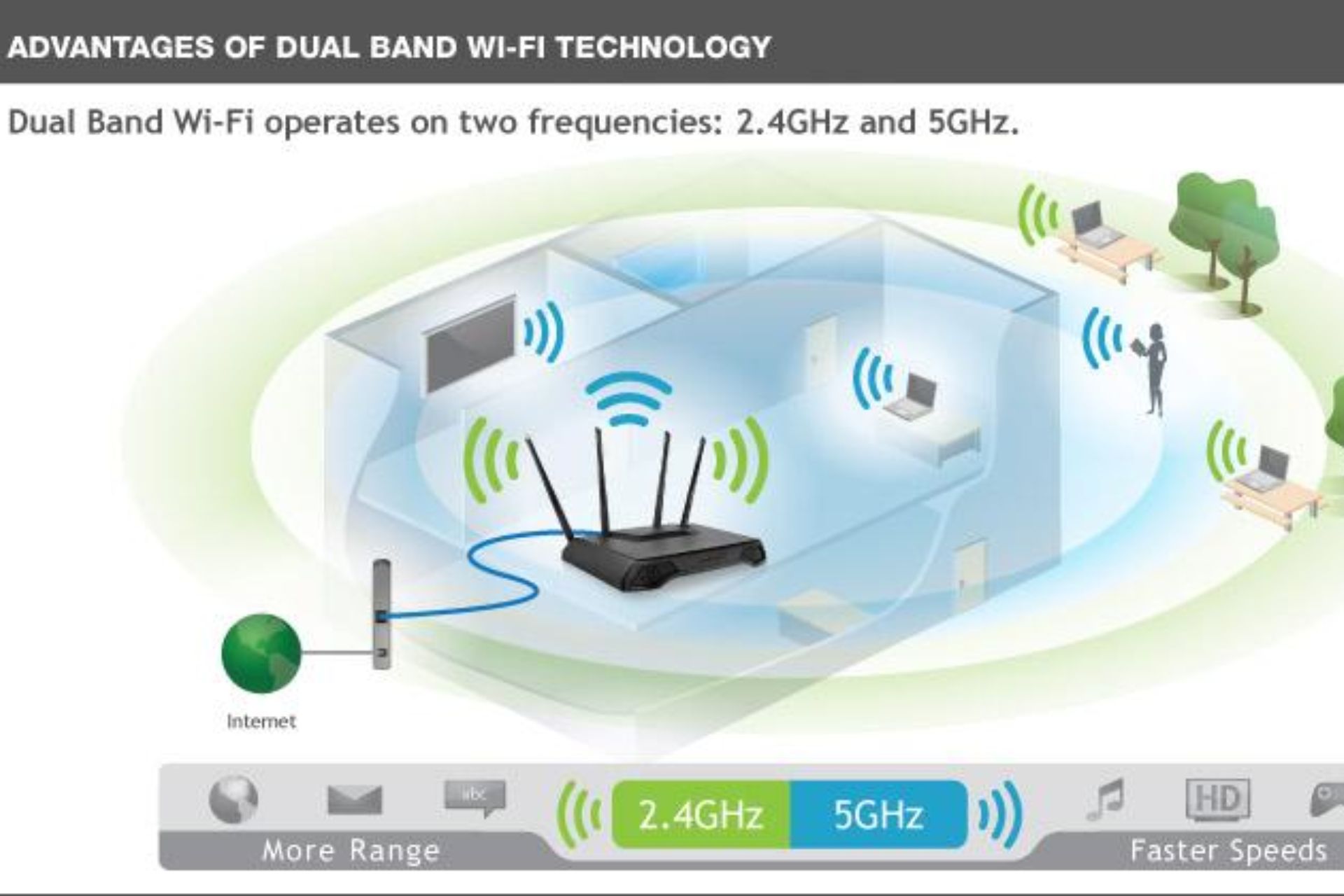
Dual-Band or Tri-Band Support
Multiple frequency bands reduce congestion and improve device performance.
Wi-Fi 6 Technology
Wi-Fi 6 offers:
- Faster speeds
- Better efficiency
- Lower latency
- Improved support for multiple devices
This makes it ideal for smart homes with numerous connected gadgets.
Mesh Wi-Fi Systems
Large homes often experience weak Wi-Fi signals in certain rooms.
Mesh systems provide:
- Whole-home coverage
- Seamless roaming
- Strong signals
- Better reliability
Consequently, every device stays connected regardless of location.
Devices That Depend on Reliable Internet
Today’s smart homes include numerous internet-connected devices.
Examples include:
- Smart televisions
- Voice assistants
- Wi-Fi security cameras
- Video doorbells
- Smart lighting
- Smart refrigerators
- Robot vacuum cleaners
- Smart washing machines
- Air conditioners
- Smart speakers
Reliable internet ensures all these devices work together smoothly.
Tips for Improving Internet for Smart Homes
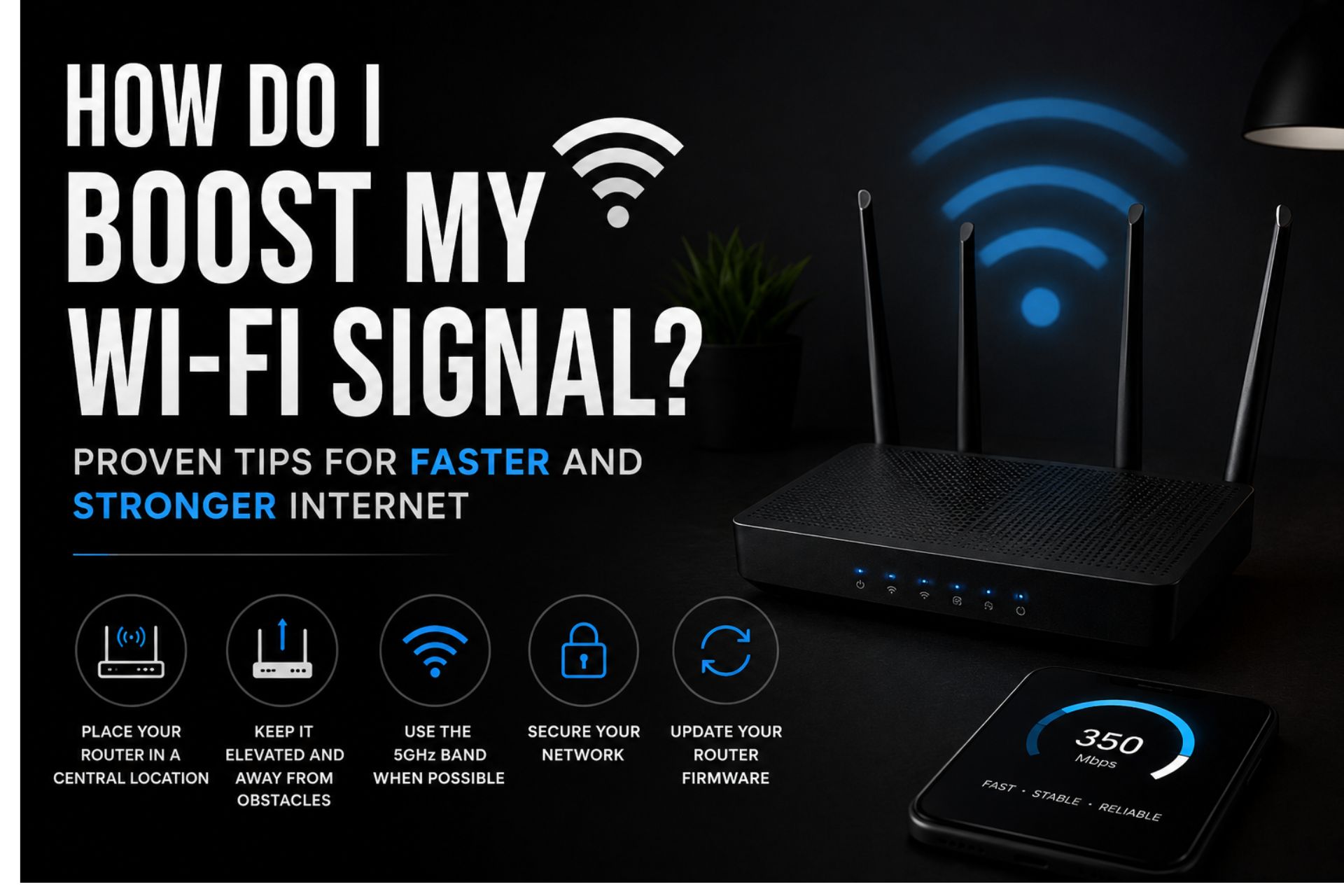
Place Your Router Strategically
Position your router:
- Near the center of your home
- On a raised surface
- Away from walls
- Away from large metal objects
This improves signal strength throughout the house.
Secure Your Wi-Fi Network
Protect your smart home by:
- Using WPA3 encryption
- Creating strong passwords
- Updating firmware regularly
- Enabling guest networks
These measures improve both security and performance.
Restart Your Router Periodically
Restarting your router once every week refreshes the network and resolves minor performance issues.
Common Smart Home Internet Problems
Some common issues include:
- Weak Wi-Fi signals
- Router overload
- Network interference
- Outdated equipment
- Slow broadband plans
Fortunately, most of these problems can be solved through proper setup and regular maintenance.
Why Fibre Is Often the Best Choice
Fibre broadband provides several advantages for smart homes.
These include:
- Stable connectivity
- High bandwidth
- Minimal latency
- Excellent streaming
- Reliable automation
As more devices connect to your network, fibre continues delivering consistent performance.
Future of Smart Homes in Nigeria
Smart home technology continues to grow rapidly.
As fibre networks expand and 5G becomes more widely available, homeowners can expect:
- Faster internet
- Improved automation
- Better security
- More connected devices
- Enhanced energy efficiency
Therefore, investing in quality internet today prepares your home for future technologies.
Frequently Asked Questions
Which internet is best for smart homes?
Fibre internet is generally the best choice because of its speed, stability, and ability to support many connected devices.
Is 4G suitable for a smart home?
Yes. A strong 4G connection can support basic smart home devices, especially in areas without fibre coverage.
Do smart homes require a special router?
A modern dual-band or Wi-Fi 6 router is recommended to support multiple connected devices efficiently.
How many smart devices can one router support?
The number depends on the router model. Modern Wi-Fi 6 routers can comfortably support dozens of connected devices.
Can I build a smart home without fibre internet?
Yes. Many homeowners successfully use 4G or 5G broadband for smart home automation where fibre is unavailable.
Conclusion
Choosing reliable Internet for Smart Homes is one of the most important investments you can make for a modern connected lifestyle. Whether you rely on smart TVs, security cameras, voice assistants, or home automation systems, fast and stable internet ensures every device performs efficiently. By combining a high-speed broadband service with a quality Wi-Fi 6 or mesh router, you can enjoy seamless connectivity, enhanced security, and a smarter home that is ready for the future.


 Get it on
  Download on the