π§½ How to Avoid Costly Mistakes When Buying Cleaning Equipment
Introduction
Buying cleaning equipment may seem simple at first, but in reality, it is one of the most overlooked areas in facility management and business operations.
Many businesses, cleaning companies, and even facility managers in Lagos and across Nigeria make costly mistakes when purchasing cleaning machines and tools. These mistakes often lead to:
- Wasted money
- Poor cleaning performance
- Frequent breakdowns
- Inefficient operations
- Higher long-term costs
With the rapid growth of the cleaning industry and increasing demand for industrial cleaning equipment, making the right purchasing decisions is more important than ever.
In this guide, you will learn how to avoid costly mistakes when buying cleaning equipment, choose the right tools, and maximize your investment.
β οΈ 1. Not Understanding Your Cleaning Needs
One of the biggest mistakes buyers make is purchasing equipment without understanding their actual cleaning needs.
Common mistakes include:
- Buying industrial machines for small spaces
- Using domestic tools for commercial cleaning
- Purchasing equipment based on price alone
Why this is a problem
Every environment is different:
- Offices require light to medium-duty equipment
- Hotels need high-frequency cleaning machines
- Hospitals require specialized hygienic equipment
- Warehouses need heavy-duty industrial machines
π Without proper assessment, you will always choose the wrong tool.
π’ 2. Choosing Price Over Quality
Many buyers focus only on cost instead of long-term value.
Cheap equipment often leads to:
- Frequent breakdowns
- Poor cleaning results
- High maintenance costs
- Short lifespan
Smart buying mindset
Instead of asking:
βWhat is the cheapest option?β
Ask:
βWhat gives me the best long-term value?β
π High-quality commercial cleaning tools may cost more initially but save more money over time.
βοΈ 3. Ignoring Equipment Specifications
Another common mistake is failing to check technical specifications.
Important specs to consider:
- Power capacity
- Tank size
- Suction strength (for vacuum machines)
- Battery life (for cordless machines)
- Durability and material quality
Example
A weak vacuum cleaner used in a large office will struggle and wear out quickly.
π Always match specifications with your workload.
π§ 4. Not Considering Maintenance and Spare Parts
Many buyers forget that cleaning equipment requires maintenance.
Questions you should ask before buying:
- Are spare parts available locally?
- Is servicing easy in Nigeria?
- How often does it require maintenance?
Common mistake
Buying imported machines without local support.
π This leads to long downtime and expensive repairs.
π 5. Overlooking the Type of Environment
Different environments require different machines.
Environment breakdown:
Offices:
- Vacuum cleaners
- Floor polishers
Hotels:
- Carpet cleaners
- Steam cleaners
Hospitals:
- HEPA filter vacuums
- Disinfection systems
Industrial spaces:
- Heavy-duty scrubbers
- Pressure washers
π Using the wrong equipment reduces efficiency and increases wear.
π§½ 6. Not Training Staff on Equipment Use
Even the best machines will fail if not used properly.
Common issues:
- Wrong operation techniques
- Equipment misuse
- Poor cleaning results
- Machine damage
Solution
Always ensure:
- Staff training is provided
- Operation manuals are followed
- Safety procedures are understood
π Training improves performance and extends machine lifespan.
πΈ 7. Ignoring Total Cost of Ownership (TCO)
Many buyers only consider purchase price, not long-term costs.
Total cost includes:
- Purchase price
- Maintenance
- Repairs
- Energy consumption
- Replacement parts
Example
A cheaper machine may cost more in repairs over 2 years than a premium machine.
π Always calculate long-term investment value.
π 8. Buying Without Energy Efficiency Consideration
Energy costs matter, especially for businesses operating in Lagos.
Mistake:
Buying high-power machines without efficiency evaluation.
Result:
- High electricity bills
- Poor cost control
- Reduced profitability
π Energy-efficient industrial cleaning equipment reduces operational expenses.
πͺ 9. Buying From Unverified Suppliers
One of the most dangerous mistakes is buying from unreliable vendors.
Risks include:
- Fake products
- No warranty
- Poor after-sales service
- Low-quality machines
Solution
Buy only from:
- Verified suppliers
- Registered companies
- Trusted cleaning equipment distributors
π Always check reputation before purchase.
π 10. Not Comparing Multiple Options
Many buyers rush into purchasing without comparing alternatives.
Why comparison matters:
- Helps you identify better deals
- Reveals hidden features
- Ensures better value for money
π Always compare at least 3β5 options before deciding.
π’ 11. Ignoring Business Growth Potential
Your cleaning needs will grow over time.
Mistake:
Buying equipment only for current needs.
Better approach:
- Think long-term
- Buy scalable equipment
- Invest in multipurpose machines
π This prevents repeated unnecessary purchases.
π§° 12. Overlooking Warranty and Support
Warranty is often ignored but extremely important.
Always check:
- Warranty duration
- Coverage details
- Availability of technical support
π Reliable professional cleaning equipment always comes with strong after-sales support.
π§Ύ 13. Not Researching Product Reviews
Skipping research leads to poor decisions.
Where to research:
- Google reviews
- YouTube demonstrations
- Industry forums
- Business communities
π Real user feedback helps avoid expensive mistakes.
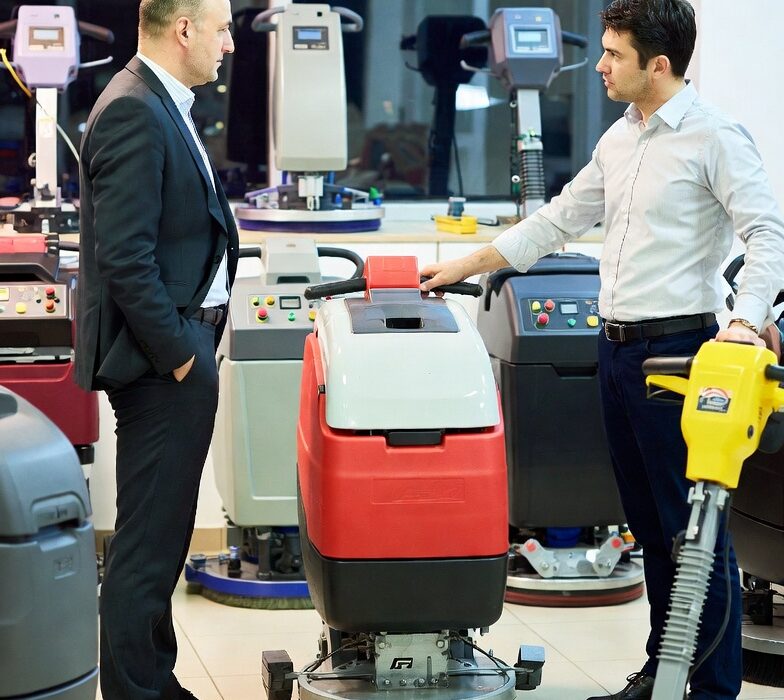
π§ͺ 14. Ignoring Trial or Demo Testing
Never buy cleaning machines without testing if possible.
Why testing is important:
- Confirms performance
- Identifies usability issues
- Ensures suitability for your environment
π Many suppliers offer demo unitsβuse them.
π§© 15. Not Seeking Expert Advice
Many businesses try to guess instead of consulting professionals.
Experts can help you:
- Choose the right machine
- Avoid unnecessary expenses
- Optimize cleaning operations
Example
Companies like Cleaneat Integrated Services provide practical insights based on real cleaning operations, helping businesses choose suitable equipment.

π Why Smart Equipment Buying Matters
Avoiding mistakes leads to:
- Lower operational costs
- Higher cleaning efficiency
- Longer equipment lifespan
- Better hygiene results
- Improved business productivity
Get it on
Download on the