






Introduction
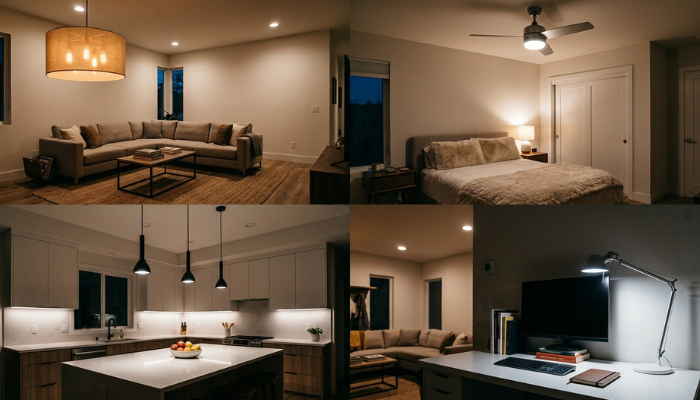
Choosing the best light bulb for your home can make a big difference in how comfortable, bright, and welcoming each room feels. However, with different bulb types, brightness levels, colors, and energy ratings available, choosing the right option can sometimes feel confusing.
Fortunately, understanding a few simple features can help you select the perfect light bulb for every room. Whether you need lighting for a bedroom, living room, kitchen, bathroom, or workspace, the right bulb can improve both the appearance and functionality of your home.
What Is a Light Bulb?
A light bulb is an electrical device that produces artificial light. Today, homeowners can choose from several types, including LED, halogen, fluorescent, and incandescent bulbs.
Among these options, LED bulbs are particularly popular because they are energy-efficient, long-lasting, and available in different brightness levels and colors. Therefore, they are often an excellent choice for modern homes.
Why Choosing the Right Light Bulb Matters
The right light bulb does more than simply brighten a room. In fact, lighting can influence the atmosphere, appearance, and usefulness of your space.
For example, warm lighting can create a relaxing atmosphere in a bedroom or living room. On the other hand, brighter and cooler lighting can make a kitchen or workspace feel more energetic and practical.
Additionally, choosing an energy-efficient bulb can help reduce electricity consumption over time. As a result, selecting the right bulb can benefit both your home and your household budget.
Consider the Brightness
One of the first things to consider when buying a light bulb is brightness. Brightness is measured in lumens rather than watts.
Generally, a bulb with more lumens produces more light. However, the ideal brightness depends on the room and how you intend to use it.
For instance, a bedroom may benefit from softer lighting, while a kitchen or study area may require brighter illumination.
Choose the Right Color Temperature
Color temperature affects the appearance and mood of your lighting. It is measured in Kelvin (K).
Warm white light usually creates a cozy and comfortable atmosphere. Therefore, it works well in bedrooms, living rooms, and dining areas.
Cool white light, meanwhile, provides a cleaner and more energetic appearance. Consequently, it can be suitable for kitchens, bathrooms, garages, and workspaces.
LED Light Bulbs: A Popular Choice
LED bulbs are one of the most popular choices for modern homes. They use less energy than traditional incandescent bulbs and generally last much longer.
Furthermore, LED technology is available in many designs and sizes. You can find LED bulbs for ceiling fixtures, lamps, chandeliers, wall lights, and decorative fittings.
Because of their efficiency and versatility, LED bulbs are suitable for almost every room in the home.
Best Light Bulb for the Living Room
The living room is usually a place for relaxation, entertainment, and socializing. Therefore, soft or warm-white lighting can create a welcoming atmosphere.
You can also combine different light sources, such as ceiling lights, floor lamps, table lamps, and wall lights. This approach creates layers of lighting and allows you to adjust the atmosphere depending on the occasion.
Best Light Bulb for the Bedroom
For bedrooms, comfort is usually the priority. A warm-white light bulb can create a calm and relaxing environment.
In addition, bedside lamps with softer bulbs can provide enough light for reading without making the entire room extremely bright.
Best Light Bulb for the Kitchen
The kitchen requires practical lighting because you need clear visibility when preparing food and performing other tasks.
Therefore, choose a bulb that provides good brightness and clear illumination. Cool or neutral-white LED bulbs can work particularly well in kitchens.
Best Light Bulb for the Bathroom
Bathrooms need bright and reliable lighting. A suitable LED bulb can provide clear illumination around mirrors, sinks, and other important areas.
However, always make sure the bulb and fixture are appropriate for the bathroom environment and follow the manufacturer’s safety instructions.
Best Light Bulb for a Home Office
A home office needs lighting that makes reading, writing, and computer work comfortable. Neutral or cool-white lighting can provide a clear and focused environment.
Moreover, combining a ceiling fixture with a desk lamp can reduce dark areas and make the workspace more practical.
What Wattage Should You Choose?
Wattage measures how much electrical power a bulb uses, rather than how bright it is. Therefore, you should not choose a bulb based on wattage alone.
Instead, check the lumens to determine brightness and compare the bulb’s energy efficiency. Also, make sure the bulb’s wattage is compatible with your light fixture.
Check the Bulb Size and Fitting
Before purchasing a light bulb, check the fitting of your existing fixture. Bulbs come in different shapes, sizes, and base types.
For example, some fixtures require screw-in bulbs, while others use different connector designs. Consequently, checking the fixture specifications first can prevent you from purchasing the wrong bulb.
Energy Efficiency and Cost
Energy efficiency is another important factor when selecting home lighting. Although some efficient bulbs may cost more initially, they can use less electricity and last longer.
As a result, the overall cost of ownership may be lower over time.
LED bulbs are particularly useful for homeowners who want to improve energy efficiency without sacrificing lighting quality.
How to Choose the Best Light Bulb
When choosing a bulb, consider these important factors:
1. Room Purpose
Think about what you do in the room. A relaxing bedroom needs different lighting from a kitchen or study.
2. Brightness
Look at lumens to determine how much light the bulb produces.
3. Color Temperature
Choose warm light for cozy spaces and neutral or cool light for areas where you need clearer visibility.
4. Energy Efficiency
Look for energy-efficient options, particularly if the lights will be used frequently.
5. Compatibility
Always check that the bulb’s size, fitting, and electrical specifications match your fixture.
Final Thoughts
Finding the best light bulb for your home does not have to be difficult. By considering brightness, color temperature, energy efficiency, bulb fitting, and the purpose of each room, you can create lighting that is both attractive and practical.
Ultimately, LED bulbs are an excellent all-round option because they offer efficiency, versatility, and a wide range of lighting choices. However, the ideal light bulb will depend on your home’s fixtures and the atmosphere you want to create.
Therefore, before making a purchase, consider each room individually. With the right lighting choices, you can make your home brighter, more comfortable, and more inviting.







 Get it on
  Download on the