Choosing the right face mask can make a big difference in a skincare routine, but with so many options available, it can be difficult to know which one is best. Two popular choices arepeel-off masks and sheet masks. While both are designed to give your skin an extra boost, they work in very different ways.
A peel-off mask is applied directly to the skin, allowed to dry, and then gently removed. Depending on its ingredients, it may help absorb excess oil, remove surface impurities and leave the skin feeling smoother. A sheet mask, on the other hand, is a fabric or bio-cellulose sheet soaked in a serum-like essence that sits on the face for a short period to deliver hydrating and conditioning ingredients.
A peel-off mask is a skincare treatment that forms a film over the skin as it dries. Once completely dry, the mask is carefully peeled away.
Many peel-off masks are formulated with ingredients intended to absorb excess oil, improve the appearance of pores and remove surface debris. Some may also contain ingredients such as aloe vera, charcoal, antioxidants or botanical extracts.
The peeling action can make the skin feel temporarily smoother and cleaner. However, not every peel-off mask is suitable for every skin type.
People with oily or combination skin may enjoy the fresh, clean feeling after using one, while people with sensitive or very dry skin may need to be more careful.
How Does a Peel-Off Mask Work?
After application, the product dries and creates a thin film. When the film is removed, it takes some surface material with it.
The perceived benefits can include:
A smoother-feeling complexion
Temporary removal of surface impurities
Reduced feeling of excess oil
A refreshed appearance
Mild exfoliation, depending on the formula
However, a peel-off mask should not be confused with a treatment that permanently removes blackheads or dramatically shrinks pores. Pores cannot permanently be closed, and aggressive peeling can irritate the skin.
What Is a Sheet Mask?
A sheet mask is a pre-cut mask made from materials such as cotton, cellulose, hydrogel or bio-cellulose. It is saturated with a concentrated essence or serum containing skincare ingredients.
Unlike peel-off masks, sheet masks do not physically peel away the outermost layer of skin. Instead, they provide a period of contact between the skin and the ingredients in the mask.
Sheet masks are particularly popular for hydration and skin-conditioning benefits.
Depending on the formulation, a sheet mask may contain ingredients such as:
Hyaluronic acid
Glycerin
Niacinamide
Aloe vera
Ceramides
Antioxidants
Botanical extracts
Because different sheet masks contain different ingredients, it is important to read the product label rather than assuming every sheet mask provides the same benefits.
Peel-Off Mask vs Sheet Mask: Key Differences
The biggest difference between these two masks is how they interact with the skin.
Feature
Peel-Off Mask
Sheet Mask
Application
Applied as a liquid or gel
Pre-soaked sheet
Removal
Peeled away after drying
Removed and discarded
Main purpose
Cleansing, oil control and surface smoothing
Hydration and skin conditioning
Best suited for
Often oily or combination skin
Most skin types, depending on formula
Exfoliation
Some formulas may provide mild surface exfoliation
Generally does not exfoliate
Hydration
Depends heavily on formula
Usually a major benefit
Frequency
Depends on ingredients and skin tolerance
Can often be used more frequently
The best option ultimately depends on what your skin needs.
Which Is Better for Oily Skin?
If your skin produces a lot of oil, you may prefer a peel-off mask formulated for oily or combination skin. Certain formulas can help remove excess surface oil and leave the complexion feeling cleaner.
However, removing too much oil can potentially leave the skin feeling dry or irritated. Oily skin still needs hydration.
A better approach is to look for a balanced skincare routine that includes a gentle cleanser, lightweight moisturizer and sunscreen, with a suitable mask used occasionally.
Sheet masks can also work for oily skin when they contain lightweight, non-greasy ingredients. Look for formulas designed for hydration without a heavy or occlusive finish.
Which Is Better for Dry Skin?
For dry skin, a sheet mask is generally the more suitable choice, especially when it contains hydrating ingredients such as hyaluronic acid, glycerin or soothing botanical ingredients.
Dry skin often benefits from products that support hydration and reduce the feeling of tightness.
A peel-off mask may not be the best choice if your skin is already dry, particularly if the product creates a strong tightening sensation or contains potentially irritating ingredients.
If your skin feels tight, flaky or uncomfortable after using a mask, discontinue it and return to a gentle moisturizing routine.
Which Is Better for Sensitive Skin?
Sensitive skin requires extra care when choosing a face mask.
A sheet mask with a simple, fragrance-free and soothing formula may be a better option than an aggressive peel-off mask. However, even sheet masks can cause irritation if they contain ingredients that your skin does not tolerate.
If you have sensitive skin, consider avoiding products with strong fragrance, high concentrations of irritating active ingredients or formulas that cause burning or stinging.
Always patch-test a new skincare product when appropriate, and stop using it if you experience significant irritation.
Which Is Better for Acne-Prone Skin?
For acne-prone skin, the ingredients matter more than whether a mask is a peel-off or sheet mask.
A peel-off mask may temporarily make oily skin feel cleaner, but aggressive peeling can irritate active breakouts. It is not a substitute for proven acne treatments.
Some sheet masks can also be useful for acne-prone skin when they contain gentle, lightweight and soothing ingredients.
If you regularly experience acne, look for a complete routine rather than relying on masks alone. A gentle cleanser, appropriate acne treatment, moisturizer and broad-spectrum sunscreen are generally more important for long-term skin management.
Peel-Off Mask Benefits
When appropriately formulated and used correctly, a peel-off mask may provide several cosmetic benefits.
1. Helps Remove Surface Impurities
The film created by some peel-off masks can lift surface debris when removed.
2. Can Reduce the Feeling of Excess Oil
Certain formulations are designed to absorb or remove excess surface oil, making them attractive to people with oily skin.
3. Leaves Skin Feeling Smoother
The removal process can temporarily make the skin feel smoother.
4. Provides a Refreshing Skincare Experience
Using a face mask can make a skincare routine feel more relaxing and enjoyable.
However, avoid pulling a peel-off mask aggressively. If it is difficult to remove, soften it according to the manufacturer’s instructions rather than forcing it.
Sheet Mask Benefits
Sheet masks are especially popular because they are simple and convenient.
1. Provides Hydration
Many sheet masks contain humectants that help attract water to the skin’s surface, helping it feel more hydrated.
2. Supports a Healthy-Looking Glow
A well-formulated sheet mask can temporarily make skin look fresher, plumper and more radiant.
3. Convenient to Use
Most sheet masks require little preparation and can be used as an occasional addition to a normal skincare routine.
4. Available for Different Skin Concerns
There are sheet masks formulated for hydration, soothing, brightening and other cosmetic skincare goals.
Are Peel-Off Masks Bad for Your Skin?
Not necessarily. The safety and suitability of a peel-off mask depend on its ingredients, how frequently it is used and how your skin responds.
Problems may occur when a mask is too harsh, used too frequently or pulled off aggressively.
If you experience redness, burning, persistent dryness or discomfort, stop using the product.
People with very sensitive skin, eczema-prone skin or an impaired skin barrier should be especially cautious with products that involve strong peeling or potentially irritating ingredients.
Are Sheet Masks Better Than Peel-Off Masks?
There is no universal winner.
If your primary goal is hydration and skin conditioning, a sheet mask may be the better option.
If you enjoy the feeling of a surface-cleansing and smoothing treatment, a suitable peel-off mask may be more appealing.
For many people, the best choice is determined by skin type and the formulation rather than the mask category itself.
How to Use a Peel-Off Mask Correctly
To get the most from a peel-off mask:
Cleanse your face with a gentle cleanser.
Pat your skin dry.
Apply the mask according to the manufacturer’s instructions.
Avoid the eye area, eyebrows, lips and hairline unless the product specifically states otherwise.
Allow it to dry for the recommended time.
Gently peel it away without pulling aggressively.
Rinse away any remaining residue if necessary.
Apply a moisturizer.
Use sunscreen during the day.
Do not use a peel-off mask simply because the skin feels tighter. A tight sensation does not automatically mean the mask is working better.
How to Use a Sheet Mask Correctly
Using a sheet mask is generally straightforward:
Cleanse your face.
Apply toner if it is part of your normal routine.
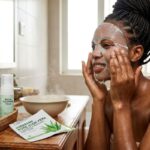
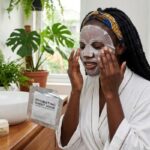
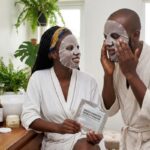
Carefully place the sheet mask over your face.
Leave it on for the time recommended on the package.
Remove the mask gently.
Massage or pat remaining essence into the skin if the instructions recommend it.
Follow with moisturizer if needed.
Apply sunscreen if using the mask during your daytime routine.
Avoid leaving a sheet mask on until it becomes completely dry unless the manufacturer specifically instructs you to do so.
How Often Should You Use a Face Mask?
There is no single frequency that works for everyone.
The recommended frequency depends on the product’s ingredients and your skin’s tolerance. A hydrating sheet mask may be suitable for more frequent use, while a peel-off mask may be better used occasionally.
Always follow the manufacturer’s directions.
More frequent use does not necessarily produce better results. Overusing skincare products can contribute to irritation, dryness or sensitivity.
Peel-Off Mask vs Sheet Mask for Glowing Skin
If your main goal is a temporary hydrated, fresh-looking glow, sheet masks often have an advantage because they are commonly formulated with hydrating and conditioning ingredients.
A peel-off mask may also make the skin look smoother immediately after use, particularly when it removes surface buildup and excess oil.
For longer-term skin health, however, your daily skincare routine matters much more than occasional masks. Cleansing, moisturizing and consistent sunscreen use are important foundations.
Can You Use Both Peel-Off and Sheet Masks?
Yes, but you do not necessarily need to use both in the same routine.
If your skin tolerates both products, you could use them at different times according to their instructions and your skincare needs.
For example, someone with combination skin might occasionally use a suitable peel-off mask when they want a cleansing treatment and use a hydrating sheet mask when their skin feels dry.
Final Verdict: Peel-Off Mask vs Sheet Mask — Which One Should You Choose?
So, peel-off mask vs sheet mask: which one is better for your skin?
The answer depends on your individual skincare needs.
Choose a sheet mask if your priority is hydration, soothing and giving your skin a temporary refreshed appearance. It is particularly appealing for dry or dehydrated skin when the formula contains gentle moisturizing ingredients.
Choose a peel-off mask if you prefer a surface-cleansing and smoothing experience and your skin tolerates the formula well. It may be more appealing for people with oily or combination skin, although it should not be used aggressively or too frequently.
Ultimately, the best face mask is the one that matches your skin type, contains suitable ingredients and fits into a consistent skincare routine.
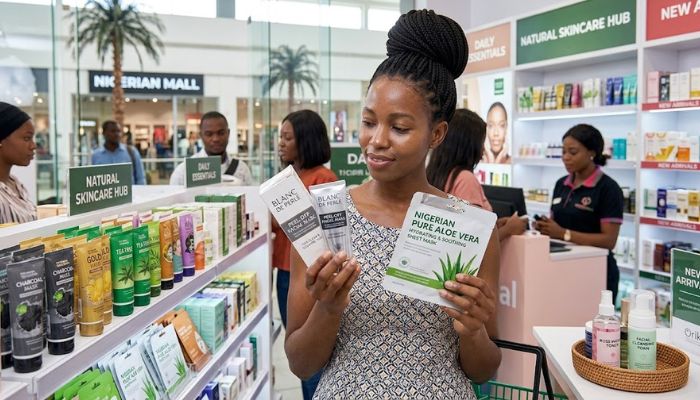
Whether you shop for skincare products online or in a local beauty store in Nigeria, always check the ingredients, instructions and suitability for your skin before purchasing. A face mask should complement your routine—not replace the basics of cleansing, moisturizing and daily sun protection.









 Get it on
  Download on the