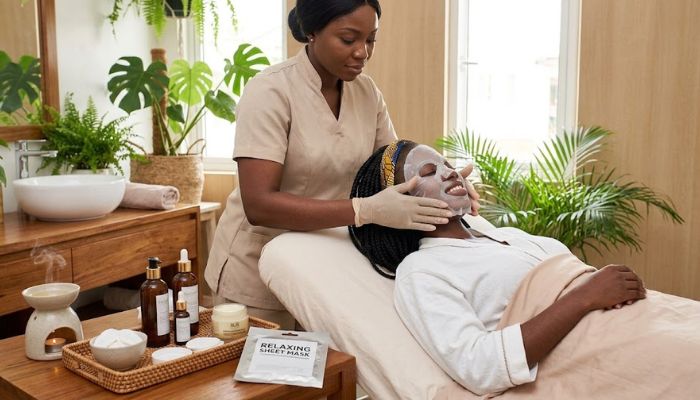
Sheet masks have become a popular part of modern skincare routines because they are simple to use and can give the skin an instant boost of hydration and freshness. Whether you are dealing with dry skin, dullness, dehydration, or simply want to pamper your face, a sheet mask can be an easy addition to your routine.
For most people, using a sheet mask 1 to 3 times per week is a good starting point. However, the ideal frequency depends on your skin type, the ingredients in the mask, and what your skin needs.
Some hydrating sheet masks can be used several times a week, while masks containing exfoliating or stronger active ingredients may need to be used less frequently.
Understanding how often to use a sheet mask can help you enjoy its benefits without unnecessarily irritating your skin.
What Is a Sheet Mask?
A sheet mask is a face-shaped mask made from materials such as cotton, cellulose, bio-cellulose, or other fibers. It is soaked in a concentrated skincare essence or serum containing ingredients designed to address specific skin concerns.
Common sheet mask ingredients include:
Hyaluronic acid
Niacinamide
Aloe vera
Vitamin C
Ceramides
Peptides
Green tea
Glycerin
Snail mucin
Centella asiatica
Unlike traditional clay or cream masks that are spread directly onto the face, sheet masks are placed over the skin and left on for a specified period.
The sheet helps keep the essence in close contact with the skin, making it convenient for people who want an extra step of hydration and skincare treatment.
How Often Should You Use a Sheet Mask?
For most skin types, 1 to 3 times a week is generally enough.
However, there is no universal schedule that works for everyone. Your ideal frequency depends on your skin type and the formula of the sheet mask.
Dry or Dehydrated Skin
If your skin frequently feels tight, rough, flaky, or dehydrated, you may benefit from using a gentle hydrating sheet mask 2 to 3 times per week.
Look for ingredients such as:
Hyaluronic acid
Glycerin
Ceramides
Aloe vera
Panthenol
Squalane
Hydrating masks can complement your regular moisturizer and help temporarily improve the appearance of dry and dehydrated skin.
However, a sheet mask should not replace your daily moisturizer. Your normal skincare routine should still include cleansing, moisturizing, and daytime sun protection.
Oily Skin
People with oily skin can also use sheet masks. The important thing is to choose lightweight, non-heavy formulas.
A sheet mask containing ingredients such as niacinamide, green tea, or soothing botanical ingredients may be appropriate.
Using a sheet mask 1 to 2 times per week can be sufficient for oily skin.
Avoid assuming that oily skin does not need hydration. Dehydrated skin can still produce excess oil, so maintaining a healthy moisture balance is important.
Acne-Prone Skin
If you have acne-prone skin, choose sheet masks carefully. Look for simple, soothing and hydrating formulas rather than heavily fragranced products or masks packed with multiple active ingredients.
Ingredients such as centella asiatica, aloe vera, panthenol, and niacinamide may be useful depending on your individual skin needs.
Start with once a week and observe how your skin responds.
A sheet mask is not a treatment for moderate or severe acne. If you have persistent or severe breakouts, it is better to speak with a dermatologist or qualified healthcare professional.
Sensitive Skin
Sensitive skin requires extra caution. If your skin easily becomes red, itchy, burning, or irritated, choose fragrance-free formulas with fewer potentially irritating ingredients.
Start with once a week rather than using a sheet mask every day.
Before applying a new product to your entire face, consider testing it on a small area first.
If a sheet mask causes burning, significant redness, itching, or discomfort, remove it immediately and discontinue use.
Combination Skin
Combination skin can benefit from 1 to 2 sheet mask sessions per week, depending on your skin’s needs.
If your cheeks are dry but your T-zone is oily, select a lightweight hydrating mask rather than an extremely rich formula.
You can also focus your regular skincare routine on balancing hydration without adding excessive products.
Can You Use a Sheet Mask Every Day?
Some sheet masks are marketed for frequent or even daily use, particularly lightweight hydrating masks. However, using a sheet mask every day is not necessary for most people.
More skincare does not automatically mean better skincare.
Using a sheet mask daily may also expose your skin to ingredients that you do not need frequently, especially if the formula contains exfoliating acids, fragrances, or other potentially irritating ingredients.
If you want to use one frequently, choose a simple hydrating mask and pay attention to how your skin responds.
For most skincare routines, using a sheet mask a few times per week is more practical.
How Long Should You Leave a Sheet Mask On?
Always follow the instructions provided by the manufacturer.
In many cases, sheet masks are designed to stay on the face for approximately 10 to 20 minutes.
One common mistake is leaving the sheet mask on until it becomes completely dry.
When the sheet dries out, it may feel tight and uncomfortable rather than providing the intended hydrating experience.
Remove the mask according to the product instructions while it is still appropriately moist.
After removing it, gently pat any remaining essence into your skin.
How to Use a Sheet Mask Correctly
Getting the most from your sheet mask is not just about how often you use it. Your application technique also matters.
Step 1: Cleanse Your Face
Start with a clean face. Use a gentle facial cleanser to remove dirt, excess oil, makeup, and sunscreen.
A clean surface allows the sheet mask essence to come into contact with your skin without being mixed with accumulated impurities.
Step 2: Apply Toner If Appropriate
If toner is already part of your routine, you can apply it after cleansing and before your sheet mask.
A lightweight hydrating toner can help prepare the skin for the next steps.
Step 3: Apply the Sheet Mask
Carefully unfold the mask and place it over your face.
Adjust the openings around your eyes, nose, and mouth so that the mask sits comfortably against your skin.
Step 4: Relax for the Recommended Time
Leave the mask on for the amount of time recommended on the packaging.
Avoid leaving it on significantly longer just because you want to get more benefits.
Step 5: Remove and Pat In the Essence
Gently remove the sheet mask and discard it if it is designed for single use.
Pat the remaining essence into your skin instead of aggressively rubbing it.
Step 6: Moisturize
Finish with a moisturizer if needed.
Moisturizer can help support the skin barrier and reduce water loss from the skin.
If you are using the sheet mask during the day, finish your routine with a broad-spectrum sunscreen.
Should You Wash Your Face After Using a Sheet Mask?
Generally, you do not need to wash your face immediately after using a sheet mask, unless the product instructions specifically tell you to do so.
Most sheet masks are designed for the remaining essence to stay on the skin.
However, if the product leaves your skin sticky, uncomfortable, or irritated, you can follow the manufacturer’s instructions or adjust your routine.
Always check the product packaging because different formulas may have different directions.
What Are the Benefits of Using a Sheet Mask?
Sheet masks can provide several skincare benefits, particularly when used alongside a consistent skincare routine.
1. Boosts Hydration
Hydrating sheet masks can provide the skin with ingredients such as glycerin and hyaluronic acid that help improve the appearance of dehydrated skin.
The result may be skin that temporarily looks plumper, smoother, and more refreshed.
2. Makes Skin Look More Radiant
Some sheet masks contain ingredients designed to improve the appearance of dull-looking skin.
Ingredients such as niacinamide and vitamin C derivatives may help support a brighter-looking complexion when used appropriately.
3. Provides a Soothing Experience
Masks containing soothing ingredients such as aloe vera or centella asiatica can be a relaxing addition to a skincare routine.
However, soothing does not mean every product will be suitable for sensitive or irritated skin.
4. Supports a Consistent Skincare Routine
Skincare is not only about individual products. Consistency matters.
A sheet mask can make your routine feel more enjoyable, which may encourage you to maintain other important habits such as cleansing, moisturizing, and wearing sunscreen.
Common Sheet Mask Mistakes to Avoid
Leaving the Mask On Too Long
Longer is not always better. Follow the recommended application time.
Using Too Many Active Ingredients
If your skincare routine already contains exfoliating acids, retinoids, or other strong actives, adding multiple active sheet masks may increase the risk of irritation.
Using a Mask That Irritates Your Skin
Stop using any product that causes significant burning, itching, swelling, or persistent redness.
Reusing a Single-Use Sheet Mask
Most sheet masks are designed for one-time use. Reusing them can introduce bacteria and compromise hygiene.
Replacing Your Entire Skincare Routine With Sheet Masks
A sheet mask is an optional addition, not a replacement for essential skincare steps.
A simple routine containing cleanser, moisturizer, and sunscreen can be more important than repeatedly applying masks.
Sheet Mask Ingredients to Look For
The best ingredients depend on your skincare goals.
For hydration: Look for hyaluronic acid, glycerin, panthenol, and ceramides.
For soothing: Consider aloe vera, centella asiatica, and green tea.
For brightening: Niacinamide and certain vitamin C derivatives may be useful.
For skin barrier support: Ceramides, panthenol, and other moisturizing ingredients can complement a barrier-focused routine.
Remember that an ingredient appearing on the label does not automatically mean the product will work for everyone. The complete formulation, concentration, and your individual skin tolerance also matter.
Best Time to Use a Sheet Mask
There is no single perfect time to use a sheet mask.
Many people prefer using one in the evening after cleansing. This makes it easy to incorporate the mask into a relaxing nighttime skincare routine.
You can also use a hydrating sheet mask before an event when you want your skin to look temporarily refreshed and more hydrated.
If using one during the daytime, remember that sunscreen remains an important final step.
How Often Should You Use a Sheet Mask for Glowing Skin?
If your main goal is glowing, hydrated-looking skin, 1 to 3 times per week is a reasonable starting point.
Choose a mask based on your skin type and concerns rather than simply choosing the product with the most ingredients.
For long-term skin health, remember that a sheet mask cannot replace basic skincare habits.
Daily sun protection, adequate moisturization, gentle cleansing, and avoiding excessive exfoliation are all important parts of a healthy skincare routine.
Final Thoughts
So, how often should you use a sheet mask? For most people, 1 to 3 times per week is enough, although the ideal frequency depends on your skin type and the ingredients in the mask.
Dry or dehydrated skin may appreciate more frequent hydration, while sensitive or acne-prone skin may benefit from starting more slowly. Always follow the manufacturer’s directions and pay attention to how your skin responds.
Most importantly, think of sheet masks as an optional boost to your skincare routine rather than a replacement for the fundamentals. A consistent routine built around gentle cleansing, appropriate moisturization, and daily sunscreen can make a much bigger difference over time.
If you are shopping for skincare products in Nigeria, choosing products based on your skin type, ingredient list, and individual needs can help you build a more effective routine.













 Get it on
  Download on the