Using a face moisturizer is one of the simplest yet most important steps in any skincare routine. Whether you have dry, oily, combination, acne-prone, or sensitive skin, a good moisturizer helps keep your skin hydrated, healthy, and protected. It strengthens your skin’s natural barrier, prevents moisture loss, and reduces the appearance of dryness, fine lines, and irritation.
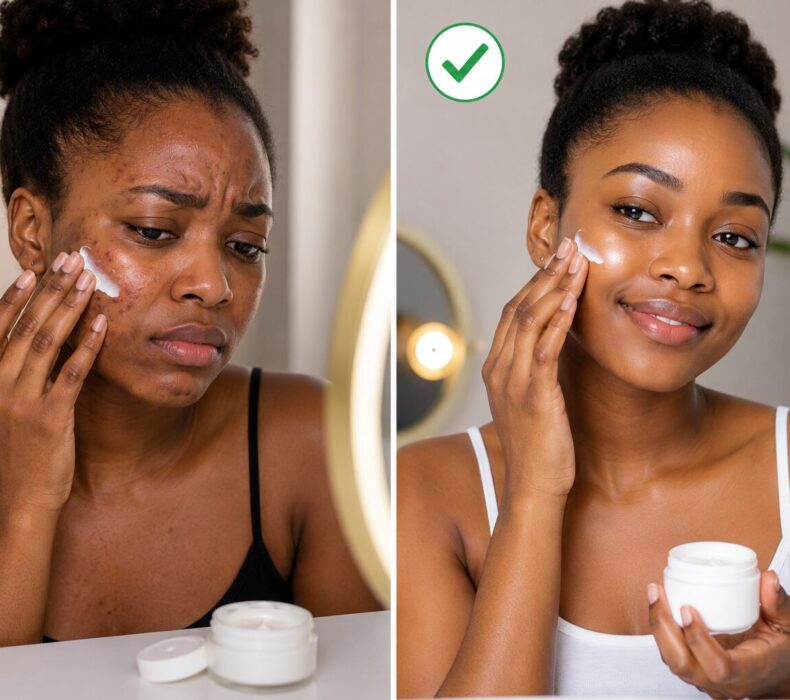
However, many people unknowingly make mistakes when applying or choosing a face moisturizer. These common face moisturizer mistakes can reduce the effectiveness of your skincare routine and even cause problems such as clogged pores, acne breakouts, excessive oiliness, irritation, redness, or premature aging.
In Nigeria, factors such as intense sunlight, hot weather, humidity, dust, and air-conditioned environments can all affect how your skin behaves. Choosing the wrong moisturizer or applying it incorrectly can make these environmental challenges even worse.
This comprehensive guide explains the common face moisturizer mistakes that damage your skin, why they happen, and how to avoid them for healthier, glowing skin.
Why Moisturizing Your Face Matters
Before discussing the mistakes, it’s important to understand why moisturizing is essential.
A quality face moisturizer helps:
Maintain healthy skin hydration
Protect the skin barrier
Reduce water loss
Keep skin soft and smooth
Prevent dryness and flaking
Improve skin elasticity
Support faster skin repair
Reduce irritation caused by environmental damage
Minimize the appearance of fine lines
Even oily skin needs moisture. Many people mistakenly believe that oily skin should skip moisturizer, but dehydrated skin often produces even more oil to compensate.
1. Choosing the Wrong Moisturizer for Your Skin Type
One of the biggest common face moisturizer mistakes is selecting products that don’t suit your skin.
Different skin types require different formulations.
Dry Skin
Look for moisturizers containing:
Hyaluronic Acid
Ceramides
Shea Butter
Glycerin
Squalane
These ingredients deeply hydrate and strengthen the skin barrier.
Oily Skin
Choose:
Oil-free moisturizers
Lightweight gel moisturizers
Non-comedogenic formulas
Heavy creams may clog pores and increase shine.
Combination Skin
A lightweight lotion balances hydration without making oily areas greasy.
Sensitive Skin
Use fragrance-free moisturizers with calming ingredients like:
Aloe Vera
Oat Extract
Ceramides
Panthenol
Avoid products containing excessive alcohol or strong fragrances.
2. Skipping Moisturizer Because You Have Oily Skin
This is one of the most widespread skincare myths.
Oily skin still loses moisture throughout the day.
When your skin becomes dehydrated, it may produce even more oil to protect itself.
The result includes:
Increased shine
Larger-looking pores
More acne breakouts
Uneven skin texture
Instead of skipping moisturizer, choose lightweight gel-based formulas.
3. Applying Moisturizer on Completely Dry Skin
Many people towel-dry their face before moisturizing.
Unfortunately, this reduces the moisturizer’s effectiveness.
The best time to moisturize is when your skin is slightly damp after:
Washing your face
Showering
Using toner
Applying hydrating serum
Damp skin helps lock in water, making moisturizers work much better.
4. Using Too Much Moisturizer
More product does not mean better hydration.
Using excessive moisturizer may cause:
Greasy skin
Clogged pores
Pimples
Makeup sliding off
Product waste
For most people, a pea-sized amount is enough for the face.
Add slightly more if your skin is extremely dry.
5. Using Too Little Moisturizer
The opposite mistake also causes problems.
Insufficient moisturizer leaves parts of the skin unprotected.
Common signs include:
Tightness
Flaking
Rough texture
Uneven hydration
Ensure you apply enough to evenly cover your:
Forehead
Nose
Cheeks
Chin
Neck
6. Forgetting Your Neck
Your neck ages almost as quickly as your face.
Unfortunately, many people stop applying skincare at the jawline.
This creates uneven aging.
Always extend moisturizer to:
Neck
Under the chin
Upper chest (if exposed)
These areas are frequently exposed to sunlight and environmental damage.
Gently massage it into your skin using upward, circular motions.
Avoid excessive pressure.
8. Ignoring the Ingredient List
Not every moisturizer is suitable for everyone.
Some ingredients may trigger irritation or breakouts.
If you have acne-prone skin, avoid heavy pore-clogging ingredients.
Look for labels such as:
Non-comedogenic
Dermatologist-tested
Fragrance-free (for sensitive skin)
Pay attention to how your skin reacts after introducing a new product.
9. Not Moisturizing After Cleansing
Every time you wash your face, some natural oils are removed.
Without replacing moisture, your skin becomes vulnerable to:
Dryness
Tightness
Irritation
Increased oil production
Always moisturize within a few minutes after cleansing.
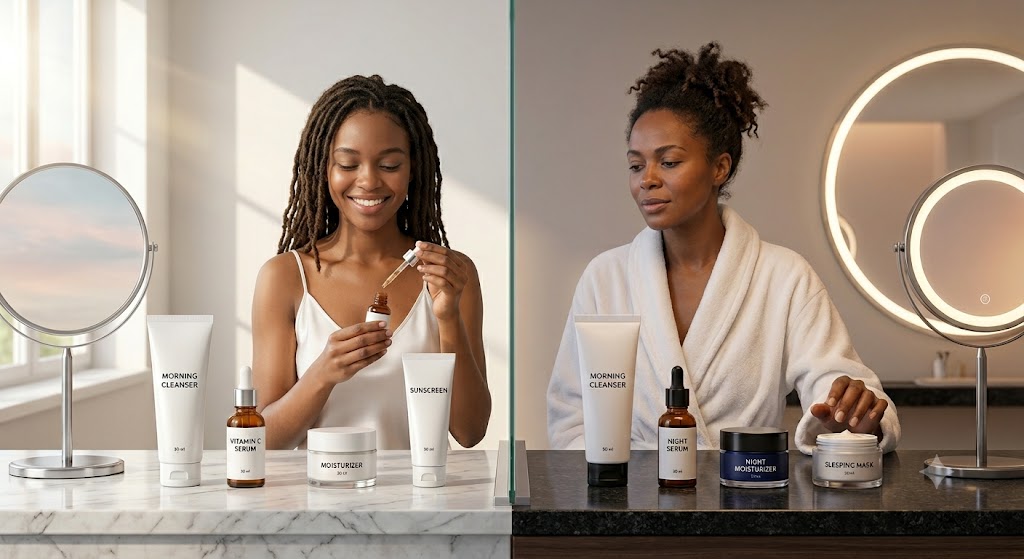
10. Using Day Moisturizer at Night
Day moisturizers often contain sunscreen and lightweight ingredients.
Night moisturizers are usually richer and designed to support overnight skin repair.
Using the correct product at the right time improves results.
If you only own one moisturizer, ensure it provides adequate hydration for both routines.
11. Forgetting Sunscreen During the Day
Many moisturizers do not contain sufficient SPF protection.
Even if your moisturizer includes SPF 15, dermatologists generally recommend SPF 30 or higher for daily protection.
Without sunscreen:
UV rays damage collagen.
Dark spots develop.
Wrinkles appear earlier.
Hyperpigmentation worsens.
Always finish your morning skincare routine with sunscreen.
12. Frequently Switching Moisturizers
Trying a new moisturizer every week makes it difficult to know what works.
Your skin often needs several weeks to adjust.
Constant product changes may lead to:
Irritation
Allergic reactions
Acne flare-ups
Unless a product is causing severe irritation, give it at least four weeks before deciding whether it suits your skin.
13. Sharing Your Face Moisturizer
Sharing skincare products can transfer:
Bacteria
Dirt
Oils
This increases the risk of:
Acne
Skin infections
Irritation
Always use your own skincare products.
14. Using Expired Moisturizer
Expired products lose effectiveness.
Some ingredients break down over time, while bacteria may grow inside old containers.
Check:
Expiration date
Period After Opening (PAO) symbol
Changes in smell
Color changes
Separation of ingredients
Discard products that appear spoiled.
15. Applying Moisturizer in the Wrong Order
Skincare products work best when layered correctly.
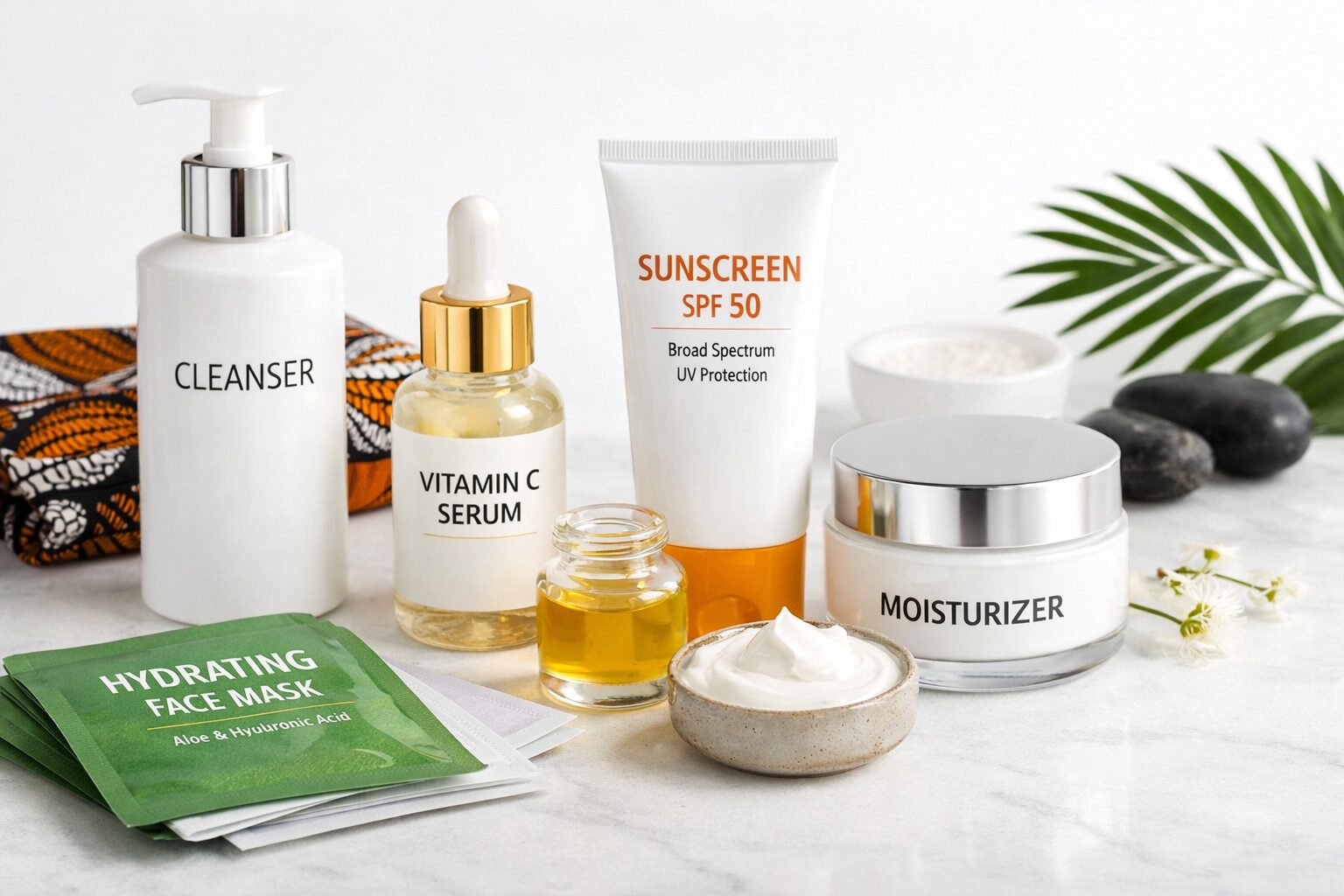
A basic routine should be:
Cleanser
Toner (optional)
Serum
Eye cream (optional)
Moisturizer
Sunscreen (morning)
Applying moisturizer before serums may reduce serum absorption.
16. Using Body Lotion on Your Face
Body lotions are formulated differently.
They often contain:
Heavier oils
Strong fragrances
Thick emollients
These ingredients may clog facial pores and trigger acne.
Always use products specifically designed for facial skin.
17. Ignoring Seasonal Changes
Your skin’s needs change throughout the year.
During rainy or humid seasons in Nigeria, lightweight moisturizers often work better.
During dry or dusty periods, richer creams may provide better protection.
Adjust your moisturizer according to weather conditions and your skin’s changing needs.
18. Applying Moisturizer with Dirty Hands
Your hands carry bacteria from everything you touch.
Applying moisturizer without washing your hands first may introduce germs to your face.
Before your skincare routine:
Wash your hands thoroughly.
Use clean towels.
Avoid touching your face unnecessarily.
19. Expecting Instant Results
Many people stop using a moisturizer after only a few days.
Healthy skin improvement takes time.
Consistent use over several weeks typically produces noticeable improvements in:
Hydration
Skin texture
Softness
Barrier strength
Patience is essential.
20. Ignoring Lifestyle Factors
Even the best moisturizer cannot compensate for poor lifestyle habits.
Healthy skin also depends on:
Drinking enough water
Eating nutrient-rich foods
Sleeping 7–9 hours nightly
Managing stress
Avoiding smoking
Limiting excessive alcohol consumption
Good skincare works best when combined with healthy daily habits.
How to Apply Face Moisturizer Correctly
For the best results:
Wash your face with a gentle cleanser.
Pat your skin until slightly damp.
Apply serum if needed.
Dispense a pea-sized amount of moisturizer.
Dot it across your forehead, cheeks, nose, and chin.
Gently massage using upward circular motions.
Extend application to your neck.
Finish with sunscreen during the day.
Consistency is more important than using large amounts of product.
Tips for Choosing the Best Face Moisturizer
When shopping for a moisturizer, consider:
Dry Skin
Ceramides
Shea Butter
Glycerin
Hyaluronic Acid
Oily Skin
Gel-based formulas
Oil-free products
Lightweight hydration
Sensitive Skin
Fragrance-free
Alcohol-free
Dermatologist-tested
Acne-Prone Skin
Non-comedogenic
Lightweight lotion
Niacinamide-containing moisturizers
Always patch-test a new product before applying it to your entire face.
Conclusion
Avoiding these common face moisturizer mistakescan dramatically improve your skin’s health and appearance. Something as simple as applying moisturizer to damp skin, choosing the right formula for your skin type, using sunscreen daily, and maintaining consistency can make a significant difference over time.
Healthy, glowing skin isn’t just about buying expensive products—it’s about using the right products correctly. By understanding your skin’s unique needs and avoiding habits that compromise your skin barrier, you’ll enjoy softer, smoother, and more resilient skin.
Whether you have oily, dry, combination, or sensitive skin, the right moisturizing routine can help prevent dryness, irritation, premature aging, and breakouts. Invest time in developing good skincare habits today, and your skin will reward you with lasting radiance.
Frequently Asked Questions (FAQs)
Can oily skin skip moisturizer?
No. Oily skin still needs hydration. Use a lightweight, oil-free, non-comedogenic moisturizer to maintain a healthy skin barrier.
How often should I moisturize my face?
Most people should moisturize twice daily—once in the morning and once at night, especially after cleansing.
Should I apply moisturizer before or after serum?
Apply moisturizer after serum. This helps seal in the serum’s active ingredients and reduce moisture loss.
Is it okay to use body lotion on my face?
No. Body lotions are often too heavy for facial skin and may clog pores or cause breakouts.
Can too much moisturizer cause acne?
Yes. Applying excessive amounts or using a formula that’s too rich for your skin type can clog pores and contribute to acne












 Get it on
  Download on the