Whether you’re shopping online, withdrawing cash from an ATM, or paying at a supermarket, having a Reliable ATM Card is essential for everyday banking. However, many people are unsure whether a debit card or a credit card is the better choice. Although both cards allow cashless payments, they work differently and serve different financial purposes. In this guide for debit and credit in banks we’ll compare cards, explain their advantages and disadvantages, and help you decide which option best fits your lifestyle.
What Is a Debit Card?
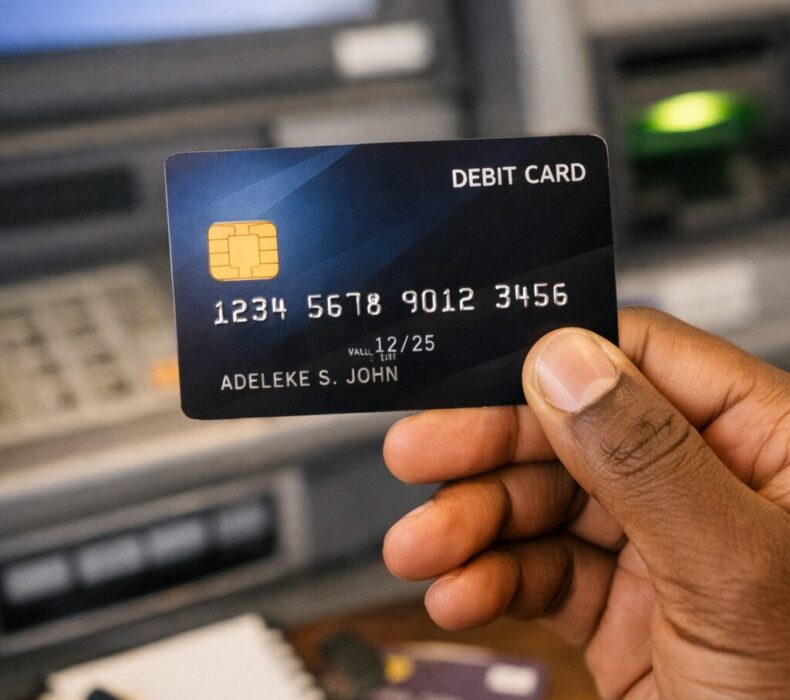
A debit card is linked directly to your bank account.
Whenever you make a purchase or withdraw cash, the money is deducted from your available account balance.
Debit cards are commonly used for:
ATM withdrawals
POS payments
Online shopping
Bill payments
Everyday spending
Because you spend only the money available in your account, debit cards can help you manage your finances more effectively.
What Is a Credit Card?
A credit card allows you to borrow money from your card issuer up to a specified credit limit.
Instead of using your own funds immediately, you repay the borrowed amount later, usually according to a monthly billing cycle.
Credit cards are commonly used for:
Large purchases
Online shopping
Travel expenses
Emergency spending
Business expenses
Responsible repayment is important because unpaid balances may attract interest charges.
Debit Card vs Credit Card: Key Differences
Source of Funds
Debit Card
Payments come directly from your bank account.
Credit Card
Payments are made using borrowed funds provided by the card issuer.
Spending Limits
Debit cards are generally limited by your available account balance.
Credit cards allow spending up to your approved credit limit.
Interest Charges
Debit card transactions do not normally incur borrowing interest because you are spending your own money.
Credit cards may attract interest if the outstanding balance is not paid according to the issuer’s terms.
Approval Process
Debit cards are usually issued when you open a bank account.
Credit cards may require additional eligibility checks and approval based on the issuer’s requirements.
Advantages of Debit Cards
For many Nigerians, a debit card remains the preferred Reliable ATM Card for everyday banking.
Better Spending Control
You can only spend the money available in your account.
This encourages responsible budgeting.
Easy ATM Withdrawals
Debit cards provide convenient access to cash through ATMs nationwide.
Lower Financial Risk
Since you are not borrowing money, there is no risk of accumulating debt from regular card usage.
Widely Accepted
Debit cards can be used at:
Supermarkets
Restaurants
Fuel stations
Pharmacies
Shopping malls
Online stores that accept card payments
Advantages of Credit Cards
Credit cards offer several unique benefits.
Flexible Payments
You can make purchases now and repay later according to your agreement with the card issuer.
Emergency Financial Support
Credit cards can provide temporary financial flexibility for unexpected expenses.
Travel Convenience
Many travelers use credit cards for hotel reservations, airline bookings, and international purchases.
Additional Rewards
Some card issuers provide benefits such as:
Cashback
Reward points
Travel perks
Shopping discounts
The availability of these benefits depends on the specific card provider.
Which Card Is Better for Everyday Use?
The answer depends on your financial goals and spending habits.
Choose a Debit Card If You Want:
Better budget control
Direct access to your money
Lower borrowing risk
Everyday spending convenience
A Reliable ATM Card for daily transactions
Choose a Credit Card If You Want:
Flexible payment options
Emergency purchasing power
Travel-related benefits
Reward programs
Access to a revolving credit facility
Tips for Choosing a Reliable ATM Card
When selecting a bank card, consider the following factors.
Security Features
Choose cards that offer:
EMV chip technology
Contactless payment security
Transaction alerts
Two-factor authentication where available
ATM Availability
Your bank should have an extensive ATM network to make cash withdrawals convenient.
Mobile Banking Integration
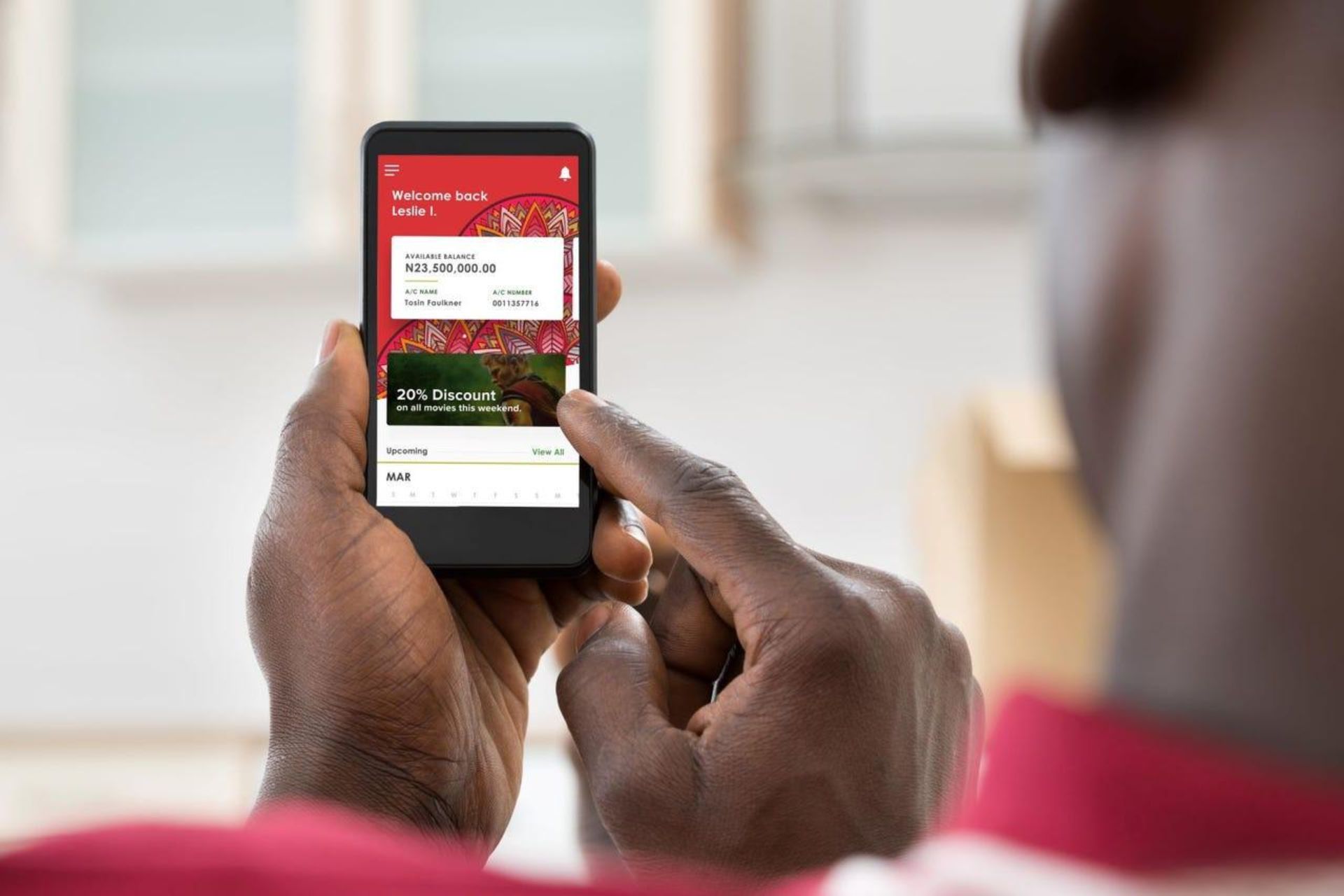
A good banking app allows you to:
Freeze your card
View transaction history
Set spending limits
Report lost cards quickly
Customer Support
Reliable customer service is essential if your card is lost, stolen, or compromised.
How to Keep Your Card Safe
Protect your debit or credit card by following these best practices.
Never Share Your PIN
Keep your PIN confidential at all times.
Enable Transaction Notifications
Instant alerts help you detect unauthorized transactions quickly.
Monitor Your Account Regularly
Review your account statements and transaction history frequently.
Report Lost Cards Immediately
Contact your bank without delay if your card is missing.
Avoid Suspicious Websites
Only use trusted websites when making online purchases.
Common Mistakes to Avoid
Many card users make avoidable errors, including:
Sharing card information
Using weak PINs
Ignoring account alerts
Delaying reports of suspicious transactions
Forgetting to review monthly statements
Developing safe banking habits helps protect your finances.
Frequently Asked Questions
Is a debit card the same as an ATM card?
Many modern debit cards function as ATM cards while also allowing POS and online payments.
Which card is safer for daily use?
Both debit and credit cards offer strong security features when issued by reputable financial institutions. Safe usage practices remain equally important.
Can I shop online with a debit card?
Yes. Many debit cards support online purchases where accepted by merchants.
Do I need a credit card for everyday spending?
Not necessarily. A debit card is sufficient for many people’s daily banking and shopping needs.
Which card is best for budgeting?
A debit card often makes budgeting easier because spending is limited to the available account balance.
Conclusion
Choosing between a debit card and a credit card depends on your financial needs, spending habits, and personal preferences. For most everyday transactions, a Reliable ATM Card in the form of a debit card offers convenience, security, and better spending control. On the other hand, a credit card can provide greater flexibility for larger purchases and emergency expenses when used responsibly. By understanding the strengths of each option, you can select the card that best supports your financial goals while enjoying secure and efficient banking.











 Get it on
  Download on the