When it comes to dealing with frequent power outages, many households and businesses face the important decision of choosing between a generator and an inverter. The generator vs inverter debate is especially relevant in Nigeria, where reliable electricity remains a challenge. While both options provide backup power, they differ significantly in operating costs, maintenance requirements, convenience, and long-term savings. Therefore, understanding these differences can help you make a smarter financial decision.
Understanding Generators
A generator produces electricity by converting fuel energy into electrical power. Most household generators in Nigeria run on petrol or diesel.
Advantages of Generators
High power output
Suitable for large appliances
Can run continuously with fuel
Lower initial purchase cost for smaller models
Furthermore, generators can power heavy-duty equipment such as air conditioners, pumping machines, and industrial tools.
Disadvantages of Generators
High fuel costs
Frequent maintenance requirements
Noise pollution
Air pollution and emissions
Rising operating expenses
Consequently, long-term ownership costs can become substantial.
Understanding Inverters
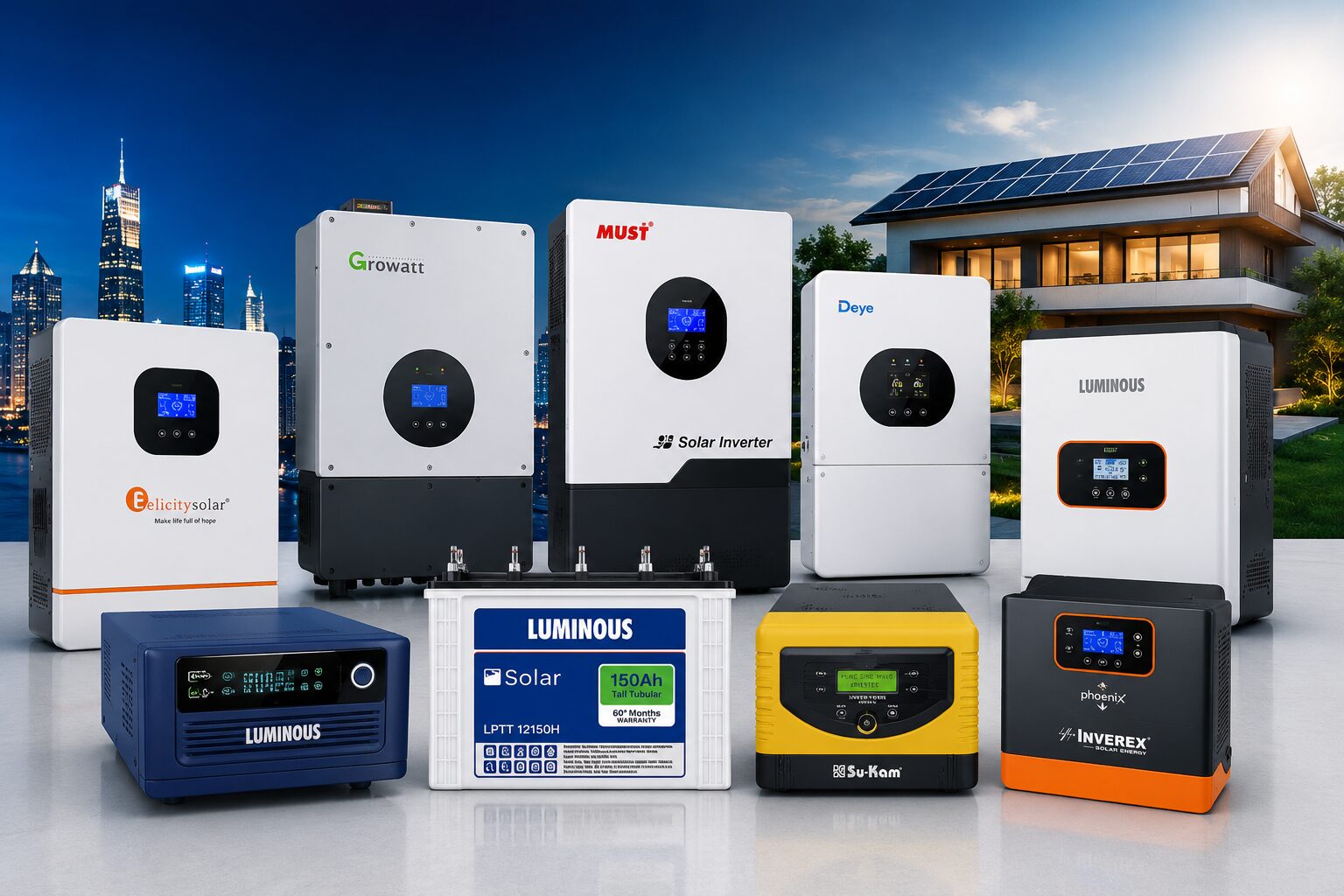
An inverter converts stored battery power into usable electricity for household appliances. Many modern systems can also integrate with solar panels.
Advantages of Inverters
Silent operation
No fuel consumption
Lower maintenance costs
Cleaner energy solution
Automatic switching during outages
Additionally, inverter systems provide stable power that is safer for sensitive electronics.
Disadvantages of Inverters
Higher initial installation cost
Limited backup duration based on battery capacity
Batteries require replacement after several years
However, these costs are often offset by long-term savings.
Generator vs Inverter: Initial Purchase Cost
One of the first considerations is upfront investment.
Generator Costs
Small generators generally cost less initially. Therefore, they are often attractive to buyers with limited budgets.
Typical expenses include:
Generator purchase
Fuel storage containers
Installation accessories
Inverter Costs
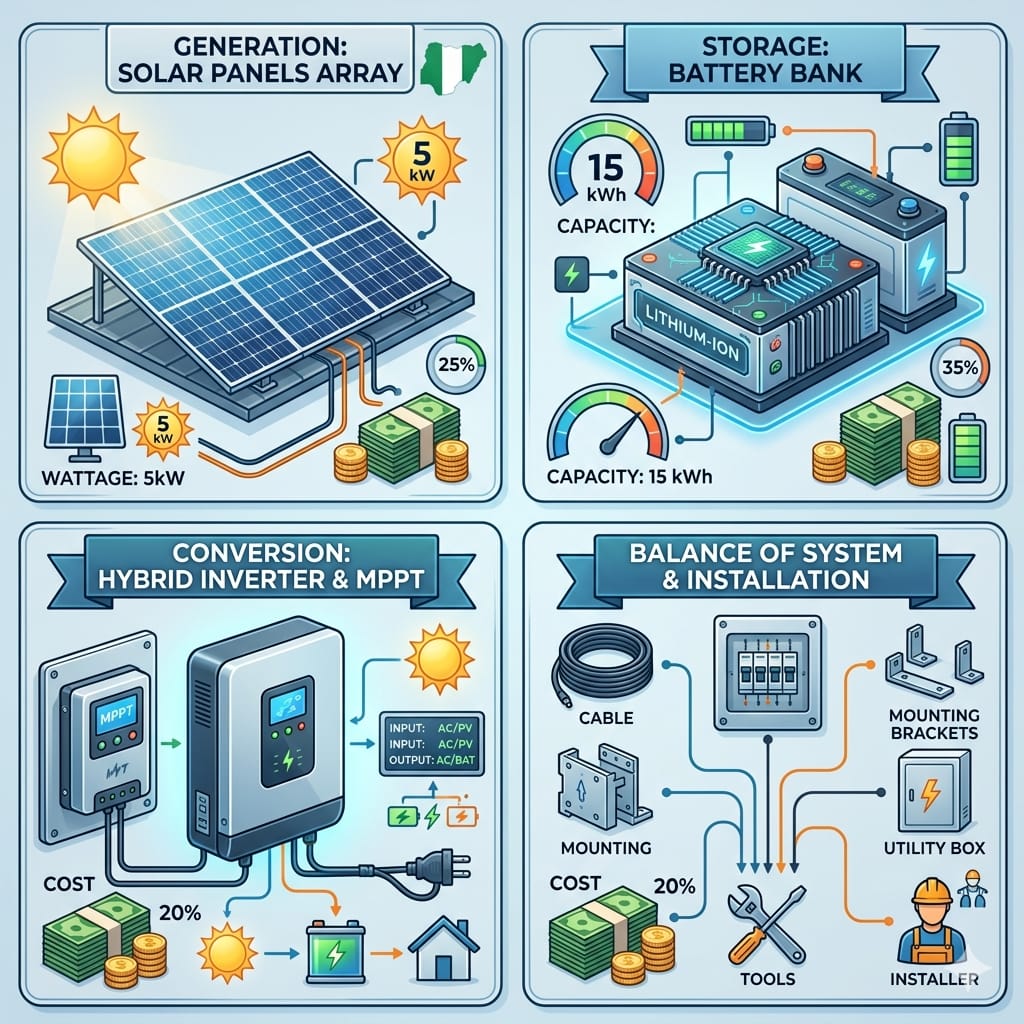
Inverter systems usually require:
Inverter unit
Batteries
Installation
Optional solar panels
As a result, the initial cost is generally higher than that of a generator.
Winner: Generator (Short-Term Cost)
Generator vs Inverter: Fuel Expenses
Fuel costs represent one of the largest ongoing expenses for generator owners.
Generator Fuel Costs
Generators consume fuel daily during power outages. Consequently:
Maintenance is another major factor affecting long-term affordability.
Generator Maintenance
Regular servicing often includes:
Oil changes
Spark plug replacement
Air filter cleaning
Engine repairs
Furthermore, neglected maintenance can reduce performance and lifespan.
Inverter Maintenance
Inverters generally require:
Occasional battery checks
Cleaning of connections
Software updates for advanced models
As a result, maintenance expenses are much lower.
Winner: Inverter
Generator vs Inverter: Noise Levels
Noise can significantly affect comfort at home.
Generator Noise
Generators often produce noticeable engine noise, especially larger models.
Therefore:
Sleep may be disrupted
Neighbors may be affected
Outdoor placement becomes necessary
Inverter Noise
Inverters operate almost silently.
Consequently, they are ideal for:
Apartments
Residential estates
Home offices
Winner: Inverter
Generator vs Inverter: Appliance Protection
Power quality matters when using expensive electronics.
Generator Power Output
Some generators may produce unstable voltage.
This can affect:
Smart TVs
Computers
Refrigerators
Home theater systems
Inverter Power Output
Pure sine wave inverters deliver cleaner and more stable electricity.
As a result, sensitive electronics receive better protection.
Winner: Inverter
Generator vs Inverter: Environmental Impact
Environmental concerns are becoming increasingly important.
Generator Emissions
Generators release:
Carbon monoxide
Carbon dioxide
Noise pollution
Consequently, they contribute to environmental challenges.
Inverter Sustainability
Inverters produce no direct emissions during operation.
Additionally, solar-compatible systems provide even greater environmental benefits.
Winner: Inverter
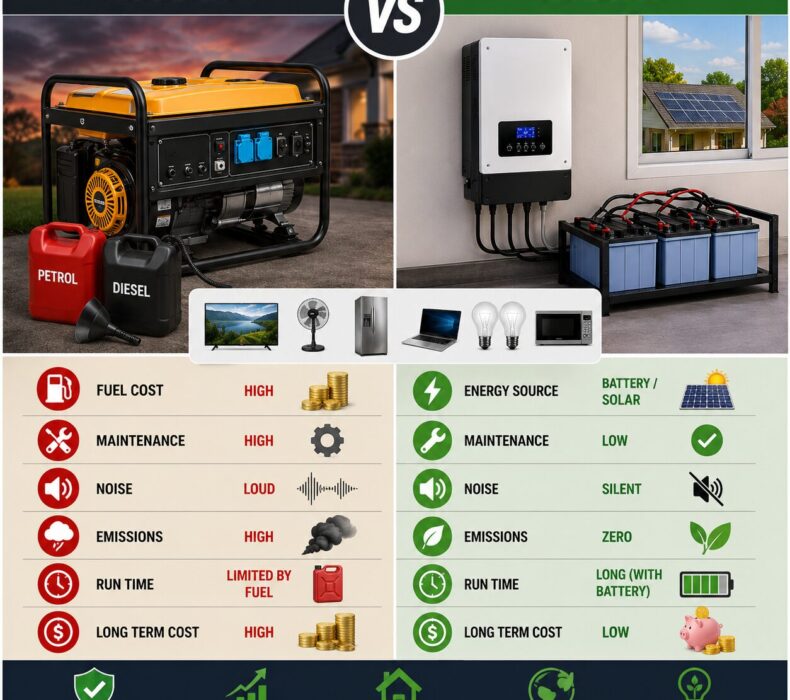
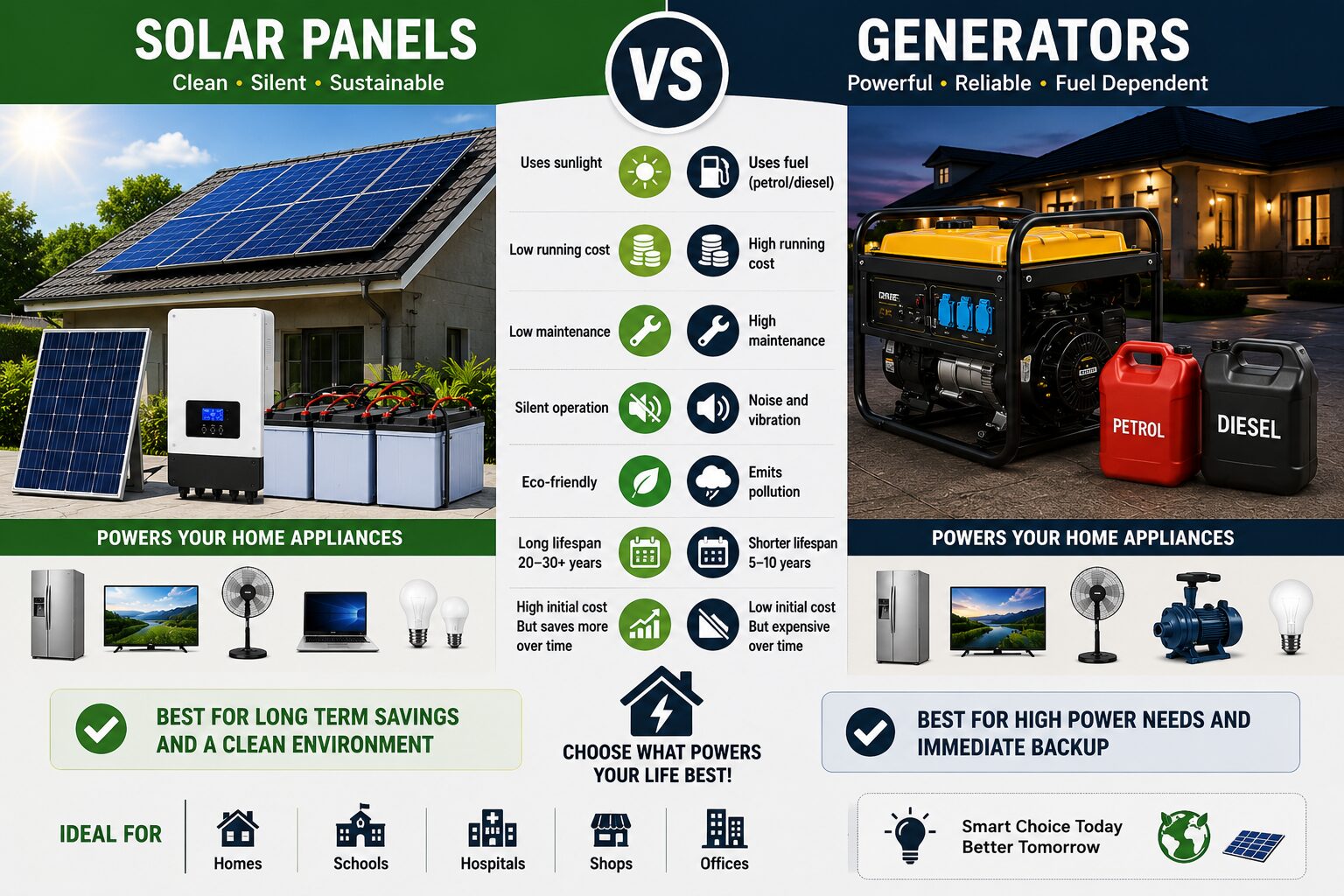
Long-Term Cost Comparison
The following comparison illustrates typical long-term expenses.
Cost Factor
Generator
Inverter
Initial Cost
Lower
Higher
Fuel Cost
High
Very Low
Maintenance
High
Low
Noise Level
High
Silent
Appliance Protection
Moderate
Excellent
Environmental Impact
Higher
Lower
Long-Term Savings
Lower
Higher
Therefore, while generators may cost less initially, inverters generally provide greater savings over several years.
When a Generator Makes Sense
A generator may be the better choice if:
You need high power output
You run heavy industrial equipment
Budget limitations prevent inverter installation
Long uninterrupted operation is required
However, fuel and maintenance expenses should still be considered.
When an Inverter Makes Sense
An inverter is often ideal when:
Lower operating costs are important
Quiet operation is preferred
Sensitive electronics need protection
Solar integration is desired
Long-term savings are a priority
Consequently, many Nigerian homeowners are increasingly choosing inverter systems.
Combining Both Systems
Some households use both generators and inverters.
For example:
The inverter handles daily outages.
The generator serves as backup during extended blackouts.
As a result, users enjoy the advantages of both technologies.
Conclusion
The generator vs inverter comparison reveals that although generators often have lower upfront costs, inverters typically save more money over time. Their lower operating expenses, reduced maintenance requirements, silent performance, and compatibility with solar energy make them an attractive long-term investment. Moreover, inverters provide cleaner power that helps protect valuable electronics while improving comfort at home. For most households seeking reliable and cost-effective backup power, an inverter system offers the better overall value.










 Get it on
  Download on the