






- Adaobi
- May 21, 2026
- No Comments
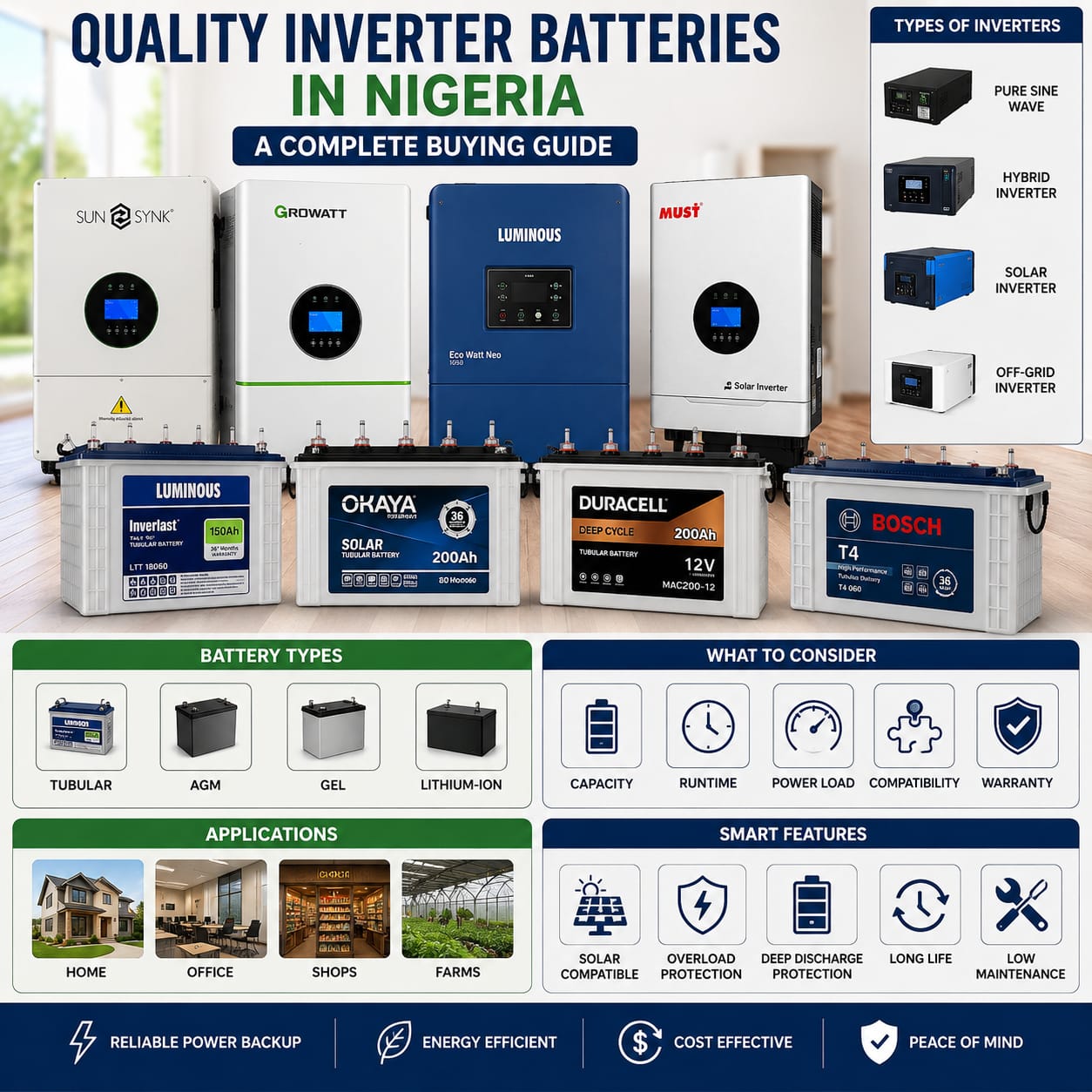
Nigeria’s inconsistent electricity supply has made inverters an essential part of modern living. From powering lights during outages to keeping appliances running smoothly, an inverter provides comfort, convenience, and peace of mind. However, choosing the right inverter for your home can feel confusing because there are many brands, capacities, and battery options available in the market.
Why Every Nigerian Home Needs an Inverter
Frequent blackouts affect daily activities, businesses, and even home security. As a result, many households now rely on backup power systems to maintain comfort and productivity.
An inverter offers several advantages:
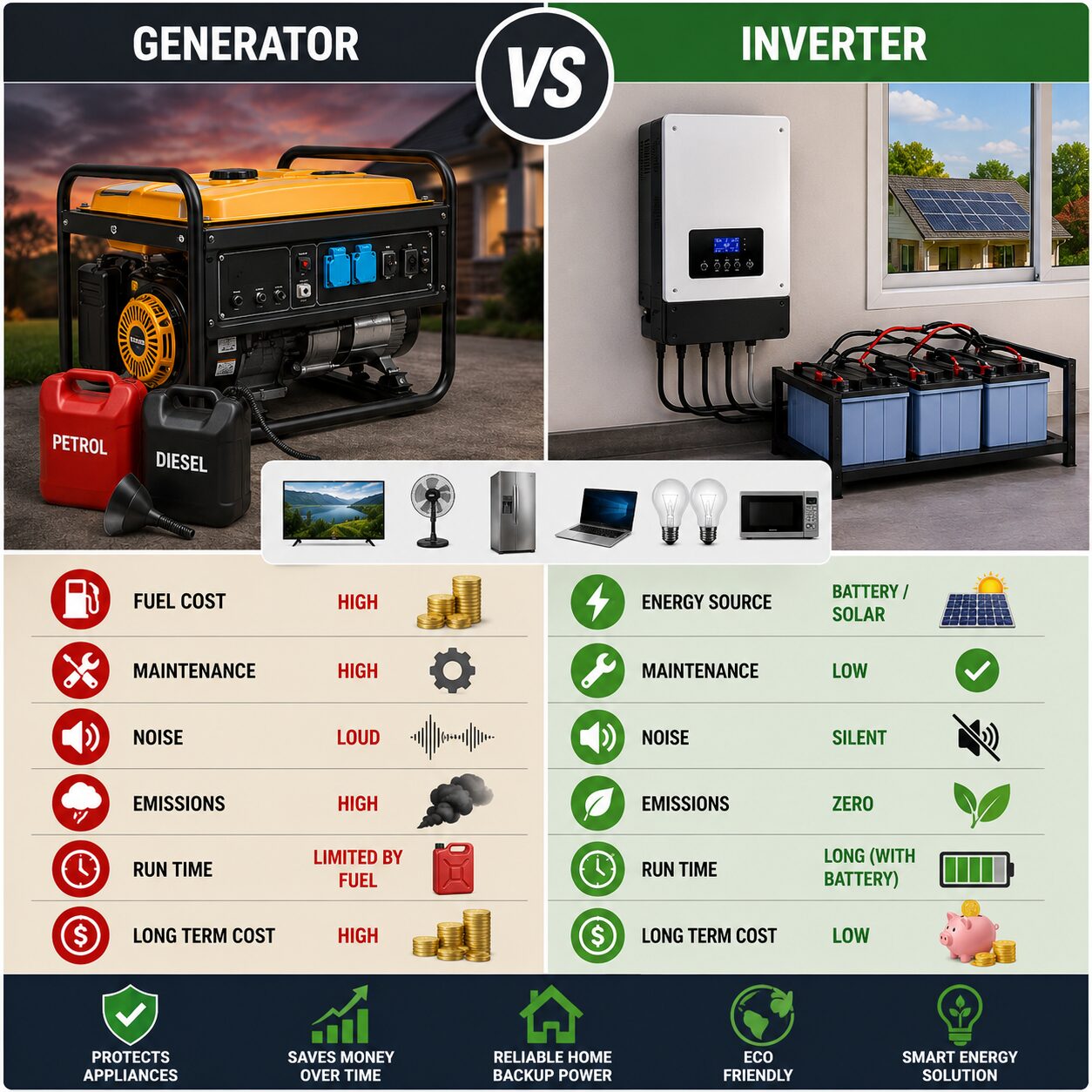
- Quiet operation compared to generators
- Lower fuel and maintenance costs
- Cleaner energy usage
- Safe power supply for electronics
- Better convenience during outages
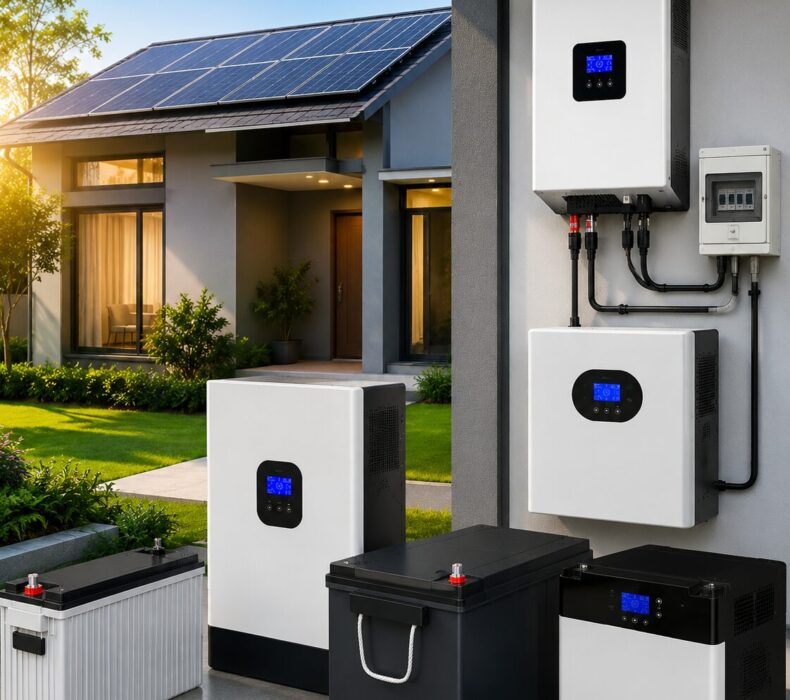
Additionally, modern inverter systems can work alongside solar panels, making them more energy-efficient and environmentally friendly.
Understand How Inverters Work
Before choosing a system, it helps to understand the basic function of an inverter.
An inverter converts direct current (DC) power stored in batteries into alternating current (AC) power used by household appliances. When electricity goes off, the inverter automatically switches to battery power.
The performance of the system depends on:
- Inverter capacity
- Battery quality
- Number of appliances connected
- Power consumption habits
Therefore, selecting the right combination is critical for long-lasting performance.
Determine Your Power Needs First
One of the biggest mistakes homeowners make is buying an inverter without calculating their energy requirements.
Start by listing appliances you want to power during outages.
Common Household Appliances and Estimated Wattage
| Appliance | Estimated Wattage |
|---|---|
| LED Bulb | 10W – 20W |
| Ceiling Fan | 70W – 100W |
| Television | 80W – 150W |
| Refrigerator | 150W – 300W |
| Laptop | 50W – 100W |
| Decoder/Wi-Fi Router | 20W – 40W |
| Air Conditioner | 1000W – 2000W |
Choose the Correct Inverter Capacity
Inverter capacity is measured in VA (Volt-Amperes) or kVA.
Choosing a capacity that is too small can overload the system. On the other hand, buying a very large inverter may increase costs unnecessarily.
Recommended Sizes for Homes
1. Small Apartments
A 1kVA inverter is suitable for:
- Lights
- Fans
- TV
- Small electronics
2. Medium-Sized Homes
A 1.5kVA to 2.5kVA inverter works well for:
- Refrigerators
- Multiple fans
- Entertainment systems
- Office equipment
3. Large Homes
A 3.5kVA and above system can support:
- Air conditioners
- Deep freezers
- Washing machines
- Larger electrical loads
Therefore, selecting the correct capacity improves efficiency and battery lifespan.
Understand the Different Types of Inverters
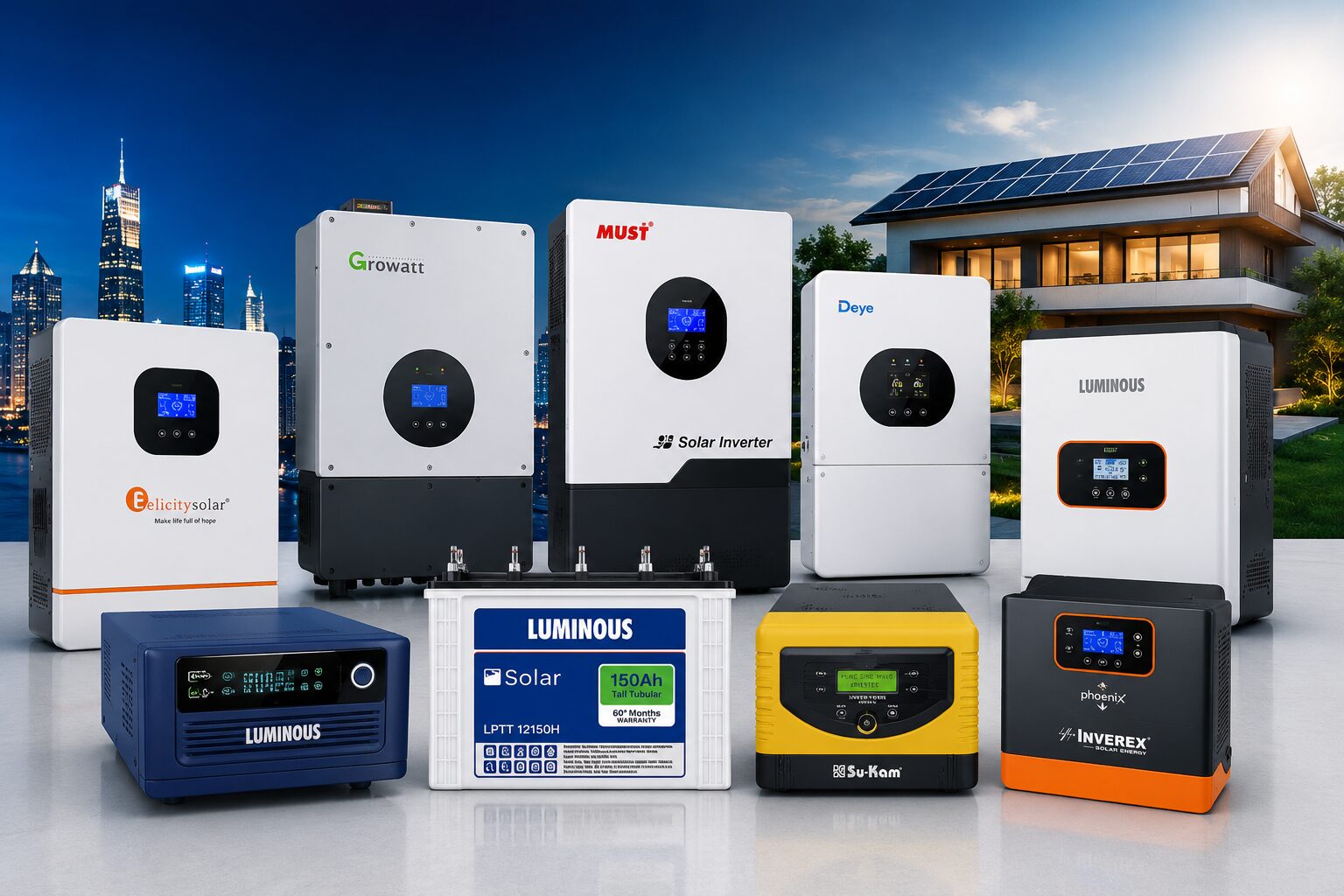
There are several inverter types available in Nigeria. Each one offers unique benefits.
Pure Sine Wave Inverter
A pure sine wave inverter produces clean and stable electricity similar to public power supply.
Advantages
- Safe for sensitive electronics
- Efficient performance
- Reduced appliance damage
- Better compatibility with modern devices
This option is highly recommended for homes.
Modified Sine Wave Inverter
This type is cheaper but less efficient.
Disadvantages
- Can damage sensitive appliances
- Produces more noise
- Lower performance quality
Although affordable, it may not be ideal for long-term residential use.
Select the Right Battery Type
The battery is the heart of an inverter system. Without a good battery, even the best inverter will perform poorly.
Tubular Batteries
Tubular batteries are widely preferred in Nigeria because they:
- Last longer
- Handle deep discharge better
- Perform well in hot weather
- Require less maintenance
They are ideal for frequent power outages.
Lithium Batteries
Lithium batteries are modern and highly efficient.
Benefits
- Faster charging
- Longer lifespan
- Lightweight design
- Better energy efficiency
However, they are more expensive than tubular batteries.
Consider Battery Capacity
Battery capacity determines how long your inverter can run during outages.
It is measured in Ah (Ampere-hours).
General Guide
- 100Ah – Basic backup needs
- 150Ah – Moderate usage
- 200Ah and above – Longer backup duration
A larger battery generally provides extended power supply.
Check Charging Speed and Efficiency
Nigeria’s electricity supply can be unpredictable. Therefore, fast charging capability is extremely important.
An inverter with:
- High charging efficiency
- Smart charging technology
- Overcharge protection
will perform better during unstable electricity conditions.
Additionally, efficient systems reduce energy waste and improve battery health.
Look for Safety Features
Safety should never be ignored when buying an inverter.
Important protection features include:
- Overload protection
- Short circuit protection
- Automatic shutdown
- Battery deep discharge protection
- Temperature control
These features help prevent accidents and extend equipment lifespan.
Solar Compatibility Matters
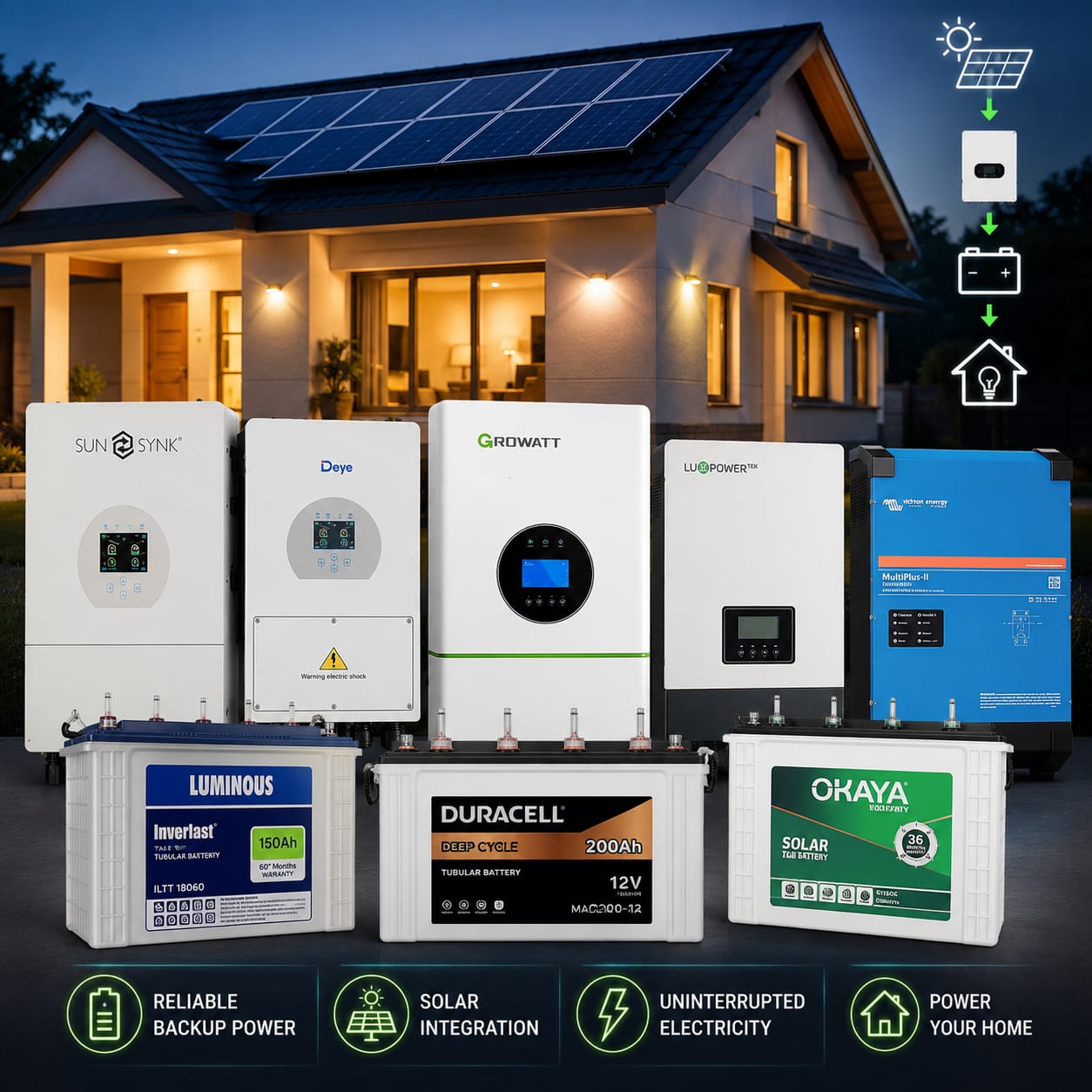
Many Nigerians now combine solar panels with inverter systems to reduce electricity bills and generator dependence.
A solar-compatible inverter can:
- Store solar energy
- Reduce fuel costs
- Improve energy independence
- Provide cleaner electricity
Consequently, investing in a hybrid inverter may offer long-term benefits.
Common Mistakes to Avoid
Many homeowners make costly errors when buying inverter systems.
- Ignoring power calculations
- Buying low-quality batteries
- Overloading the inverter
- Choosing the cheapest option only
- Skipping professional installation
- Neglecting maintenance
Avoiding these mistakes improves reliability and saves money over time.
Maintenance Tips for Longer Lifespan
- Keep batteries in a ventilated area
- Avoid excessive overloading
- Clean battery terminals regularly
- Check connections periodically
- Replace weak batteries early
Consistent maintenance improves efficiency and prevents unexpected failures.
Budget Planning Before Purchase
Inverter prices in Nigeria vary depending on:
- Capacity
- Battery type
- Brand
- Installation requirements
Conclusion
Choosing the right inverter for your home in Nigeria requires careful planning. Understanding your energy needs, selecting the proper capacity, and investing in quality batteries are essential steps toward reliable backup power.
With the right information, homeowners can confidently invest in an inverter system that delivers dependable power for years.


 Get it on
  Download on the