






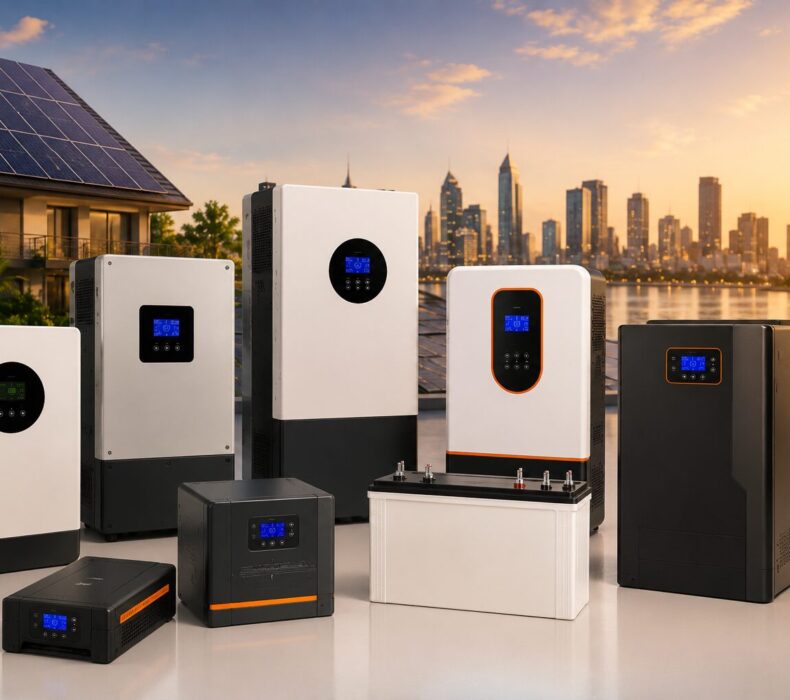
Nigeria’s growing demand for stable electricity has pushed more homes and businesses toward alternative power solutions. Frequent blackouts, rising fuel prices, and increasing electricity tariffs have made traditional generators less attractive. As a result, solar inverter systems are becoming the preferred option for reliable and cost-effective power.
In 2026, more Nigerians are embracing solar energy because it offers long-term savings, environmental benefits, and uninterrupted electricity. From small apartments to large commercial buildings, solar inverter systems are transforming how people power their daily activities.
Rising Fuel Prices Are Driving Demand
One of the biggest reasons Nigerians are switching to solar inverters in 2026 is the rising cost of petrol and diesel.
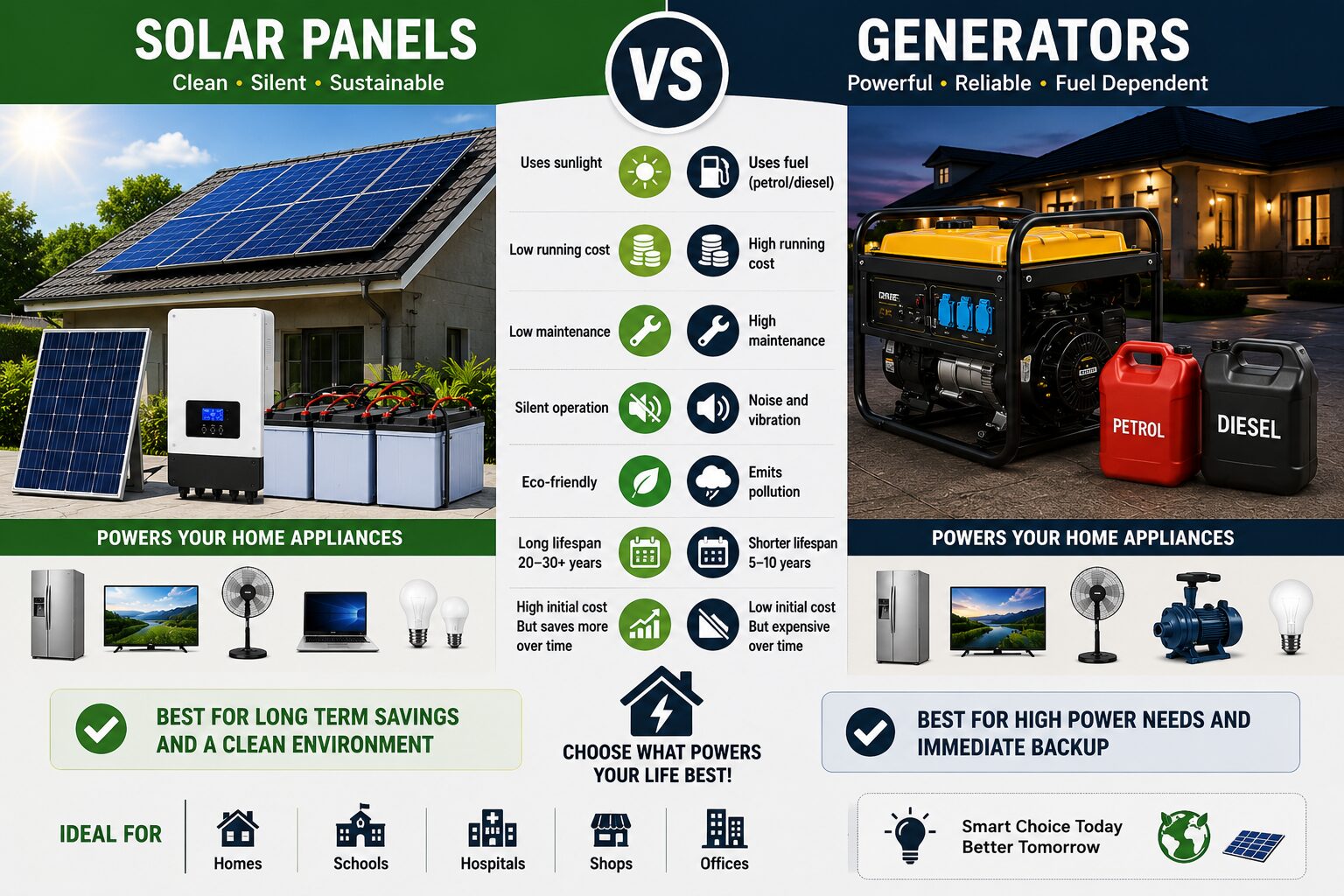
Generators require regular fuel purchases, which can become very expensive over time. Businesses that rely heavily on generators often spend a large portion of their income on fuel and maintenance.
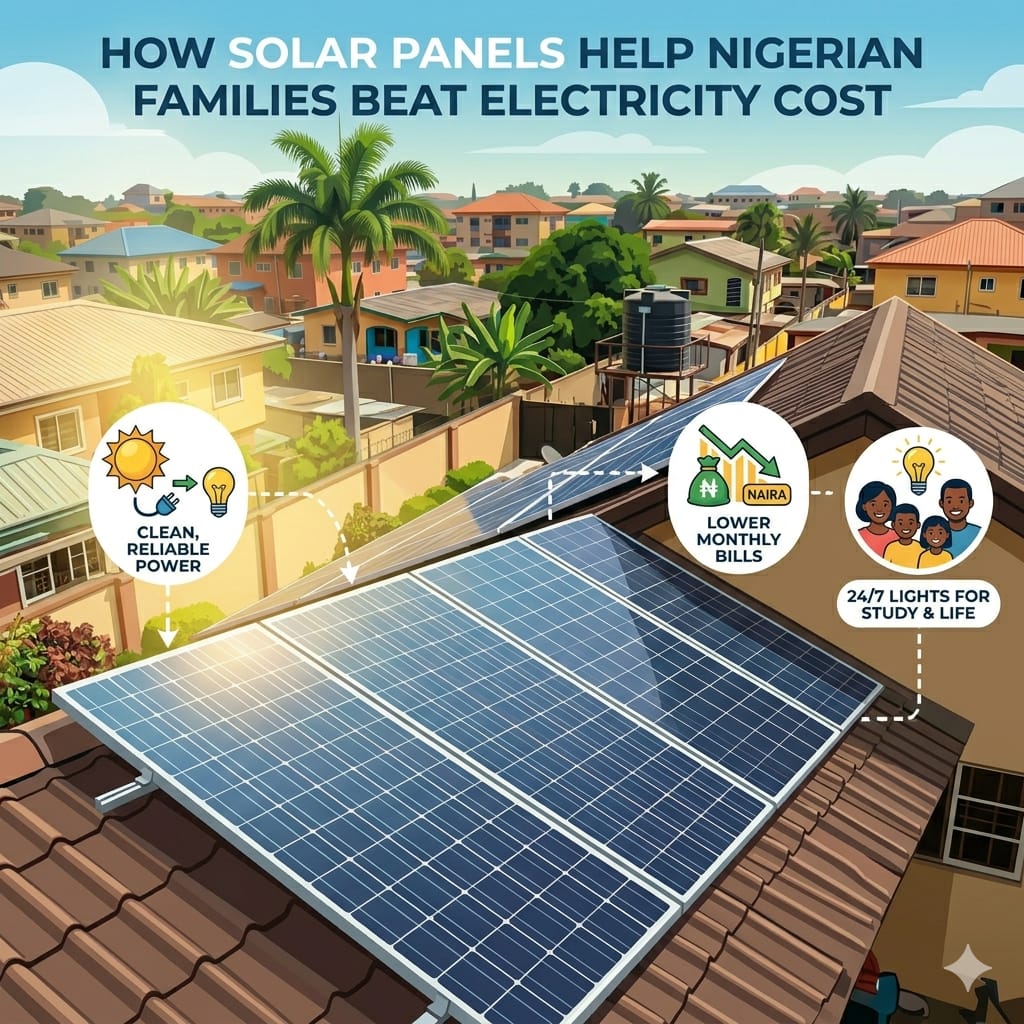
Solar inverter systems help reduce these costs significantly. Once installed, solar energy from the sun is free. This allows users to save money while enjoying reliable electricity.
For many families and businesses, switching to solar power is now a smart financial decision.
Nigerians Want Quieter Power Solutions
Generators are often noisy and disruptive, especially in residential areas. The constant sound of generators can affect sleep, concentration, and overall comfort.
Solar inverter systems operate silently. This makes them ideal for:
- Homes
- Offices
- Schools
- Hospitals
- Churches
- Hotels
Many Nigerians now prefer quiet power solutions that improve comfort and productivity.
Solar Inverters Reduce Electricity Bills
Electricity tariffs continue to rise across Nigeria, placing additional financial pressure on households and businesses.
Solar inverter systems reduce dependence on public electricity by generating power directly from sunlight. Users can significantly lower their monthly electricity expenses.
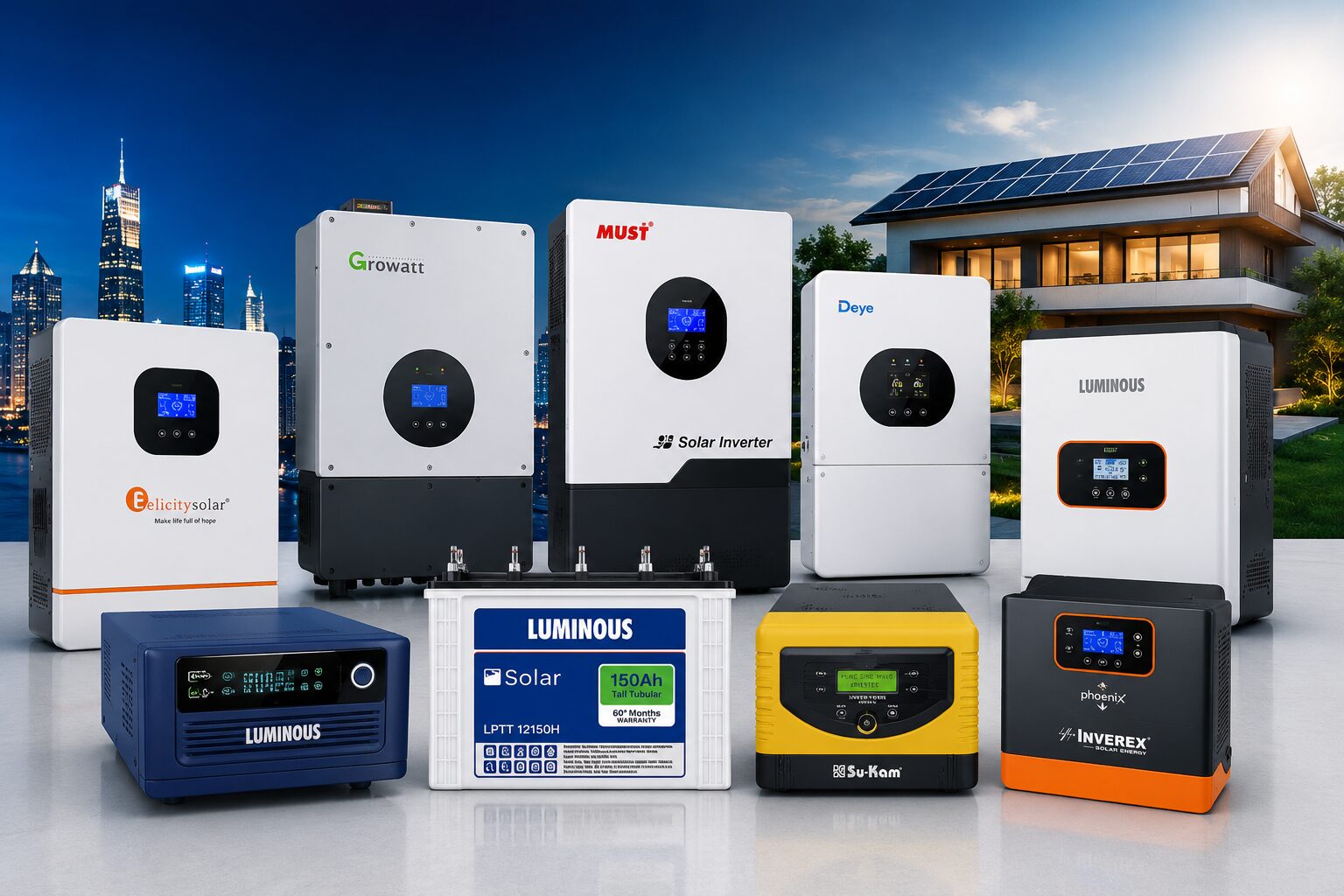
Many homeowners are now combining solar systems with existing inverter setups to reduce energy costs and improve power availability.
Increased Awareness of Renewable Energy
More Nigerians are becoming aware of the benefits of renewable energy.
Social media, online education, and government discussions about clean energy have encouraged people to consider solar power solutions.
Renewable energy offers several advantages:
- Reduced pollution
- Sustainable energy generation
- Lower operating costs
- Reduced carbon emissions
- Energy independence
This increased awareness has contributed to the rapid growth of solar inverter adoption in Nigeria.
Solar Inverters Offer Reliable Power Supply
Power outages can disrupt business operations, online work, and household activities.
Many Nigerians now work remotely, run online businesses, or depend on internet connectivity for daily tasks. Reliable electricity is essential for:
- Internet routers
- Computers
- Refrigerators
- Security systems
- Medical equipment
- Air conditioning
Solar inverter systems provide dependable backup power, helping users stay productive even during blackouts.
Businesses Are Investing in Solar Energy
Businesses across Nigeria are increasingly investing in solar inverter systems to reduce operational costs.
Restaurants, salons, supermarkets, offices, and retail stores require uninterrupted electricity to serve customers effectively.
Solar energy helps businesses:
- Reduce fuel expenses
- Improve productivity
- Avoid downtime
- Protect sensitive equipment
- Improve customer satisfaction
Many companies now view solar power as a long-term investment rather than an optional luxury.
Improved Solar Technology in 2026
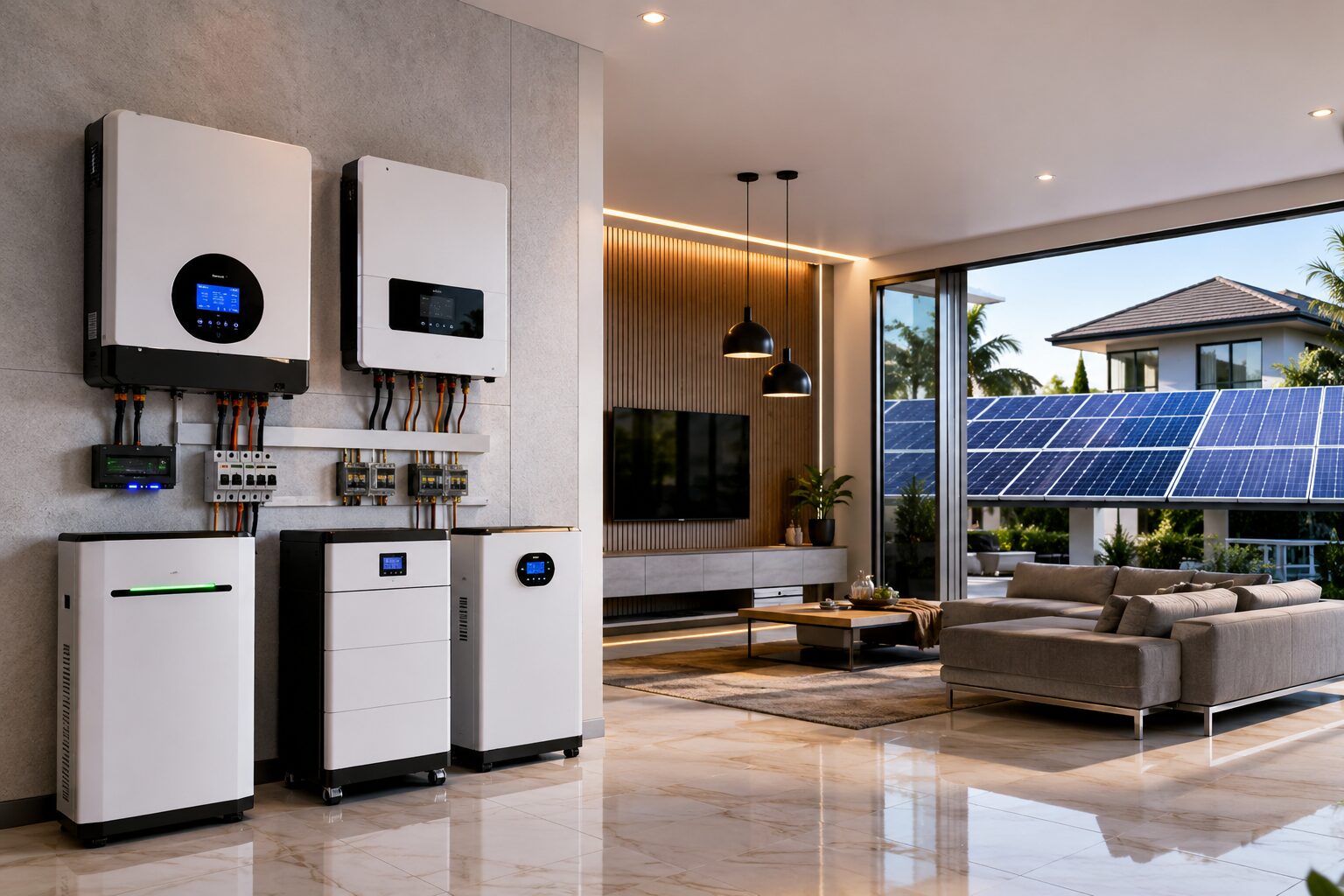
Advancements in solar technology have made modern inverter systems more efficient and affordable.
Today’s solar inverters offer:
- Faster charging
- Better battery performance
- Smart monitoring systems
- Longer lifespan
- Higher energy efficiency
Lithium battery technology has also improved significantly, allowing users to enjoy longer backup time and faster charging.
Modern solar systems are now more practical and accessible for Nigerian households.
Solar Inverters Require Less Maintenance
Generators require constant servicing, oil changes, and repairs.
In contrast, solar inverter systems require minimal maintenance. Once installed properly, the system can operate efficiently for many years with routine cleaning and occasional inspections.
This low maintenance requirement makes solar power more attractive for busy homeowners and businesses.
Solar Energy Supports Environmental Sustainability
Environmental concerns are encouraging more people to adopt cleaner energy solutions.
Fuel generators release harmful smoke and carbon emissions that contribute to pollution.
Solar inverter systems produce clean energy without harmful emissions. This helps improve air quality and supports environmental sustainability.
Many Nigerians now prefer eco-friendly solutions that reduce their environmental impact.
Solar Inverters Increase Property Value
Properties with installed solar inverter systems are becoming more attractive to buyers and tenants.
Reliable electricity is now considered an important feature in residential and commercial properties.
A well-installed solar system can increase:
- Property value
- Rental appeal
- Business attractiveness
- Tenant satisfaction
Property owners are increasingly investing in solar solutions to improve their buildings.
Government and Private Sector Support
Renewable energy initiatives from government agencies and private organizations have encouraged solar adoption.
Several financing options and awareness programs now help Nigerians access solar energy solutions more easily.
Banks and solar companies are also introducing flexible payment plans that make solar installations more affordable.
This support has accelerated the growth of solar inverter systems across the country.
Best Places to Install Solar Inverter Systems
Solar inverter systems can be installed in various environments, including:
Residential Homes
Homeowners use solar systems for lighting, refrigeration, televisions, and air conditioning.
Offices
Businesses depend on solar power for computers, networking equipment, and operational continuity.
Retail Shops
Retail stores use solar energy to reduce downtime and maintain customer service.
Schools and Churches
Educational institutions and worship centers benefit from reliable and quiet electricity.
Hotels and Hospitality Businesses
Hotels require uninterrupted power to maintain guest comfort and operational efficiency.
Conclusion
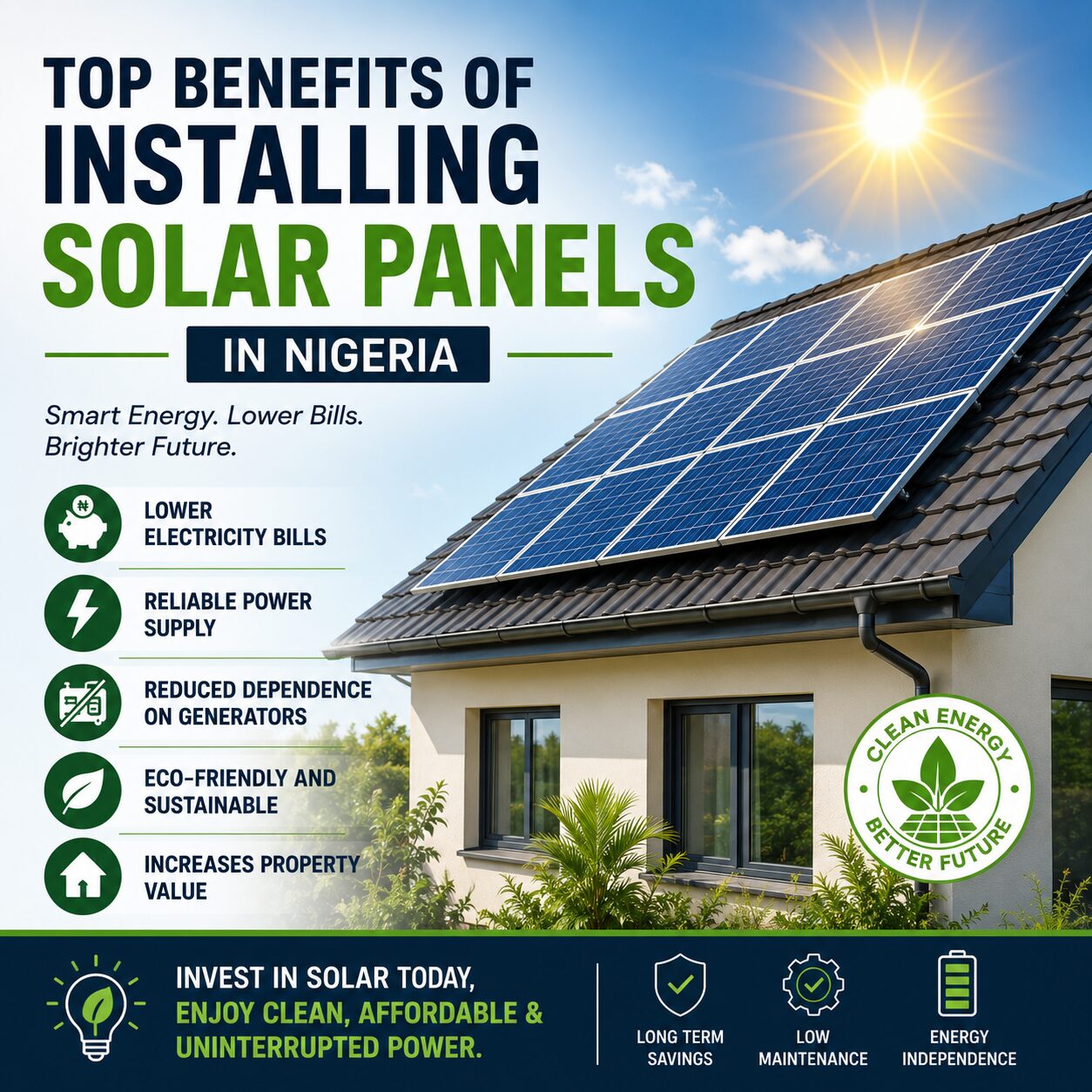
The shift toward solar inverter systems in Nigeria continues to grow in 2026 because of rising fuel prices, unreliable electricity, and increasing awareness of renewable energy.
Solar power offers long-term savings, quiet operation, low maintenance, and environmental benefits. Homes and businesses across Nigeria are embracing solar technology to improve comfort, productivity, and energy independence.
As Nigeria continues to adopt cleaner and more efficient energy solutions, solar inverter systems will remain one of the smartest investments for homes and businesses.



 Get it on
  Download on the