





Introduction
Cleanliness is no longer enough.
Today, businesses must go a step further and ensure proper disinfection. Germs, bacteria, and viruses can spread quickly in shared environments. Because of this, choosing the right disinfectant is now a critical decision.
However, many businesses make costly mistakes. They either choose the wrong product or use the right product incorrectly.
As a result, they face:
- Poor hygiene outcomes
- Health risks
- Wasted money
The good news?
Choosing the right disinfectant is not complicated when you understand what to look for.
In this guide, you will learn how to select the best disinfectant for your business, based on your needs, industry, and budget.
🧠 Why Disinfectants Matter in Business
First, let’s understand the role of disinfectants.
Cleaning removes dirt.
Disinfecting kills harmful microorganisms.
Why this matters:
- Prevents illness
- Protects staff and customers
- Improves workplace safety
- Builds trust
👉 In short, disinfection is essential for modern businesses.
🏢 Step 1: Identify Your Business Type
Not all businesses need the same disinfectant.
Your industry determines what you should use.
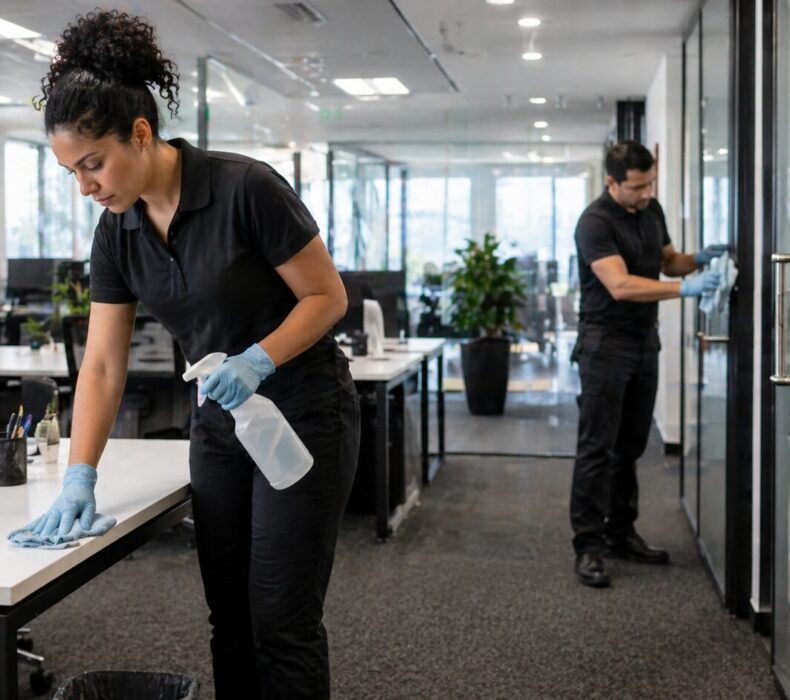
🏢 Offices
- Moderate foot traffic
- Focus on desks, door handles, and shared spaces
👉 Use general-purpose disinfectants.
🏨 Hotels
- High customer turnover
- Frequent surface contact
👉 Use fast-acting, surface-safe disinfectants.
🏥 Hospitals
- High-risk environment
- Strict hygiene requirements
👉 Use hospital-grade disinfectants.
🏭 Industrial Facilities
- Heavy dirt and contamination
👉 Use strong, industrial disinfectants.
⚙️ Step 2: Understand Types of Disinfectants
Different disinfectants serve different purposes.
🧴 1. Alcohol-Based Disinfectants
Features:
- Fast-acting
- Effective against many germs
Best for:
- Small surfaces
- Electronics
👉 Good for quick cleaning.
🧪 2. Chlorine-Based Disinfectants
Features:
- Very powerful
- Kills a wide range of microorganisms
Best for:
- Hospitals
- High-risk areas
👉 Use carefully due to strong nature.
🌿 3. Quaternary Ammonium Compounds (Quats)
Features:
- Effective and widely used
- Safe for many surfaces
Best for:
- Offices
- Hotels
👉 A balanced option.
🧼 4. Hydrogen Peroxide-Based Disinfectants
Features:
- Eco-friendly
- Leaves no residue
Best for:
- Sensitive environments
👉 Great for sustainability.
⚡ Step 3: Check Effectiveness
Not all disinfectants kill the same germs.
Before buying, check:
- Bacteria coverage
- Virus effectiveness
- Fungus control
👉 Always choose a product that meets your hygiene needs.
⏱️ Step 4: Consider Contact Time
Contact time is how long a disinfectant must stay on a surface to work.
Example:
- Some products work in 30 seconds
- Others need several minutes
👉 Faster contact time improves efficiency.
🧼 Step 5: Surface Compatibility
Some disinfectants can damage surfaces.
Risks include:
- Corrosion
- Discoloration
- Material damage
👉 Always check if the product is safe for your surfaces.
🧤 Step 6: Safety and Health Considerations
Safety is very important.
Look for:
- Non-toxic formulations
- Low odor
- Safe handling instructions
👉 Protect both staff and customers.
🌍 Step 7: Environmental Impact
Many businesses now prefer eco-friendly products.
Benefits:
- Safer for the environment
- Better for brand image
- Reduced chemical exposure
👉 Green cleaning is growing in importance.
💰 Step 8: Cost vs Value
Do not choose based on price alone.
Cheap disinfectants:
- Lower cost
- May require more usage
Quality disinfectants:
- Higher cost
- Better performance
- Lower long-term cost
👉 Always compare cost per use.
🏢 Real-World Insight
Professional companies take disinfectants seriously.
For example:
Cleaneat Integrated Services selects disinfectants based on:
- Surface type
- Cleaning frequency
- Health standards
Also, NeatSpace Cleaning Company uses different disinfectants for different environments.
Suppliers like Neatstore help businesses choose reliable and effective products.
👉 This ensures consistent results.
📊 Step 9: Ease of Use
A good disinfectant should be easy to use.
Consider:
- Spray bottles
- Ready-to-use formulas
- Concentrates
👉 Simplicity improves efficiency.
⚠️ Common Mistakes to Avoid
Avoid these mistakes:
- Using one disinfectant for everything
- Ignoring instructions
- Mixing chemicals
- Choosing based on price only
👉 These mistakes can be dangerous.
🔐 Step 10: Storage and Shelf Life
Proper storage is important.
Check:
- Expiry date
- Storage conditions
- Packaging quality
👉 This ensures effectiveness.
📈 Step 11: Compliance and Standards
Some industries require specific standards.
Make sure your disinfectant meets:
- Health regulations
- Industry guidelines
👉 Compliance protects your business.
🧾 Conclusion
Choosing the right disinfectant is not just about cleaning—it is about safety, efficiency, and professionalism.
If you choose wisely, you will:
- Protect your workplace
- Improve hygiene
- Save money
If you choose poorly, you risk:
- Health issues
- Damage to surfaces
- Wasted resources
👉 The key is simple:
- Understand your needs
- Choose the right type
- Focus on safety and quality
- Work with trusted suppliers
Related Posts:



 Get it on
  Download on the