How AI and Automation Are Transforming Cleaning Services

How AI and Automation Are Transforming Cleaning Services

๐Ÿค– How AI and Automation Are Transforming Cleaning Services

Introduction

The cleaning industry is undergoing a major transformation. What was once considered a labor-intensive and manual service is now evolving into a technology-driven sector powered by artificial intelligence (AI) and automation.

From robotic vacuum cleaners to smart scheduling systems, AI is reshaping how cleaning services are delivered across offices, hospitals, hotels, and industrial facilities.

In cities like Lagos and across Nigeria, where demand for professional cleaning services continues to grow, businesses are beginning to adopt smarter, faster, and more efficient cleaning solutions.

This article explores how AI and automation are transforming cleaning services, the benefits of adopting these technologies, and what it means for businesses, cleaning companies, and facility managers.


๐Ÿง  1. Understanding AI in Cleaning Services

Artificial Intelligence (AI) refers to machines that can perform tasks that normally require human intelligence.

In cleaning services, AI is used to:

  • Automate repetitive cleaning tasks
  • Optimize cleaning schedules
  • Monitor cleanliness levels
  • Improve operational efficiency

๐Ÿ‘‰ AI does not replace humansโ€”it enhances their productivity.


โš™๏ธ 2. Rise of Robotic Cleaning Machines

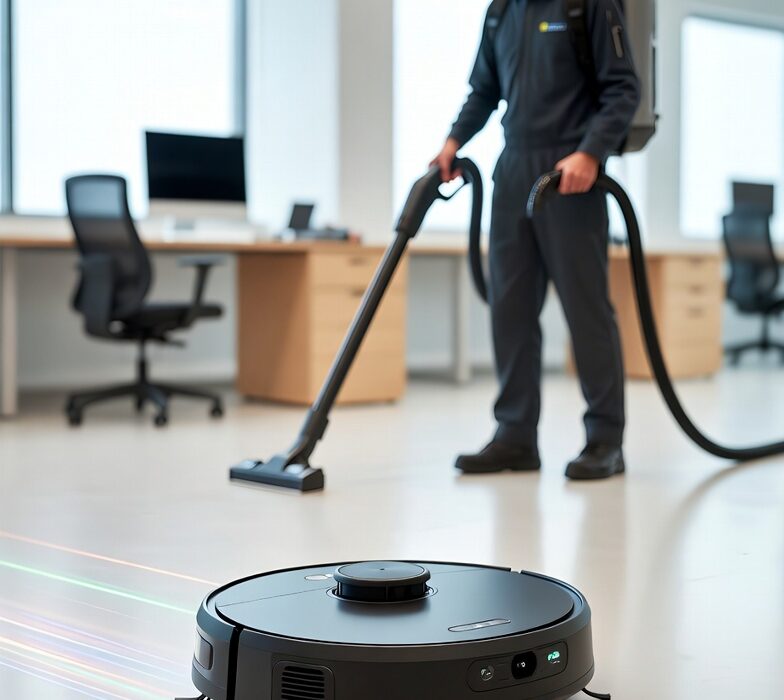
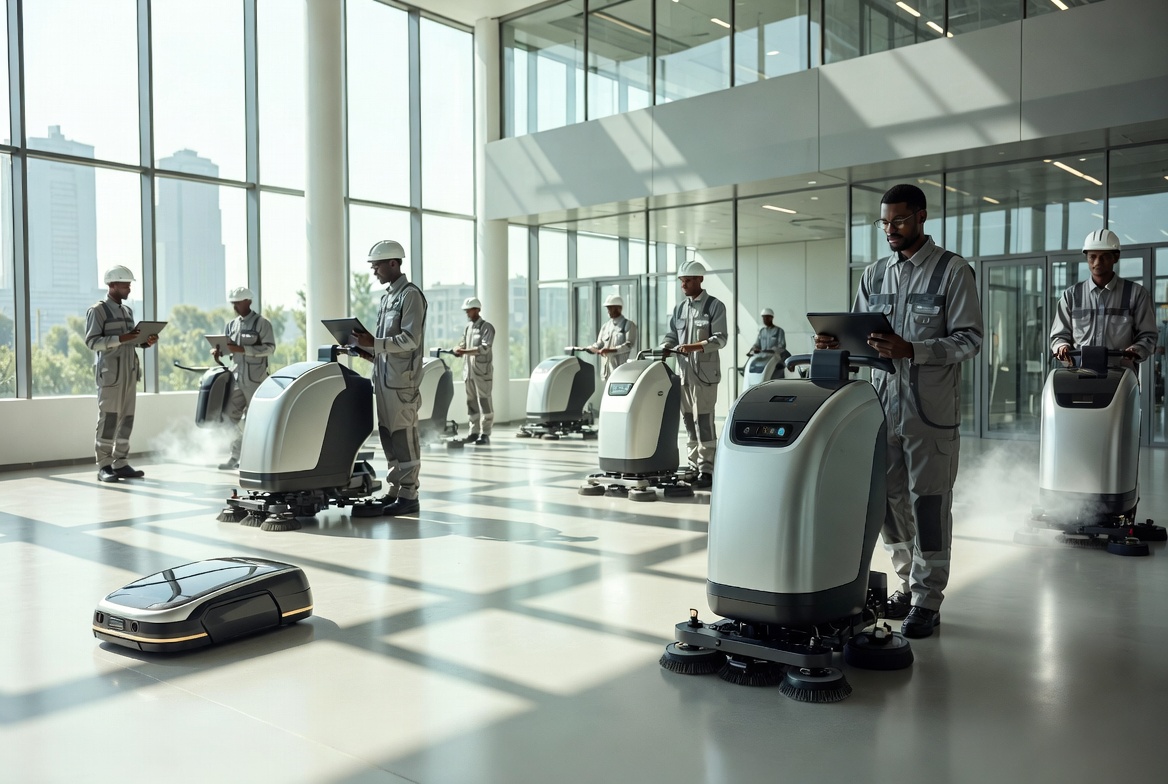
One of the most visible impacts of AI in the cleaning industry is the introduction of robotic cleaning equipment.

Examples include:

  • Robotic vacuum cleaners
  • Autonomous floor scrubbers
  • Smart window cleaning robots

Benefits of robotic cleaning machines:

  • Operate without constant supervision
  • Provide consistent cleaning results
  • Reduce labor costs
  • Work in large spaces efficiently

๐Ÿ‘‰ These machines are becoming popular in airports, malls, and corporate offices.


๐Ÿข 3. Smart Cleaning in Commercial Spaces

AI-powered systems are transforming commercial cleaning operations.

How it works:

Sensors and data systems track:

  • Foot traffic
  • Dirt levels
  • Usage patterns

This allows cleaning to be done only when necessary, rather than on fixed schedules.

Result:

  • Reduced waste of time and resources
  • Improved cleanliness standards
  • Better allocation of cleaning staff

๐Ÿ‘‰ This is known as data-driven cleaning.


๐Ÿ“Š 4. Predictive Maintenance for Cleaning Equipment

AI is also improving how cleaning equipment is maintained.

Traditional method:

Machines are repaired only after they break down.

AI-driven method:

Machines predict when they need maintenance.

Benefits:

  • Reduced downtime
  • Lower repair costs
  • Longer equipment lifespan

๐Ÿ‘‰ This is especially useful for companies using industrial cleaning equipment.


๐Ÿ“ฑ 5. Automation in Scheduling and Workforce Management

Cleaning companies are now using AI-powered software to manage operations.

Features include:

  • Automated scheduling
  • Staff tracking
  • Job allocation
  • Performance monitoring

Impact:

  • Improved efficiency
  • Reduced human error
  • Better customer service

๐Ÿ‘‰ Companies like Cleaneat Integrated Services can leverage these tools to scale operations more effectively.


๐Ÿงฝ 6. Improved Hygiene and Disinfection Standards

AI is playing a key role in improving hygiene standards.

Technologies used:

  • UV disinfection robots
  • Smart sanitization systems
  • AI-powered inspection tools

These technologies ensure:

  • Thorough cleaning
  • Reduced human error
  • Better infection control

๐Ÿ‘‰ This is especially important in hospitals and healthcare environments.


๐Ÿ’ฐ 7. Cost Efficiency and Long-Term Savings

Although AI-powered cleaning systems require initial investment, they offer long-term savings.

Cost benefits include:

  • Reduced labor costs
  • Lower maintenance expenses
  • Increased productivity
  • Less waste of cleaning materials

๐Ÿ‘‰ Automation improves ROI for businesses.


๐ŸŒ 8. Environmental Benefits of Smart Cleaning

AI and automation also support sustainability.

Eco-friendly advantages:

  • Optimized use of water and chemicals
  • Reduced energy consumption
  • Less waste generation

๐Ÿ‘‰ Smart cleaning contributes to greener business operations.


๐Ÿจ 9. Impact on Hospitality and Facility Management

Hotels and large facilities are among the biggest beneficiaries of AI-driven cleaning.

Applications include:

  • Automated room cleaning scheduling
  • Smart housekeeping systems
  • Guest-triggered cleaning requests

๐Ÿ‘‰ This improves guest satisfaction and operational efficiency.


๐Ÿง  10. Human + Machine Collaboration

AI is not replacing cleanersโ€”it is enhancing their roles.

New roles include:

  • Machine operators
  • Data analysts
  • Maintenance technicians

Result:

  • Higher-skilled workforce
  • Better job quality
  • Improved service delivery

๐Ÿš€ 11. Competitive Advantage for Cleaning Companies

Companies that adopt AI gain a significant edge.

Benefits:

  • Faster service delivery
  • Higher quality output
  • Better customer experience
  • Stronger brand positioning

๐Ÿ‘‰ Early adopters stand out in competitive markets like Lagos.


๐Ÿข 12. Case Example: Cleaneat Integrated Services

Cleaneat Integrated Services can leverage AI and automation to:

  • Improve service efficiency
  • Offer smart cleaning solutions
  • Reduce operational costs
  • Scale service delivery

๐Ÿ‘‰ Integrating technology positions Cleaneat as a forward-thinking cleaning company.


โš ๏ธ 13. Challenges of AI in Cleaning Services

Despite its benefits, AI adoption comes with challenges:

  • High initial investment
  • Need for technical expertise
  • Limited awareness in developing markets
  • Maintenance of advanced machines

๐Ÿ‘‰ However, these challenges are decreasing as technology becomes more accessible.


๐Ÿ”ฎ 14. Future of Cleaning Services with AI

The future of cleaning services will include:

  • Fully autonomous cleaning systems
  • Smart buildings with self-cleaning capabilities
  • AI-powered hygiene monitoring
  • Increased use of robotics

๐Ÿ‘‰ The industry is moving toward full automation.


๐Ÿงพ Conclusion

AI and automation are no longer optionalโ€”they are becoming essential in the cleaning industry.

From robotic machines to smart scheduling systems, technology is transforming how cleaning services are delivered.

Businesses that adopt these innovations will benefit from:

  • Higher efficiency
  • Better hygiene
  • Lower costs
  • Stronger competitive advantage

For companies like Cleaneat Integrated Services, embracing AI is not just about innovationโ€”it is about staying ahead in a rapidly evolving market.