







Healthcare facilities are environments where infection prevention and control remain a top priority. Every day, doctors, nurses, laboratory technicians, cleaners, emergency responders, and other healthcare professionals are exposed to infectious microorganisms that can spread through direct contact, airborne particles, contaminated surfaces, and bodily fluids. Protecting healthcare workers while preventing cross-contamination between patients is critical to maintaining a safe and effective healthcare system.
One of the most effective forms of Personal Protective Equipment (PPE) used in hospitals and medical environments is the Disposable Medical Coverall. Designed to provide full-body protection, disposable medical coveralls create a reliable barrier against harmful pathogens, blood, bodily fluids, chemicals, and contaminants. They play a vital role in reducing the spread of infectious diseases and protecting frontline healthcare workers.
Following the lessons learned from global outbreaks such as COVID-19, Ebola, SARS, and other infectious diseases, healthcare facilities have significantly increased their investment in quality protective clothing. Disposable medical coveralls have become an indispensable component of infection prevention protocols worldwide.
Whether used in hospitals, isolation wards, laboratories, ambulance services, diagnostic centers, or emergency response operations, disposable medical coveralls help maintain the highest standards of hygiene and workplace safety.
This guide explains why disposable medical coveralls are essential for infection prevention, their key features, benefits, applications, and why healthcare facilities should invest in high-quality protective clothing.
Understanding Disposable Medical Coveralls
A Disposable Medical Coverall is a one-piece protective garment that completely covers the wearer’s body from the neck to the ankles and wrists. Many models also include an attached hood and zipper closure for enhanced protection.
Unlike reusable protective clothing, disposable coveralls are intended for single use. After use, they are safely discarded according to medical waste disposal protocols, reducing the risk of contamination from improper laundering or repeated use.
Medical coveralls are manufactured using lightweight yet durable non-woven fabrics such as:
- Polypropylene (PP)
- SMS (Spunbond-Meltblown-Spunbond)
- Microporous film laminate
- Polyethylene-coated materials
These advanced materials offer excellent protection while remaining breathable enough for healthcare professionals to wear comfortably during extended shifts.
The Importance of Infection Prevention in Healthcare
Healthcare-associated infections (HAIs) continue to pose serious risks to both patients and healthcare workers. Infections can spread through:
- Contact with infected patients
- Blood exposure
- Respiratory droplets
- Airborne microorganisms
- Contaminated medical equipment
- Contaminated clothing
- Environmental surfaces
Without proper protective equipment, healthcare workers may unknowingly transmit infectious agents between patients, colleagues, and themselves.
Disposable medical coveralls serve as an effective physical barrier that minimizes these risks and strengthens infection prevention strategies.
How Disposable Medical Coveralls Prevent Infection
Full-Body Barrier Protection
Unlike disposable gowns that leave parts of the body exposed, disposable medical coveralls provide nearly complete coverage.
They protect:
- Arms
- Legs
- Chest
- Back
- Neck
- Wrists
- Ankles
- Head (hooded models)
This comprehensive protection significantly reduces exposure to infectious materials.
Preventing Cross-Contamination
Cross-contamination remains one of the leading causes of infection transmission inside healthcare facilities.
Healthcare professionals frequently move between:
- Patient rooms
- Intensive Care Units
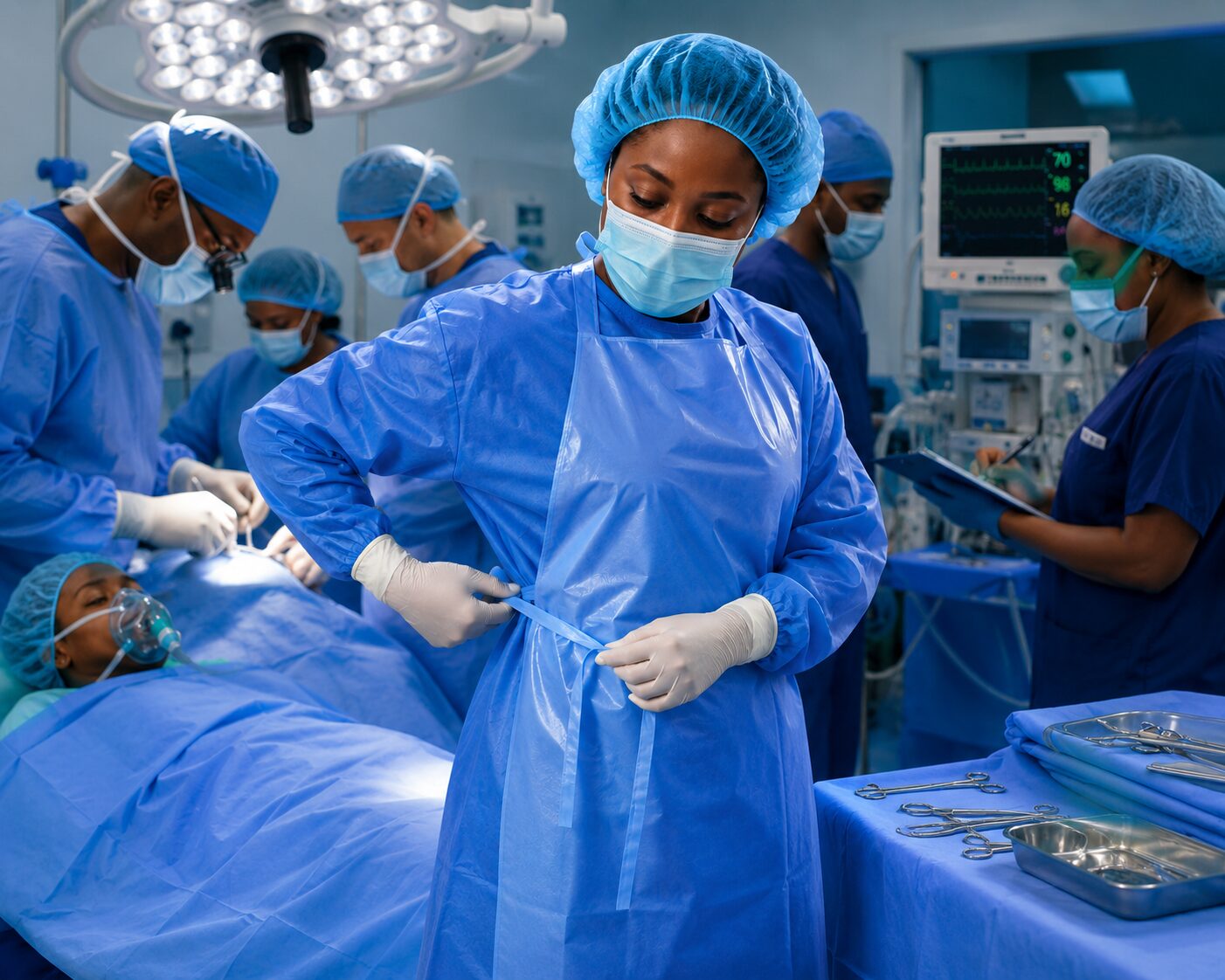
- Operating theatres
- Laboratories
- Emergency departments
Disposable medical coveralls help prevent pathogens from being transferred on clothing.
Once patient care is completed, the contaminated coverall is removed and safely disposed of, eliminating the possibility of carrying infectious agents into other treatment areas.
Protection Against Blood and Bodily Fluids
Medical professionals frequently encounter:
- Blood
- Urine
- Saliva
- Vomit
- Mucus
- Other bodily fluids
Many disease-causing organisms are transmitted through these fluids.
Quality disposable coveralls are designed with fluid-resistant or fluid-impermeable materials that prevent penetration and reduce occupational exposure.
Reducing Airborne Contamination
Certain infectious diseases spread through airborne particles.
Disposable coveralls help reduce contamination by preventing infectious particles from settling directly onto personal clothing.
When removed correctly, contaminated particles remain on the coverall rather than being transferred into clean environments.
Supporting Isolation Procedures
Patients suffering from infectious diseases often require strict isolation.
Healthcare workers entering isolation rooms rely on disposable medical coveralls as part of enhanced PPE protocols.
These coveralls help prevent microorganisms from escaping isolation zones and protect healthcare workers caring for high-risk patients.
Key Features of High-Quality Disposable Medical Coveralls
Healthcare facilities should invest in coveralls that provide optimal protection and comfort.
Important features include:
Breathable Material
Modern medical coveralls are designed to balance protection with airflow.
Breathable fabrics reduce:
- Heat buildup
- Sweating
- Fatigue
- Discomfort during long shifts
Comfort encourages proper compliance with PPE requirements.
Fluid Resistance
High-quality coveralls prevent penetration from:
- Blood
- Chemicals
- Bodily fluids
- Infectious liquids
This feature is essential for emergency departments and surgical environments.
Secure Zipper Closure
A strong zipper with protective storm flap minimizes openings where contaminants could enter.
Secure closures enhance overall protection.
Elastic Wrist and Ankle Cuffs
Elastic cuffs create tight seals around gloves and footwear.
This minimizes exposed skin and reduces contamination.
Attached Hood
Many disposable medical coveralls include integrated hoods that protect:
- Hair
- Neck
- Ears
This is especially useful during infectious disease outbreaks.
Lightweight Design
Despite offering full-body coverage, quality coveralls remain lightweight enough to allow healthcare workers to move freely.
Mobility is essential during emergency procedures.
Advantages of Disposable Medical Coveralls
Enhanced Worker Safety
Healthcare professionals perform better when they know they are adequately protected.
Disposable coveralls reduce occupational exposure to infectious hazards.
Reduced Risk of Healthcare-Associated Infections
By preventing contamination between patients, disposable coveralls contribute to lower infection rates within healthcare facilities.
This protects both patients and staff.
Time-Saving
Disposable coveralls eliminate:
- Washing
- Dry cleaning
- Sterilization
- Repairs
After use, they are safely discarded.
This simplifies infection control procedures.
Cost-Effective Infection Control
Although disposable coveralls require continual replacement, they often reduce overall infection control costs by minimizing disease transmission and eliminating laundering expenses.
Preventing infections saves hospitals substantial treatment costs.
Easy Storage
Disposable coveralls are compact and individually packaged.
Hospitals can easily maintain emergency PPE stockpiles without requiring large storage areas.
Consistent Hygiene Standards
Each new coverall is sterile or hygienically packaged.
Unlike reusable garments, disposable coveralls eliminate uncertainty regarding cleaning quality.
Healthcare Settings That Require Disposable Medical Coveralls
Disposable medical coveralls are widely used in:
Hospitals
Healthcare workers rely on coveralls during infectious disease management and patient care.
Operating Rooms
Although surgical gowns are standard, coveralls are often required during high-risk procedures involving infectious patients.
Intensive Care Units (ICU)
Critical care staff benefit from enhanced protection while treating vulnerable patients.
Isolation Wards
Patients with highly contagious diseases require healthcare workers to wear full protective clothing.
Diagnostic Laboratories
Laboratory personnel handling infectious samples require full-body protection.
Ambulance Services
Emergency responders frequently encounter patients before diagnosis.
Disposable coveralls reduce exposure risks during transport.
Dialysis Centers
Frequent contact with blood makes protective clothing essential.
Community Healthcare Programs
Vaccination campaigns, outbreak investigations, and mobile clinics also rely on disposable protective equipment.
Choosing the Right Disposable Medical Coverall
Healthcare facilities should evaluate several factors before purchasing coveralls.
These include:
- Material quality
- Breathability
- Fluid resistance
- Tear resistance
- Size availability
- Hood design
- Elastic closures
- Certification standards
- Comfort
- Ease of movement
Purchasing certified, high-quality products ensures maximum protection.
Best Practices for Using Disposable Medical Coveralls
Proper use is just as important as product quality.
Healthcare workers should:
- Inspect coveralls before use.
- Select the correct size.
- Wear gloves over elastic cuffs.
- Ensure the zipper is fully closed.
- Avoid touching contaminated surfaces unnecessarily.
- Remove coveralls carefully to prevent contamination.
- Dispose of used coveralls in designated medical waste bins.
- Perform hand hygiene immediately after removal.
Proper training significantly reduces accidental exposure.
Environmental Considerations
As healthcare facilities increasingly adopt disposable PPE, waste management has become an important consideration.
Many manufacturers now produce environmentally friendly disposable coveralls using recyclable or lower-impact materials where appropriate. Hospitals can also implement proper segregation and disposal systems to minimize environmental impact while maintaining strict infection control standards.
Balancing sustainability with patient and staff safety remains an important goal, but infection prevention must always take precedence in high-risk healthcare environments.
Why Healthcare Facilities Should Never Compromise on PPE Quality
Low-quality protective clothing may tear easily, allow fluid penetration, or fit poorly, reducing its effectiveness.
Investing in premium disposable medical coveralls offers several long-term advantages:
- Better staff protection
- Improved patient safety
- Stronger infection prevention programs
- Regulatory compliance
- Greater confidence during outbreaks
- Reduced occupational health risks
- Enhanced hospital reputation
Reliable PPE is an investment in the safety of healthcare professionals and the quality of patient care.
Why Choose Disposable Medical Coveralls from Neatstore Nigeria?
Healthcare facilities across Nigeria require dependable PPE that meets the highest standards of quality and reliability. Neatstore supplies premium Disposable Medical Coveralls designed to provide excellent protection, comfort, and durability for hospitals, clinics, laboratories, emergency responders, and other healthcare environments.
Our coveralls are made from high-quality protective materials that help guard against contaminants while allowing ease of movement during long working hours. Available in multiple sizes, they are suitable for a wide range of medical professionals and infection control applications.
With nationwide delivery, including Lagos, Abuja, Port Harcourt, Kano, Ibadan, Benin City, Enugu, and other locations across Nigeria, Neatstore makes it easy for healthcare organizations to access dependable personal protective equipment whenever it is needed.
Conclusion
Disposable Medical Coveralls have become one of the most essential components of modern infection prevention strategies in healthcare facilities. Their ability to provide full-body protection against infectious agents, blood, bodily fluids, and harmful contaminants makes them indispensable for safeguarding healthcare workers and patients alike.
From hospitals and isolation wards to laboratories and emergency response units, these protective garments play a critical role in reducing healthcare-associated infections, preventing cross-contamination, and supporting safe clinical practices. Their single-use design eliminates the risks associated with laundering reusable garments while ensuring consistent hygiene standards with every use.
As healthcare systems continue to prioritize patient safety and workplace protection, investing in high-quality disposable medical coveralls is no longer optional—it is a necessity. By choosing reliable PPE and following proper infection control protocols, healthcare facilities can create safer environments, improve staff confidence, and deliver better outcomes for everyone involved.





 Get it on
  Download on the