Choosing a new television can be exciting, yet many buyers struggle with selecting the appropriate screen size. This TV buying guide will help you understand how to choose the right TV size based on your room dimensions, viewing distance, budget, and entertainment needs. By making the right choice, you can enjoy a better viewing experience while avoiding the disappointment of buying a television that feels too small or overwhelming for your space.
Why TV Screen Size Matters
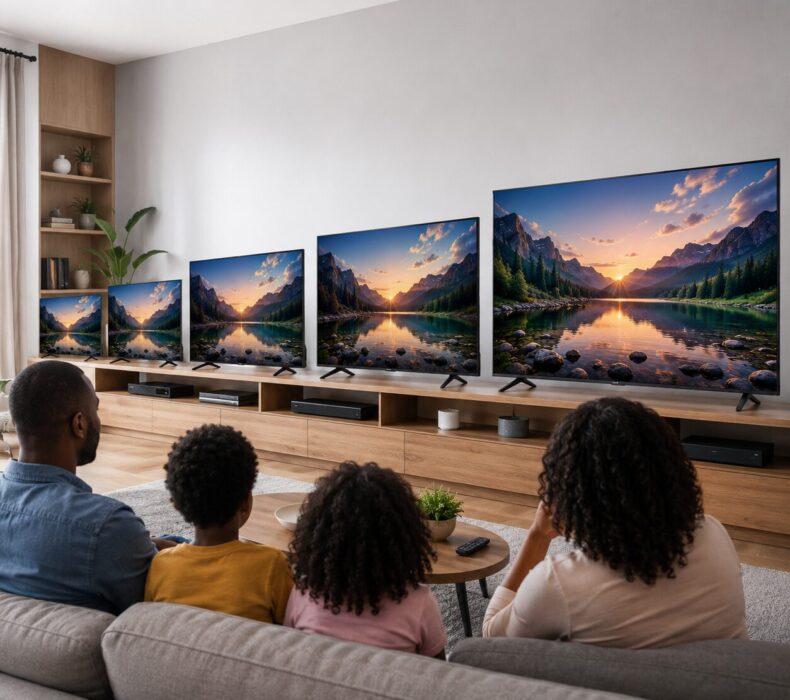
When purchasing a television, screen size significantly impacts your viewing experience. A screen that is too small may make movies and sports less immersive. On the other hand, a screen that is too large for the room can cause eye strain and make viewing uncomfortable.
Therefore, selecting the correct size helps create a balanced entertainment setup that maximizes picture quality and comfort.
Understanding TV Screen Measurements
Many buyers mistakenly assume that TV sizes are measured by width. However, television screens are measured diagonally from one corner to the opposite corner.
For example:
32-inch TV = 32 inches diagonally
43-inch TV = 43 inches diagonally
55-inch TV = 55 inches diagonally
65-inch TV = 65 inches diagonally
75-inch TV = 75 inches diagonally
Consequently, understanding this measurement system makes it easier to compare different models.
Determine Your Viewing Distance First
Before choosing a TV, measure the distance between your seating area and where the television will be placed.
Generally, the recommended viewing distances are:
TV Size
Recommended Viewing Distance
32 Inches
4 – 6 Feet
43 Inches
5 – 8 Feet
50 Inches
6 – 9 Feet
55 Inches
7 – 10 Feet
65 Inches
8 – 12 Feet
75 Inches
10 – 15 Feet
As a result, your room size becomes one of the most important factors when selecting a television.
Best TV Sizes for Different Rooms
Small Bedrooms
If you are buying a television for a bedroom, a 32-inch or 43-inch TV is usually sufficient.
Benefits include:
Lower cost
Reduced power consumption
Comfortable viewing in limited spaces
Furthermore, these sizes fit well on walls, shelves, and compact TV stands.
Medium-Sized Living Rooms
For average family living rooms, a 50-inch or 55-inch television often provides the perfect balance.
These sizes offer:
Better movie experiences
Comfortable sports viewing
Improved gaming immersion
Additionally, they are available across multiple price ranges.
Large Living Rooms
For larger homes, 65-inch and 75-inch TVs create a more cinematic experience.
These televisions are ideal for:
Family movie nights
Gaming enthusiasts
Home entertainment systems
However, ensure you have adequate viewing distance before choosing a larger screen.
Consider Resolution Alongside Screen Size
Screen size alone does not determine picture quality. Resolution also plays a major role.
Full HD (1080p)
Suitable for:
Smaller TVs
Budget buyers
Basic viewing needs
4K Ultra HD
Ideal for:
43-inch TVs and larger
Streaming services
Sports and movies
Moreover, 4K televisions have become more affordable than ever.
8K TVs
Best suited for:
Premium buyers
Very large screens
Future-proof home entertainment systems
Nevertheless, most households currently find 4K televisions more practical.
Think About Your Viewing Habits
Different types of content may influence your ideal TV size.
Movie Lovers
If you frequently watch movies, a larger screen enhances immersion.
Therefore, consider:
55 inches
65 inches
75 inches
Sports Fans
Sports enthusiasts benefit from larger screens because they make action easier to follow.
In addition, larger displays provide a stadium-like viewing experience.
Gamers
Gaming requires both screen size and responsiveness.
For gaming setups:
43 inches to 65 inches works well
Look for low input lag
Choose TVs with higher refresh rates
As a result, gameplay becomes smoother and more enjoyable.
Consider Wall Space and Furniture Placement
Before purchasing a TV, evaluate the available wall space.
Ask yourself:
Will the TV be wall-mounted?
Will it sit on a TV stand?
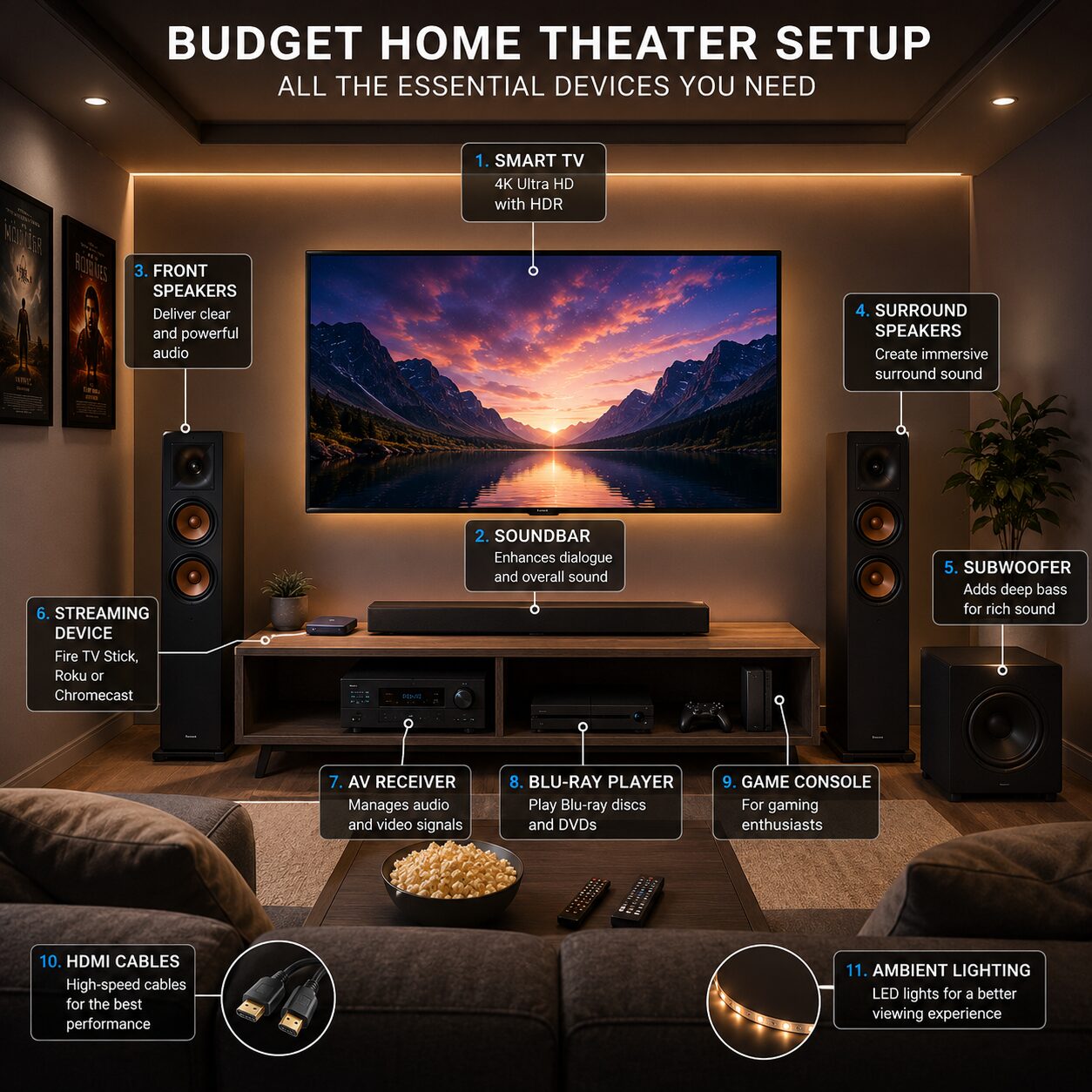
Is there enough room for speakers or soundbars?
Likewise, ensure that furniture placement allows comfortable viewing angles.
Smart TV Features Matter Too
Today, most buyers prefer smart TVs because they provide direct access to online content.
Popular smart features include:
Netflix
YouTube
Prime Video
Disney+
Screen mirroring
Voice assistants
Consequently, many households no longer require separate streaming devices.
Common Mistakes to Avoid
Buying Based Solely on Price
A cheap television may not offer the screen size or features you need.
Instead, focus on overall value.
Ignoring Room Size
Some buyers purchase the largest screen they can afford without considering viewing distance.
As a result, the viewing experience may suffer.
Overlooking Resolution
A large screen with poor resolution may appear blurry when viewed up close.
Therefore, always match screen size with appropriate resolution.
Forgetting Future Needs
Technology evolves rapidly. Consequently, investing in a smart TV with modern features can extend the usefulness of your purchase.
Recommended TV Sizes by Budget
Budget Buyers
32-inch Smart TVs
43-inch Full HD TVs
Mid-Range Buyers
50-inch 4K TVs
55-inch Smart TVs
Premium Buyers
65-inch 4K TVs
75-inch Smart TVs
OLED televisions
Thus, there is a suitable option for virtually every budget.
Conclusion
This TV buying guide demonstrates that choosing the right screen size involves more than simply selecting the biggest television available. Instead, buyers should consider viewing distance, room dimensions, screen resolution, entertainment preferences, and budget.











 Get it on
  Download on the